Contending With Fashion Photography's Artifice
Lillian Bassman spent decades crafting commercial images. After leaving the industry, she was finally free to experiment in the darkroom.

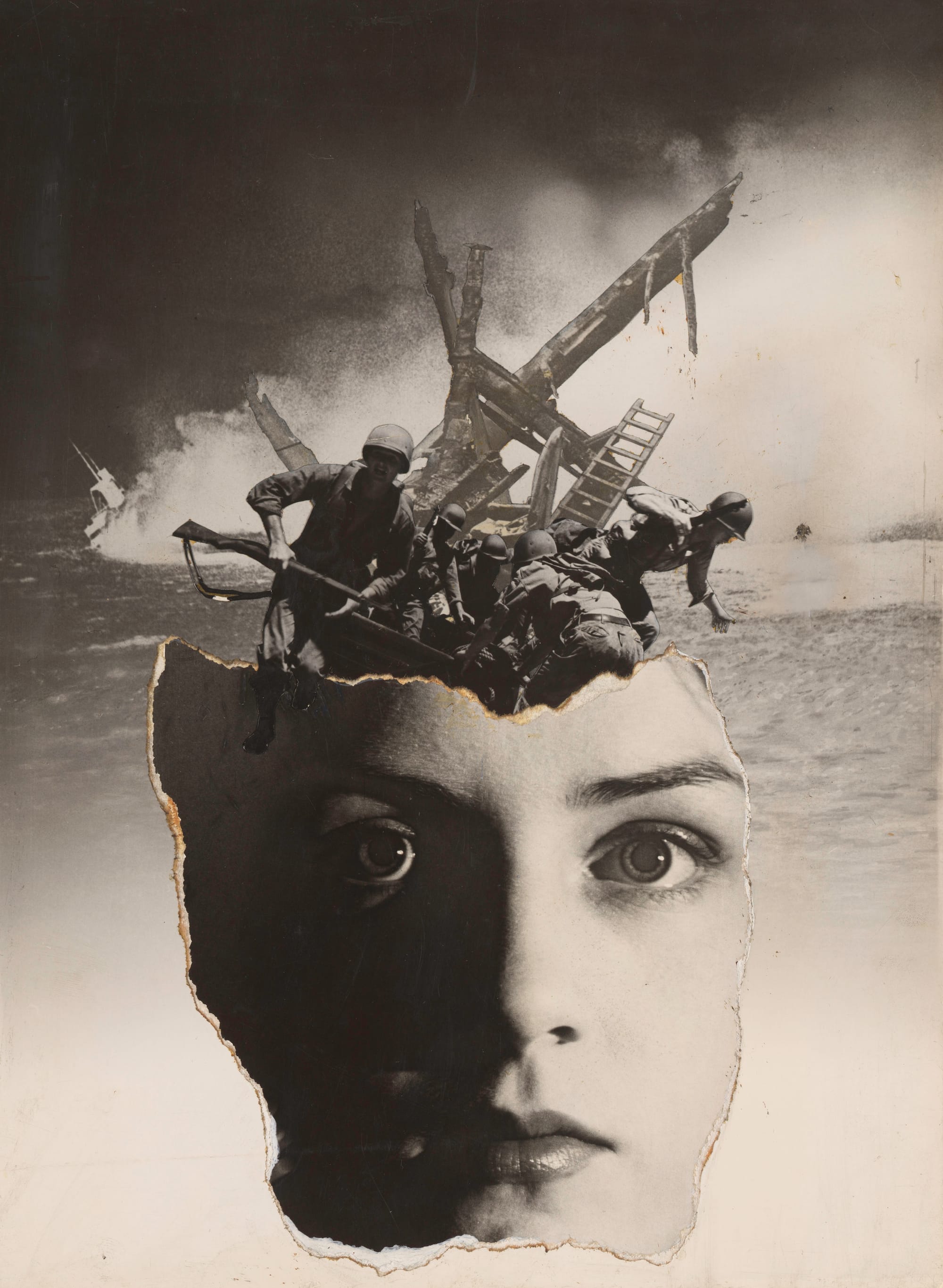
Fashion photography is notoriously artificial. Since its inception as a way to document socialites and celebrities in their finery, it has always been used to project a construct of beauty. The Metropolitan Museum of Art contends with this idea in Lillian Bassman: Bazaar and Beyond, a small survey exhibition of the late photographer’s fashion media practice from the 1940s to the 2000s.
Bassman began her career in the early 1940s as an aspiring illustrator, working under the tutelage of legendary Harper's Bazaar art director Alexey Brodovitch. By the late 1940s, she was photographing her own covers and editorials for Bazaar, taking a distinctive approach to fashion photography that both lifts and embraces the industry’s veil of appearances. This show demonstrates Bassman's mastery as an artist deeply versed in all elements of fashion media whose analytical perspective puckers at the medium’s superficiality.
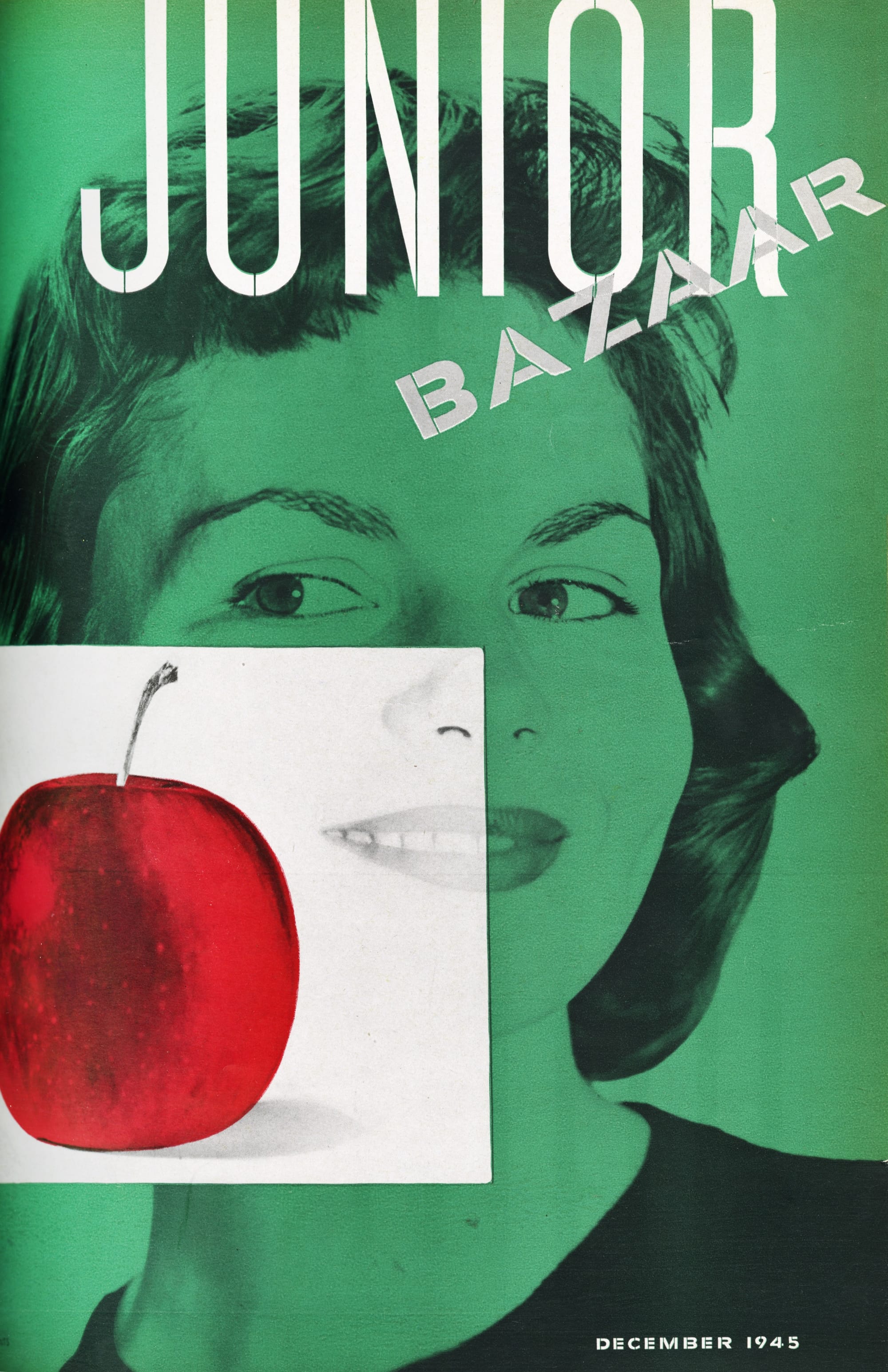
The exhibition begins with Bassman's early career at the magazine and her stint as co-director of Junior Bazaar with Brodovitch in the 1940s. The work on view is a mix of photo collages, editorials, magazine covers, photographs, and test prints. There are clear early 20th-century modernist influences, including a photo collage called the “Vocabulary of Courage maquette” (1944) in the vein of Dada artist Hannah Höch, as well as magazine covers and editorials with Russian Constructivist graphics — an interesting choice for a fashion magazine, given that both movements are rooted in anti-capitalist beliefs. During this time, Bassman adopted a variety of experimental formal techniques. Though far removed from the glossy and glamorous fashion shots for which she is best known, these works provide profound insight into her photographic practice.
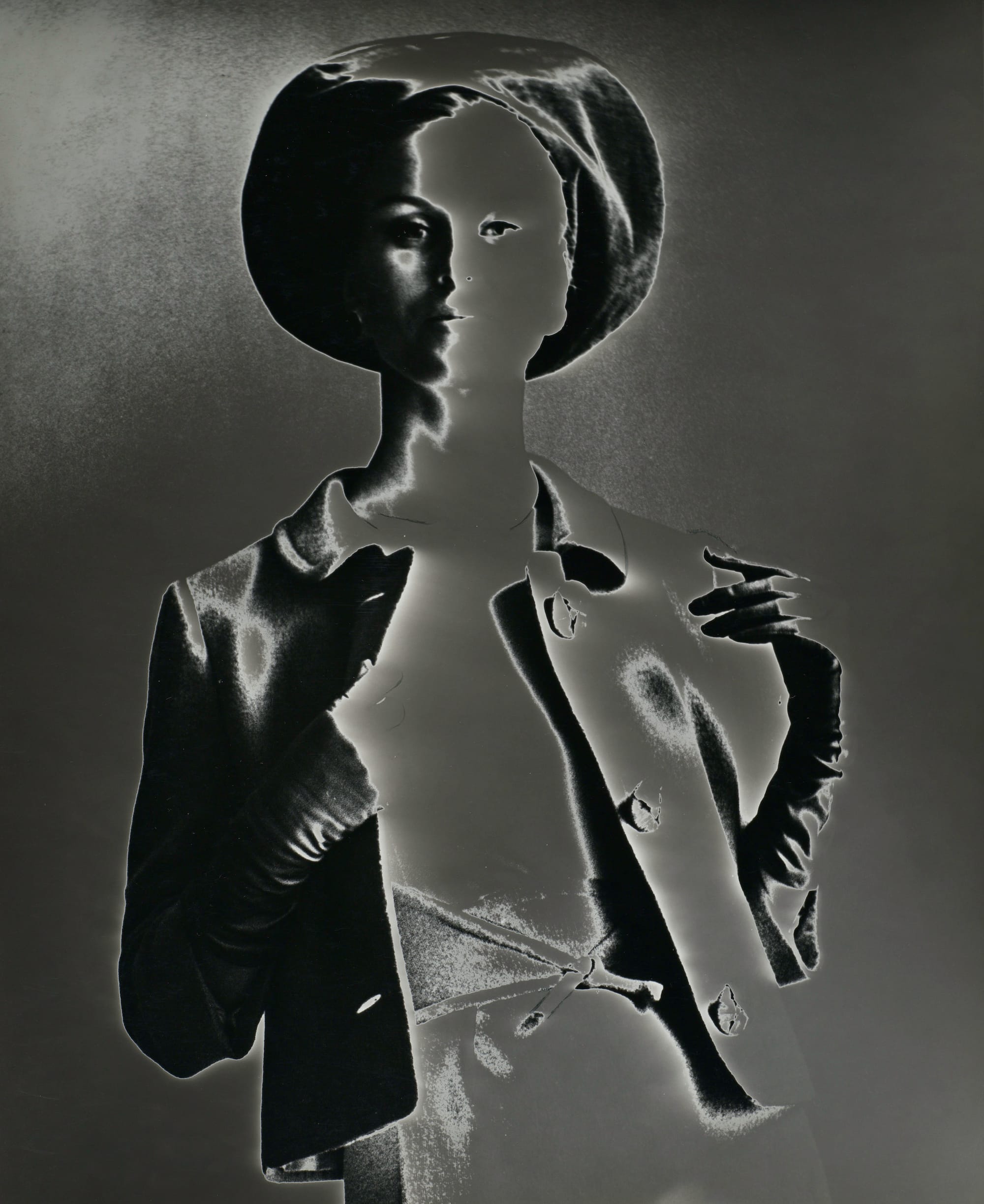
A 1949 series of gelatin silver test prints for magazine covers bridges this moment with the following gallery, which highlights Bassman's technical prowess in the darkroom, where she experimented with extreme over- and under-exposure to light and the selective application of bleach. Her darkroom work also mirrors the way in which many women construct their beauty and femininity in their daily lives; Bassman's bleach-drenched paintbrush is not much different from makeup brushes and a bottle of Clairol. Akin to Pop art, these test covers underscore Bassman's contrarian vision within the refined and restrictive world of fashion media.
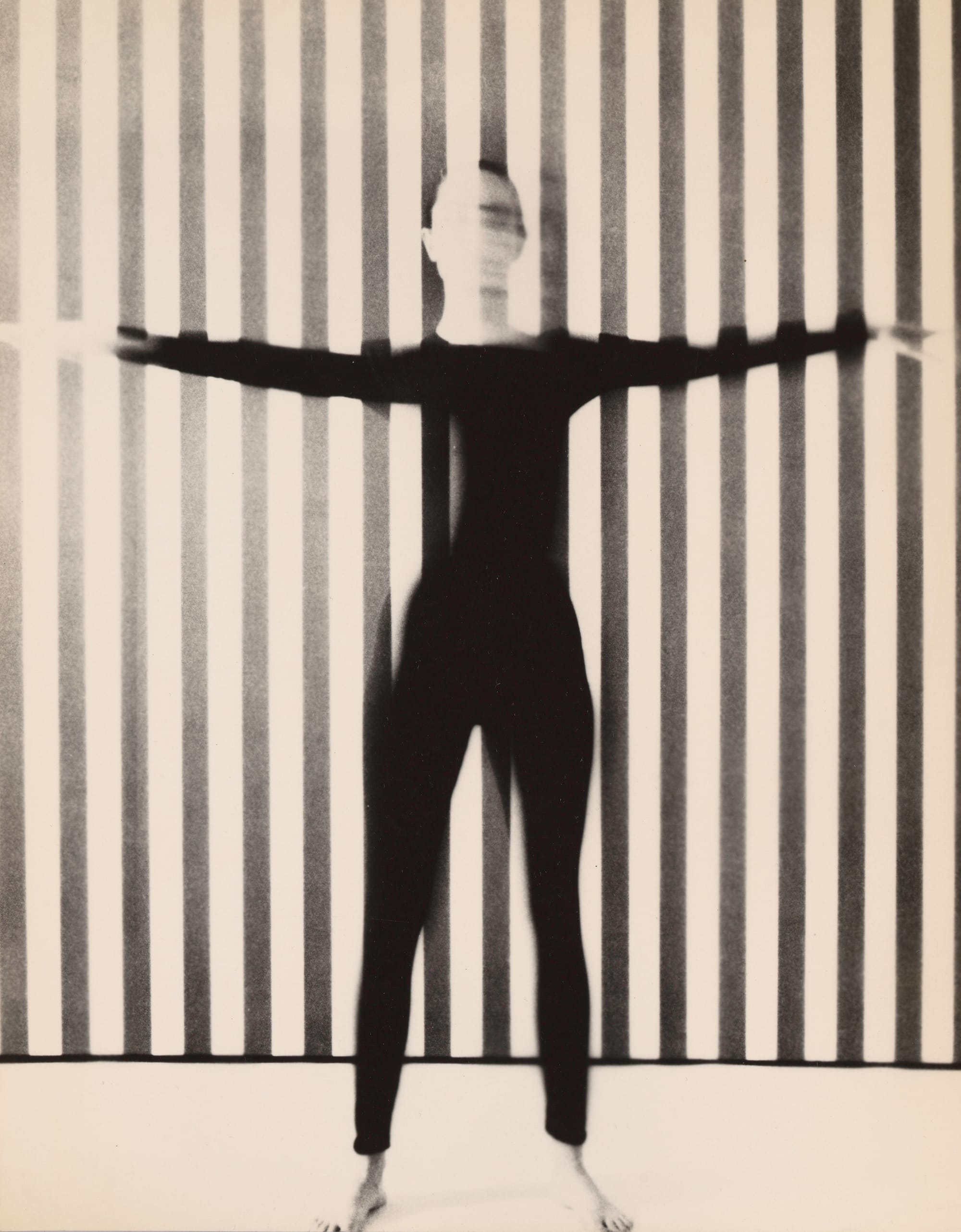
Bassman's fashion photography remains the focus of the rest of the exhibition, including her years at Bazaar, photographic studies, freelance work, and later forays into reprinting photographs in the 1990s and 2000s. Many of Bassman's photographs abstract their subject matter through camera angling, posing, and darkroom distortions. Oftentimes, her models do not look directly at the camera or their faces are obscured with smoke, shadows, or a photographic blur. Their bodies and faces contort away from the viewer, distilling them into silhouettes — perfect hangers for clothes.
Later in life, Bassman began reprinting her earlier negatives, and I found them to be the most profound part of the exhibition. In these 1990s works, the artist makes substantial darkroom manipulations by experimenting with exposure times, applying chemicals more harshly, and even using an early version of Adobe Photoshop. Two variations of “The Cape Back is Back” from 1949 and 1994 encapsulate Bassman's personal evolution. In the original photograph, the model almost blends in with the scenery, whereas in the 1994 version, Bassman accentuates the contrast between light and dark. The reprint creates a stormy uncertainty, especially in the model’s facial features and elbow. Without having to satisfy her editors, designers, or advertisers, Bassman was liberated from the pressures of crafting the perfect commercial image, and under her creative free will, artifice could breathe and grow.
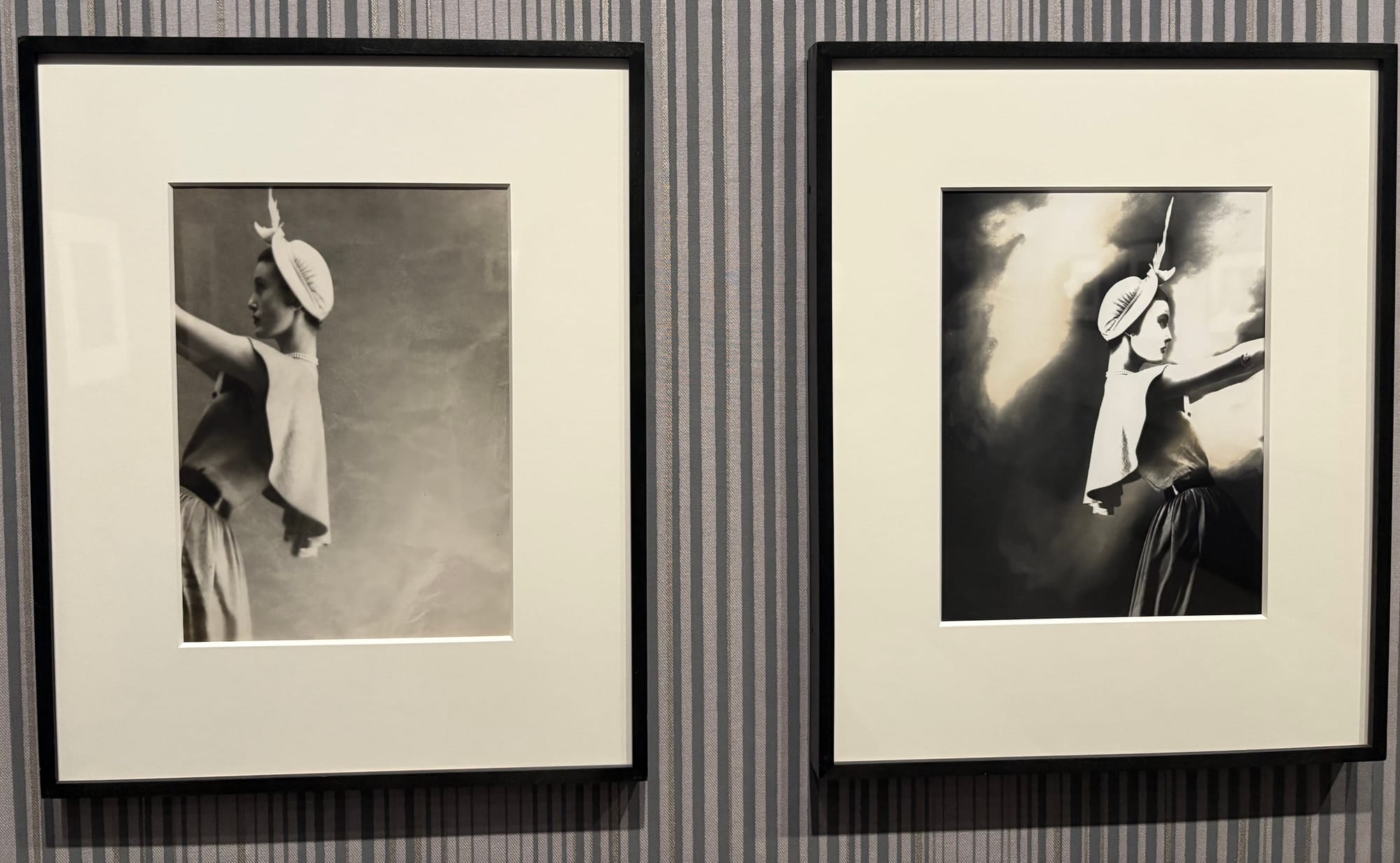
Bassman's work forces us to contemplate the conceptual side of fashion photography, and these later reprints left me with a range of questions. Are the older images more authentic, because they are truer to Bassman's personal vision, or do they continue to perpetuate fashion’s artificiality? In what ways do authenticity and artifice overlap? This is when I realized the genius of Lillian Bassman.
In a way, we are all tasked with editing our lives: Every day, we decide how to present ourselves, Photoshopping and curating what we want people to see. Bazaar and Beyond masterfully demonstrates that Bassman's contribution to the fashion photography canon is precisely her embrace of artifice.
Lillian Bassman: Bazaar and Beyond continues at the Metropolitan Museum of Art (1000 Fifth Avenue, Upper East Side, Manhattan) through July 26. The exhibition was organized by Virginia McBride, assistant curator in the Department of Photographs.