Guadalupe Rosales’s Portable Archive of East LA
In two new books, the artist weaves her archive of photos, ephemera, and flyers into the story of ’90s Chicanx youth culture, tracing both a personal and collective coming-of-age.

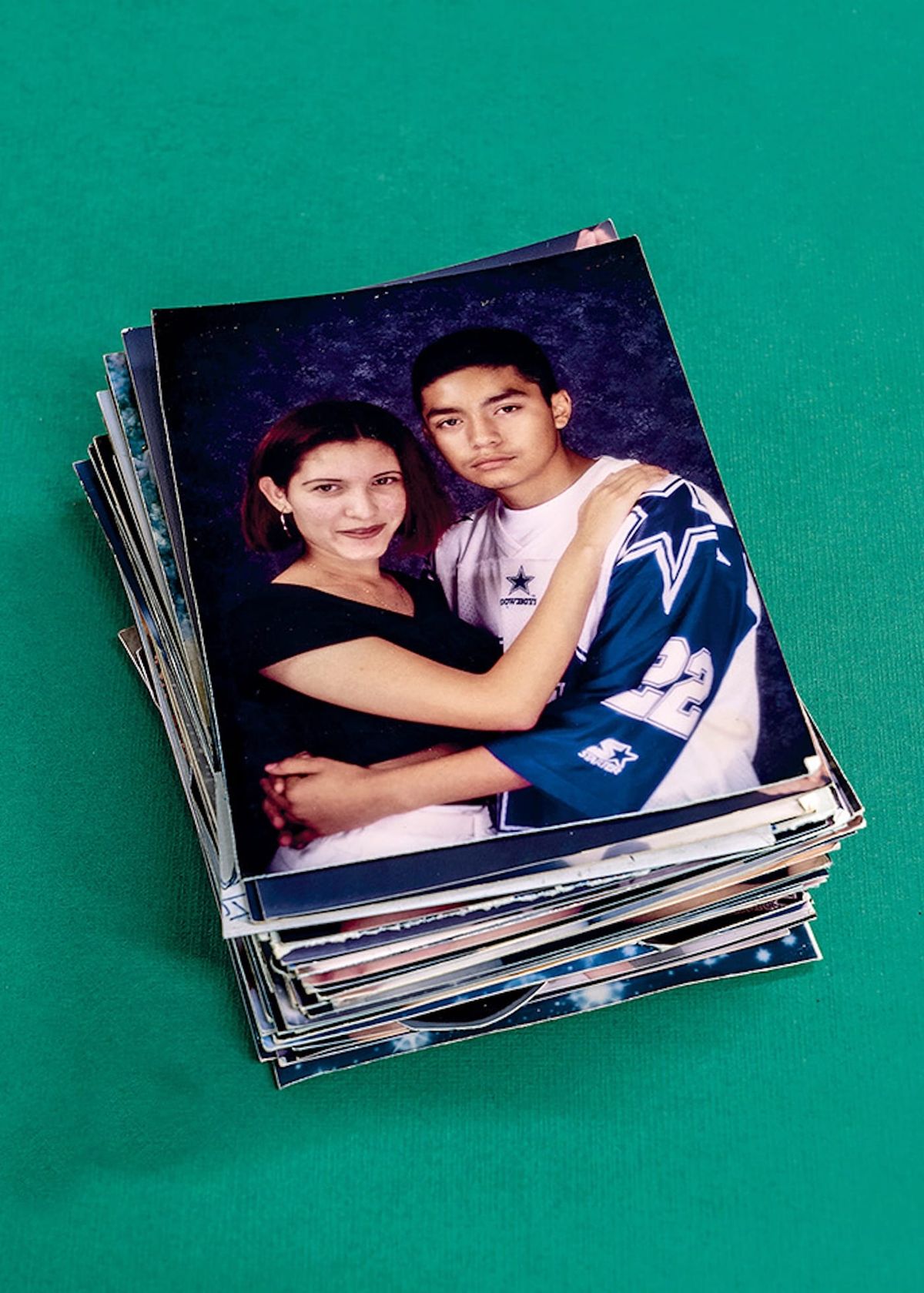
If someone had described Los Angeles youth culture in the late 1990s, they might have invoked towheaded surfers, Sunset Strip hair bands, Beverly Hills teens, and the graffiti-soaked clubs that harbored New Wave and punk. Thanks to Guadalupe Rosales, our view of that time is now much more expansive.
Since 2015, the Los Angeles artist has collected the stories of the city’s Chicanx and Latinx youth — in particular, women and girls — via a pair of wildly popular Instagram pages, @veteranas_and_rucas and @map_pointz, which have become a collective archive of pre-internet adolescent life in the ’80s and ’90s. Big hair. Lined lips. Body-hugging tanks and baggy jeans. Not to mention the party flyers bearing titles like “Bad Influence” and “Titty Juice,” with their irreverent promises of liberation.
Over the years, Rosales has displayed this ephemera in imaginative ways, often in architectonic environments that pulse with the energy of nocturnal gatherings. In her installation for In Minor Keys, the international exhibition at the 61st Venice Biennale, infinity mirrors edged with neon are embedded with artifacts and suspended on a steel structure evoking the form of a SoCal bungalow.
A new project, however, finds the artist presenting her archive in more intimate ways. East of the River: A Memoir of Los Angeles Girlhood, published this fall, assembles many of the photos, flyers, news clips, and testimonials that followers have sent her for more than a decade. To that, she adds her own photographs and experiences, relaying the poignant story of her Eastside upbringing and the ways in which revelry with friends offered a respite from troubles both at home and in the larger city: the 1992 uprising, growing anti-immigrant sentiment, and gang violence. The latter claimed the life of her beloved cousin, Ever Sánchez, who was killed at a party in 1996. “It took me years to forgive those who took his life,” she writes, “but eventually I was able to turn the grief into altars and memorials and storytelling.”