Marc Spiegler Got It All Wrong
In a guest essay for the New York Times, the former Art Basel global director presented a vision of a Brave New Art World that has little to do with art and those who make it.

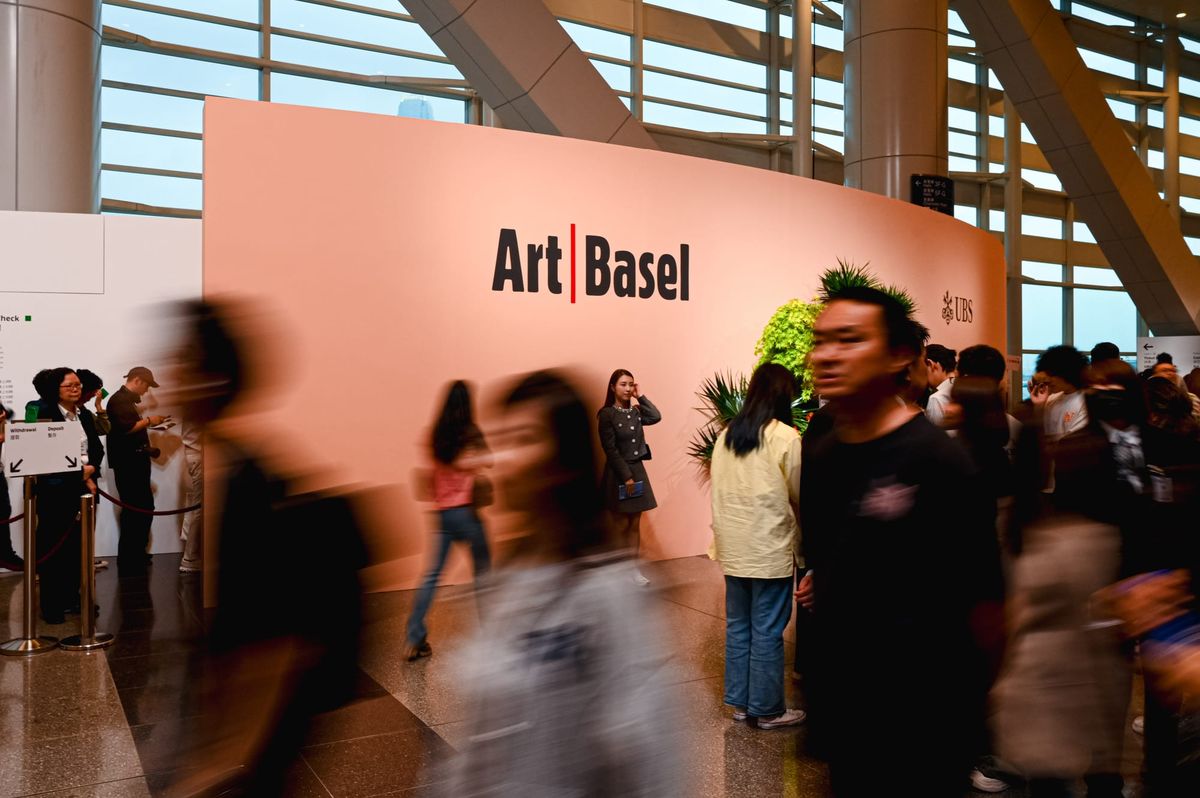
Marc Spiegler’s recent guest essay in the New York Times, titled “Art Galleries Are Not Okay,” can only provoke anger and frustration for artists and others trying to live and work in today’s uncertain, Brave New Art World. Spiegler, former global director of Art Basel, echoes Pace Gallery CEO Marc Glimcher’s assertion that the gallery system is broken beyond repair. He worries about the future of galleries, which he calls the “foundation” of the art market.
The art world today is unrecognizable to those who built the East Village art scene in the 1980s or fought the right during the Culture Wars of the 1990s, times when artists — not galleries or art fairs — were considered fundamental to art’s survival. As the industry grew at an unstoppable rate in a post-globalized world, the vast majority of artists still struggled to pay their own way and cling to ideals, even as $1 million NFTs received international attention.
Spiegler writes about the current demise of the gallery ecosystem as if he were just an observer, not one of its chief architects. In his role at Art Basel from 2012 to 2022, he contributed to building a profit-motivated art distribution system, helping push the narrative that art galleries could and should behave like multinational corporations. This campaign worked for a while, but in the end stalled, not least because without its bohemian raison d’etre, art loses its allure for collectors. Spiegler bemoans the new generation of collectors who prefer bitcoin to artworks. Yet, these younger buyers were only offered a commodity-based vocabulary with which to discuss art. Few were introduced to theory or history as more sound bases for acquiring a collection.
When Art Basel arrived in Hong Kong in 2013, I remember talking with Swiss collector Uli Sigg, whose trove of Chinese art now forms the cornerstone of the M+ Museum’s collection. He joked that blue-chip galleries were coming to China like deodorant salesmen coveting 2.6 billion armpits. By then, I had been reporting on China regularly, thrilled with an experimental art scene that flourished despite the lack of a domestic infrastructure. It reminded me of the days of the East Village and the 1990s in New York City, when there was a minimal market but an abundance of electrifying art experiences. In Hong Kong, Basel heralded an era when painters and sculptors, rather than performance and video artists, would become the canon of Chinese contemporary art. As galleries salivated over the new market, hardly one stood up for the human rights of Chinese artists. Art Basel has still never mentioned the pervasive repression or censorship plaguing their lives.
Don’t get me wrong, some of my best friends are gallerists. And it is clearly essential for artists to receive this support to continue creating and finding audiences. Many galleries are on the frontlines of this effort to survive a market in decline. However, in the Brave New Art World, they often cultivate artists only to see them scooped up by one of the big blue-chip distributors. Artists pursuing top careers are contributing to the stress, behaving like free agents unencumbered by allegiances. Running a well-respected, middle-market gallery has become a heartbreaking endeavor, especially as the collector base shrinks. No wonder many gallerists are choosing career adjustments or retirement at this time. But who is considering the fate of their artists?
The truth of the matter is that art needs to be upheld as an alternative to market-validation, an escape from professionalism and maximum actualization. No one wants to lose money from collecting art, but there needs to be a sense of risk, an adrenaline rush. This can only come from supporting artists determined to overturn markets and reinvent art history. Such artists exist today in abundance, but you may have to look for them in artist-run spaces or alternative arts organizations operating a bit off the grid. Such renegades are making important contributions, though their efforts barely raise a blip on the market radar. Go visit these outposts of contemporary creativity before the Marc Spieglers of the world figure out how to co-opt their energy and ideas.