Mona Lisa’s Face Redacted in Latest Trove of Epstein Files
The decision to cover the world’s most famous portrait feels particularly misguided as the DOJ faces accusations of releasing sensitive victim information.

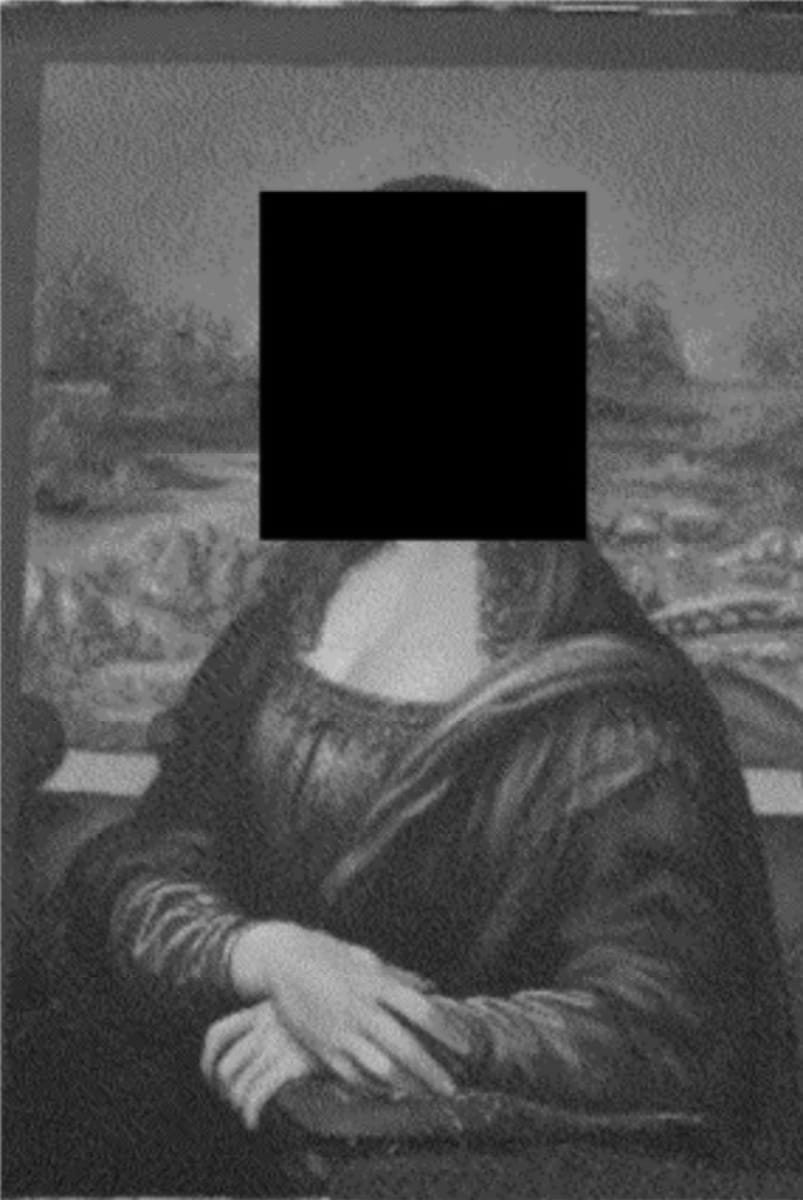
In a document containing photographs sent to Jeffrey Epstein’s personal email address, the Department of Justice (DOJ) made a curious redaction, placing a black square on the face of one of the most ubiquitous portraits in the world.
While the DOJ faces intense scrutiny for releasing sensitive information about Epstein's victims, including social security numbers and uncensored nude photos, in its recent document release, the federal agency decided to cover the face of what appears to be a reproduction of Leonardo Da Vinci’s “Mona Lisa.”
The altered “Mona Lisa” appears in a document containing photographs emailed to Epstein in 2009, with the subject line “simply paris.” Several photos in the email portray a young couple, including a woman whose face is redacted and an unnamed man.
Photos in the email show the young couple at famous tourist destinations in Paris, including the Arc de Triomphe and inside the Louvre Museum.
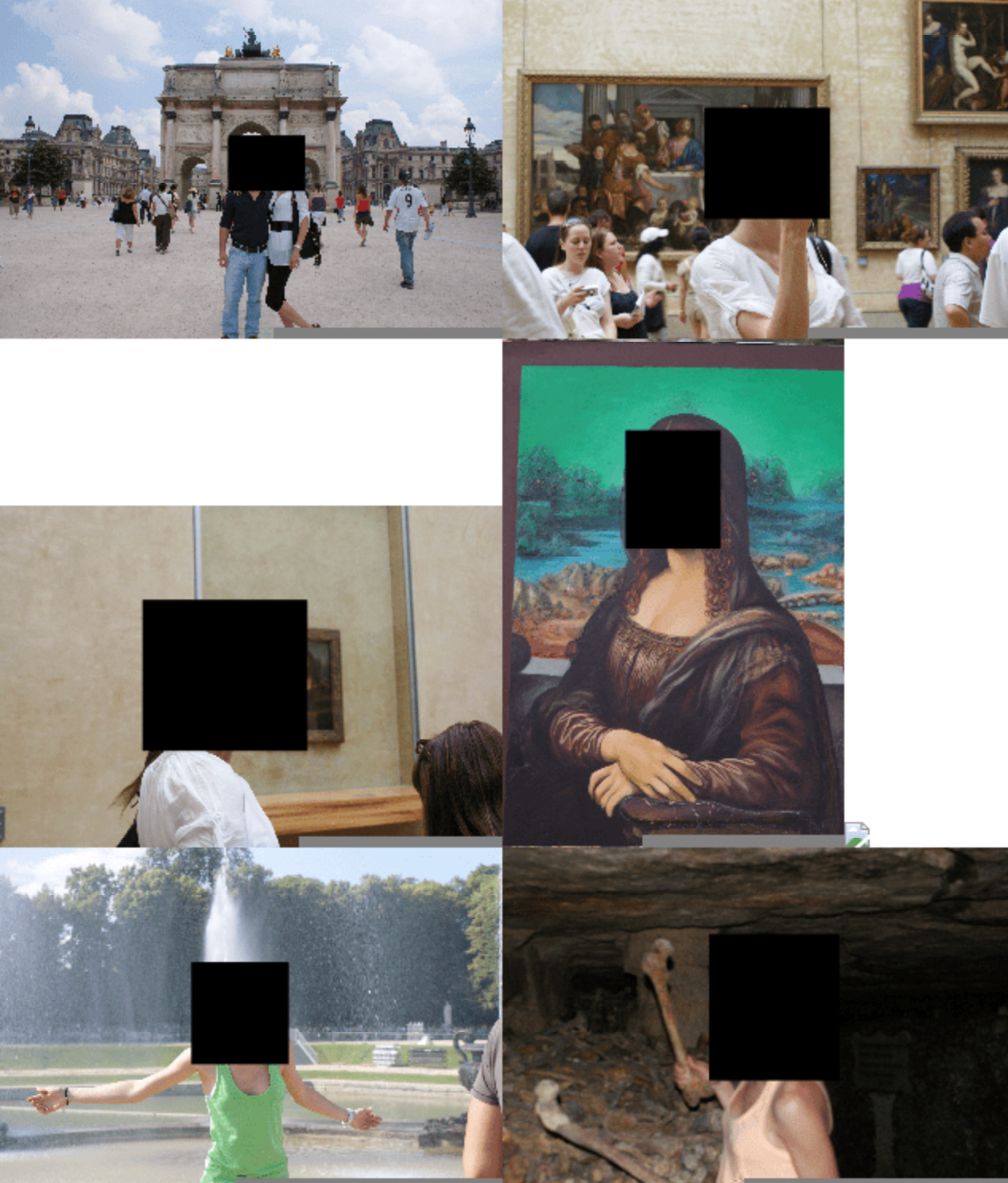
The redacted image of Mona Lisa appears to be a reproduction of the artwork, not the actual painting, though in another photograph in the email, an individual can be seen walking past the glass-covered painting hanging in the Louvre.
“We just walked around all over the city not just the sight seeing [sic]... we took like 1500 pictures so was really difficult to decide wich [sic] to send!” the email, sent by a redacted contact, said.
The email is dated July 3, 2009, weeks before Epstein was released from jail following his Florida conviction for charges including soliciting prostitution from a minor.
The redaction of the Mona Lisa feels particularly misguided as the DOJ faces accusations of releasing identifying information about about 100 Epstein survivors in their latest release of documents related to the convicted child sex offender.
One lawyer for a survivor claimed his client was named over 500 times in the files. According to the New York Times, 40 images contained unredacted nude photos and the faces of seven individuals. After the publication notified the DOJ, a spokesperson said it was in the process of making proper redactions.
The most recent tranche of Epstein files has also revealed new connections between the disgraced financier and art world figures. David A. Ross, the former chair of the School of Visual Arts MFA Art Practice Department, resigned from his post following the release of his email exchanges with Epstein. Emails also showed that Jeff Koons attended a dinner at Epstein's home years after his conviction.