Museum of Fine Arts Boston Reimagines America on Its 250th Birthday
A Mohawk artist’s bust of George Washington, a matrilineal home altar, and a Dunkin’ cup are among the 400 objects in a new major reinstallation.

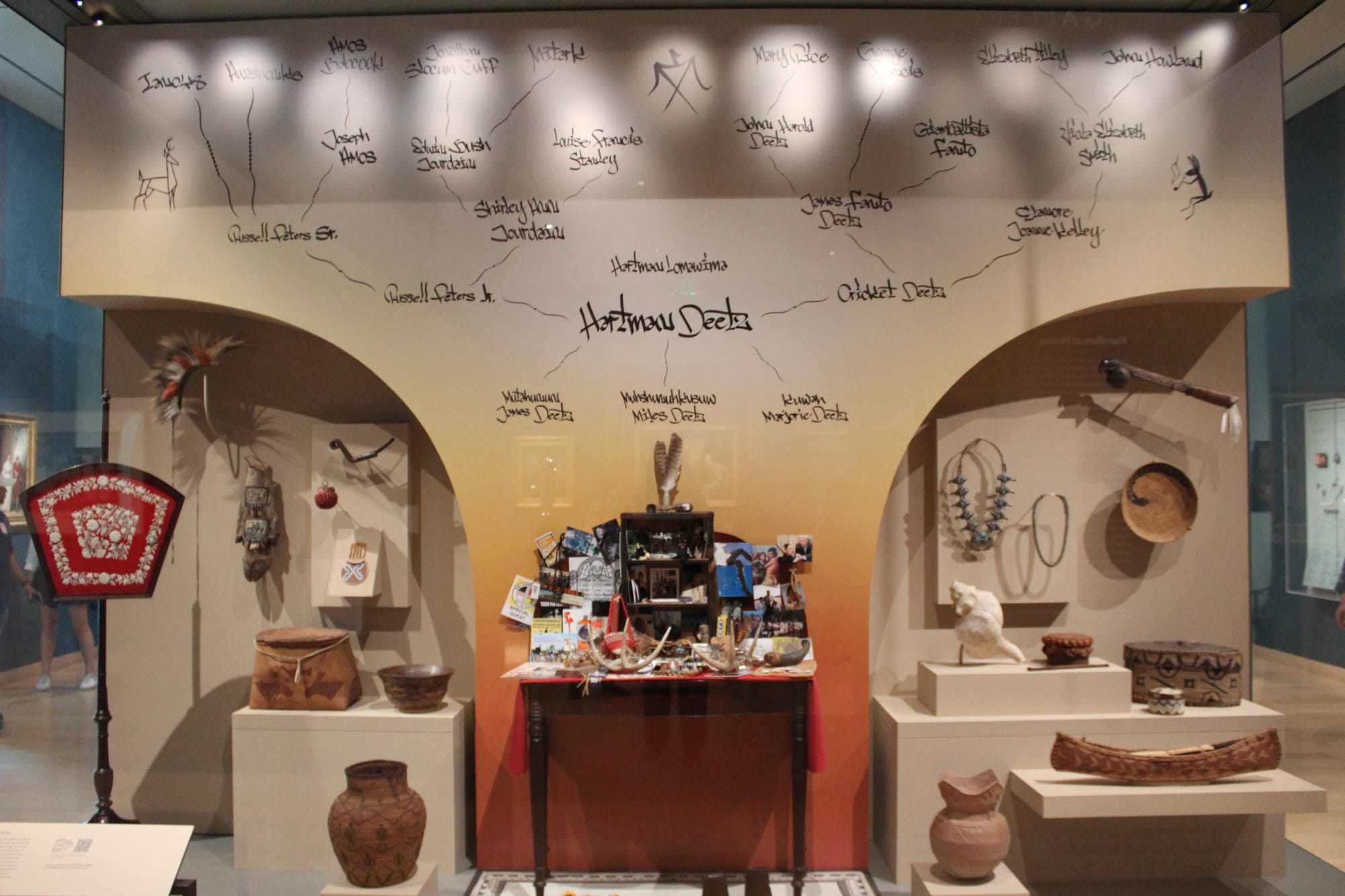
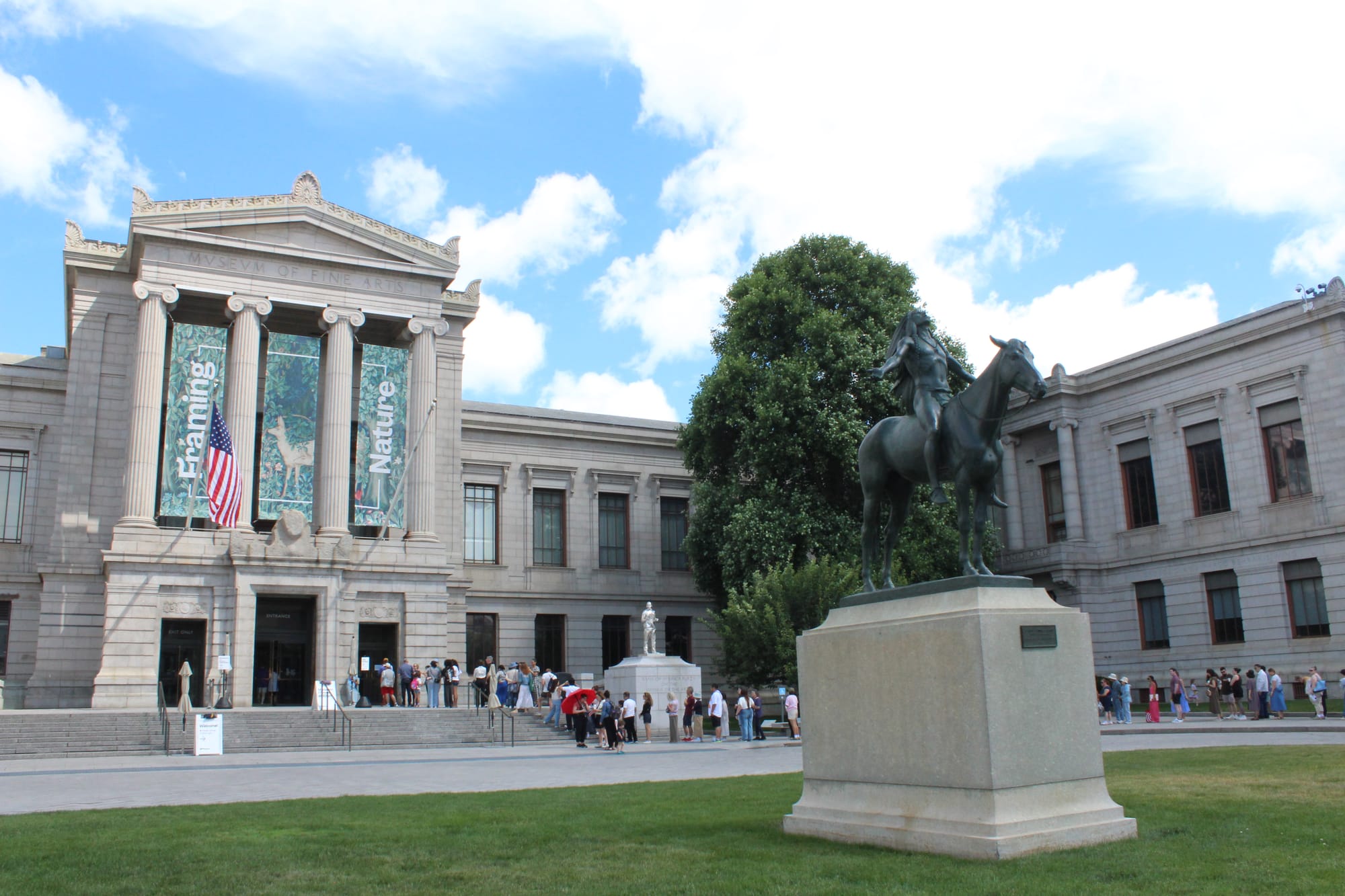
A Native American shrine from 2025, a menagerie of needlework samples from 18th-century New England, and casta paintings from colonial Mexico stand only paces away from each other in a new exhibition in the Art of the Americas Wing of the Museum of Fine Arts (MFA) in Boston. Unveiled during the museum’s annual Juneteenth open house, Art of the Americas: 1700–1800 marks the first reinstallation in the wing’s ground-level galleries.
The revamped gallery features over 400 objects sourced from North, Central, and South America, the Caribbean, parts of East Asia, and other global touchpoints for the 18th-century Americas. Divided into eight themed sections, the display brings together newly acquired artworks with some of the most well-known pieces from the MFA’s collection.
The day after the unveiling, on June 20, the museum hosted an “America at 250” celebration applauding the three-year effort forged by curators, museum staff, community members, scholars, and artists.
While the display is housed in and centers around the American wing’s 18th-century galleries, the curators organized it with the Americas of today in mind.
“We wanted to tell wider narratives that met our mission for the Art of the Americas, plural, not just the United States,” Erica Hirshler, the Croll Senior Curator of American Paintings, told Hyperallergic, adding that the previous iteration of the gallery felt “dated.”
The first section of the gallery is themed “Power and Resistance,” prefacing one of the main motivations for the MFA’s latest endeavor. By placing artworks from Native artists beside British-influenced artists, and Paul Revere’s “Sons of Liberty Bowl” (1768) beside a ceramic jar inscribed by enslaved poet and potter David Drake, the new arrangement considers artworks in relation to each other both formally and in dialogue with larger dynamics of authority and contested cultural narratives.
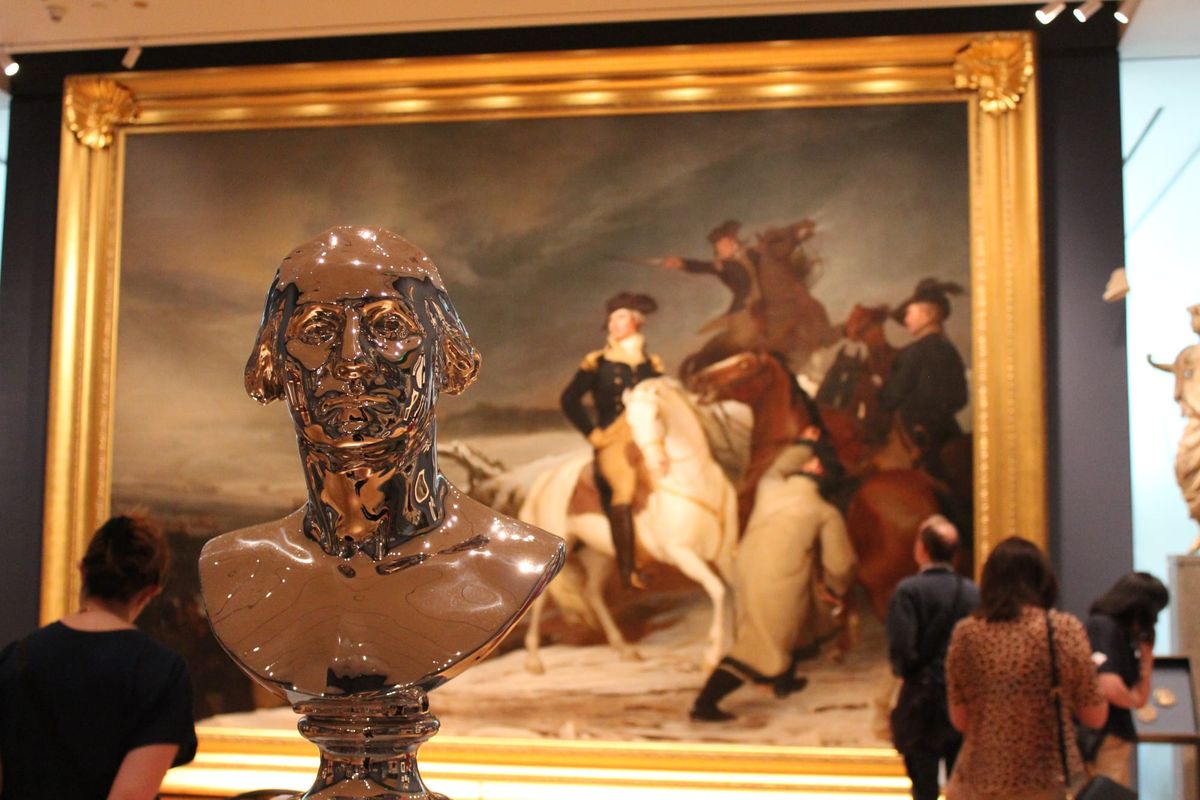
The display also emphasizes the inclusion of underrepresented perspectives in the annals of United States history. A few paces ahead of Thomas Sully’s massive, iconic painting of George Washington, “The Passage of the Delaware” (1819), is Mohawk artist Alan Michelson’s silver bust of the same president, “Hanödaga:yas (Town Destroyer): Reflect” (2024). The title of Michelson’s sculpture alludes to Washington’s role in the destruction of dozens of Haudenosaunee towns, imploring viewers to reflect on the complicated legacies that underpin the construction of the American story.
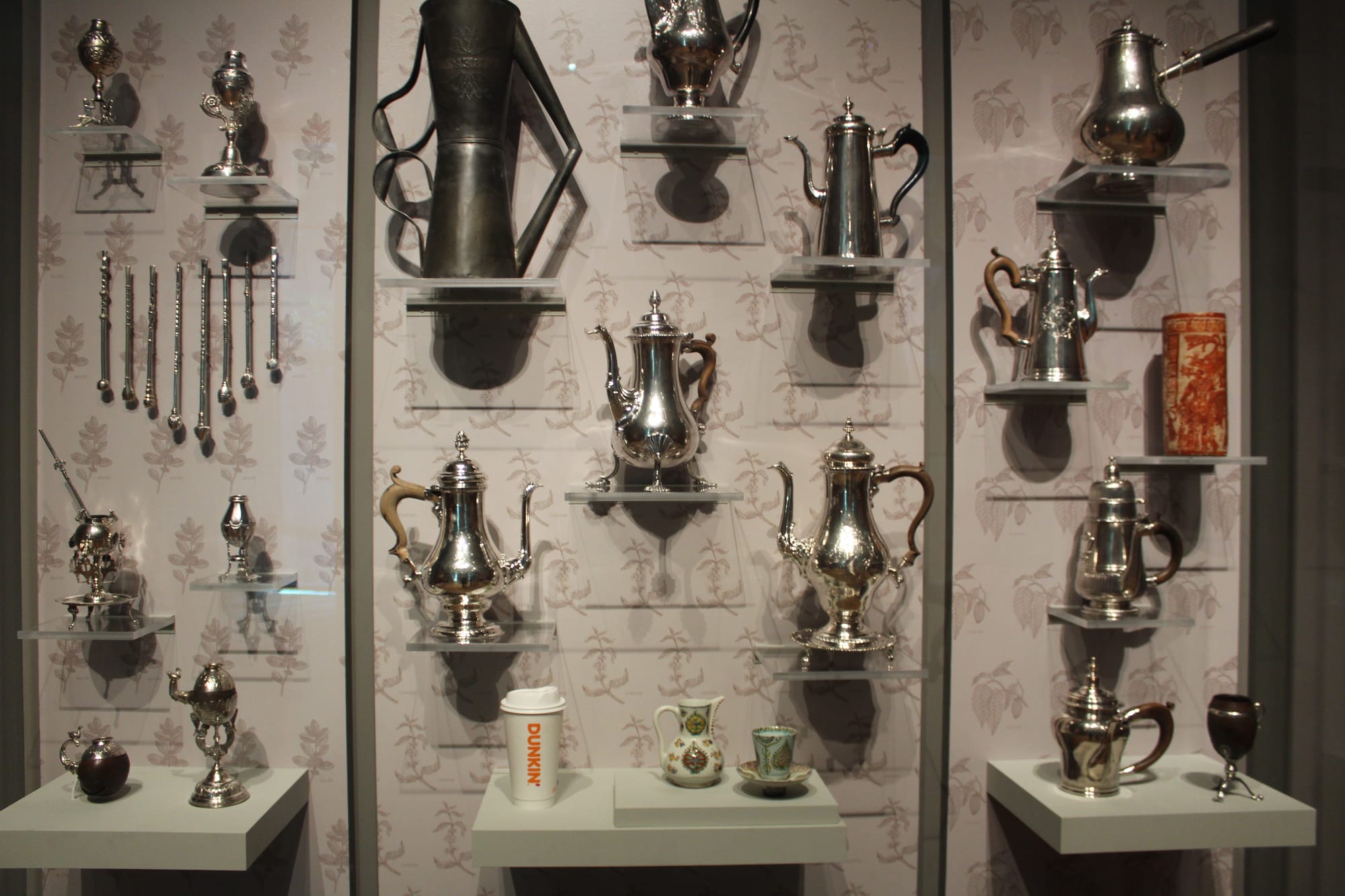
Between critical representations of colonial power and resistance, Hirshler also wanted to highlight some of the more lighthearted parts of the reinstallation. In the “Something’s Brewing” section of the gallery, a single Dunkin’ cup is included as an artwork alongside silver vessels related to Boston’s tea trade.
“Boston runs on Dunkin’,” Hirshler laughed. “It’s an important part of history.”
During the planning process for the installation, the MFA made a historic decision of its own when the curators were offered a $400,000 federal grant from the National Endowment for the Humanities (NEH). Concerned with the strict compliance demands issued by the federal government, which has terminated hundreds of NEH grants under the Trump administration, the museum turned down the offer and continued the project using other funding sources.
“I’m very proud of us for not taking that grant,” Lucía Abramovich Sánchez, the curator of American Decorative Arts and Sculpture, told Hyperallergic.
“We felt that the risk of having to follow the executive order would impede the work that we wanted to do,” Hirshler added.
For both curators, reimagining the Americas is more important now than ever.
“I hope that visitors leave with a deeper understanding of what America means,” Sánchez said. “We are and have been interconnected with each other for a very long time.”