Phoenix Art Museum Receives Largest Gift of Native American Works
A hundred works by Indigenous artists tracing creative resilience over the course of a century will go on view at the institution in August.

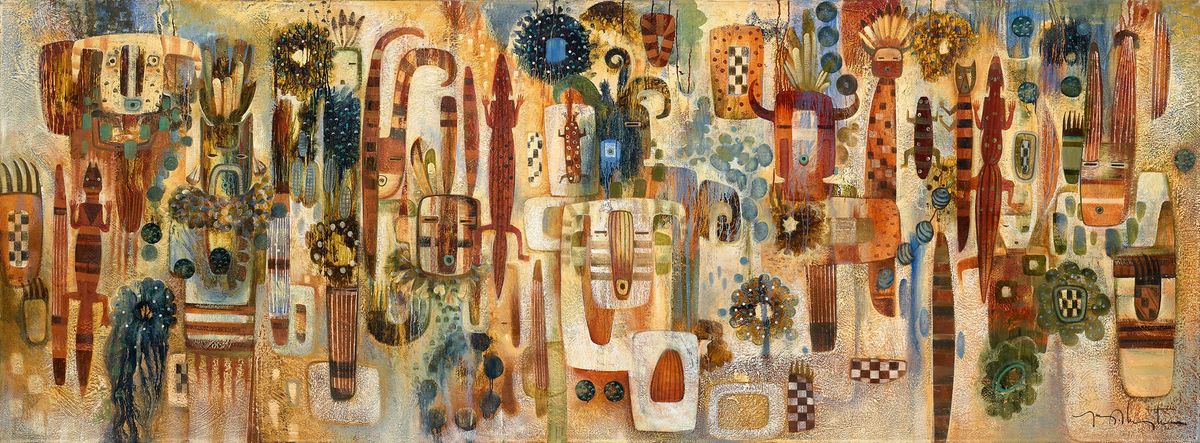
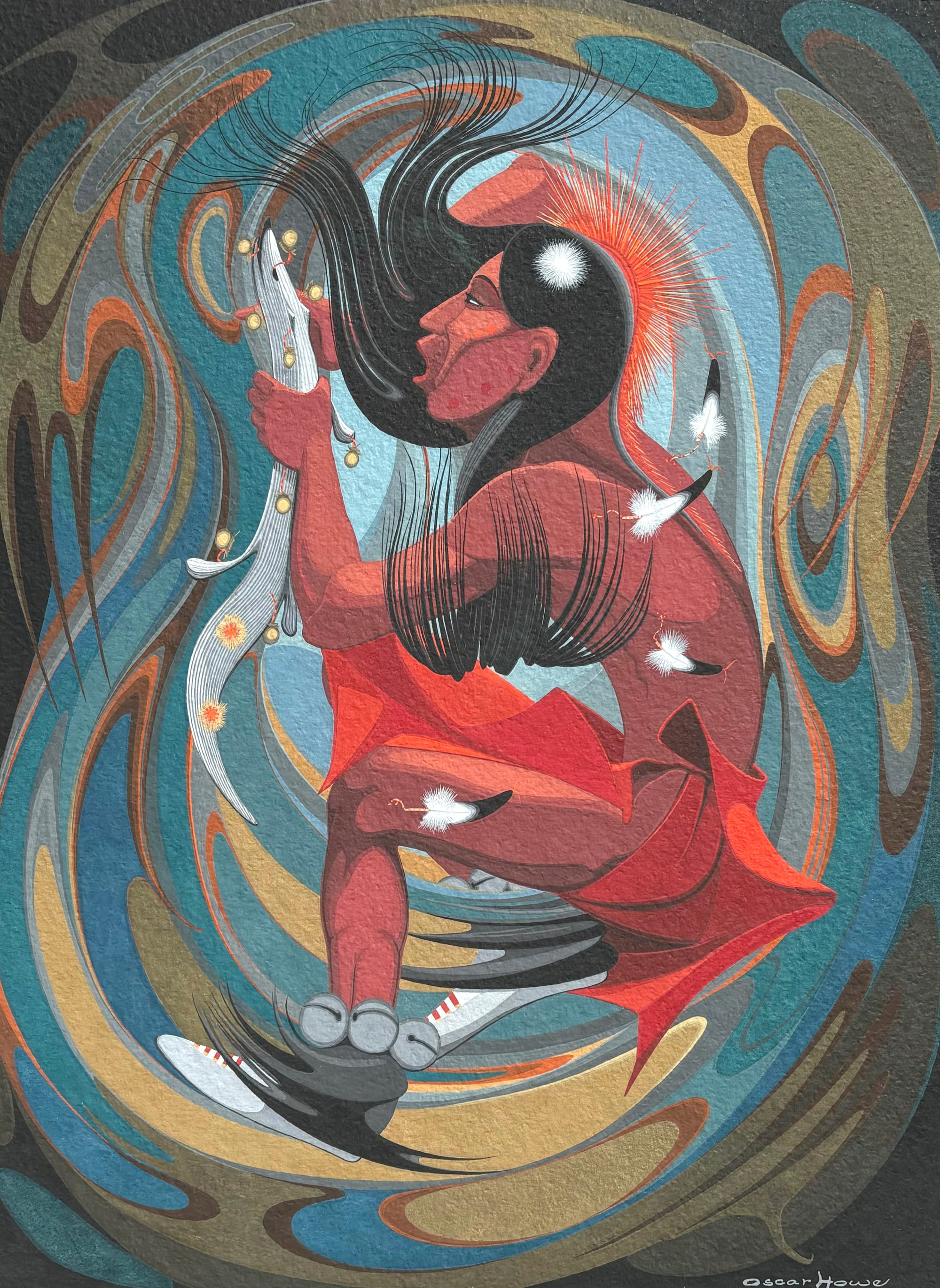
Phoenix Art Museum will soon showcase 100 works by Native American artists tracing creative resilience over the course of a century following its largest-ever gift of Native American art.
The trove of 185 artworks — including paintings by Jaune-Quick-to-See Smith (Confederated Salish and Kootenai), Tony Abeyta (Diné) and his father Narciso Abeyta (Diné), and T.C. Cannon (Kiowa and Caddo) — was promised by real estate developer and Western American art collector William Healey, the institution announced last week.
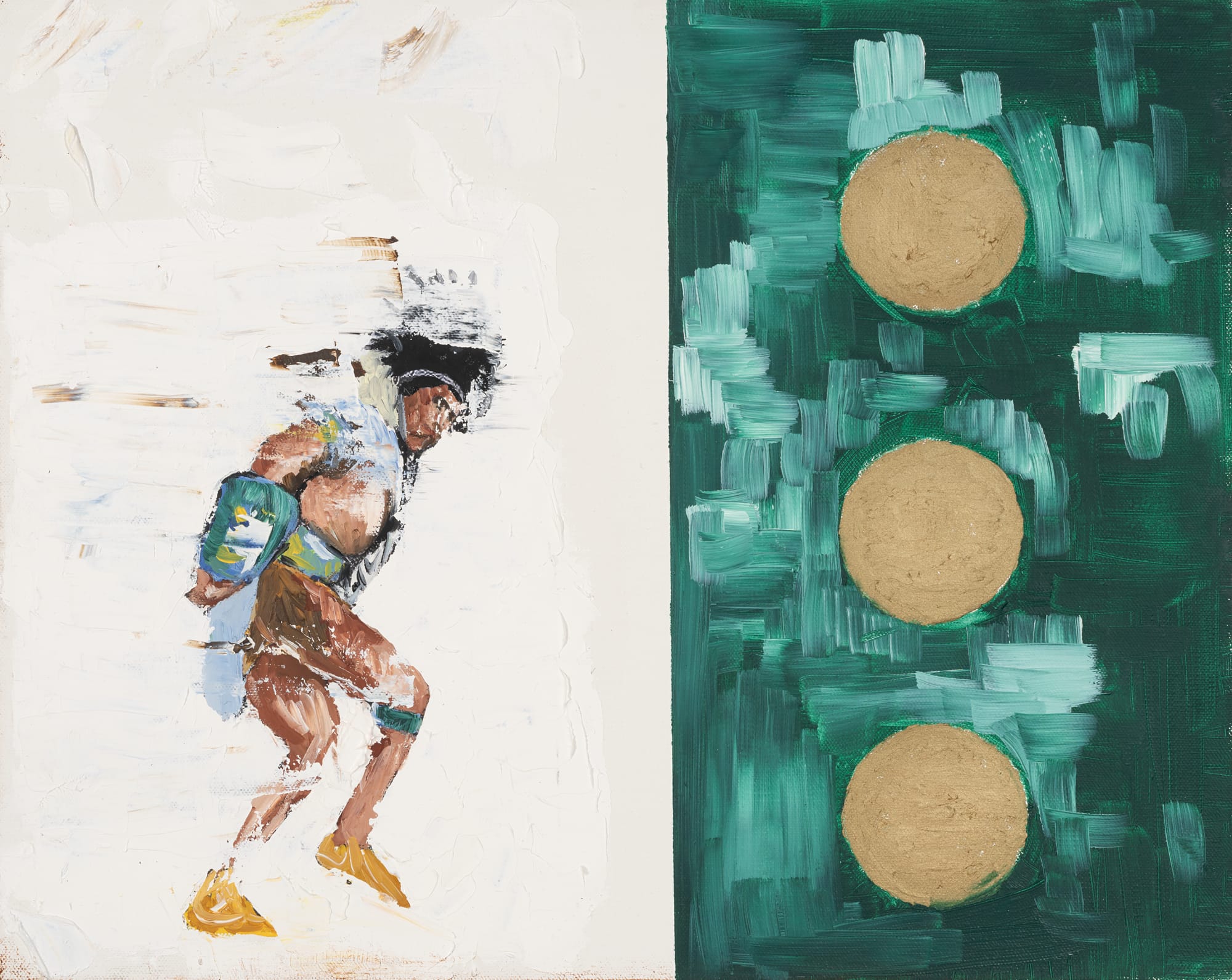
In August, the Phoenix museum will display a selection of those works in the exhibition The Way We Came: A Century of Indigenous Art The William P. Healey Collection at Phoenix Art Museum. Artist Tony Abeyta, a longtime friend of Healey who advised him as he formed his collection of Native American art, co-curated the forthcoming show with Phoenix Art Museum curator JoAnna Reyes.
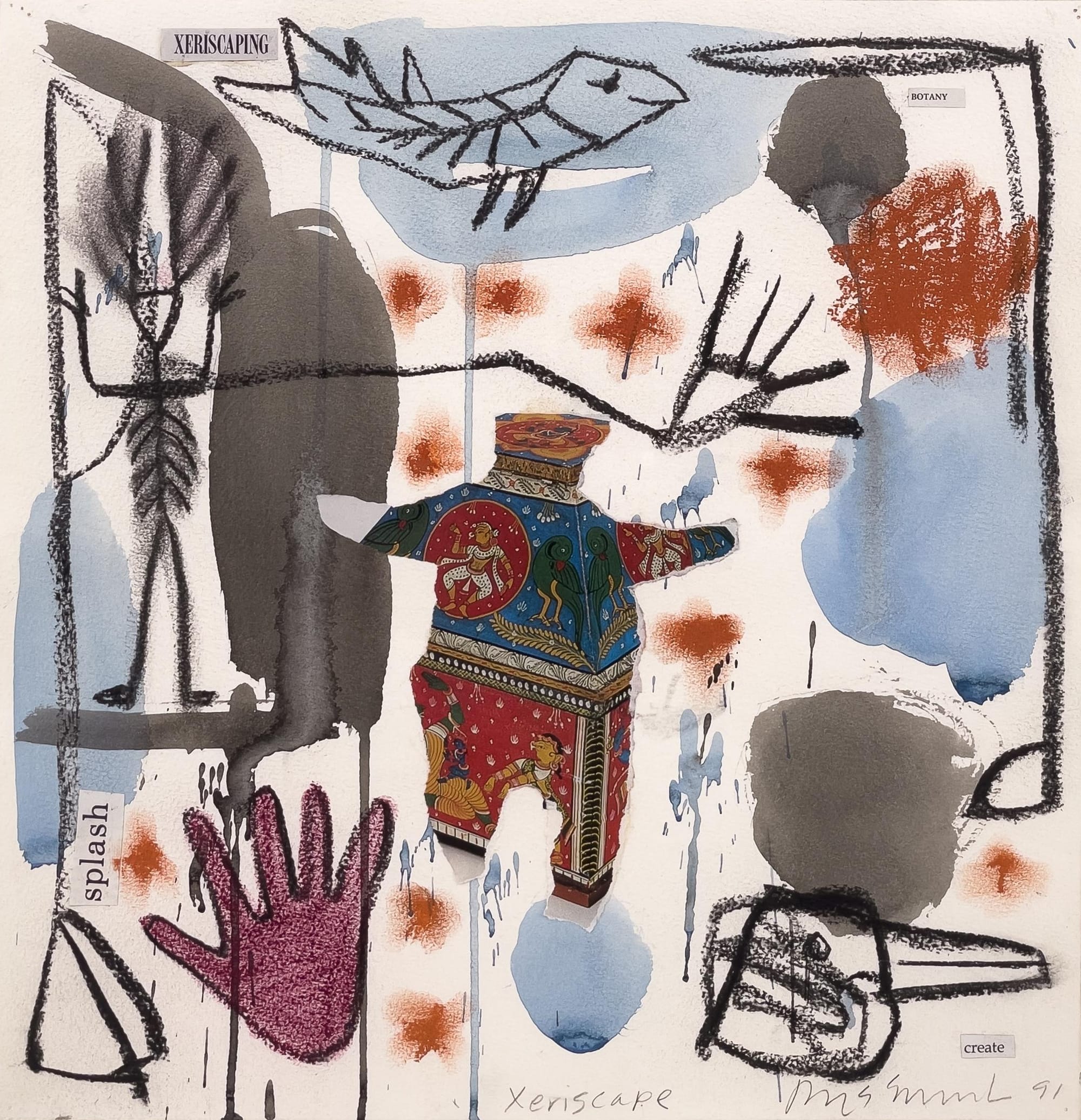
In an interview with Hyperallergic, Abeyta said he began consulting Healey when he expressed interest in amassing a collection that captured the “story of the American Indian from their perspective,” including the violent legacy of Native American forced-assimilation boarding schools. The final gifted collection represents 99 Native American artists and 44 tribes.
" I feel like it's important to understand that the art really has always been there to tell the story," Abeyta said. "It's not just the art that started in 1974 at the Institute of American Indian Arts, and it joined in the same conversations as contemporary mainstream art."
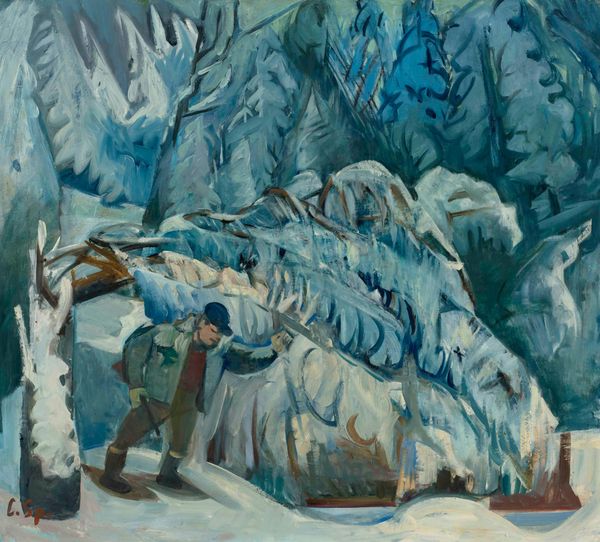
Abeyta's father, Narciso Abeyta, studied art under Dorothy Dunn at the Santa Fe Indian School before serving in World War II as a member of the elite Navajo Code Talkers. After returning from service, Narciso Abeyta quit painting for two decades before picking the brush up again, studying under the Transcendental Painting Group artist Raymond Jonson.
“The work changed dramatically,” Abeyta said of his father's post-war art practice. “It was much more expressive, it was more theatrical, it had impact.”
Healey's gift to the Phoenix Art Museum comes after he contributed 100 works of Native American studio art to the Saint Louis Art Museum in 2023.
Abeyta said he hopes that visitors to the collection “see that American Indian art has always been telling a vital American story” — one of “survivance,” a term popularized by Anishinaabe scholar Gerald Vizenor to describe the "survival" and “resistance” Native American communities embody.
"We changed, we adapted. We're always going to be moving and transitioning, whether that's due to technology, education, or interconnection between different tribes," Abeyta said. "The great story is really about 'survivance,' and immense individual creativity."