SVA Chair's Appalling Epstein Emails
David A. Ross resigns for his ties with the convicted pedophile, shows to see in LA this spring, the role of plastic in contemporary art, and our monthly opportunities listings.

"It is depressing to see how you are once again being dragged through the mud. I’m still proud to call you a friend.”
That's a line from a correspondence between David A. Ross, chair of the MFA art practice program at New York’s School of Visual Arts, and convicted pedophile Jeffrey Epstein.
It's just a snippet of a sickening chain of emails between the two men, revealed with the last release of Epstein files. The two also discussed the idea of an exhibition about "girls and boys ages 14–25, where they look nothing like their true ages." Epstein suggested titling it "Statutory." Ross sounded thrilled.
The good news is that Ross resigned yesterday from his post at SVA, after pressure from students and alumni. I don't think he'll be missed. Get all the details below.
—Hakim Bishara, editor-in-chief
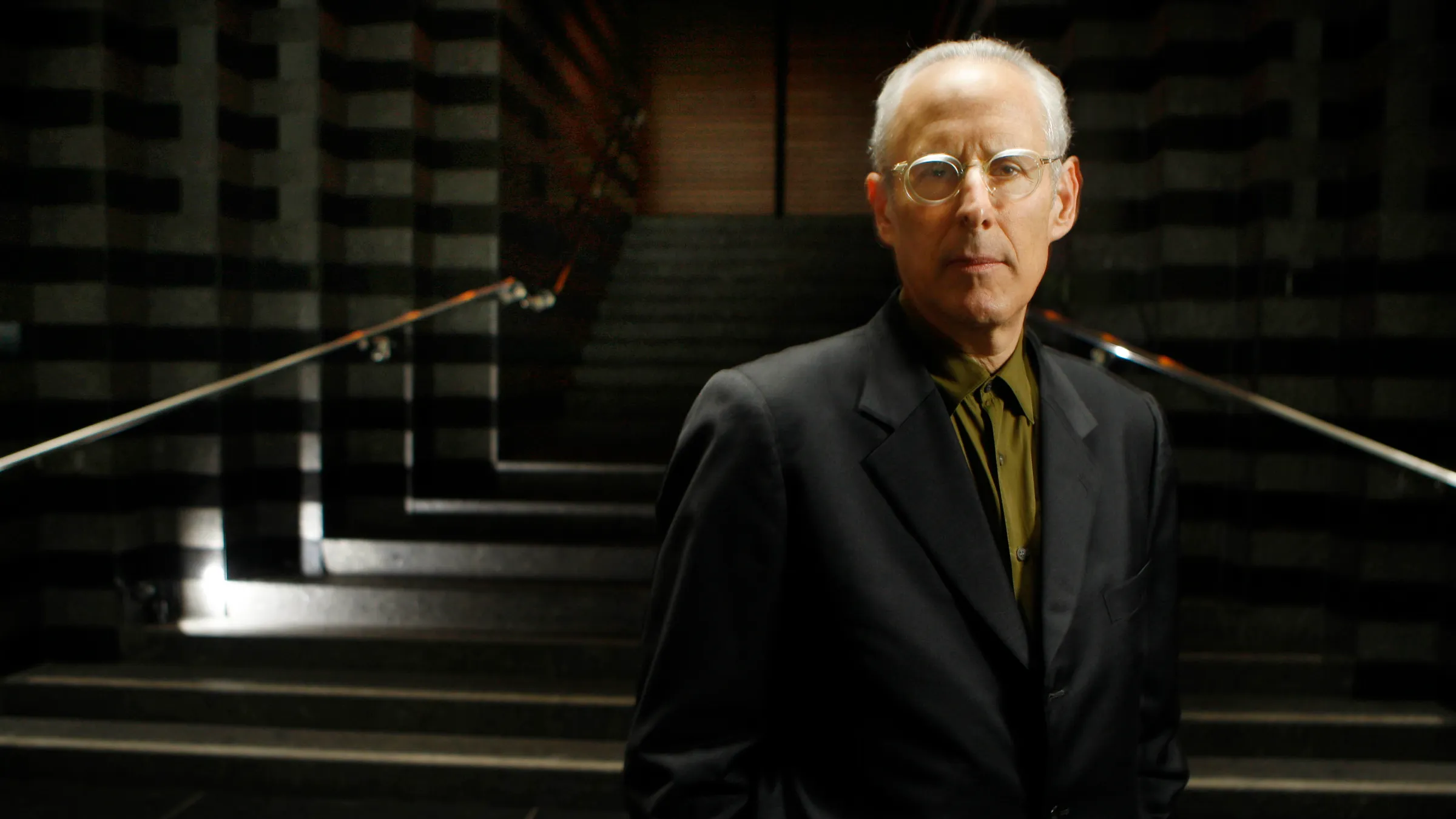
David A. Ross Resigns From School of Visual Arts After Epstein Revelations
David A. Ross, chair of the School of Visual Arts (SVA) MFA Art Practice Department for 17 years and former director of the Whitney Museum of American Art, has resigned from his post following the Department of Justice's release of his extensive email exchanges with convicted sex offender Jeffrey Epstein. In July 2009, when Epstein was released from prison, Ross told him in an email that "it was an undeserved punishment."
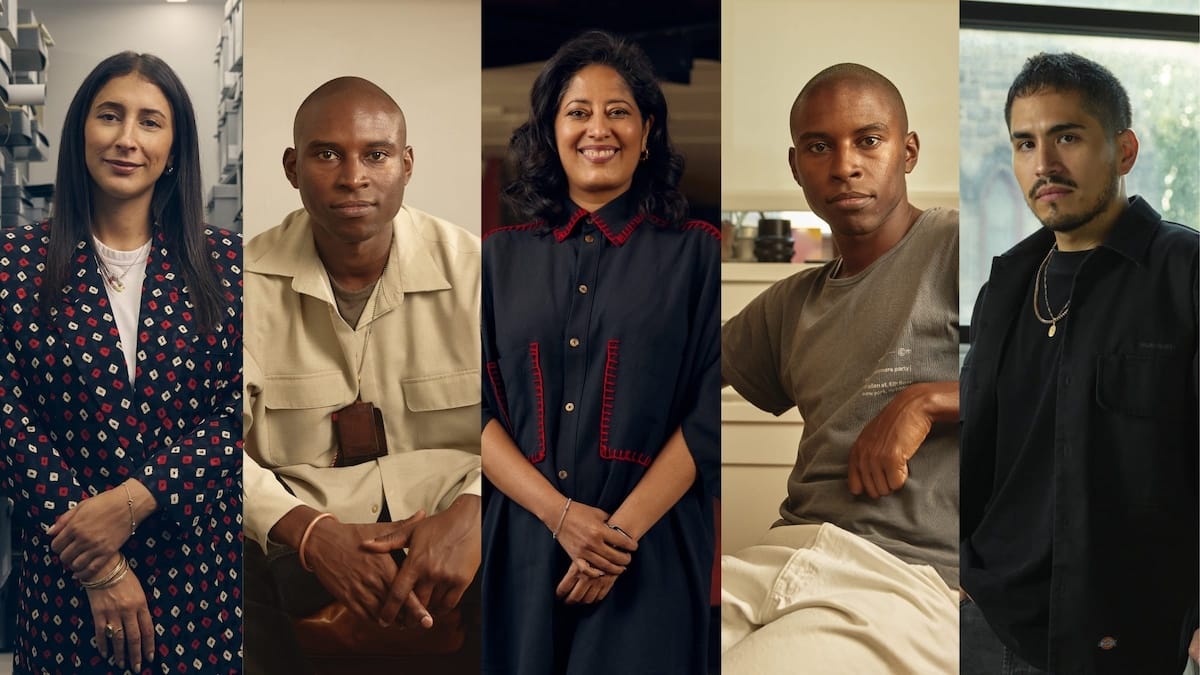
Vilcek Foundation Awards Five Immigrants $250,000 for Fashion Documentation
Tanya Meléndez-Escalante, Diego Bendezu, Jalan and Jibril Durimel, and Natalie Nudell received the 2026 Vilcek Prizes in Fashion & Culture for their contributions to fashion representation.
Remembering a Community Stalwart
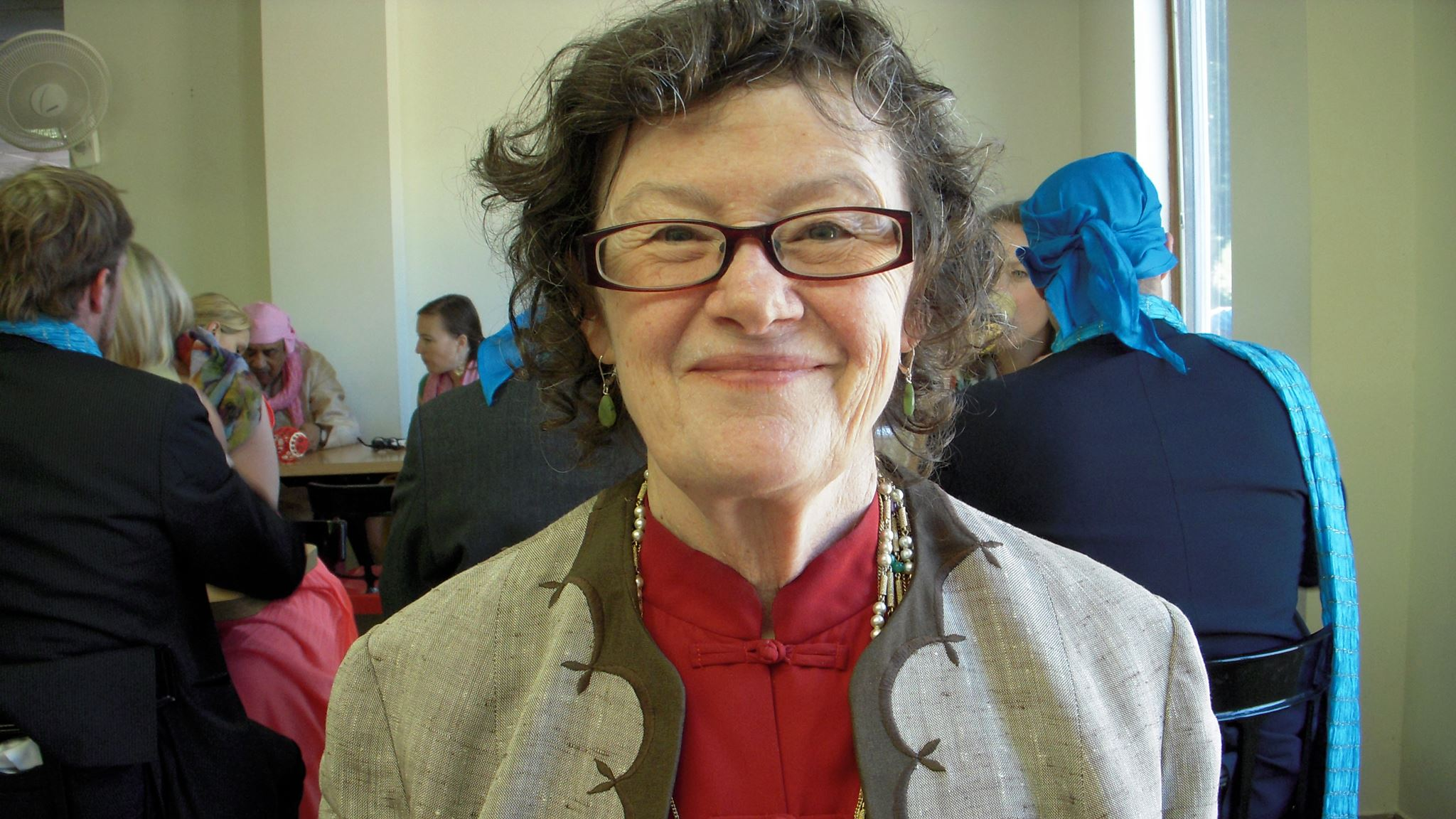
- The Philadelphia art community mourns the death of Roberta Fallon, a beloved artist and co-founder of the digital publication Artblog. She was 76. “Roberta remained optimistic. She saw an art world that was better than the real one, and she gave us an alternative history,” Art writer Annette Monnier told Hyperallergic.
From Our Critics
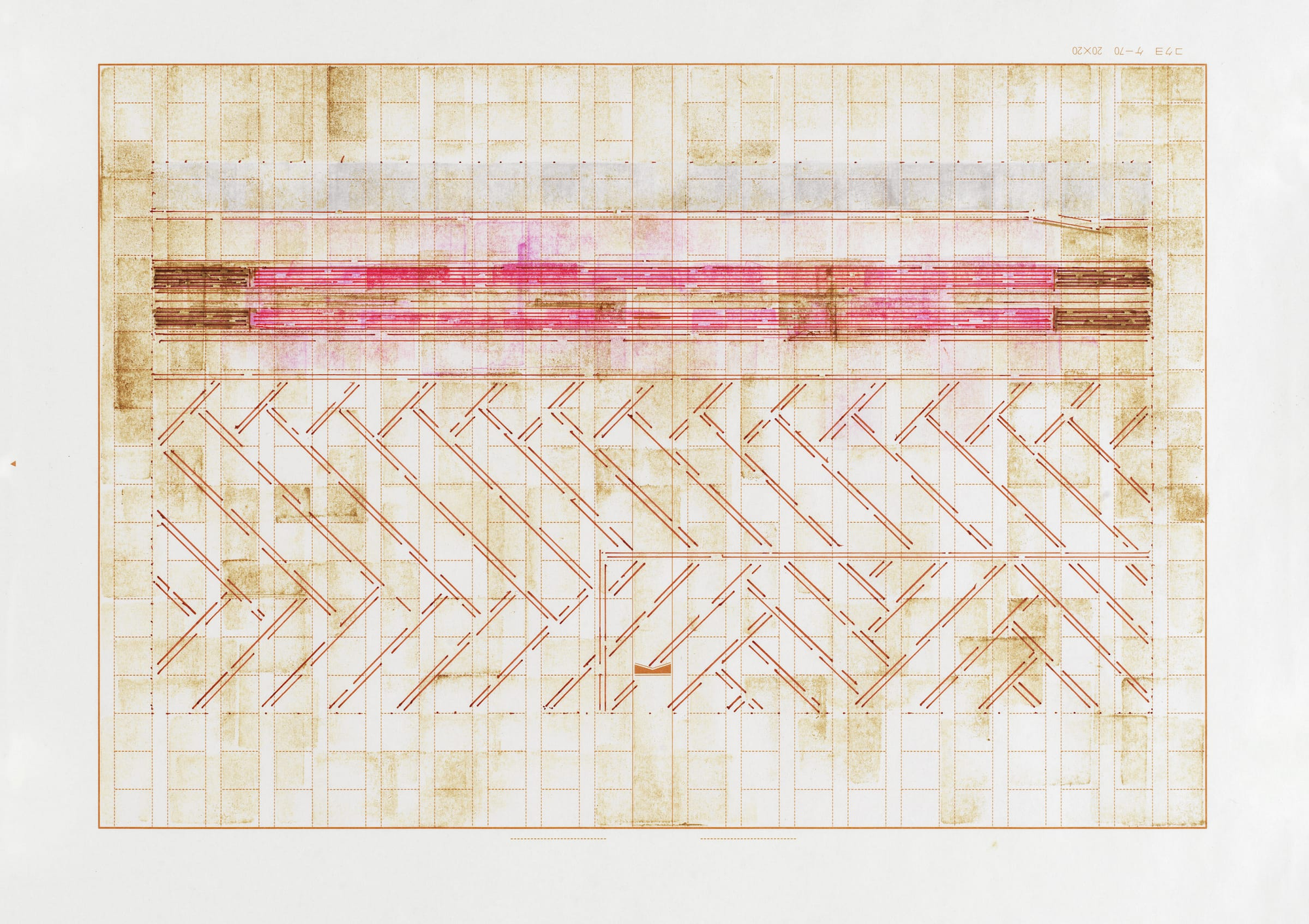
Mystery Is Embedded in Julia Fish’s Architectural Art
The artist transforms the act of looking into an intricate modality that visualizes the interplay of geometry and architecture, prismatic light and musical notes. | John Yau
Where Would Contemporary Art Be Without Plastic?
A new anthology on plastics in art reveals the philosophical conundrums and contradictions at the heart of a material the world relies on. | Louis Bury
Art Guide
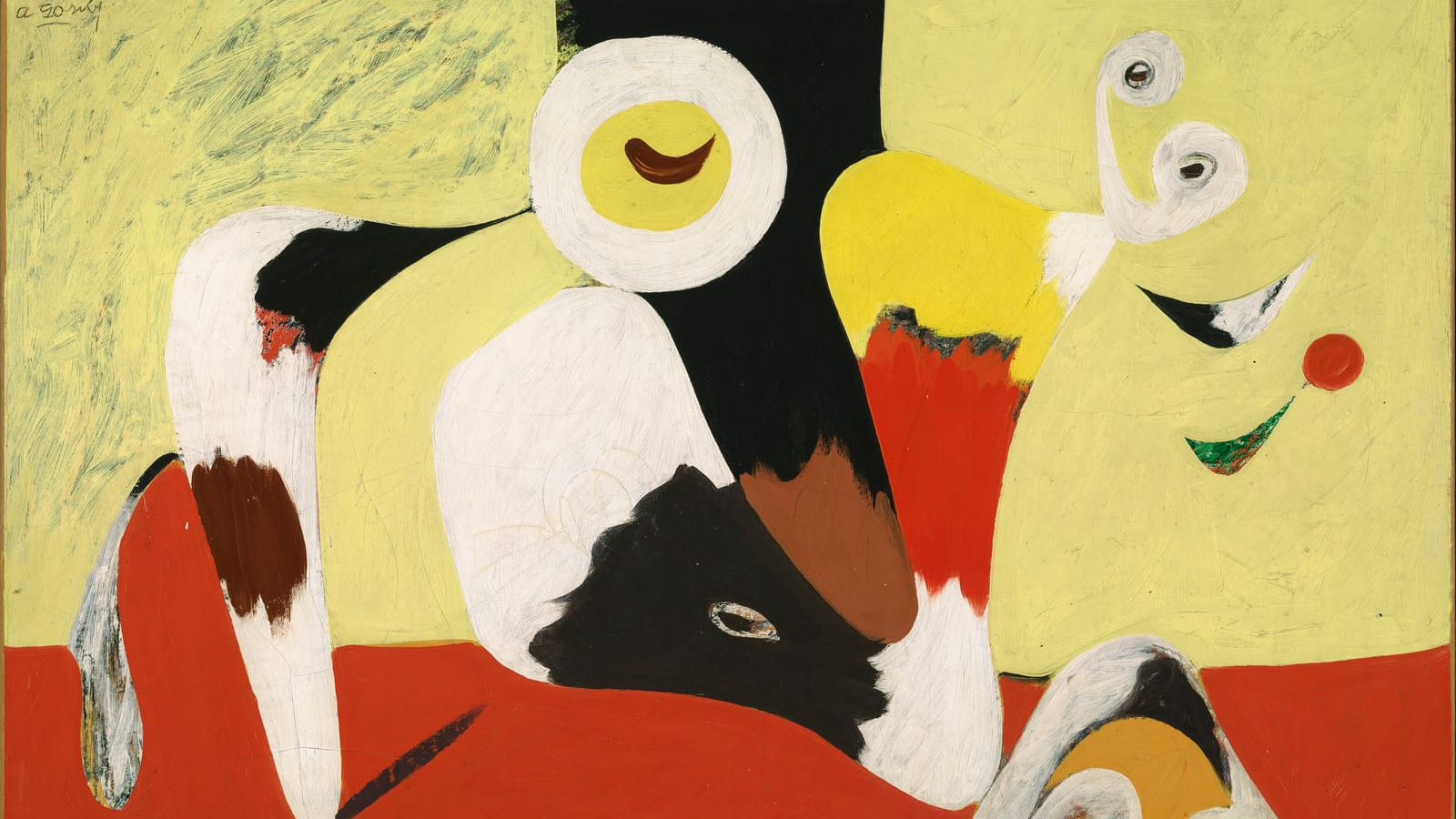
15 Art Shows to See in Los Angeles This Spring
It may not feel like it right now on the East Coast, but spring is just around the corner. This season, LA institutions are planning retrospectives on iconic local artists and group shows that explore the link between material, spirituality, and community. Among those are shows mining Arshile Gorky’s road trip with Isamu Noguchi, Steve Arnold’s queer baroque aesthetics, Chicano photography, photography in the Black Arts Movement, and more.
Opportunities This Month

Residencies, fellowships, grants, open calls, and jobs from the Helen Frankenthaler Foundation, the Rubin Museum, and more in our February 2026 list of opportunities for artists, writers, and art workers.
From the Archive

The Gestural Feminism of Iranian Women
The student who stripped her clothes to protest the country’s oppressive dress code fits into an evolving movement of body-based feminist activism. | Pamela Karimi