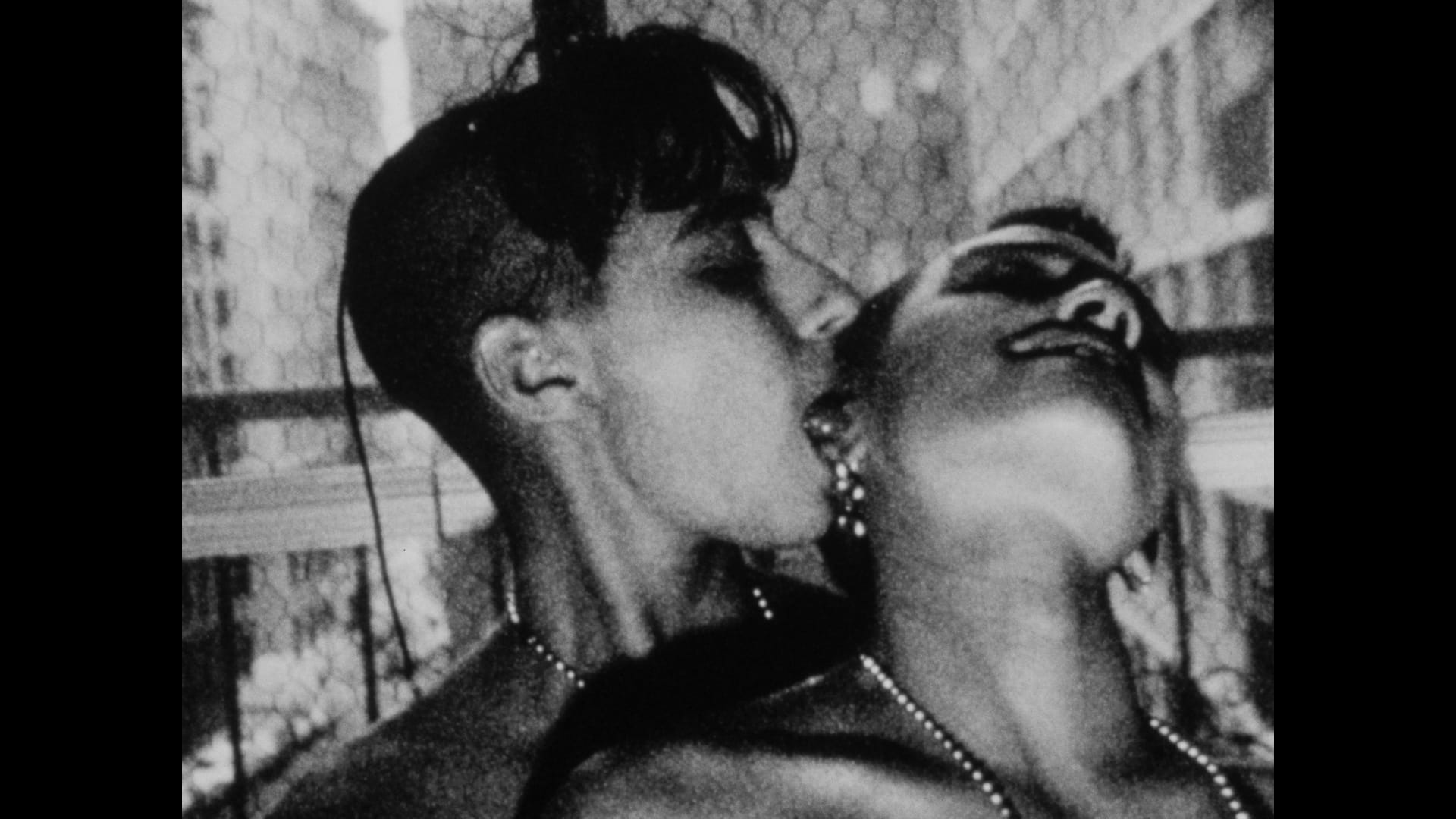
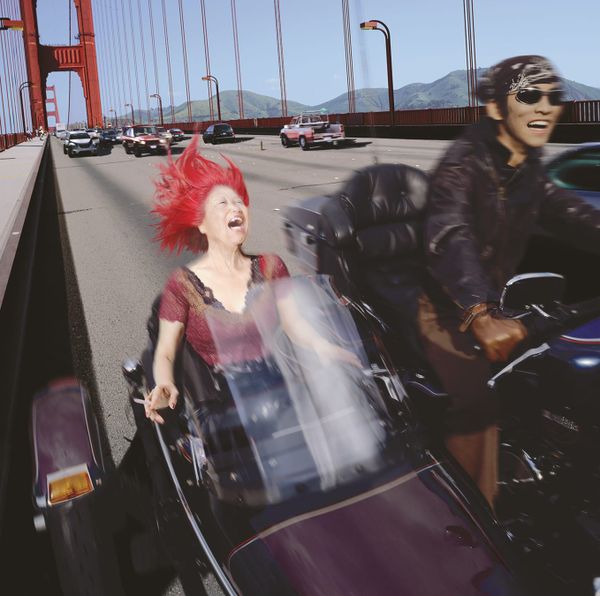
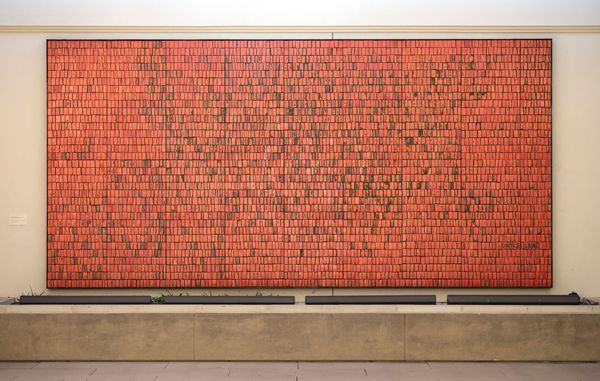
The Rough-and-Ready Brilliance of Barbara Hammer’s “Nitrate Kisses”
Newly restored in 4K, the film feels prescient as groups are once again being scapegoated for public health crises and financial instability.

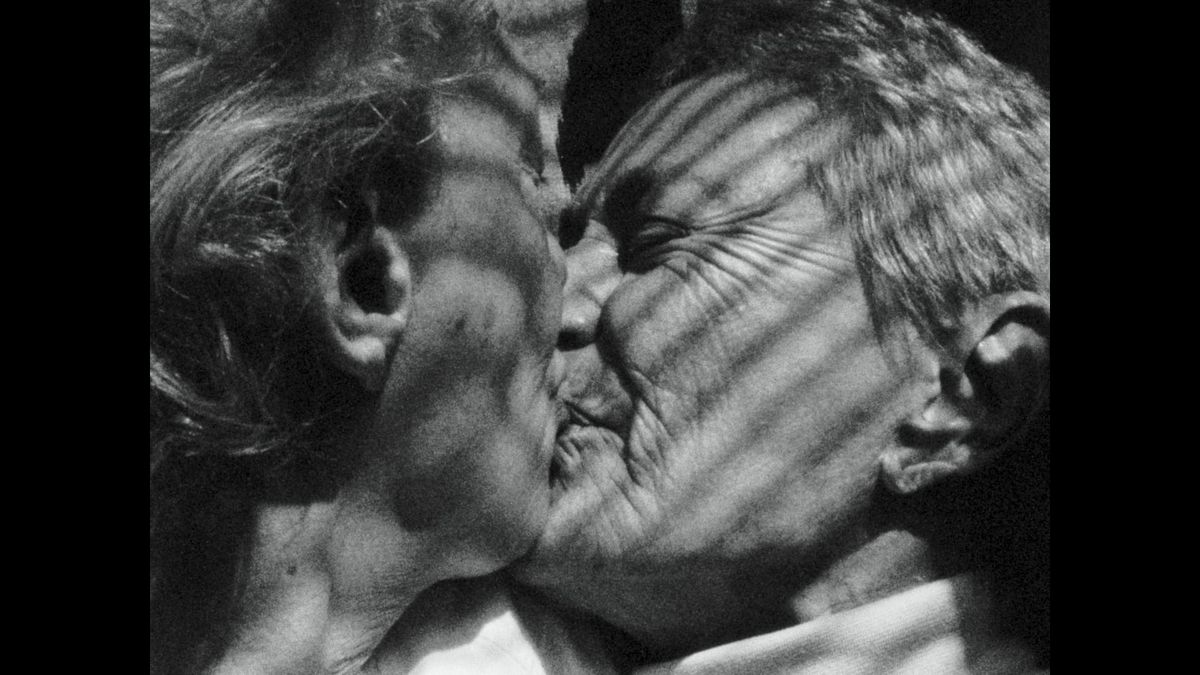
The late feminist director Barbara Hammer's films are not always easy to digest, with their syncopated cuts, layered edits, and general refusal of linear narratives. And yet, her playful and persistent curiosity — along with her insistence on foregrounding what she witnessed and experienced of lesbian sexuality, life, and history, beginning at a time when few other out lesbians were making films — has ensured her place in the cinematic record.
And so it is no surprise that in addition to being at the center of the excellent new documentary directed by Brydie O'Connor, Barbara Forever (2026), Hammer's extensive work and archive continue to be restored and preserved. You can catch the latest of these efforts at this year's New York Film Festival, where a new 4K restoration of her first feature, Nitrate Kisses (1992), will premiere this Saturday, October 3, running through next Wednesday, October 7.
Nitrate Kisses is very much a film of its time. 1992 was still early in the ongoing AIDS pandemic, with large swaths of the population, particularly LGBTQ+ people, reeling from losses. The drugs that would dramatically improve life for many with HIV were still a couple of years away from approval. 1992 was also early in a troublingly familiar United States culture war, in which undue stigma, vitriol, and violence were aimed at groups for both the public health crisis and increasing financial instability caused by widespread deregulation and gutting of worker protections. As with our contemporary culture wars, such fearmongering was both a spectacle meant to distract people from the root causes of inequity and also the enactment of real harm and violence. This showed up in the arts in a variety of ways, including right-wing fervor over works such as Andrés Serrano's “Piss Christ” (1987) and Robert Mapplethorpe's photographs depicting gay male sexuality, attempts to force artists and arts organizations to sign "anti-obscenity oaths" when accepting National Endowment for the Arts (NEA) funding, as well as the defunding of the NEA Four.