
Thieves Steal Over $4.5M in Jewelry From French Museum
The morning raid at the Musée Lalique comes less than a year after the infamous heist at the Louvre.

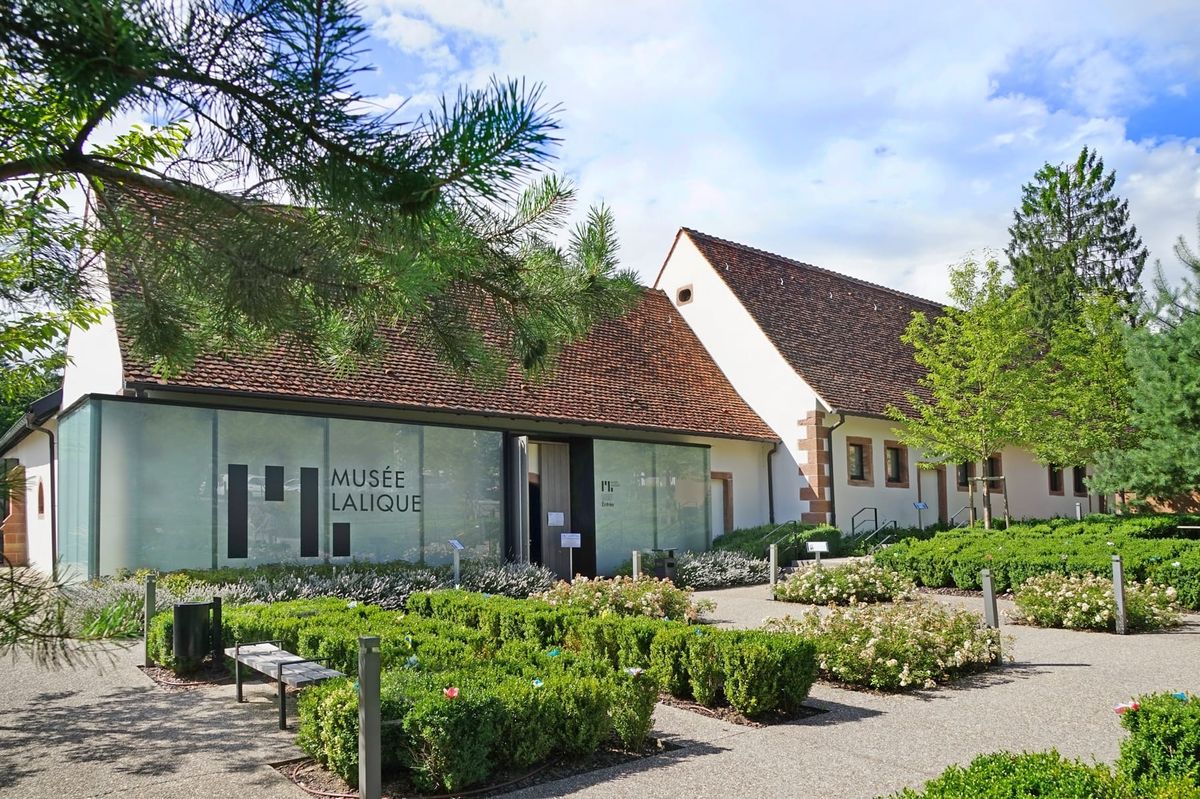
Another day, another brazen museum heist in France. French media outlets reported a jewel heist took place early on Sunday morning, July 5, at a museum in the Bas-Rhin region devoted to glassware designer René Lalique. The band of thieves smashed several display cases on the gallery floors and made off with 27 pieces of fine jewelry worth approximately €4 million ~($4.5 million).
The museum did not immediately respond to Hyperallergic's inquiries. The institution will remain closed to the public for the next several days in light of the ongoing criminal investigation.
Per Le Monde, the burglary at Musée Lalique began at around 5:30am and lasted only a few minutes, echoing the eight-minute raid of the nation's crown jewels from the Louvre last October. Though they remain at large, the Art Nouveau and Art Deco glass fineries lifted from the museum are said to be crafted from crystal, gold, and semi-precious stones, and cannot be melted down because of their intricacies.
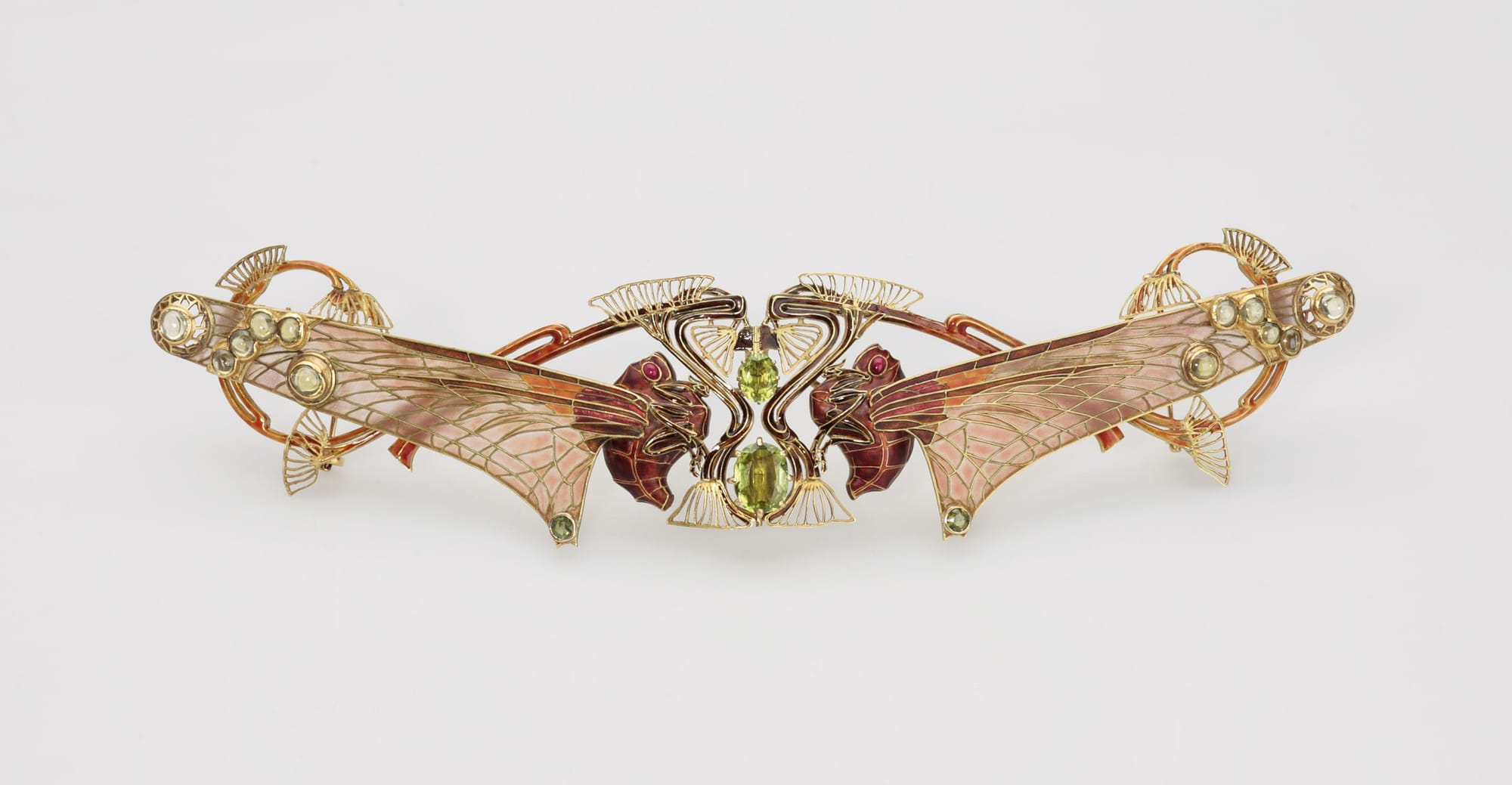
Lalique, who trained as a jeweler and freelanced as a designer for Cartier and Boucheron in the late 19th century, made a name for his own brand by pivoting to molded glassware, which he experimented with alongside ivory, enamel, and semi-precious stones to create finely detailed wearables and decorative sculptures inspired by the natural world. The namesake museum, which opened in 2011 and houses over 650 of the designer's works, is based in the Wingen-sur-Moder commune, where Lalique and several other glassmakers opened production facilities from the 18th through the 20th century.
“These are unique pieces that he created while working in jewelry in Paris, pieces that are unsellable,” said Christian Dorschner, the mayor of Wingen-sur-Moder and vice-president of the museum, in a statement to the press.
Dorschner expressed his ire at the private, remote security company hired to protect the museum as well. He stated that while the alarm system had been properly triggered and the CCTV system was working correctly at the time, “there was a major failure on the security's part: they didn't intervene right away, they didn't inform the gendarmes [civilian police].”
Hyperallergic has reached out to the Bas-Rhin police sector for comment.
While the nation remains on edge, the Musée Lalique is not the only institution targeted by burglars since the astonishing heist at the Louvre. In Langres, a small museum devoted to 19th-century philosopher and art critic Denis Diderot reported that several gold and silver coins had been stolen from the premises within a day of the high-profile theft in Paris.

_(28603884331).jpg)