Rare Photographs of the US Civil Rights Struggle Beyond the South
A new book by Mark Speltz brings together over 100 rarely or never-before-published photographs from the Civil Rights era that show its grassroots actions beyond the South.

To create North of Dixie: Civil Rights Photography Beyond the South, historian and author Mark Speltz delved into American newspaper morgues and institutional archives to retrieve over 100 rarely published or unseen photographs documenting grassroots Civil Rights actions above and west of the Mason–Dixon line.

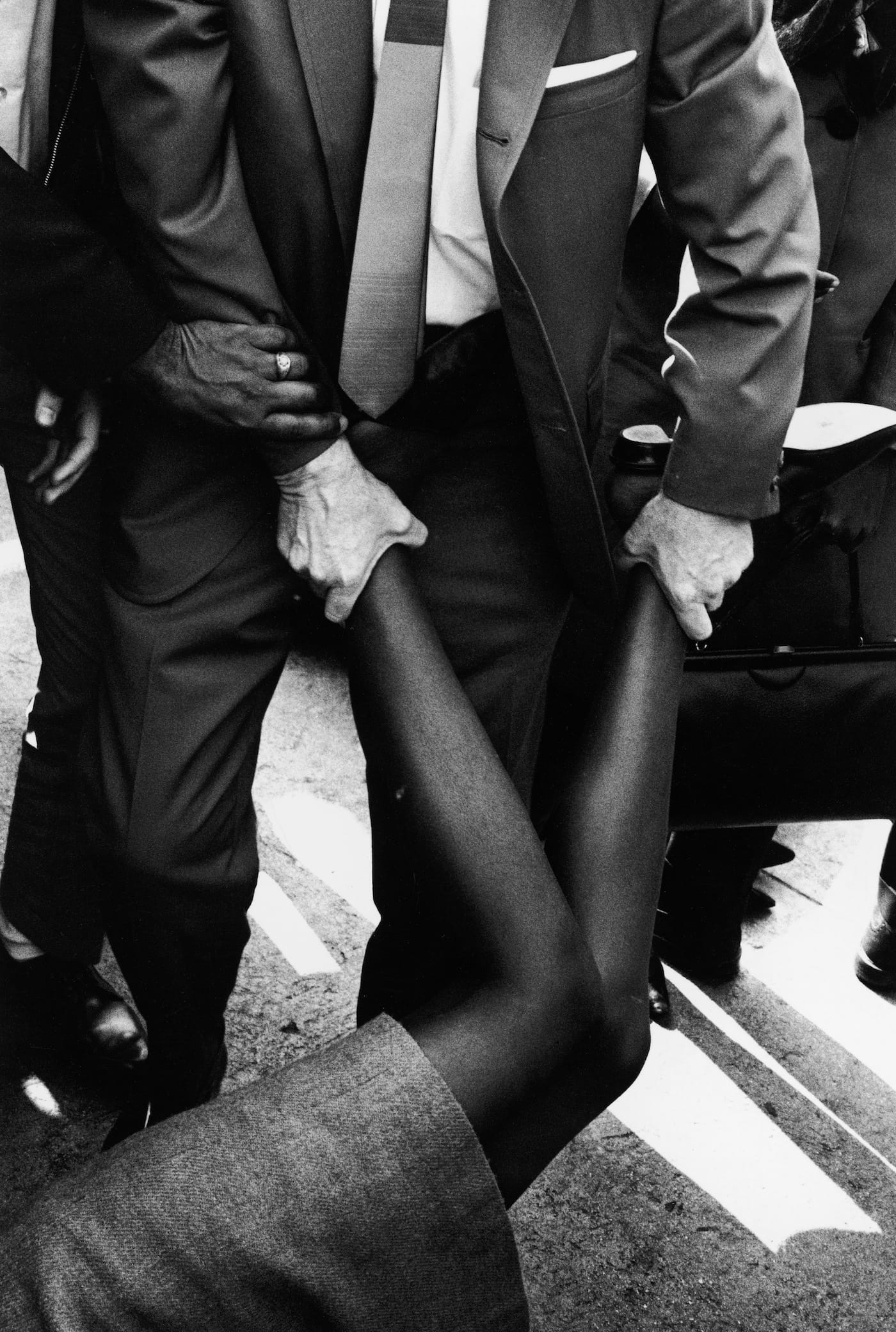
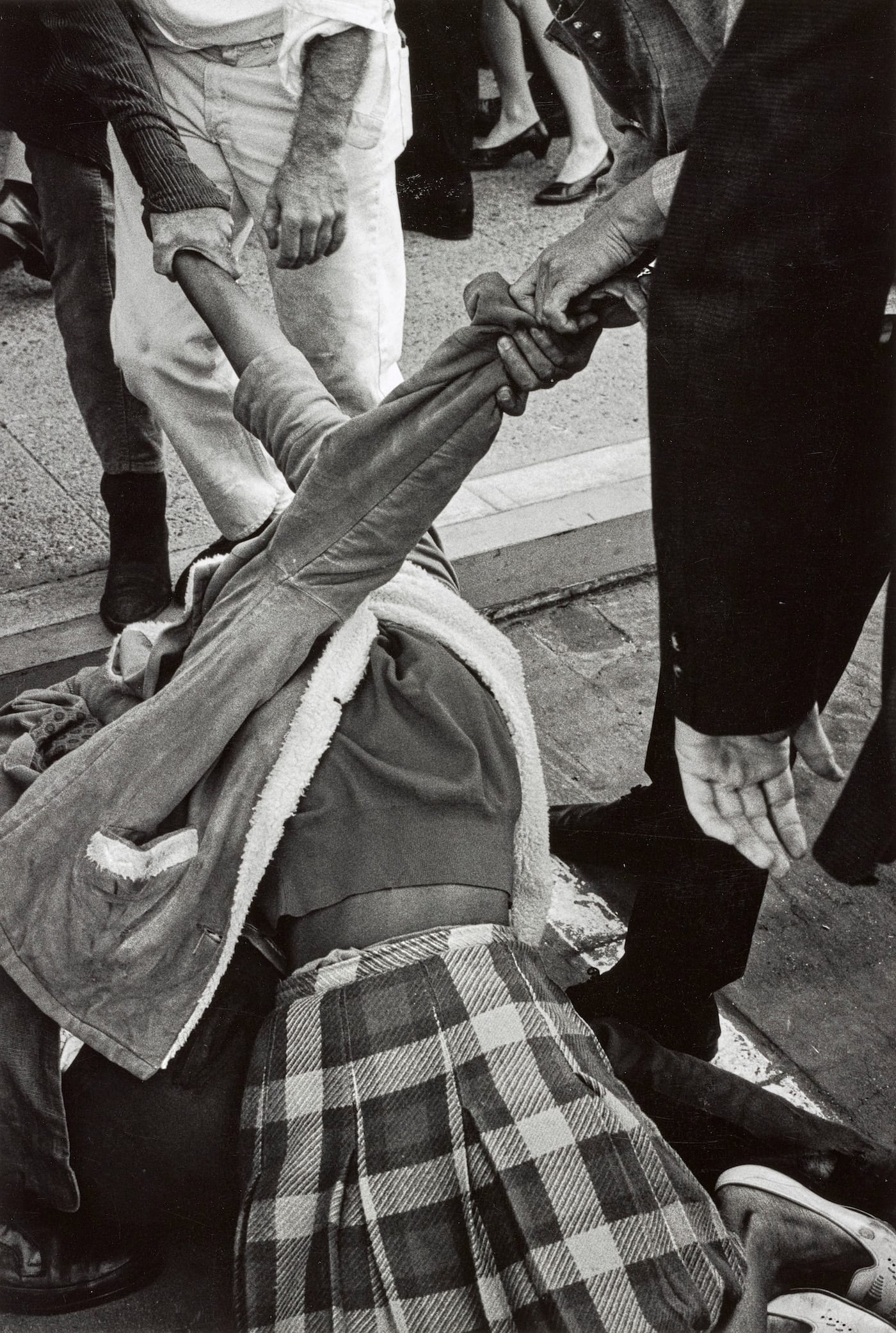
Rather than the familiar images of brutality in Selma from March of 1965, Speltz found Charles Brittin’s dramatic photographs of a protest reacting to that violence in Los Angeles, where a tight focus shows black women being violently removed by white hands from the demonstration. And to contextualize the countrywide battle against segregation, beyond the famous 1957 integration of Central High School in Little Rock, Arkansas, he included Julian C. Wilson’s 1964 shot of activists sprawled in the dirt of a building site, the huge construction shovel looming over them, as they attempt to halt a new school that would support segregation in Cleveland. Each of these broadens our collective memory of Civil Rights activism.
“America’s need to reckon with its past knows no boundaries; racial injustice, growing out of the nation’s history of slavery, has been a widespread problem from the beginning, and this book offers visual evidence of its magnitude and persistence,” writes Speltz in North of Dixie. “The intent in compiling these images has been to inspire new conversations about the black freedom struggle that remains manifestly relevant today, more than a half century after passage of the landmark civil rights legislation that was intended to address and perhaps alleviate the nation’s racial issues.”
The book was published in November by the J. Paul Getty Museum’s Getty Publications. Although Speltz spends time in its pages connecting these demonstrations to contemporary movements like Black Lives Matter, it also feels incredibly relevant in reflecting on the white nationalist support for President-elect Donald Trump.
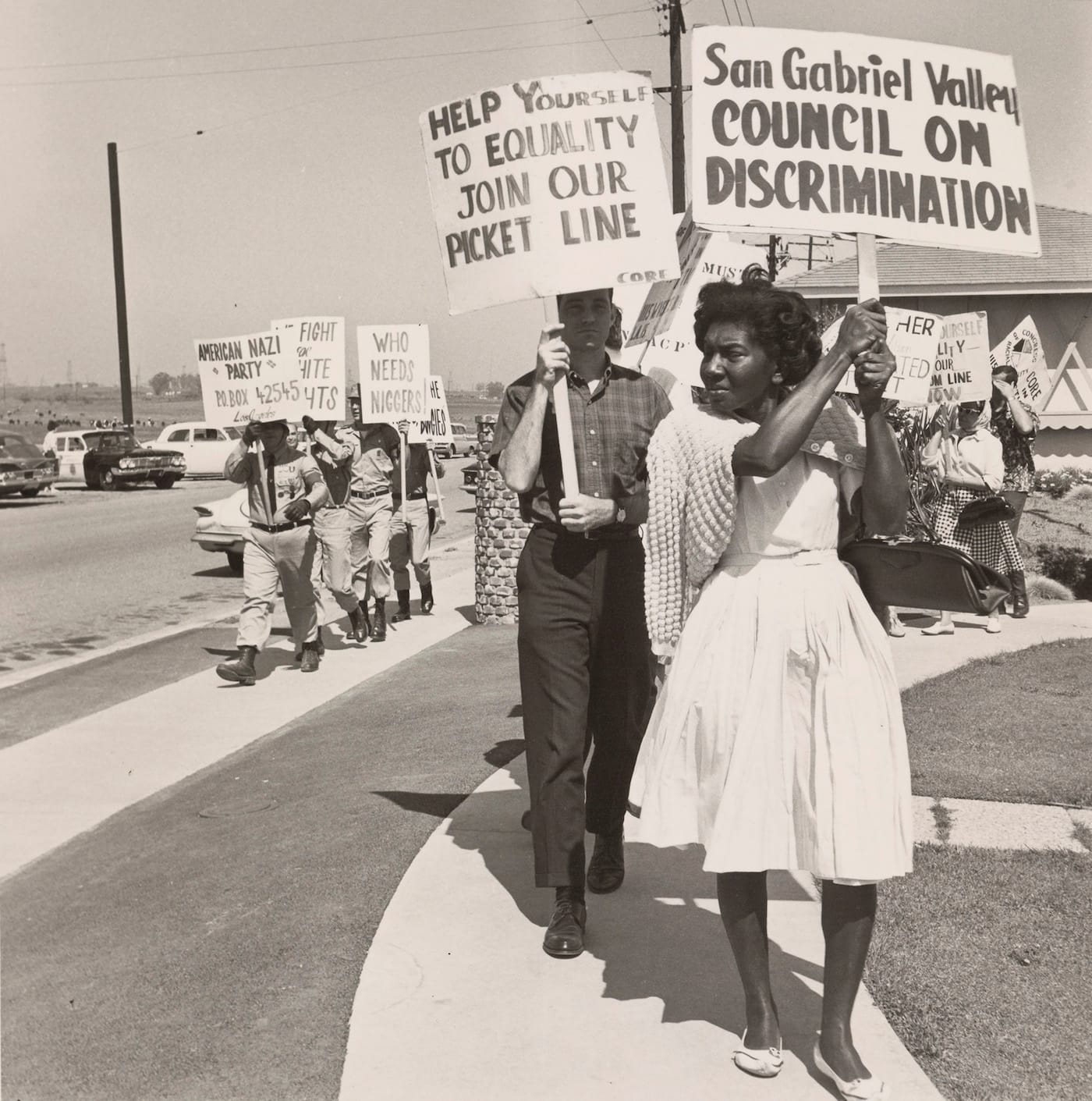
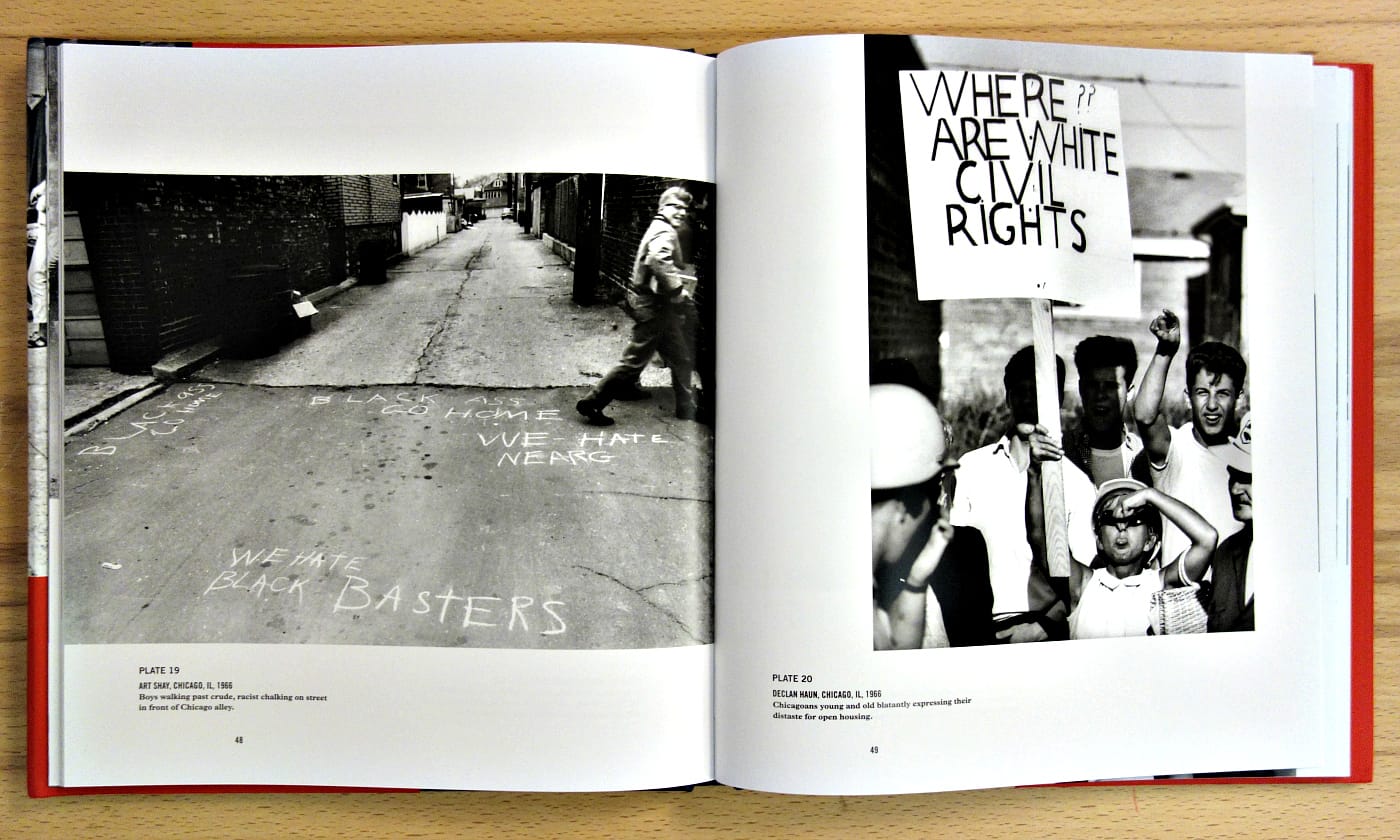
The rise in hate crimes across the country, based on FBI statistics, particularly those targeting Muslims, underlines that bigotry still seethes through the United States. In one of North of Dixie’s more haunting photographs (shown at the top of this post), a line of activists are picketing for housing equality near Los Angeles in 1963, and, just to the left, are members of the American Nazi Party marching up with their own signs blaring racist epithets.
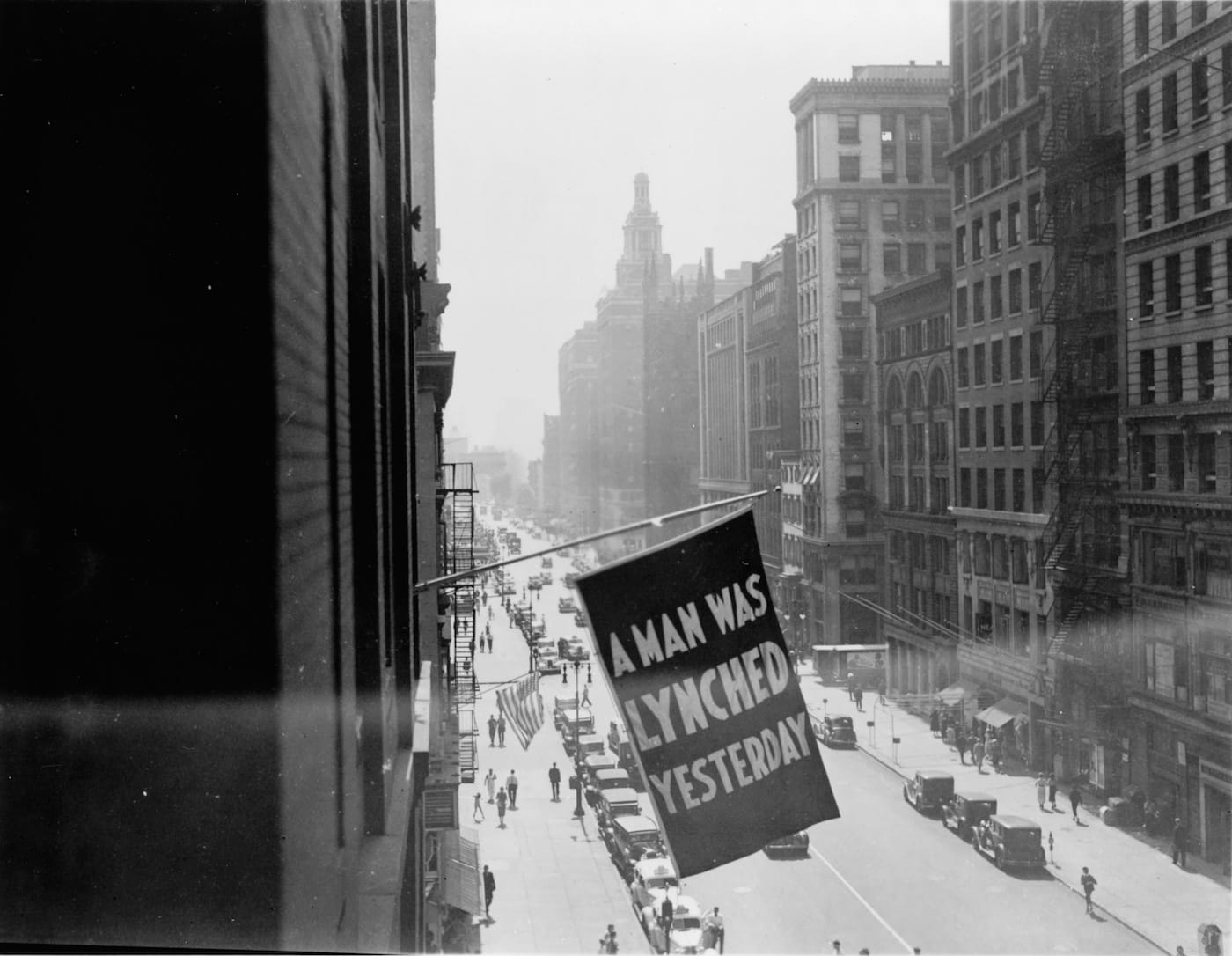
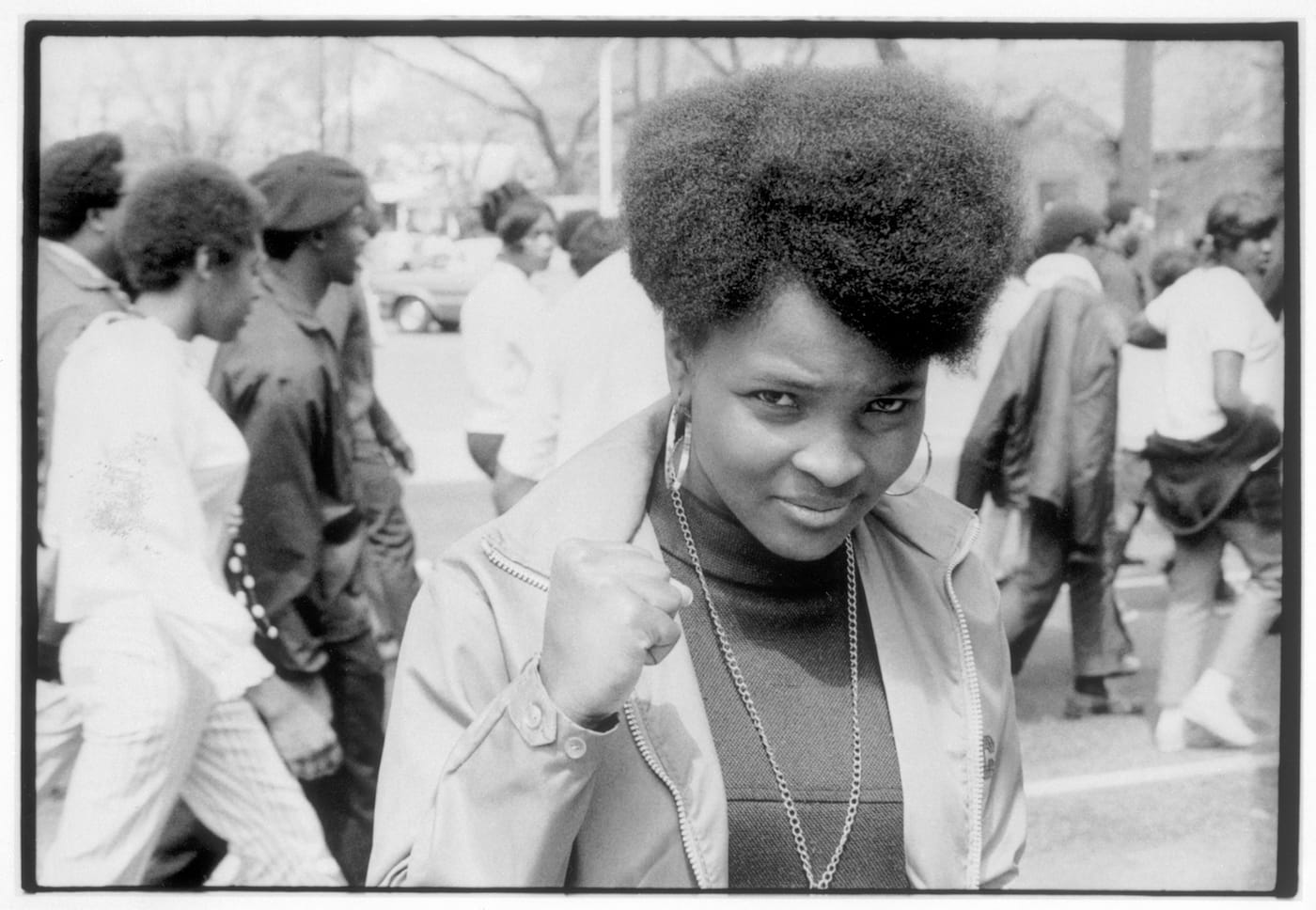
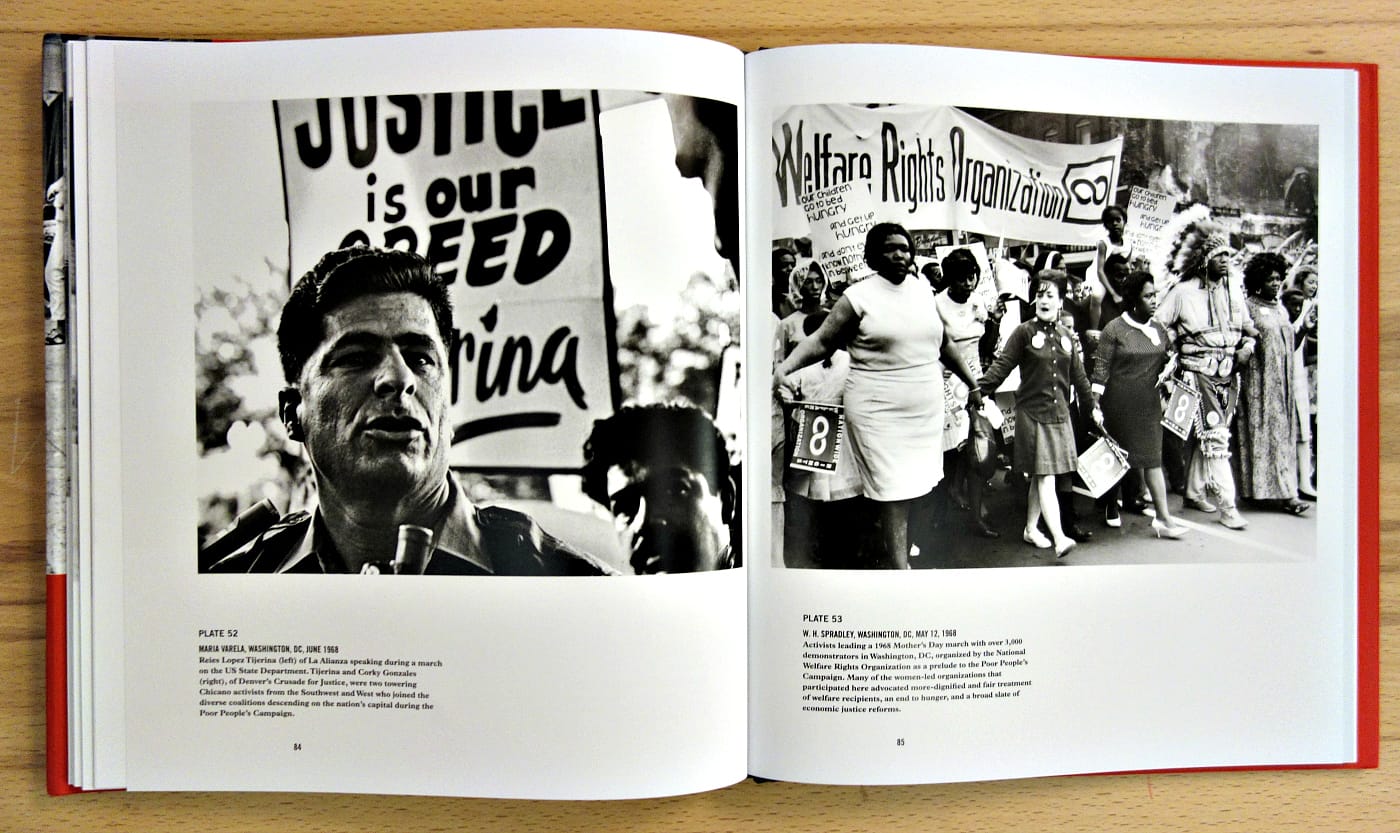
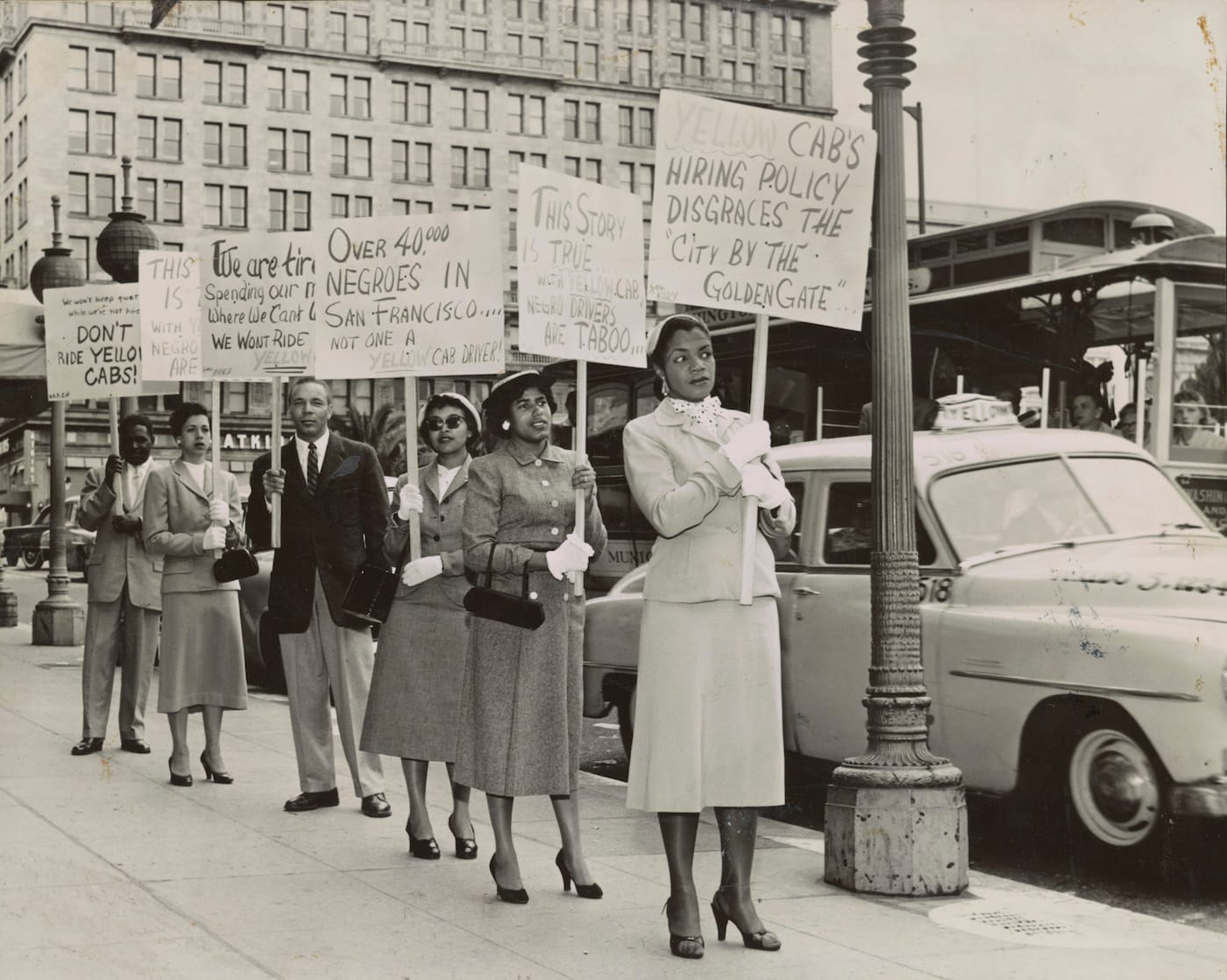
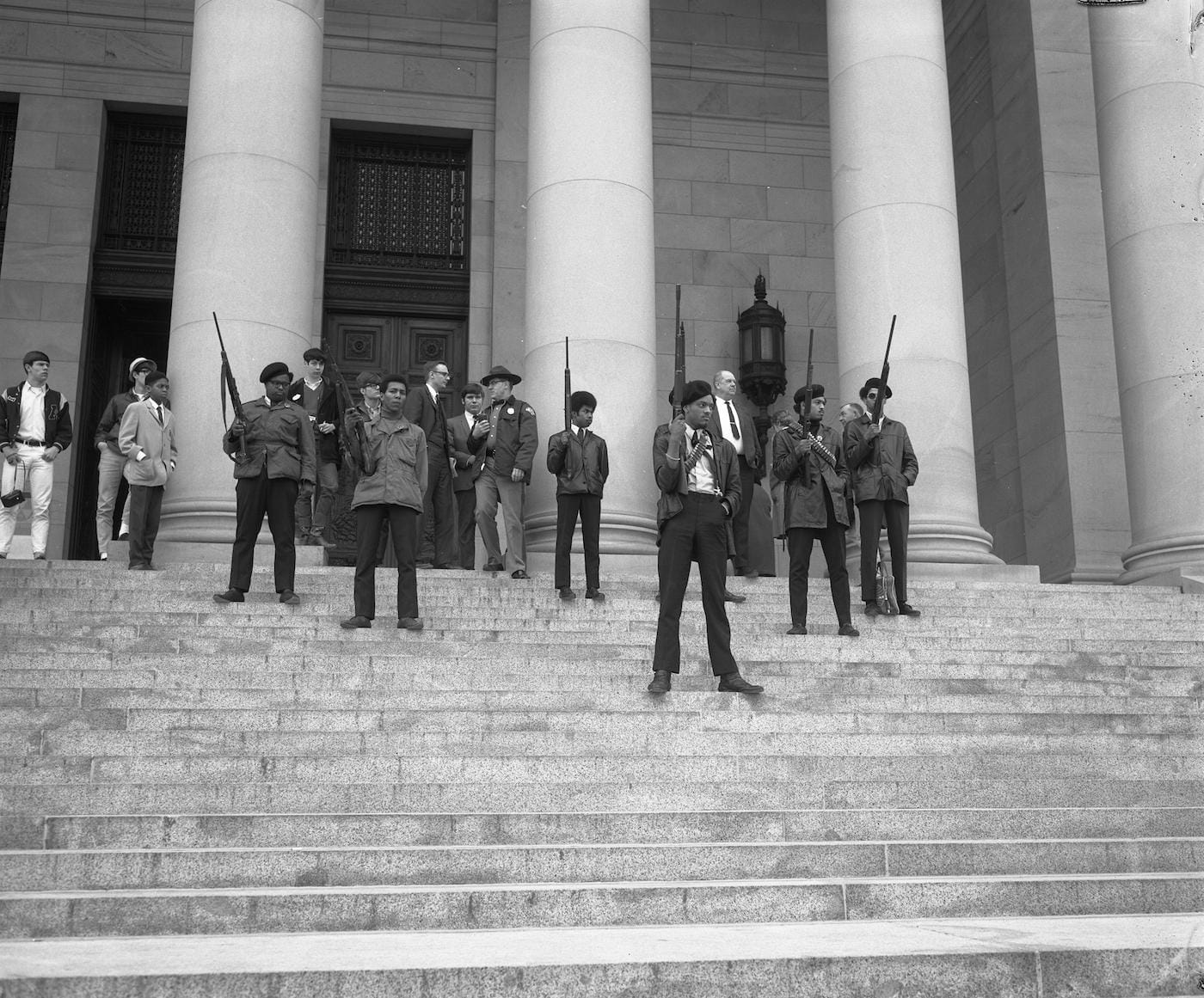
“The less-familiar photographs on these pages offer a perspective on the hard-fought, continuing battle for racial justice that has been neither simple nor linear but, rather, composed of a complex, interrelated set of issues and campaigns,” Speltz writes. “By widening our scope to see beyond the well-documented 1955–65 efforts and the most charismatic civil rights leaders, these photographs reveal how ordinary citizens and dedicated activists vigorously fought for racial equity in all its forms from the 1930s into the 1970s.”
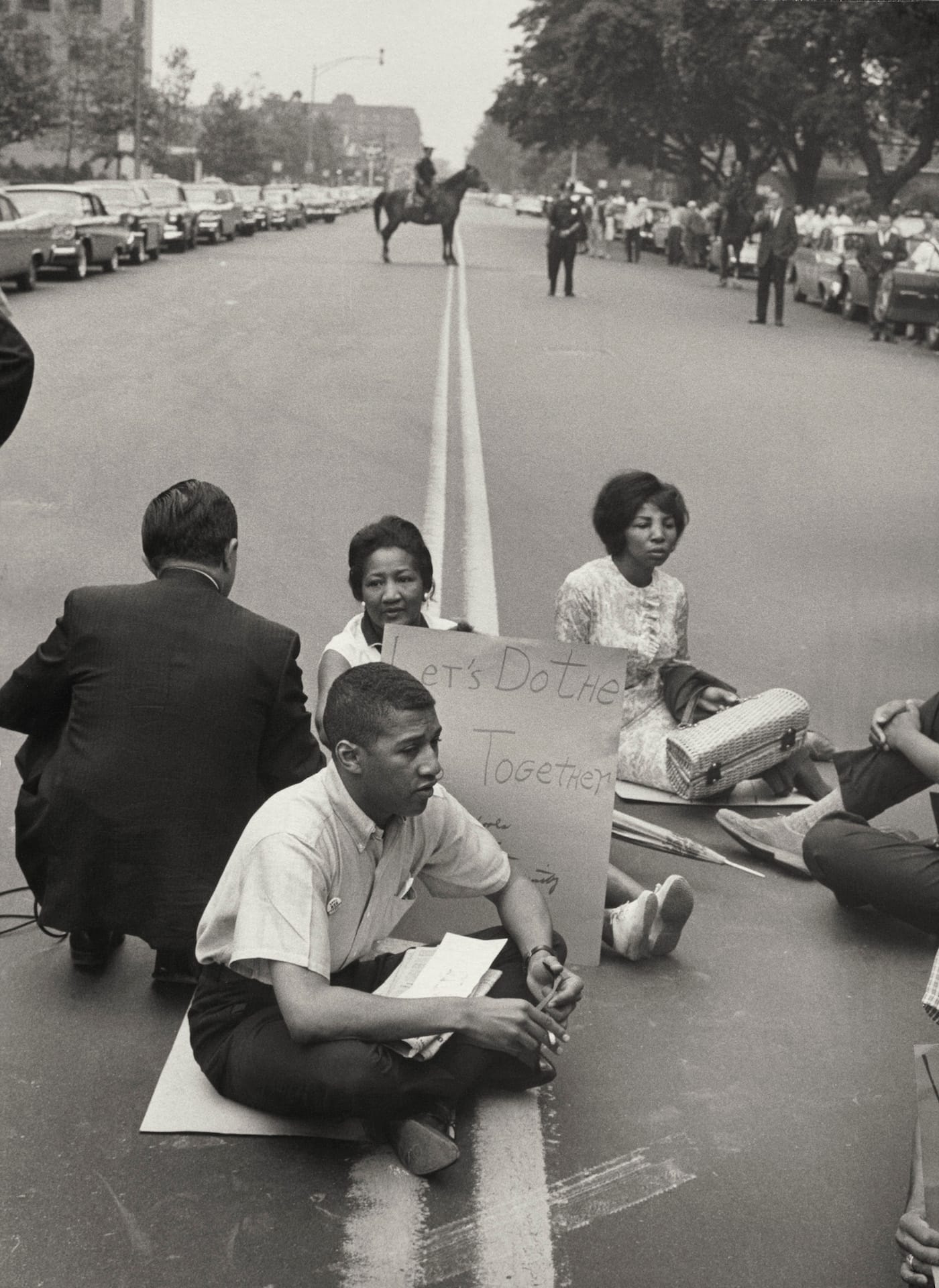
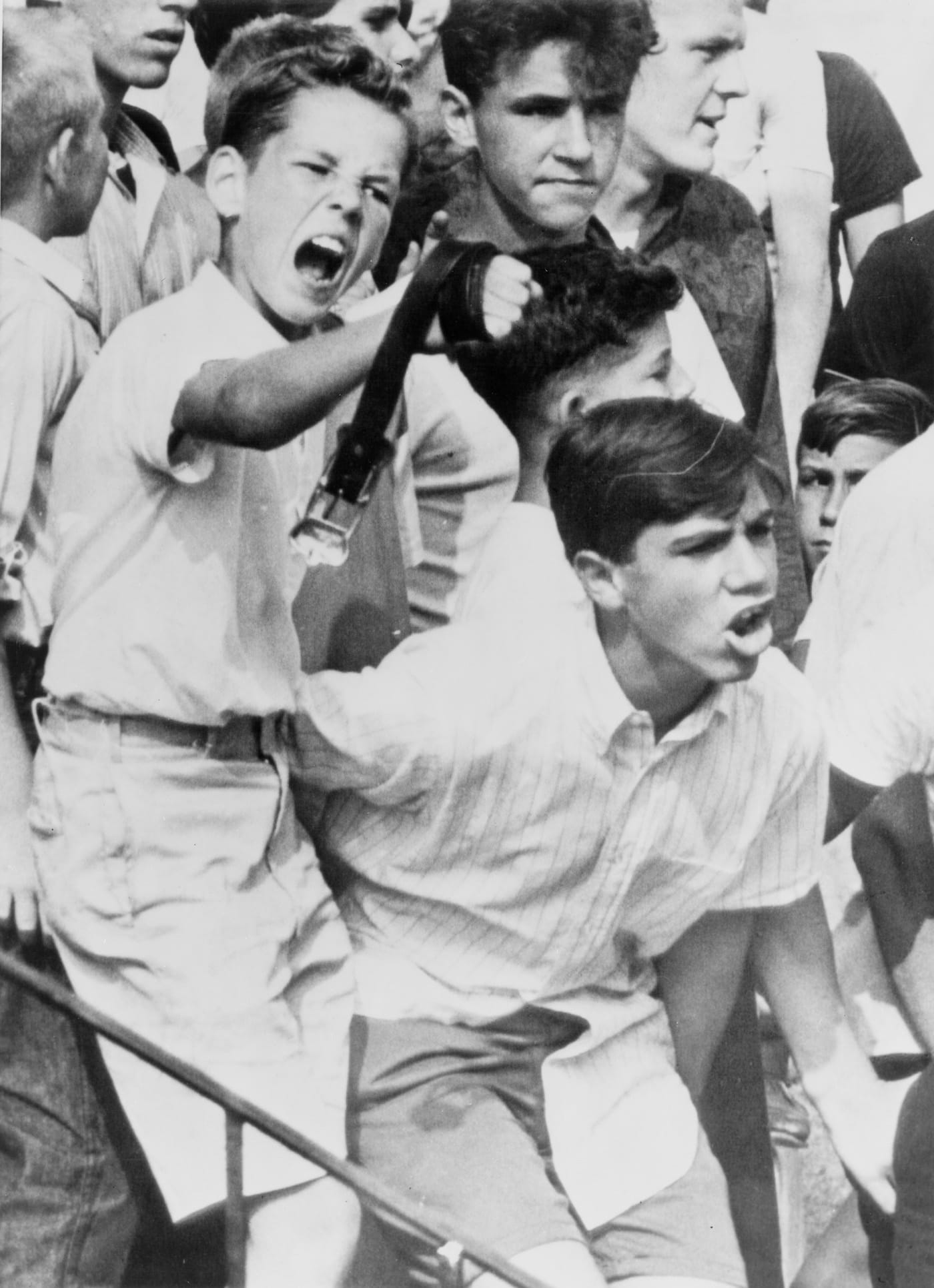
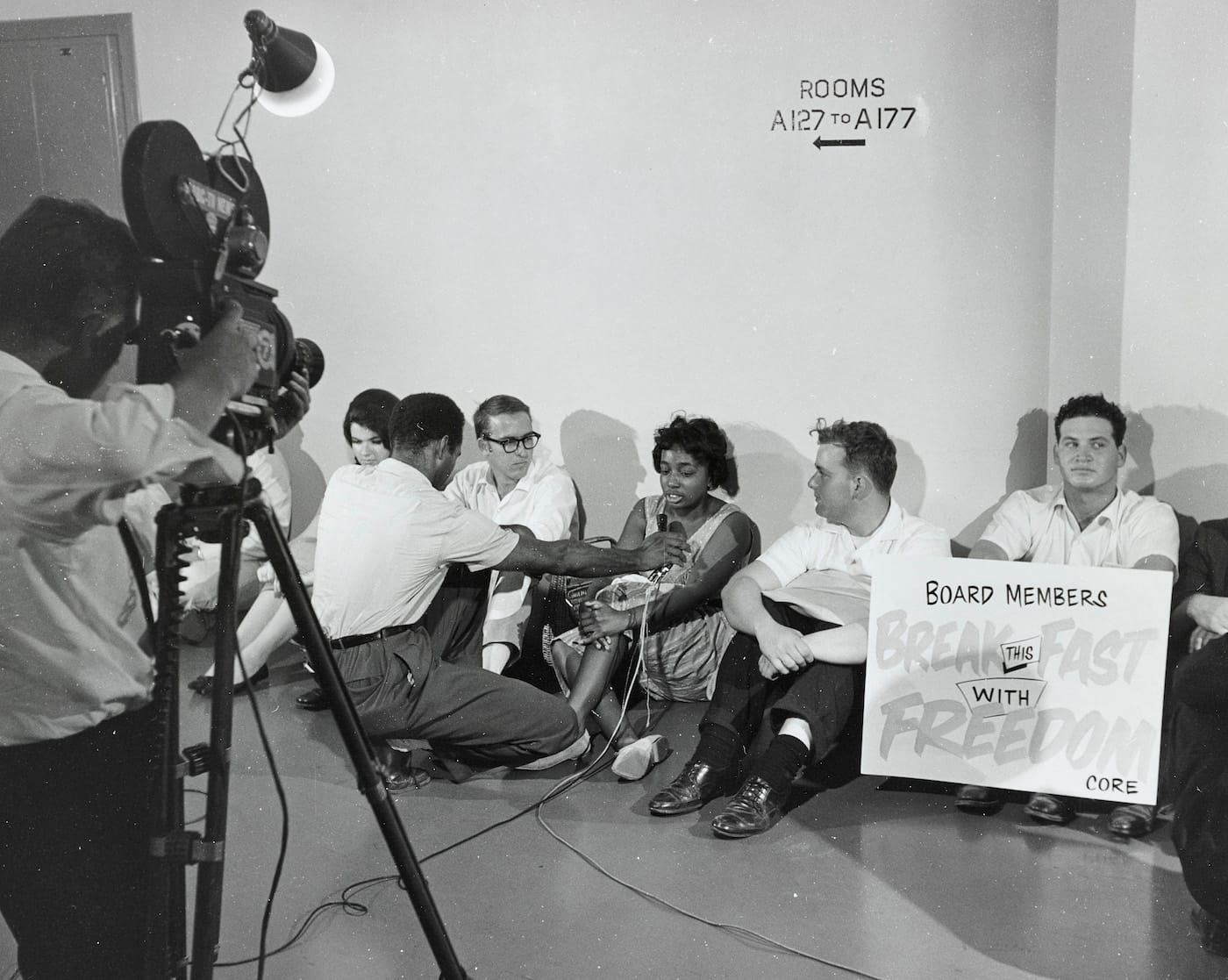
Whether a well-dressed woman quietly blocking trucks to protest unequal hiring at a construction site in Brooklyn in 1963, young activists having a sit-in (where they stand as management took the seats away) at a segregated Oklahoma City lunch counter in 1958, or a screaming mob in 1963 Philadelphia threatening a black family that had moved into an all-white development, the photographs highlight overlooked Civil Rights stories. Their subjects, often nameless, often demonstrating in the supposedly more progressive North, show both the struggle and importance of public protest, especially as issues like police surveillance, housing, and school equality remain present. And right now, when the President-elect is tweeting that protests against him are “unfair,” that historical visibility is vital.
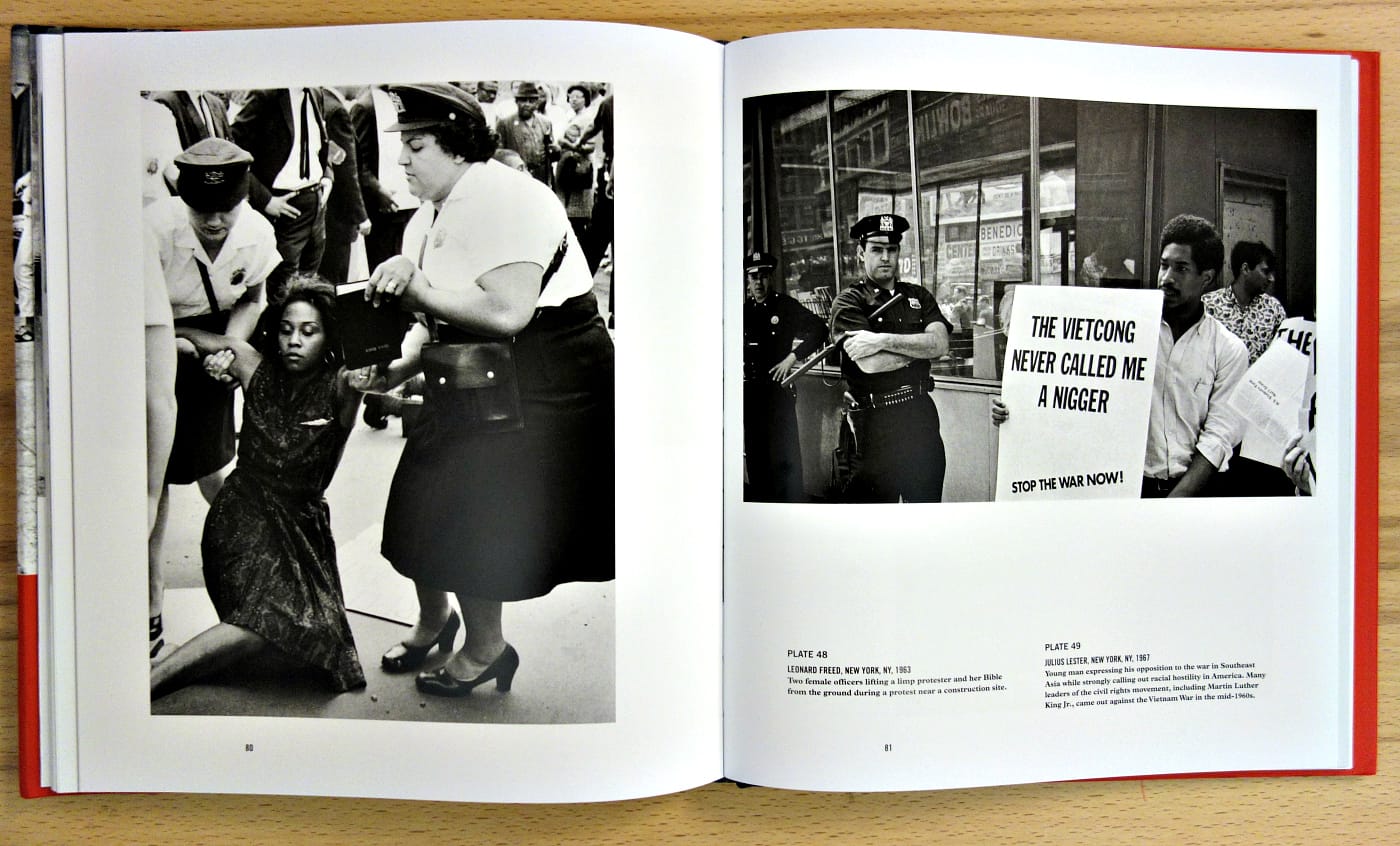


North of Dixie: Civil Rights Photography Beyond the South by Mark Speltz is out this month from Getty Publications.