7 Art Books You Should Read This Pride Month
A joint biography of Peter Hujar and Paul Thek, a catalog on Martin Wong’s Chinatowns, Catherine Opie’s portraiture, queer nightlife through the ages, and more.


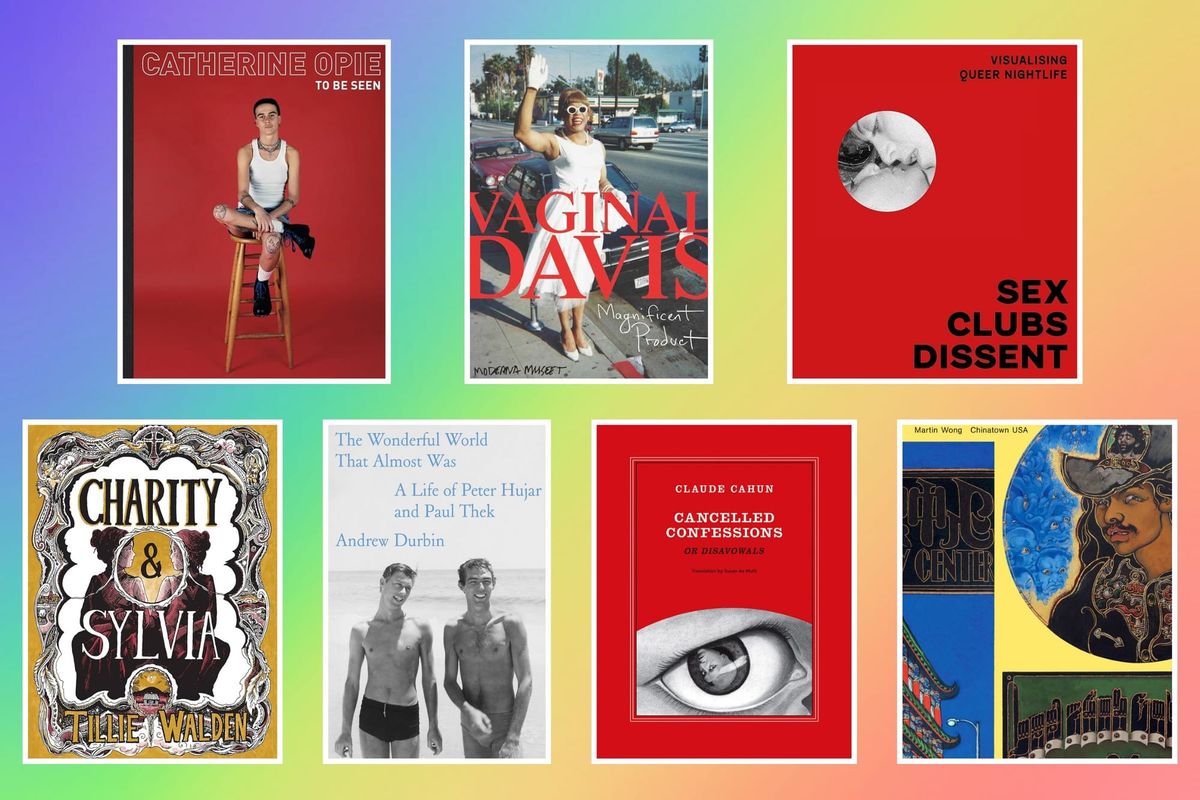
If you've watched and loved Paris Is Burning, the iconic 1990 documentary about Black and Latinx ballroom culture in Harlem, this is the reading list for you. This month, delve into new books that highlight queer and trans artists — past and present — who have always shaped the realms of visual art and culture. One is a catalog about Vaginal Davis, who recently got a retrospective at MoMA PS1 after decades of influential work as a performer, curator, and filmmaker. Another is a jewel-box compendium of photographs of queer nightlife, from Sunil Gupta's portraiture to the Archivo de la Memoria Trans Argentina's critical trove of images and testimonials. As fascist legislation targets queer and trans communities around the world, these are just some of the books celebrating the essential political and creative provocations of LGBTQ+ artists. Happy reading, and happy Pride! —Lakshmi Rivera Amin, associate editor
Cancelled Confessions (Or Disavowals) by Claude Cahun | Siglio Press, October 2025
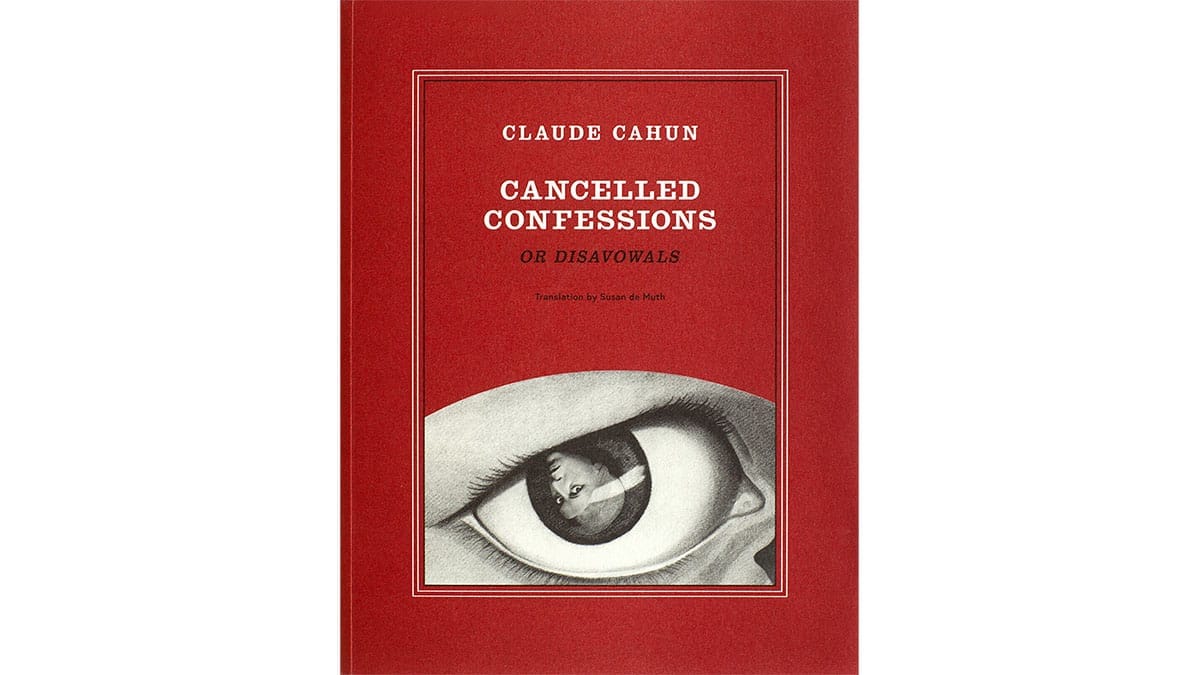
To give a single biographical sketch of Claude Cahun is to offend against this artist’s refusal to be just one thing. The name itself is an invention, as is that of Cahun’s partner in life and art, Marcel Moore. These alliterative noms-de-guerre suggest identity is less a fixed quality than something that can be snipped apart and re-stitched. Both members of the Paris Surrealist orbit who moved to the British Isle of Jersey in 1937, Cahun and Moore’s queer life-and-art-making included works of theater, costume, photography, text, domesticity, and even anti-Nazi sabotage. Theirs were many decades of refusal, disavowal, and glittering possibility. Cancelled Confessions is itself a work of refusal — a refusal to produce the linear memoir Cahun was initially invited to write by publisher Adrienne Monnier, who ultimately turned down the manuscript and left it to be taken up by a more radical publisher in 1930. This refusal birthed a work of infinite invention. —Joyelle McSweeney
Vaginal Davis: Magnificent Product, edited by Hendrik Folkerts | Walther König, November 2025
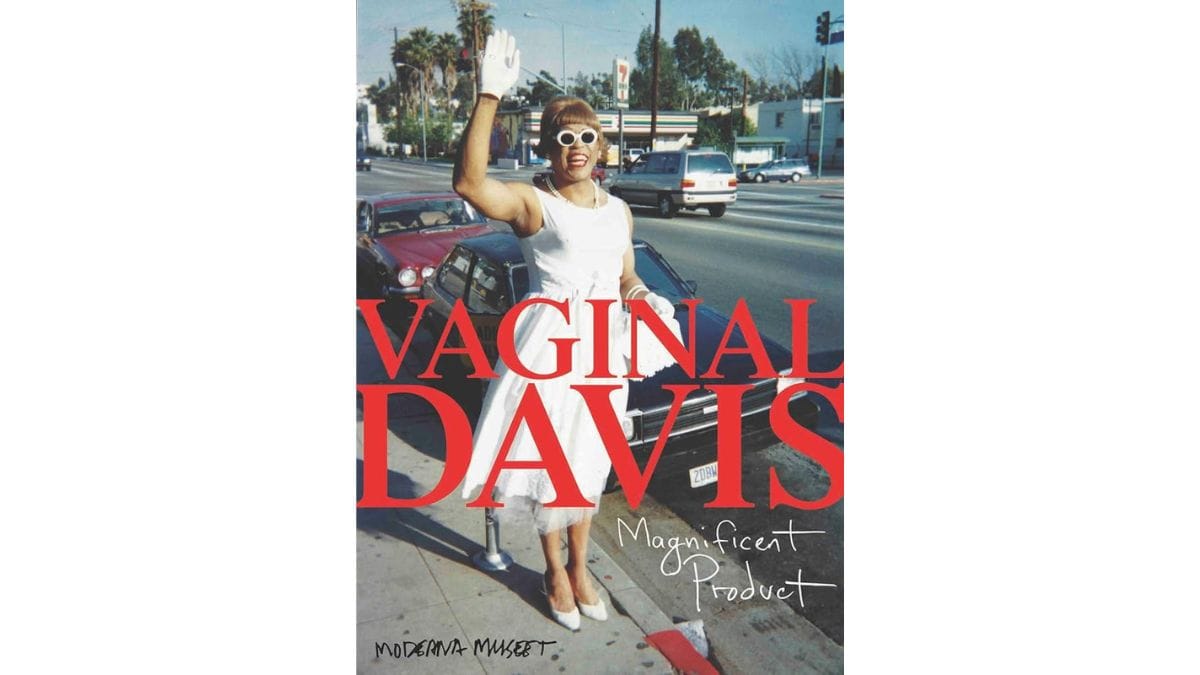
As nostalgia and critical distance lead us to reappraise the 1990s, artist Vaginal Davis is finally getting her due. In hindsight, it’s becoming clear how much she blazed a trail that the next generation is now following. As the fairy godmother of the queercore punk scene in Bushwick, Los Angeles, and later Berlin, Davis leaned into being intersex when “I” wasn’t yet part of the community acronym and wider awareness of gender fluidity was still gestating. Long before “relationality” trended as a buzzword, Davis was centering family, community, and connection in her unapologetically Black and Chicano, queer, trans art praxis. As an artist, Vaginal Davis’s oeuvre glows with that same magnetic mix of disarming vulnerability and subversive joy that defines the era’s best work by Nan Goldin, Wolfgang Tillmans, and Catherine Opie. But because she was not White and cis, Davis remained “too out there” for most institutions and an underground cult sensation, until now. This catalog for her recent retrospective, featuring essays by Hendrik Folkerts, Elisabeth Lebovici, Lisa Gangitano, and Bojana Kunst, is required reading to understand the next chapter after Paris Is Burning. In that epic history of trans and queer BIPOC artistry, Vaginal Davis epitomizes its inevitable creative collision with the punk aesthetic of the 1990s. —Daniel Larkin
The Wonderful World That Almost Was: A Life of Peter Hujar and Paul Thek by Andrew Durbin | Farrar, Straus & Giroux, April
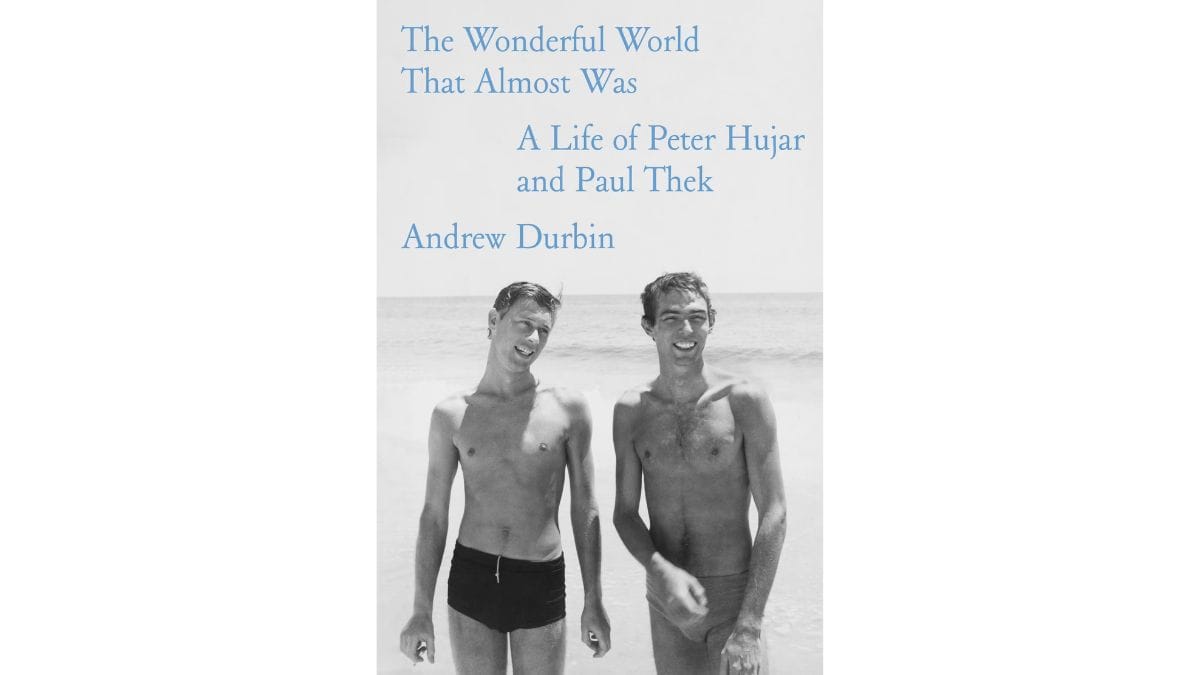
In the introduction to The Wonderful World That Almost Was, Andrew Durbin talks of traveling across continents in search of “any trace — any trace at all” of the late sculptor Paul Thek. He finds himself in a church on the small Italian island of Ponza, staring at a portrait of Madonna and Child that Thek was said to have touched up in the 1970s. Where did one artist’s work end and another’s begin? Did Thek actually work on it? “Did it matter?”
This is an effective and thorough artistic biography of Thek and photographer Peter Hujar, who were lovers, friends, enemies, and still more. But more interestingly, the book embodies its subject: the desire to know and understand another person, particularly one as complicated, petty, and contradictory as an artist. It reads their lives through their relationships, culminating in a lovely passage in which the author suggests that Thek ultimately processed Hujar’s death — despite their estrangement — through artist David Wojnarowicz, who had come to occupy a central place in Hujar’s life. In doing so, Durbin prioritizes people over objects, an understatedly radical proposition in art history. —Lisa Yin Zhang
Catherine Opie: To Be Seen, edited by Clare Freestone | National Portrait Gallery, April
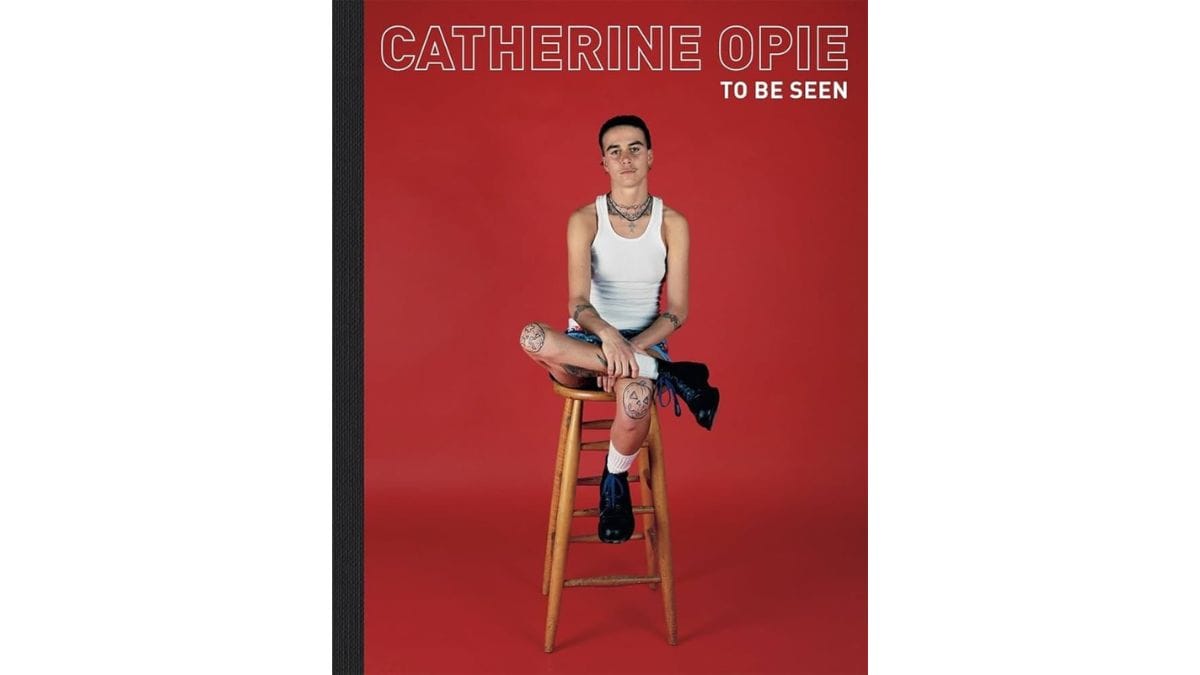
Timed with a survey of her work at the National Portrait Gallery in London, this publication traces more than three decades of Catherine Opie’s commitment to social inquiry through images. What appear to be two distinctly separate facets of her practice — studio portraits rendered in rich, luxurious color on one hand; so-called “documentary photography” on the other — are bound by the same pursuit. "The underlying basis of all my work has been about the structure of urban and suburban space, and about how communities begin to form," Opie said, quoted in an introductory essay by Clare Freestone. Flip through the pages of this catalog and you'll encounter this ethos in action in series such as Domestic (1995–98), photographs of lesbian families and couples in their homes across the US that are both intimate and universal. —Valentina Di Liscia
Sex, Clubs, Dissent: Visualising Queer Nightlife, edited by Amelia Abraham | MACK, May
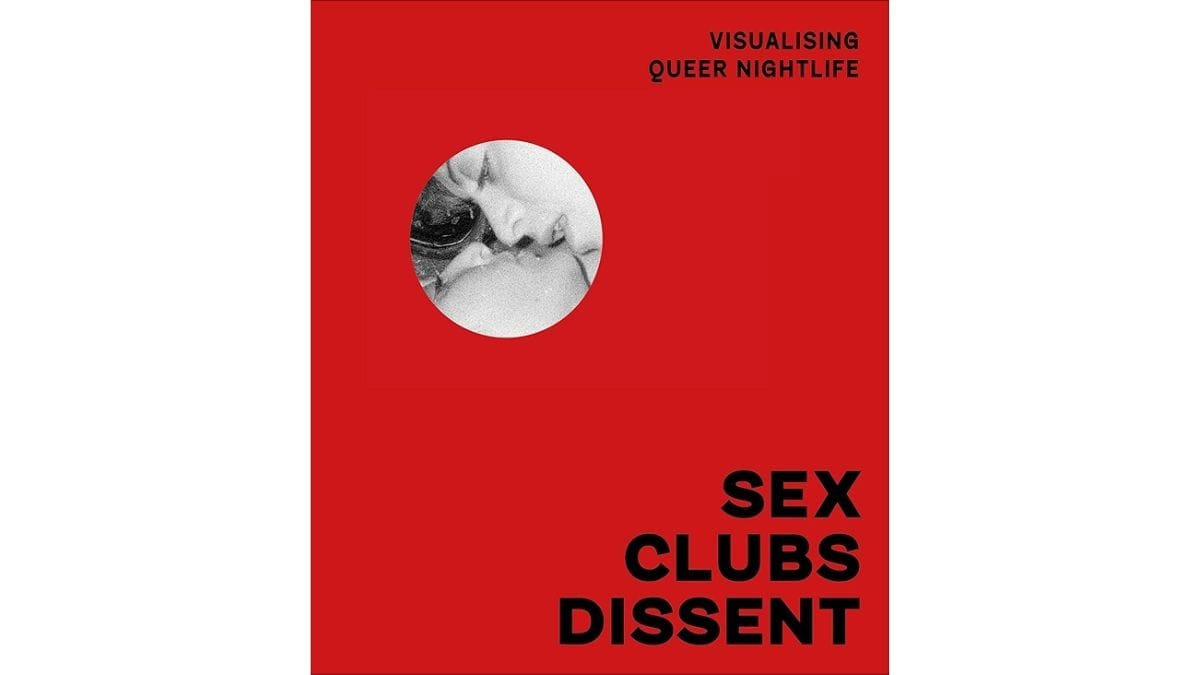
Whether the institutional art world recognizes it or not, queer nightlife has long been at the beating heart of visual culture. In this compendium, photographers, writers, and artists convene to honor and reminisce on images of these gatherings across time, a testament to the dance floor and its afterparties as antidotes to isolation — and especially vital for queer and trans communities today. Editor Amelia Abraham organizes the book as a romp through the history of queer nightlife, with texts like writer and curator Legacy Russell’s interview with artist Tourmaline and Tavia Nyong’o’s essay on pageantry. Interspersed throughout are photographs of 1960s drag balls, rave-fundraisers held during the HIV/AIDS epidemic, and queer South Asians in Montreal by Sunil Gupta. Fittingly, Australian scholar McKenzie Wark ends the night out with the epilogue “After the Afters,” reminding us that “the queerness of night, the transsexual night, does not end when day steals over the world.” —Lakshmi Rivera Amin
Charity and Sylvia by Tillie Walden | Drawn & Quarterly, June
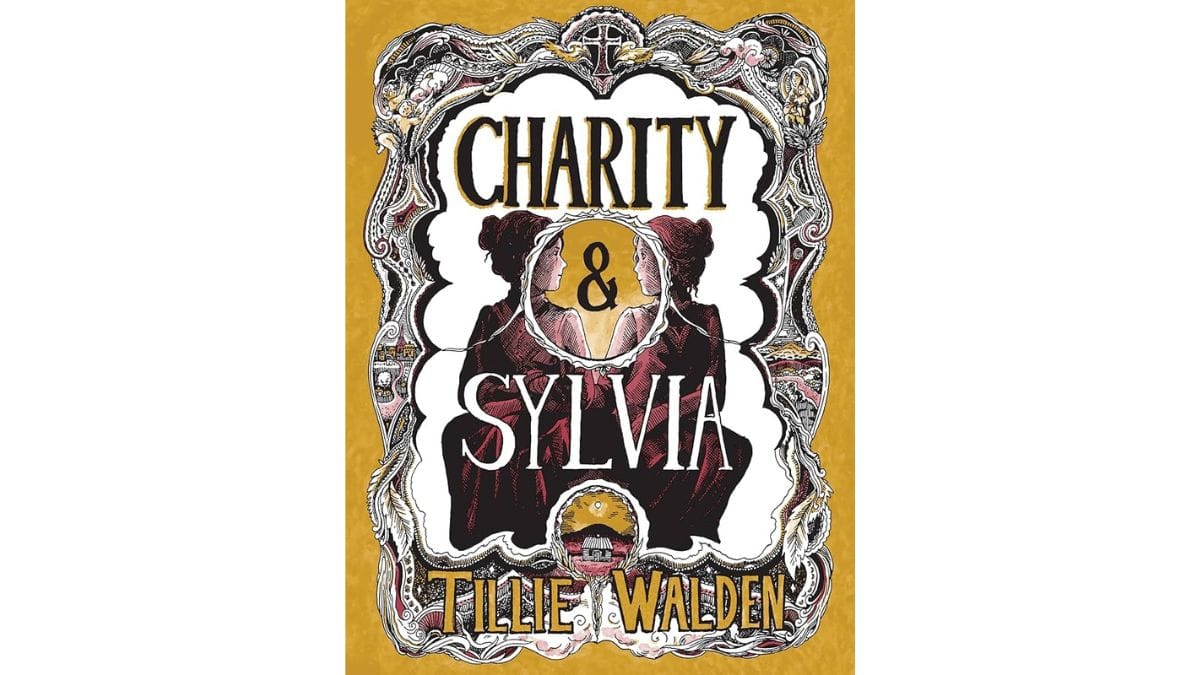
Until I picked up Charity and Sylvia, I had no idea that two women lived openly as a lesbian couple in 19th-century Vermont. Charity Bryant and Sylvia Drake’s story finally gets fleshed out in this sensitive, beautifully drawn graphic novel by Tillie Walden. It follows the two through their 44-year relationship during a pivotal era in American history, acknowledging the dangers of openly embodying their queer identities while shedding light on the remarkable life they built together under extreme societal pressure. While the couple destroyed most of their diaries and letters to protect themselves, historian Rachel Hope Cleves published a book on their relationship in 2016, which in turn inspired Walden to capture their love and resilience in this tender portrait. —Lakshmi Rivera Amin
Martin Wong: Chinatown USA, edited by Yasufumi Nakamori | Gregory R. Miller & Company, July
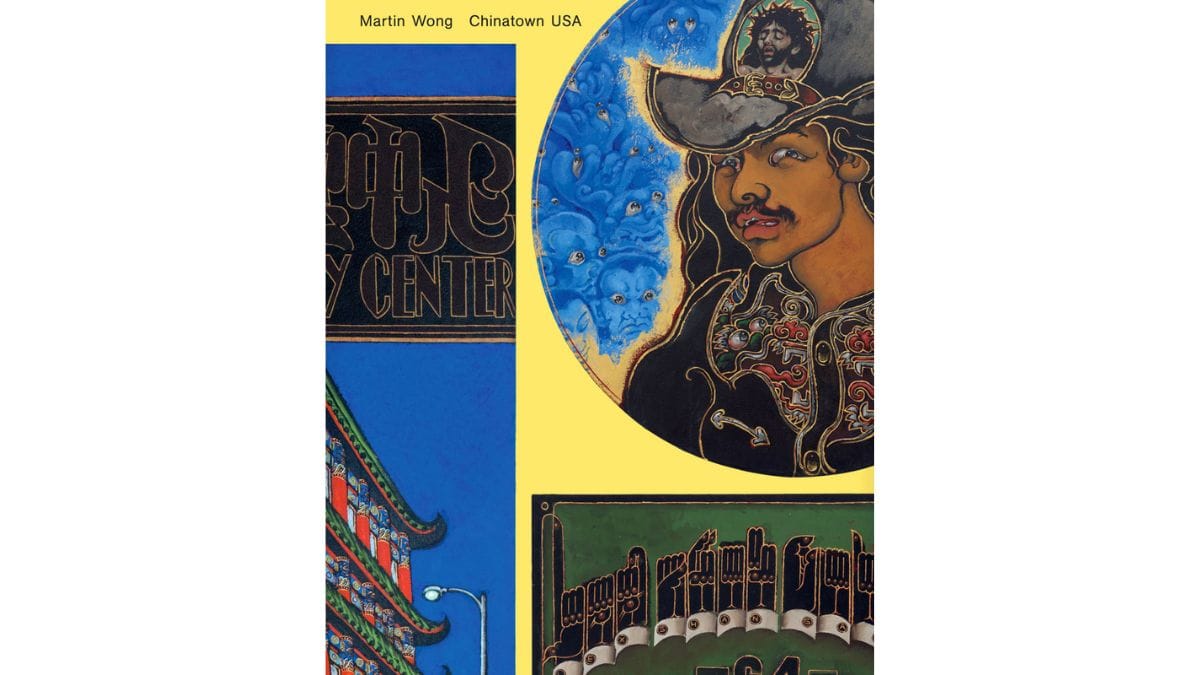
“I was never an outsider to anything,” Martin Wong once told art historian Margo Machida, and wouldn’t “be caught dead being an Asian American.” This new catalog on the artist — known for his thick paintings in which the Lower East Side’s red brick walls, American Sign Language (ASL), and constellations are just a few recurring motifs — accompanies an exhibition at Wrightwood 659 in Chicago, and consists of six newly commissioned essays and texts by Machida, Zully Adler, Lydia Yee, Vivian Lia, Lisa Hsiao Chen, and Mark Dean Johnson. It traces lesser-known connections and stages new interpretations, linking his time in New York’s Chinatown in the 1970s through ’90s to the influence of San Francisco’s, where he was raised, and exploring the tensions in his fascinations with forms of language such as ASL and calligraphy. It doesn’t resolve Wong’s contradictions so much as refract them into something even more intricate. —Lisa Yin Zhang