8 Art Books to Reframe America’s 250th
The real story of the Declaration of Independence, the rise and fall of monuments, contemporary Indigenous artists, drag queens on Fire Island, and other titles for the year’s reading list.

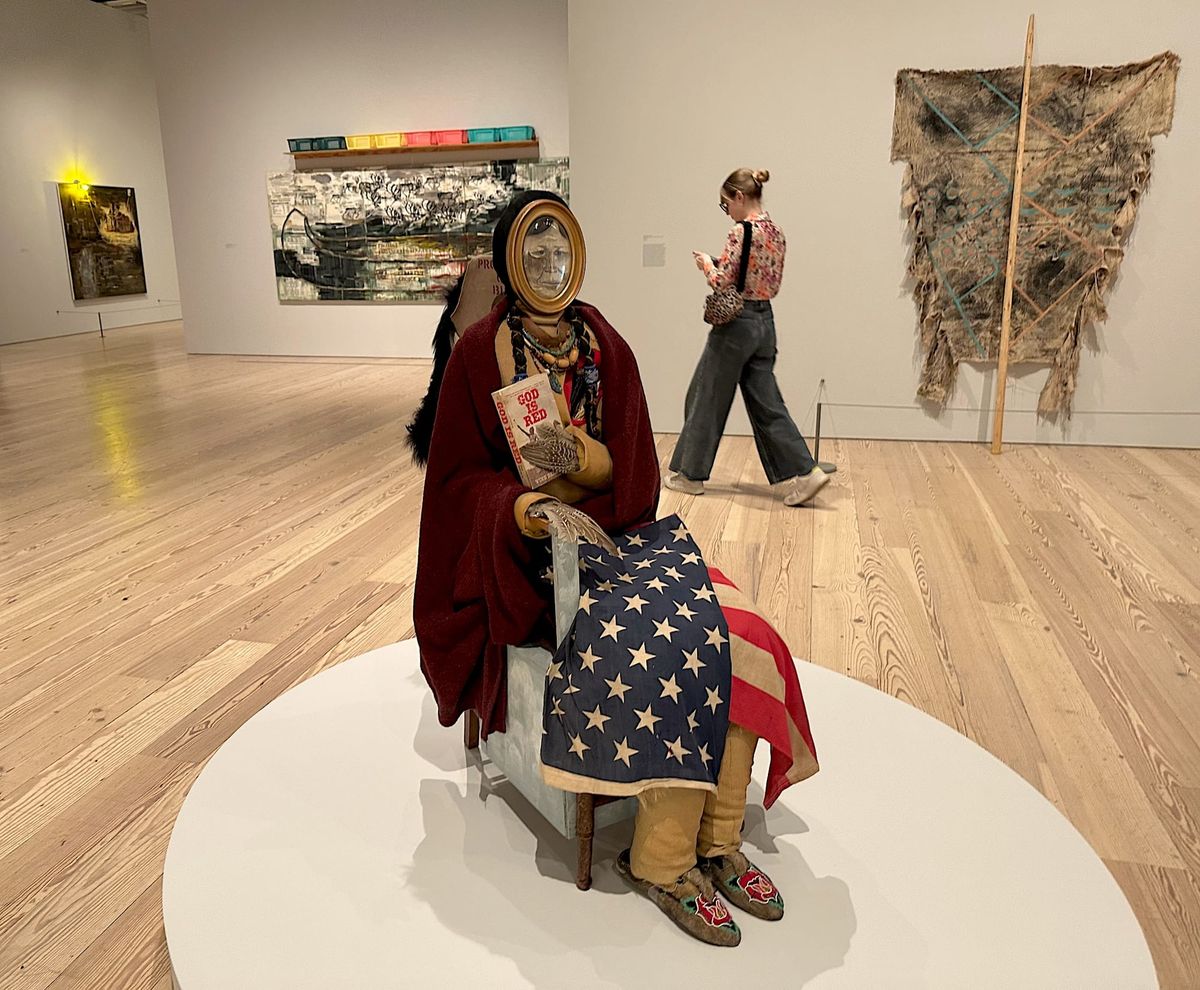
The Fourth of July fireworks and barbecues are behind us, but America 250 — and all its attendant propaganda — is still in full swing. Thankfully, artists, critics, curators, and museum professionals across the nation provide a deep well of books to make sense of this apocalyptic anniversary, using it as an opportunity to uncover ugly truths about United States history that the Trump administration and political right is doing its best to scrub from the record. Artist Keisha Scarville's series of images meditating on her father's passport explores the dimensions of the fraught document, while a photographer chronicles the annual tradition in which drag queens flood Fire Island on the Fourth of July to make their presence known and felt. Matthew Davis retells the story of Mount Rushmore through the desecration of the Black Hills, and contributors to the catalog for the blockbuster MONUMENTS exhibition in Los Angeles consider the layered histories of sculptures and statues across the country. In other words, art reveals new ways of seeing — and we can always use more of them. —Lakshmi Rivera Amin, associate editor
Declaration House, edited by Anna Arabindan-Kesson, Paul M. Farber, and Yolanda Wisher | Temple University Press, July 2026
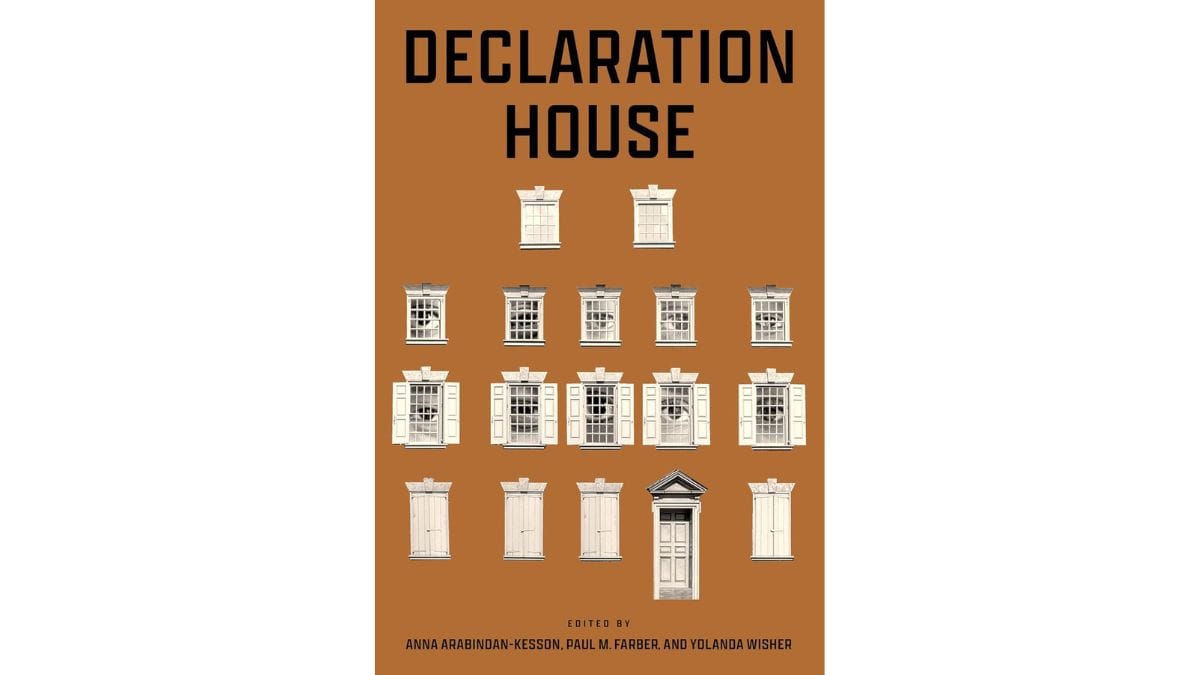
When Thomas Jefferson drafted the Declaration of Independence at a rented home in Philadelphia, he was not alone. Robert Hemmings, an enslaved valet and the brother of Sally Hemings, was by his side. The catalog for Sonya Clark and Monument Lab’s installation “The Descendants of Monticello,” previously on view at the home now known as Declaration House, begins with a dedication to Hemmings himself. It expands into a critical retelling of the story of the founding document with enslaved people at its center through essays by scholars like Matthew Jordan-Miller Kenyatta and Salamishah Tillet, as well as a conversation between archivist J. Calvin Jefferson Sr. and his grandson, artist Jabari Jefferson, both Monticello descendants. Together these voices reframe American history around the enslaved Black people who built the nation, offering a clear-eyed vision of a future that hinges on a confrontation with the past. —Lakshmi Rivera Amin
MONUMENTS, edited by Hannah Burstein and Hamza Walker | Delmonico Books, June 2026
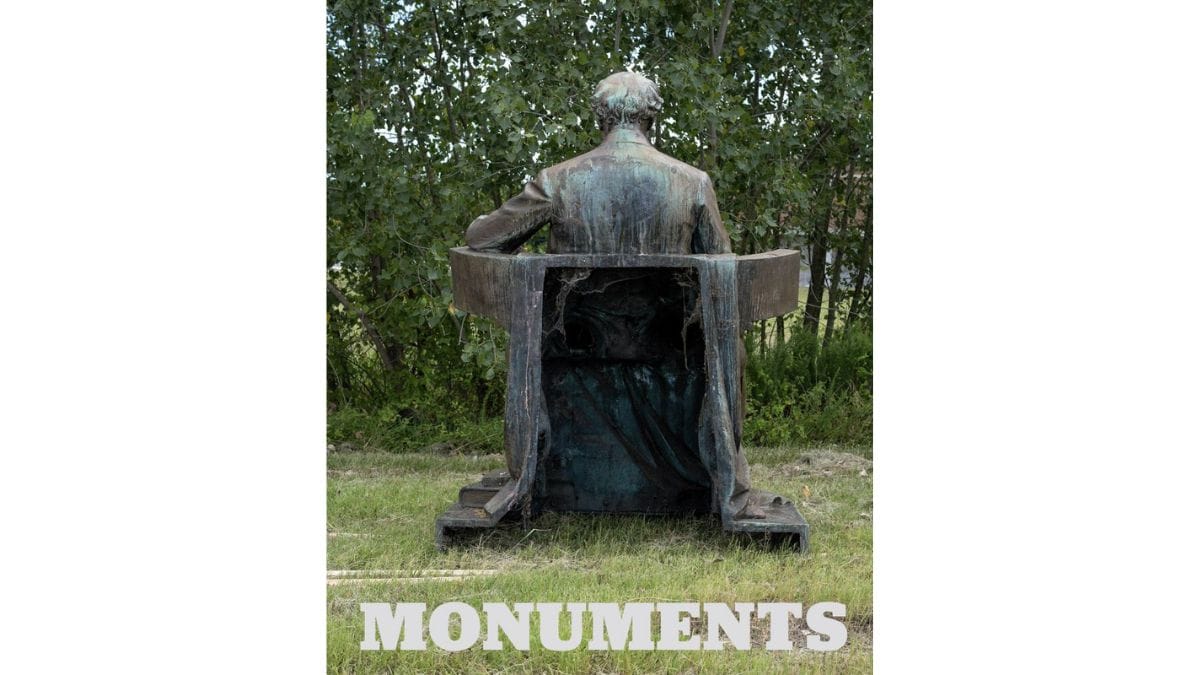
Two hundred and fifty years of — what, exactly? When MONUMENTS opened at LA’s Museum of Contemporary Art last year, it asked the same question, probing how the United States has told (and retold) the story of itself through monumental sculpture. This story, as the exhibition and its new catalog demonstrate, is inextricably linked to slavery — not only as a historical institution, but also as an ongoing site of political struggle that reveals the nation’s shifting self-conception. Essays and conversations from exhibition curators Hamza Walker, Kara Walker, and Bennett Simpson, and many others, examine how art has shaped and contested our past, present, and future. Alongside a rich showcase of installation images and individual artworks, Monuments explores how one of America’s most violent legacies echoes across contemporary visuality. —Claudia Ross
Passports by Keisha Scarville | MACK, May 2026
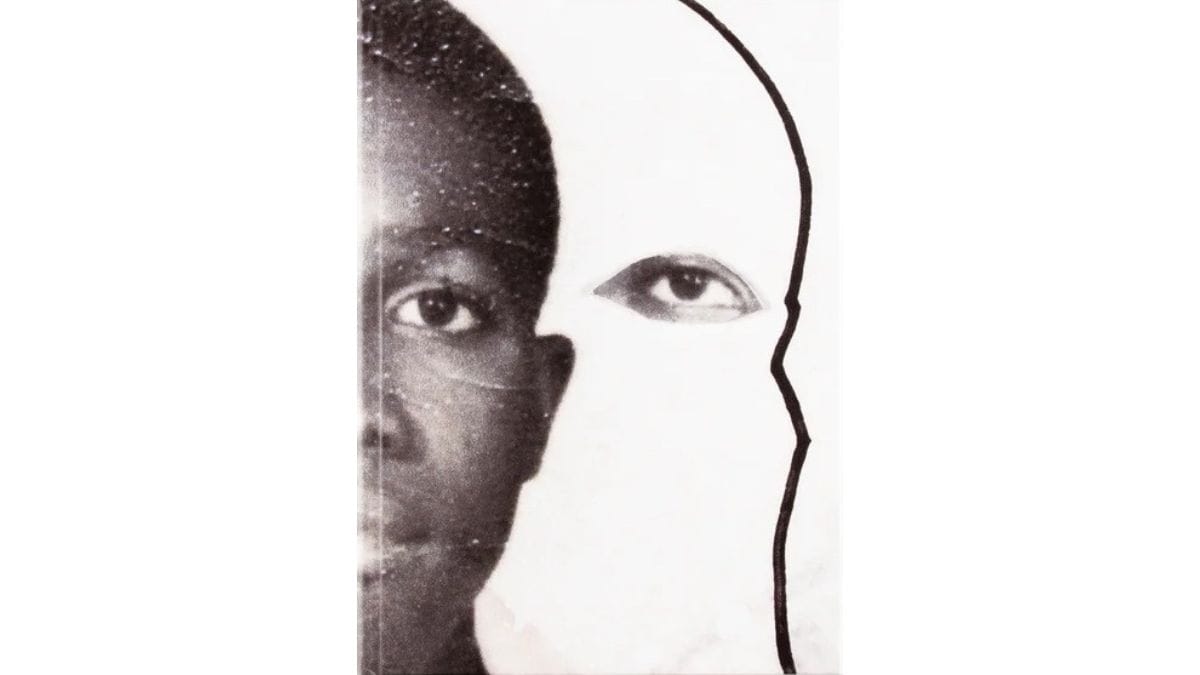
Passport photos are tools — keys to crossing borders, but also governmental weapons of surveillance and classification. Photographer Keisha Scarville makes something else of them in Passports, reworking a single such image of her father, Keith Revanol Scarville, a Guyanese immigrant to New York City, hundreds of times. She paints, draws, and collages glitter, beads, bits of hair, and other images onto his passport photo — taken in the mid-1960s, when he was only 16 years old — sowing a thicket of personal history on the surface of what otherwise might be a dehumanizing, bureaucratic object. The book, like these transformations, is densely, hauntingly beautiful, interspersed with archival images and conversations between the artist and her father, plus a moving essay by scholar Tina M. Campt. “Guyana didn’t have anything more for me,” Keith Scarville tells his daughter. “I’ve been in this country for almost fifty-eight years … it’s changed me.” —Julia Curl
A Biography of a Mountain: The Making and Meaning of Mount Rushmore by Matthew Davis | St. Martin's Press, November 2025
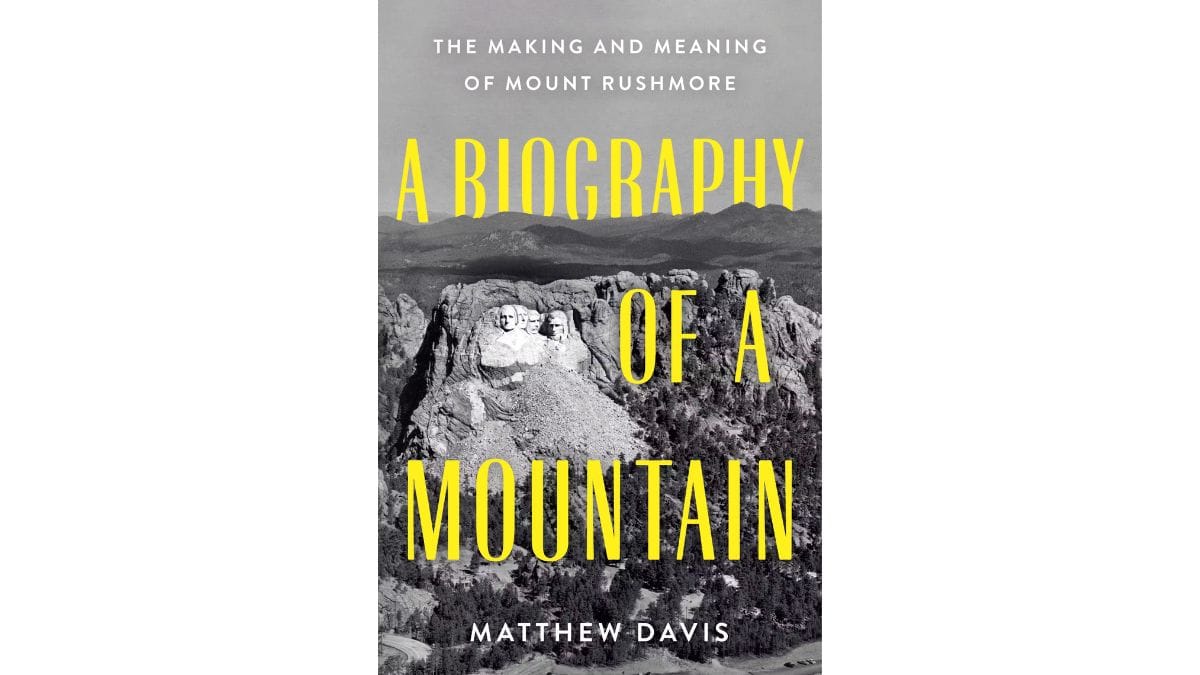
Between 2022 and 2024, Matthew Davis traveled to the Black Hills of South Dakota in pursuit of answers. He spoke with Native people and White settlers in the region to capture an expansive portrait of Mount Rushmore and the space it inhabits, for 'it is impossible to separate the land of the Black Hills — and the people who currently live in and have historically claimed the land — from the meanings of the memorial.' This approach offers the primary appeal of the book: Davis reveals that he is uninterested in 'the pinpoint accuracy that Western scholarship demands' as a 'writer and not a trained historian.' Rather, he is after something more humane, something akin to oral histories. What emerges is a series of stories that, when woven together, reveal so much more than facts and figures. —Irvin Weathersby Jr.
Family Amnesia: Chinese American Resilience by Betty Yu | Daylight Books, July 2025
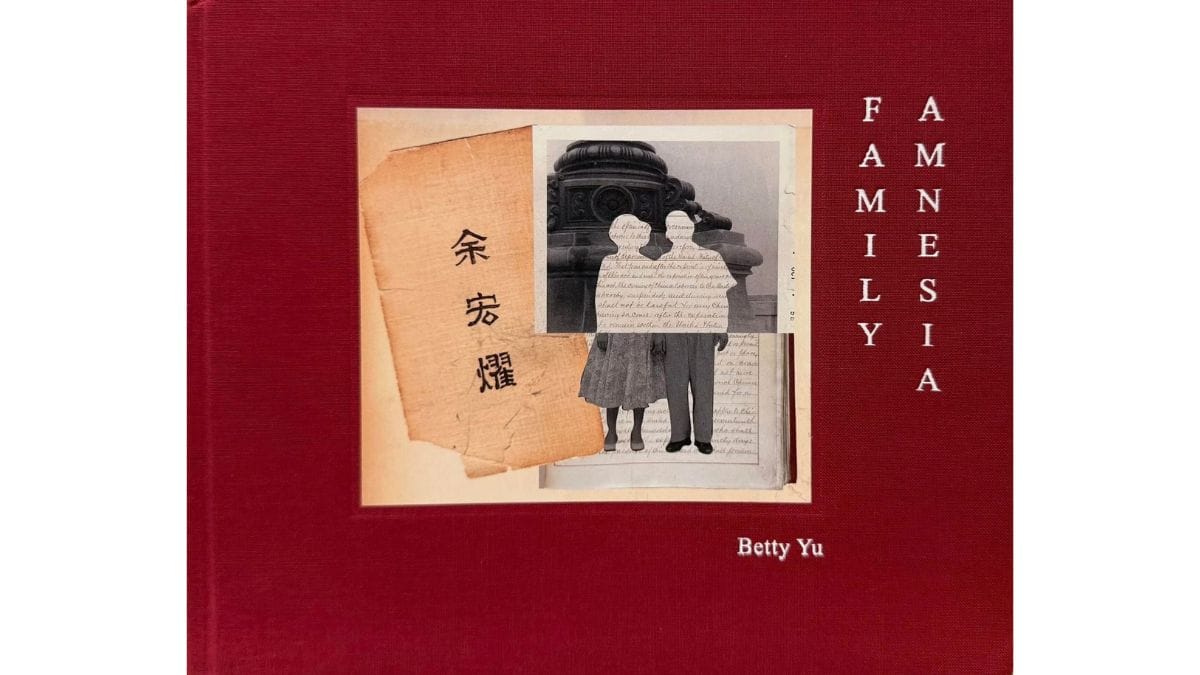
We are all patchworks of history, family, and memory, recalled and recombined and come back to haunt. What I love about Betty Yu’s book is that she makes that truth tangible. Family Amnesia’s exciting design combines, annotates, and overlays family photos, her own past work, and historical ephemera and documentation.
Its content, too, is a pastiche. The book is dedicated to past and future — her late family, her young son. The titular introduction is adapted from a 2021 essay originally published in e-flux, and the final pages see her fit herself into the larger trajectory of Chinese-American history via nodes on a timeline. After “Central Pacific recruits Chinese workers to build a transcontinental railroad” in 1865, for example, is a note about her own great-grandfather’s immigration to Reno, Nevada, where he worked on the railroad.
Sharon Mizota once meditated in these pages on an Asian-American tendency toward generational amnesia. This book shows that there are many ways to remember. —Lisa Yin Zhang
The War of Art: A History of Artists’ Protest in America by Lauren O’Neill-Butler | Verso, June 2025
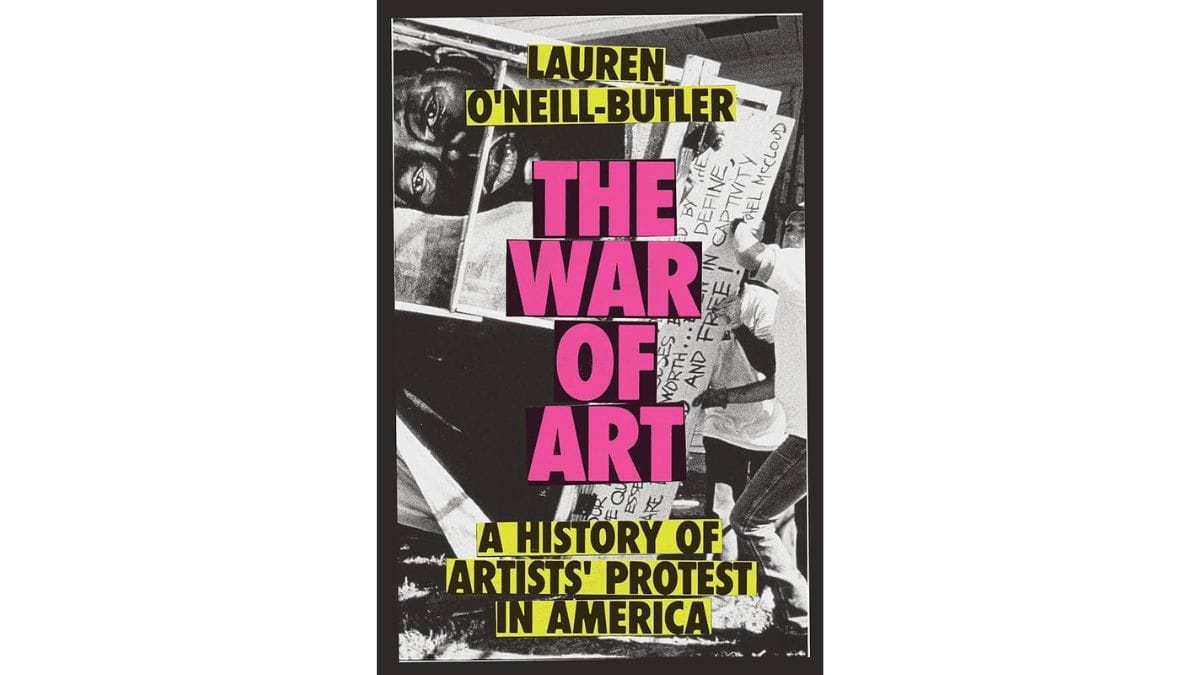
There is no dearth of books about art and activism — in fact, I dare say there have been more titles on this subject in recent years than any of us has the patience to read. But Lauren O’Neill-Butler’s The War of Art stands apart for a simple reason: It is engaging, propulsive writing that not only looks back at history, but also reveals timely lessons for the art-as-resistance of today. The artists and collectives discussed in this book have unmasked the Sackler family’s artwashing of the opioid crisis (Nan Goldin’s PAIN), advocated for Indigenous land rights (Hock E Aye Vi Edgar Heap of Birds), and planted a massive wheatfield in Manhattan’s Battery Park Landfill (Agnes Denes). Their efforts are bound together not by a shared poeticism or political sentimentality, but by effective tactics and actionable impact that may very well be blueprints for confronting the new wave of authoritarianism. —Valentina Di Liscia
Fire Island Invasion: Day of Independence by Anderson Zaca | Damiani Books, May 2025
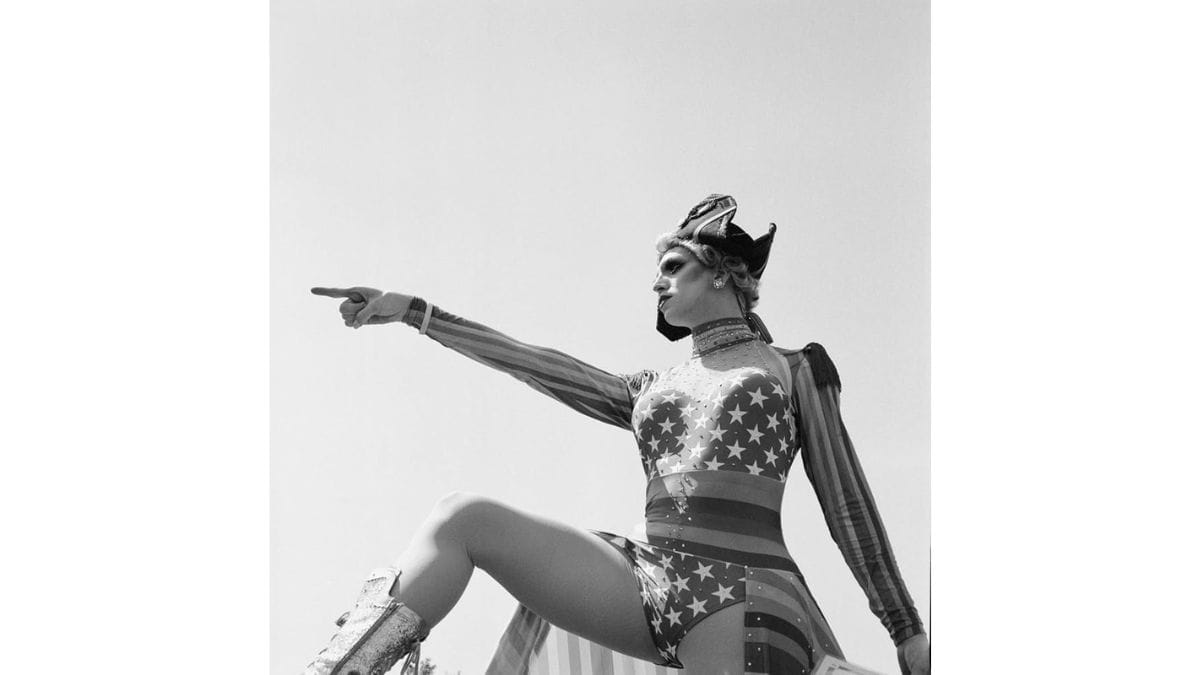
Drag queens invade Fire Island, a storied haven of queer and trans community, every Fourth of July weekend. This tradition began in 1976 after a local restaurant ignominiously denied service to Teri Warren, who happened to be dressed to the nines in drag, and Panzi (Thom Hansen) led efforts to organize a group of fellow drag queens to visit Fire Island to prove a point. The spectacle was so well-received that it became an annual tradition. The invasion cemented a paradigm shift of no longer capitulating to straight homophobes and closeted trans and queer people on Fire Island, who soon left or came out publicly.
What has been missing for some time is a comprehensive art book that documents this annual festival. Photographer Anderson Zaca fills this gap with his new book. Zaca, who began photographing the invasion in 2007, has honed his approach to juxtapose the art of drag with the island’s beachy environs. Whereas most photos of drag queens are staged in dark spaces at night, Zaca excels at the challenge of portraying these artists in full sunlight and accentuating the spectacular ironies of drag on the seashore. —Daniel Larkin
An Indigenous Present, edited by Jeffrey Gibson | Delmonico Books and BIG NDN Press, August 2023
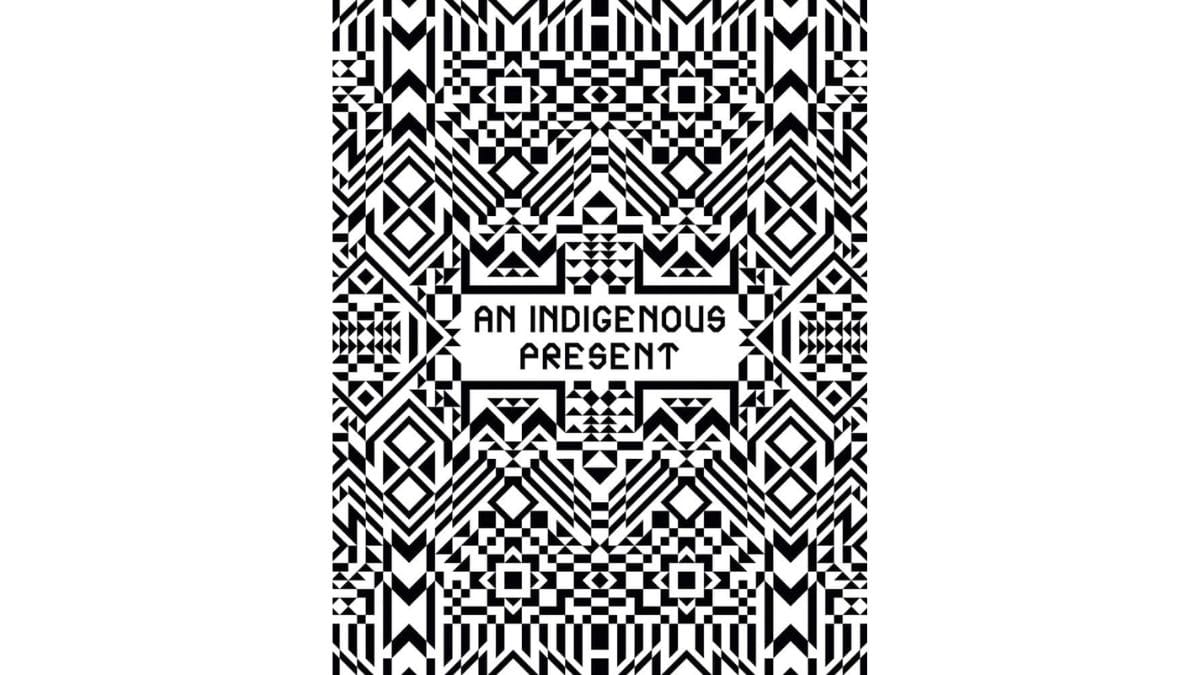
This is a gorgeous coffee table book that offers a visual delight of art by the leading practitioners of contemporary art from the Native American, Alaska Native, Inuit, and First Nations communities. Edited by Jeffrey Gibson, one of the foremost figures of this new contemporary art renaissance, he explains in his introduction that 20 years ago, he was dreaming about a community of other Indigenous makers and the challenges of identifying as an Indigenous or Native artist. Twenty years forward and it’s quite clear he’s been able to help create such a community that can be as diverse and varied as he once dreamed. I’d highly recommend this book, which includes interviews Gibson did with some of the participating artists, for anyone who wants a good overview of Indigenous contemporary artists in the United States and Canada. —Hrag Vartanian