Frieze New York Is an Assembly-Line Salad
On finding a reprieve from the monotonous rhythm and the art that made me forget I was at a trade show.

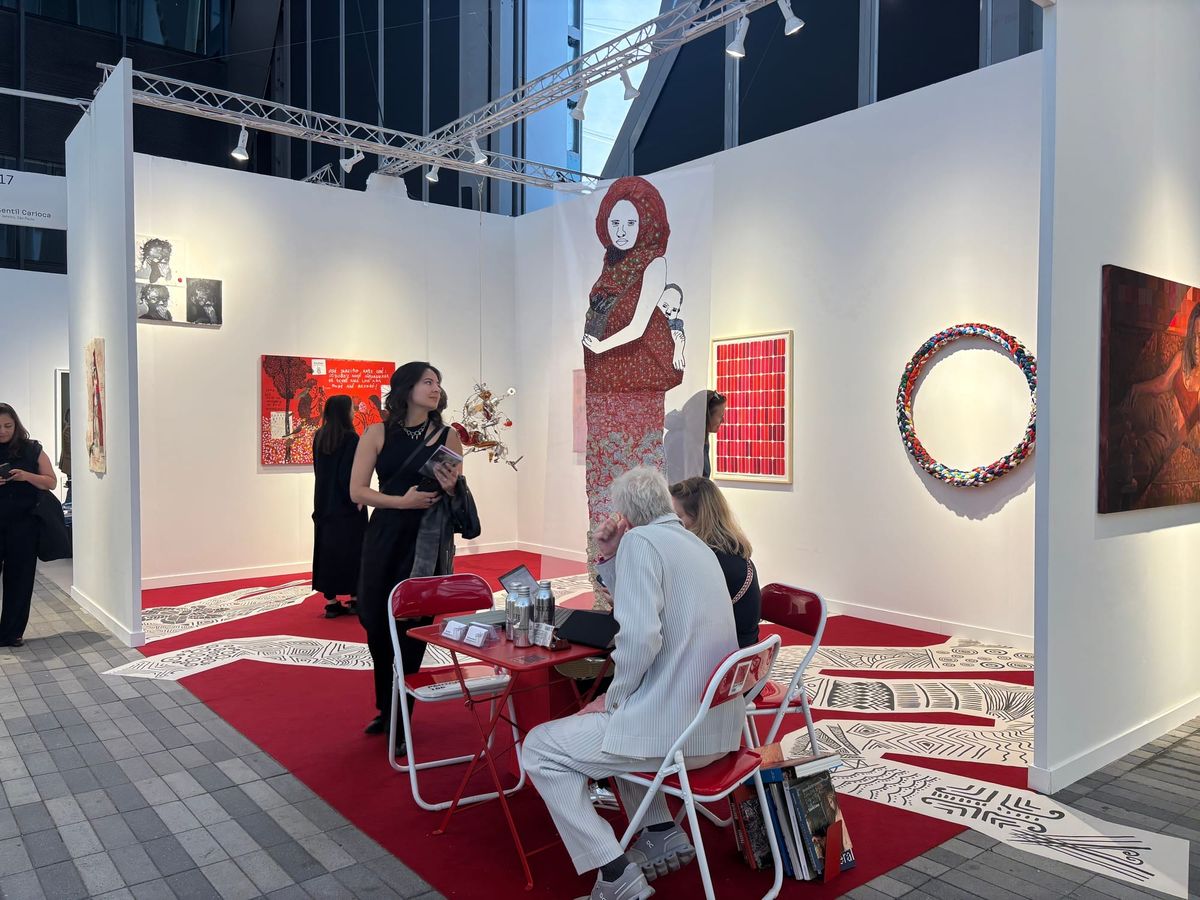
Lucien Zayan came to Frieze New York on a mission.
“I am looking for something very specific,” Zayan, the founder of the Invisible Dog Art Center in Brooklyn, told me. I had spotted him standing near a large abstract painting saying something about lettuce to a booth attendant. Zayan was searching for food. Art and food, to be precise — works that examine their relationship, shared humanity, social tensions — as he curates the second edition of the NAFAS Festival in Tokyo this September. In Arabic, nafas means breath or a sustaining force, and captures the nurturing energy that goes into cooking.
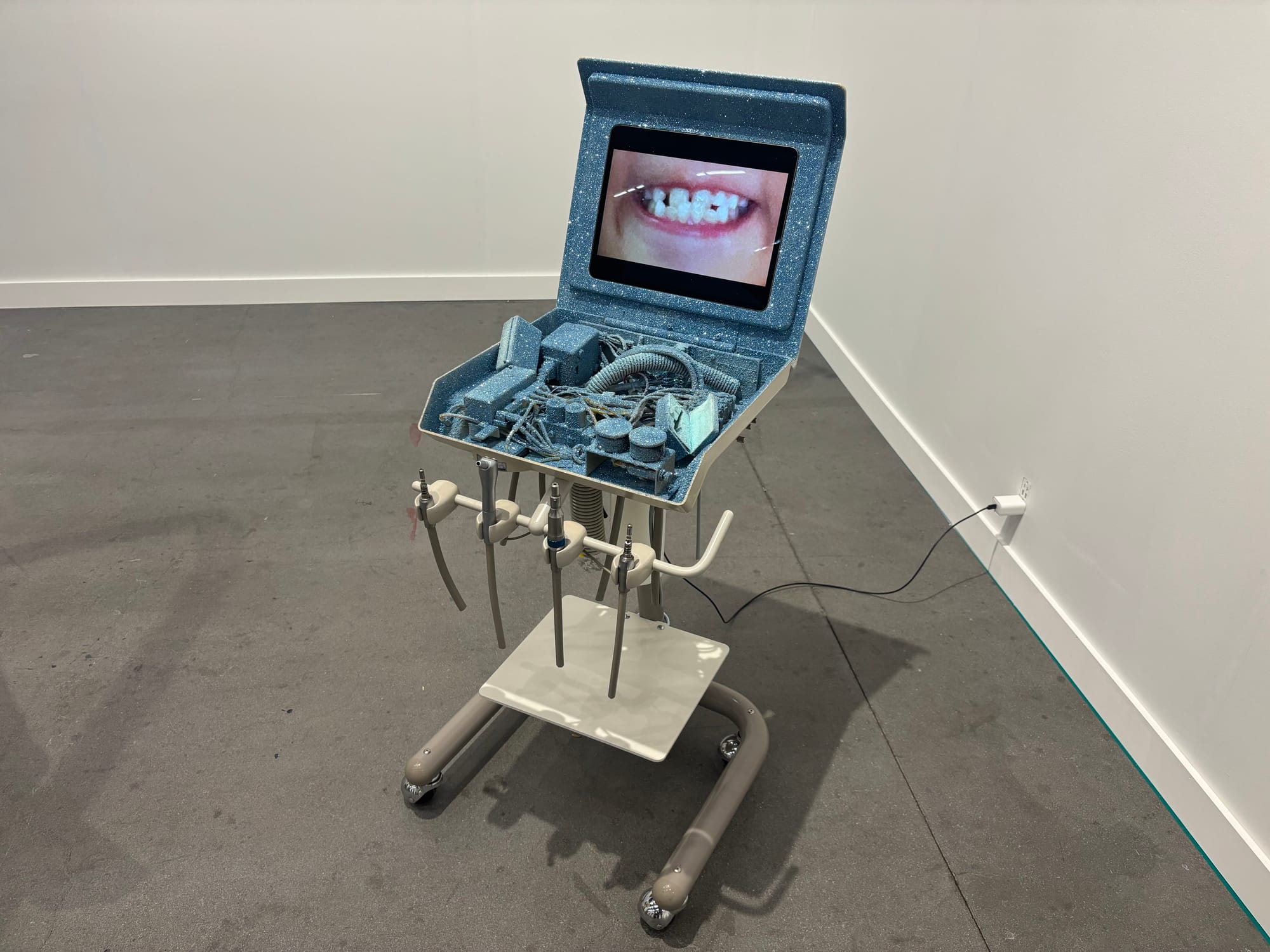
Zayan developed a more intimate relationship with food in recent years, when he became more interested not just in eagerly ingesting it but also in understanding its history and anthropology. "I discovered that food in art is very political, maybe more than other types of art," he told me. On the fourth floor of The Shed in Hudson Yards, where Frieze is on view through the weekend, Zayan found something to whet his appetite: an installation by Aki Goto at the booth of Europa involving a glittery dentist’s chair and multimedia elements that reflect on childhood rituals of losing a tooth, parenthood, and the passing of time. That made Zayan think of sugar, imported from colonized nations to Europe as a novel ingredient in the mid-16th century, and how the rise in cavities shaped the gastronomic culture of that era. He wouldn't be buying works at Frieze (his husband has "forbidden" him from purchasing art this year), but for the esteemed curator, collector, and chef, discoveries of this sort are what make fairs worth coming to.
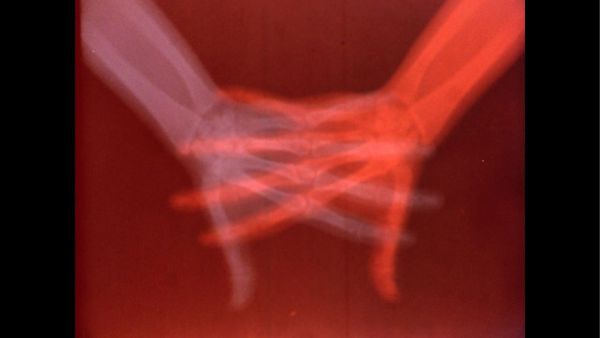
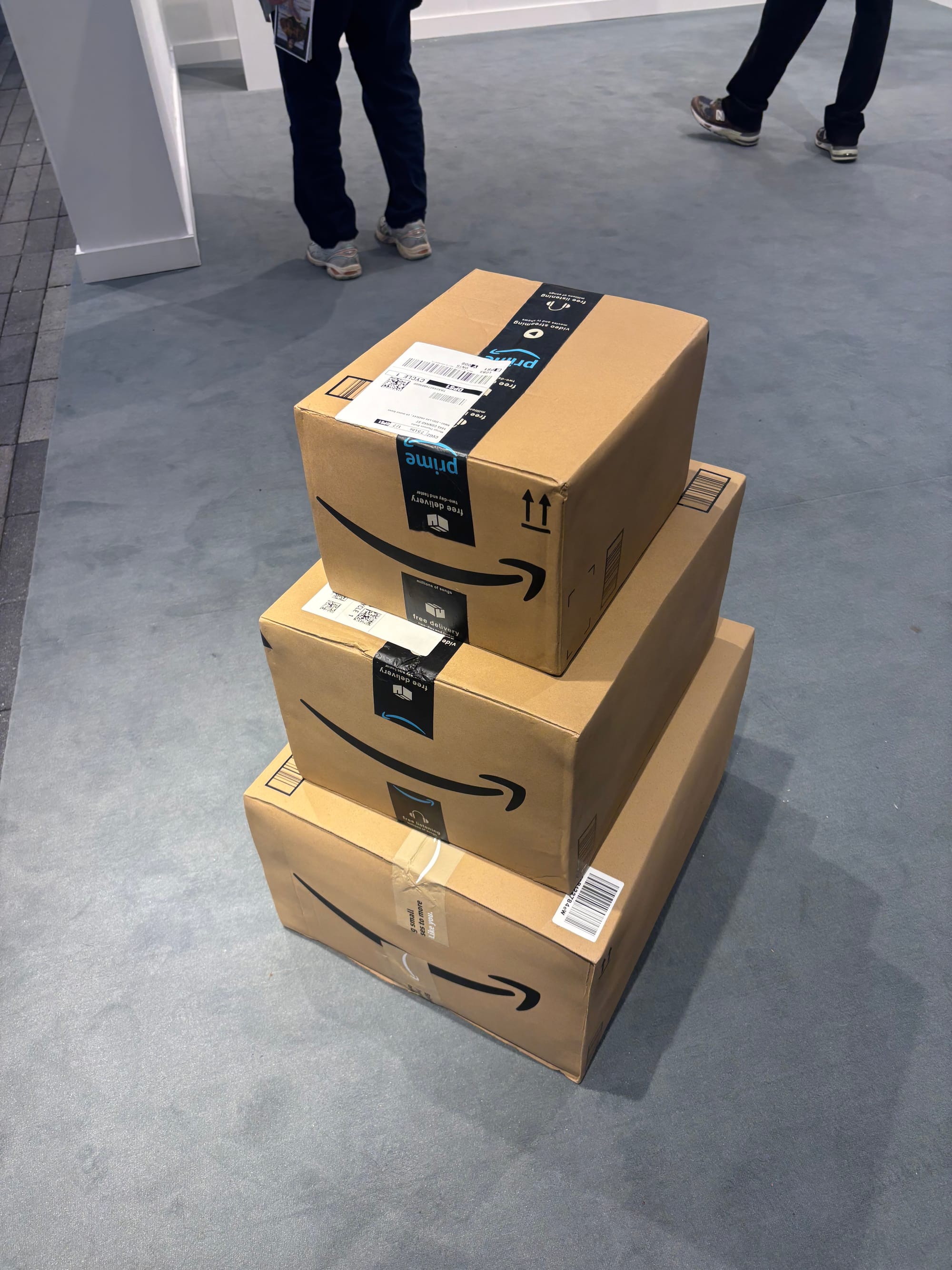
What and how we consume seemed like something of a theme throughout this edition, starting with David Lamelas's uncanny "To Pour Milk into a Glass" (1972), from Dia Art Foundation's archives, which greets visitors on the second floor. Originally filmed in 16mm, the piece depicts a white liquid spilling into a glass vessel that eventually shatters in an unsettling meditation on information overflow and containment. Mungo Thomson’s sculpture “Snowman” (2023) at Karma's booth, a stack of realistically rendered painted bronze Amazon boxes, looks freshly shipped from a "dark store," the telling name of the quickly expanding micro-fulfillment centers the company uses to deliver products faster than we can wonder whether we really need them.
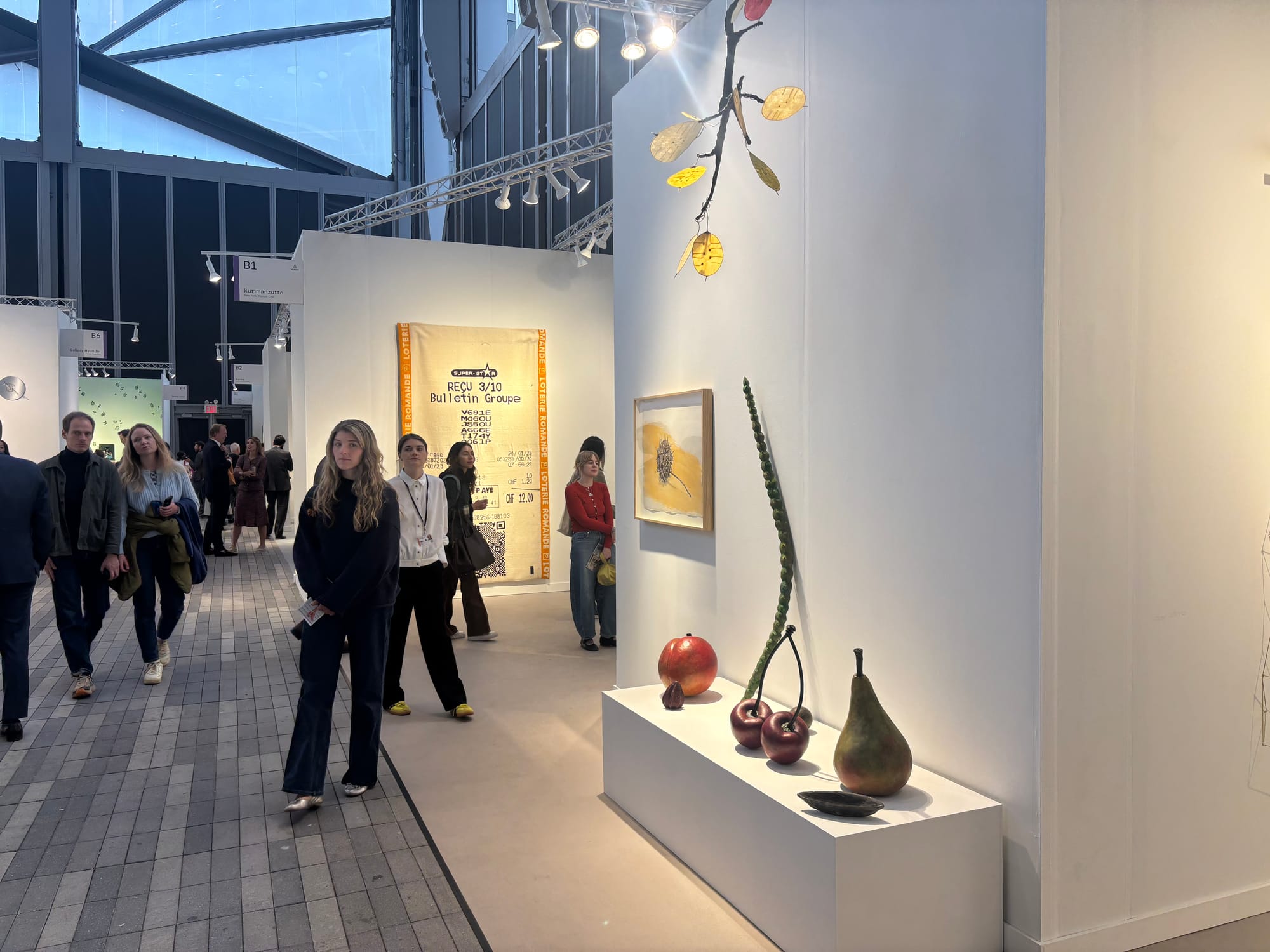
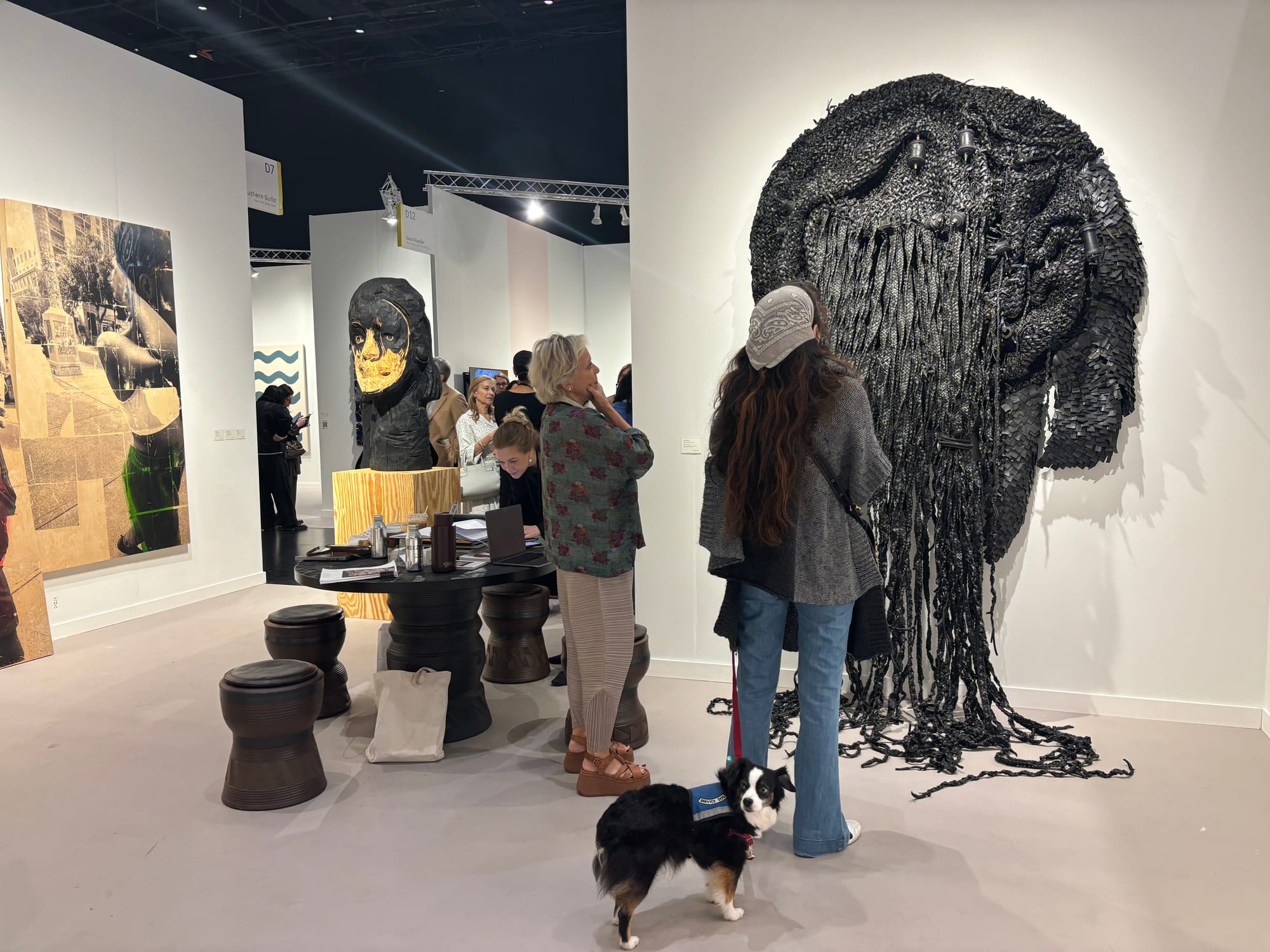
At risk of running this analogy into the ground, if visiting a museum exhibition is steak au poivre, attending an art fair has the jittery energy of scarfing down an assembly-line chopped salad in a drab Sweetgreen in midtown Manhattan. The undignified experience of ambling up and down the starkly lit corridors is occasionally made more palatable by art encounters that shatter the monotonous rhythm.
Kite (Oglála Lakȟóta) performing at Frieze
Frieze must be aware of this need to break up the booth-maze ennui, because earlier this year, the fair announced a partnership with institutions to exhibit work that diverges from the show's traditional displays, including the Whitney Museum of American Art, Dia, and the Counterpublic triennial. The latter staged Kite's "Wíhanyablapi (of St. Louis)" (2026), a wall-mounted musical score informed by an "intensive dream workshop" conducted by the artist, who then visually translated the subconscious expressions into Lakȟóta cosmological motifs. The score was interpreted by musicians (including Kite herself, a trained violinist) in a live performance that lifted me out of my fog.
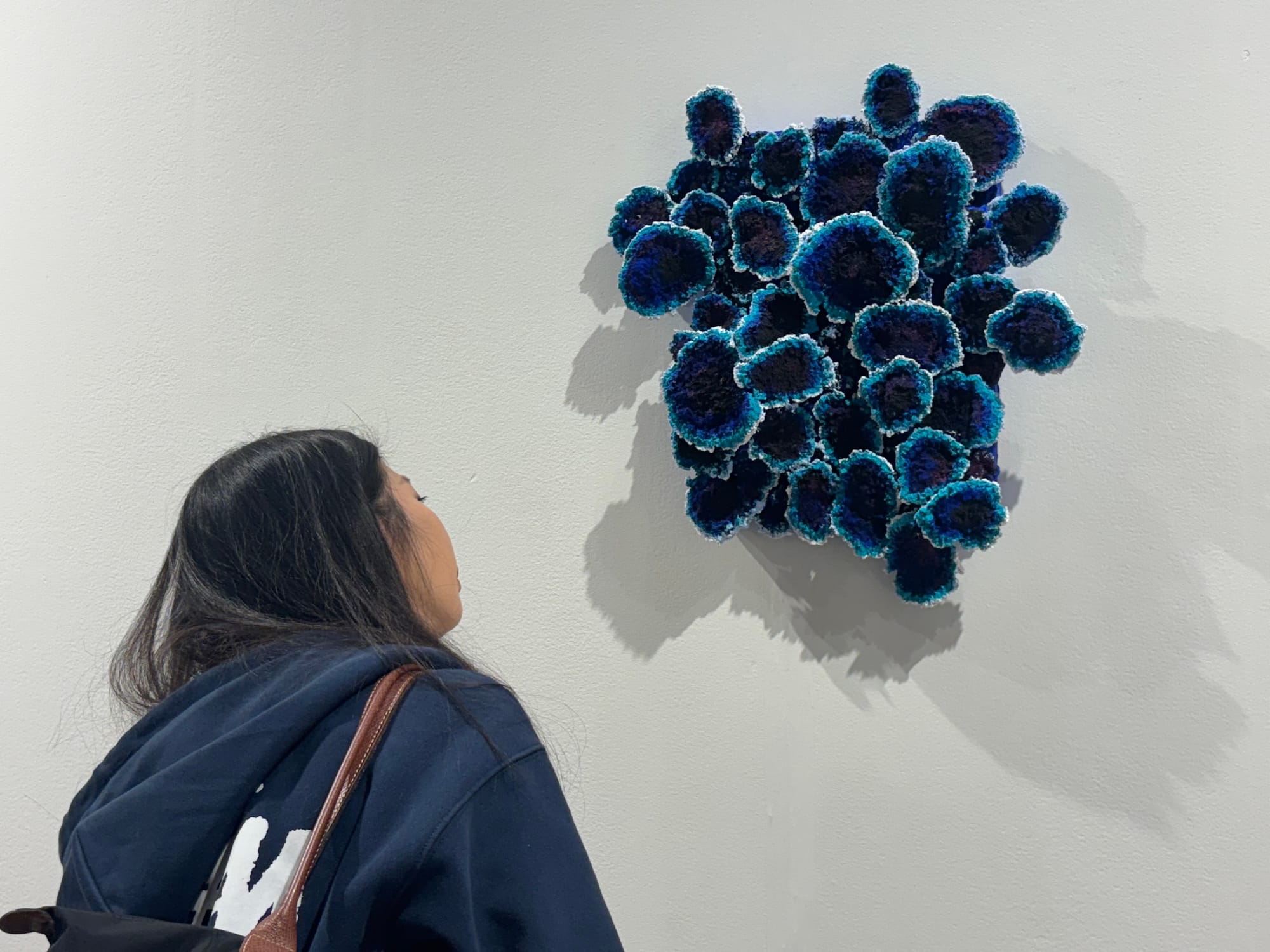
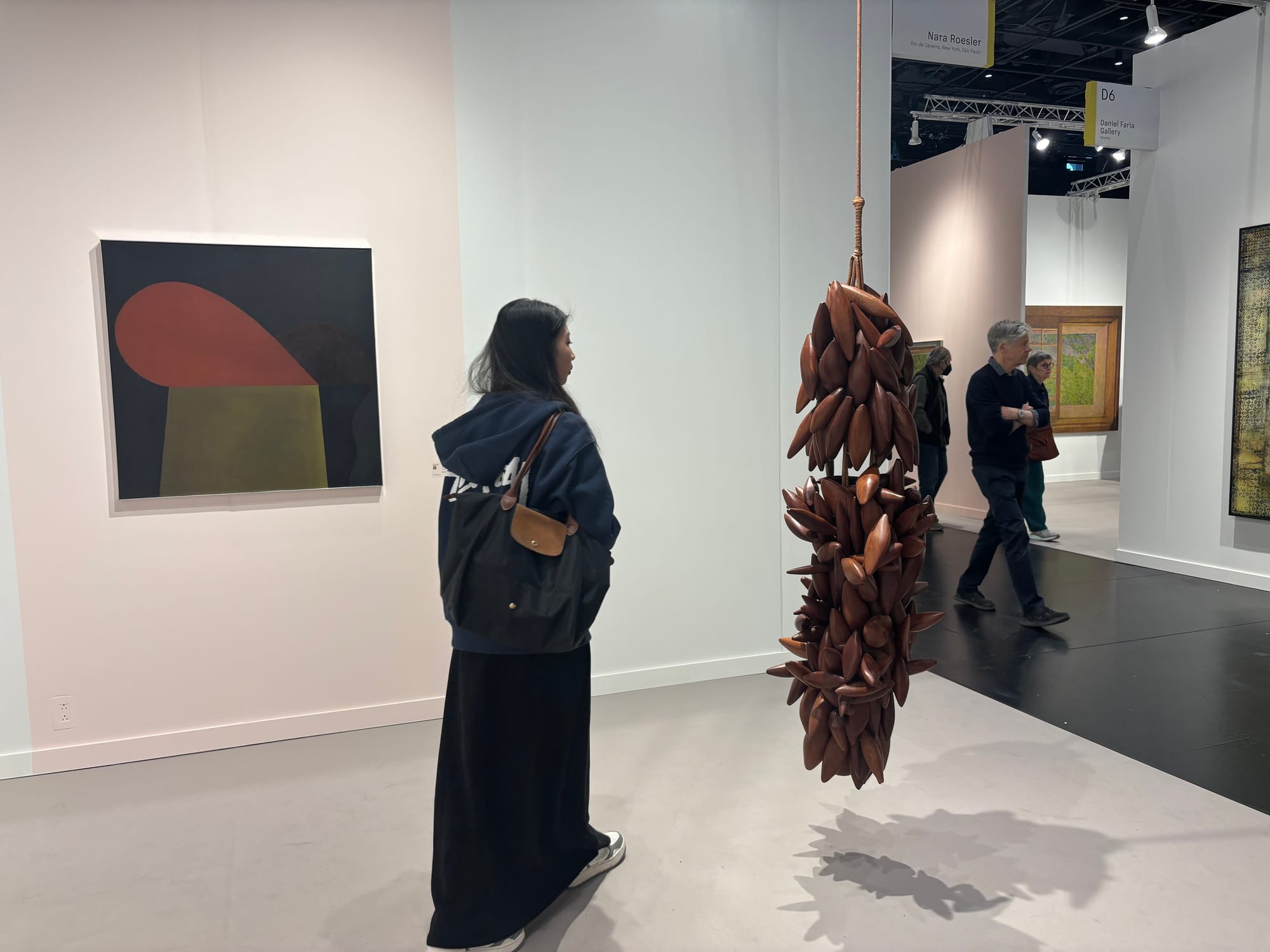
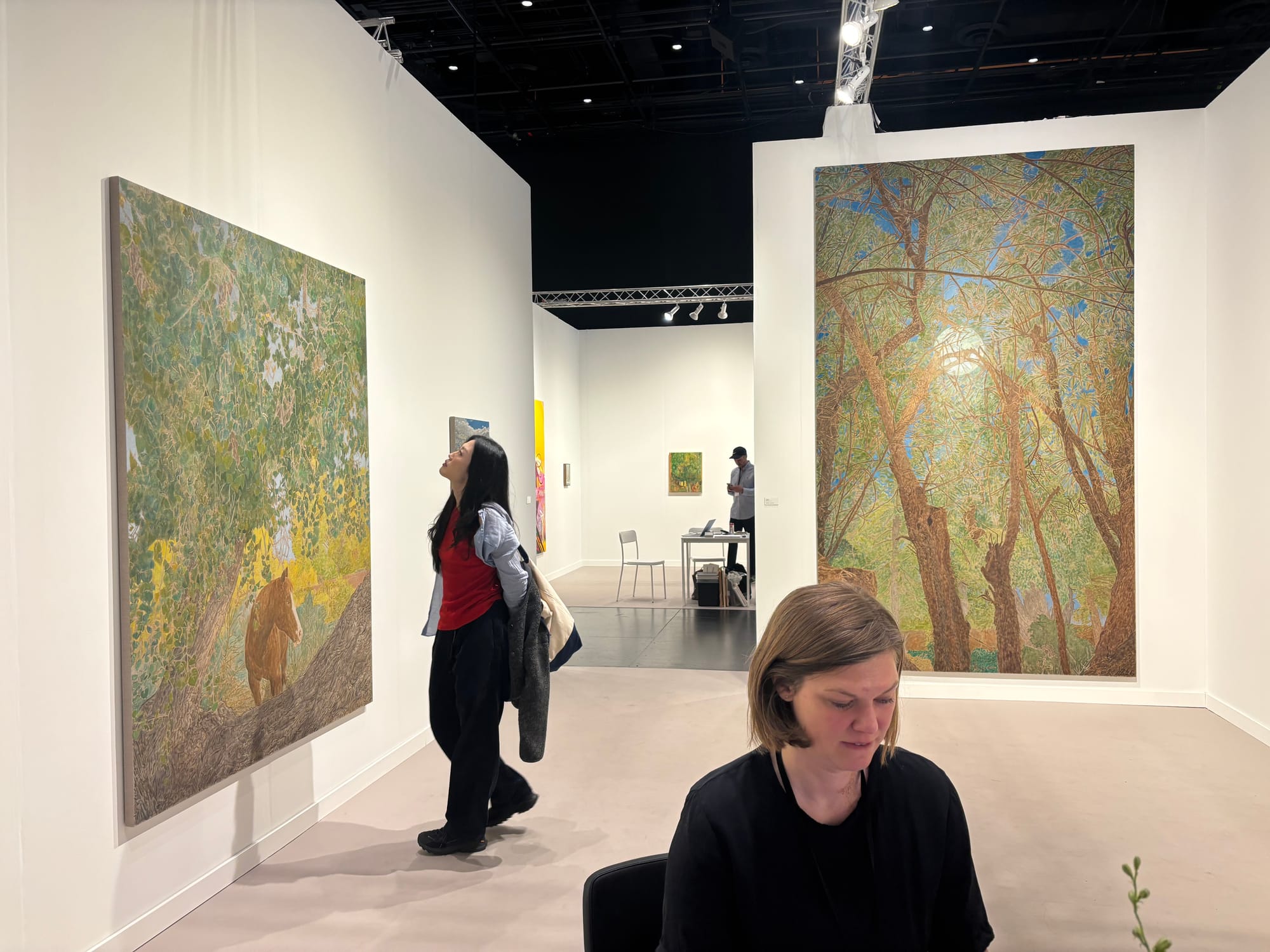
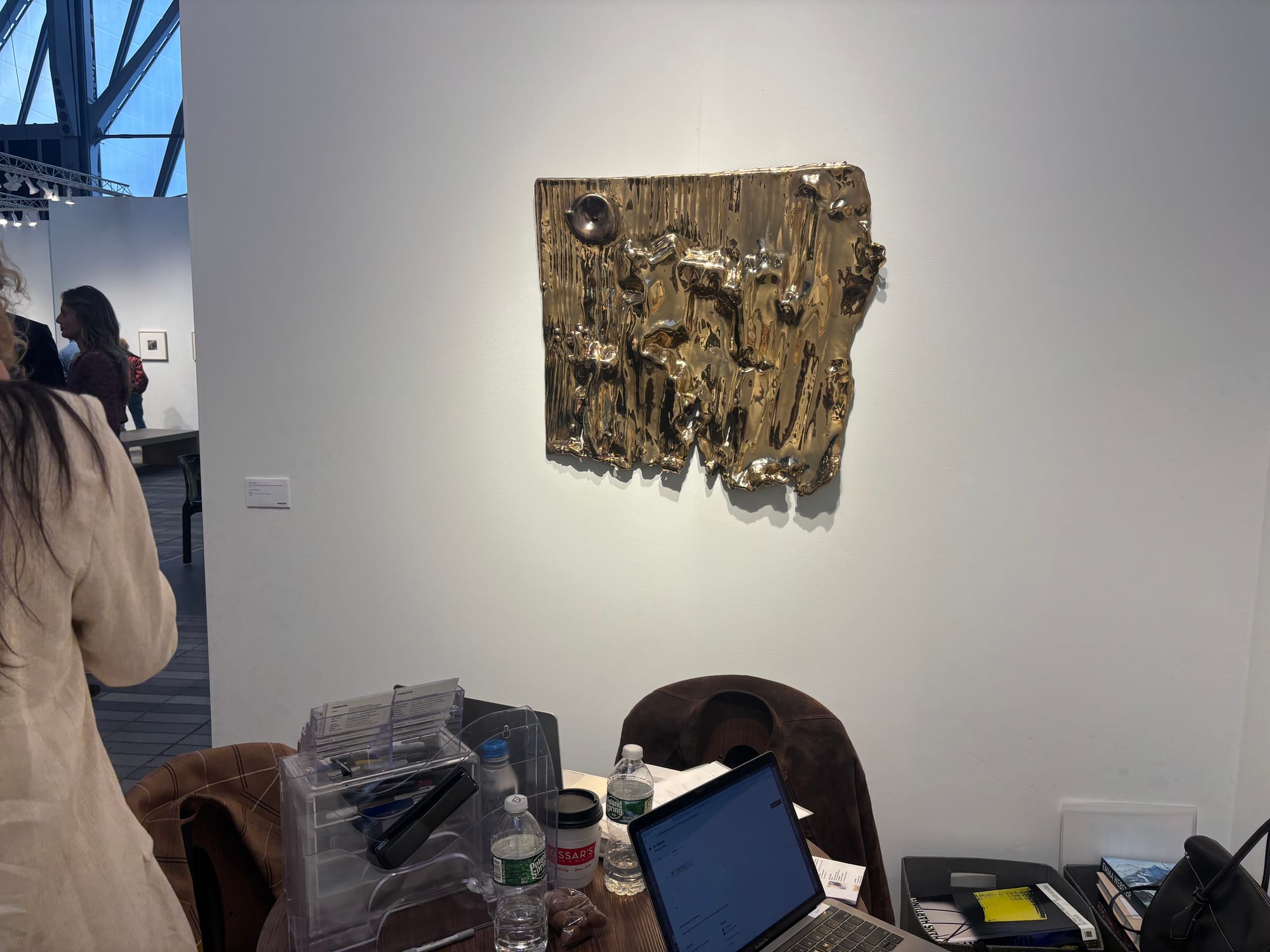
Other works that helped me forget I was at an art fair embodied the natural world, transcended market tropes, or met my gaze with a lighter touch: Ana Silva's portrait of a mother and her baby embroidered on crinoline, the gauzy material worn beneath skirts to create volume, suspended as though untethered in the booth of A Gentil Carioca; Lebanese artist Nabil Nahas's pumice stone and pigment wall sculptures evoking a vibrant amalgamation of coral; a haunting Tomie Ohtake oil on canvas, presented by Nara Roesler, whose surface appears endless; Hayley Barker's outsized paintings at Night Gallery, portals to a warmer, more sweetly scented place.
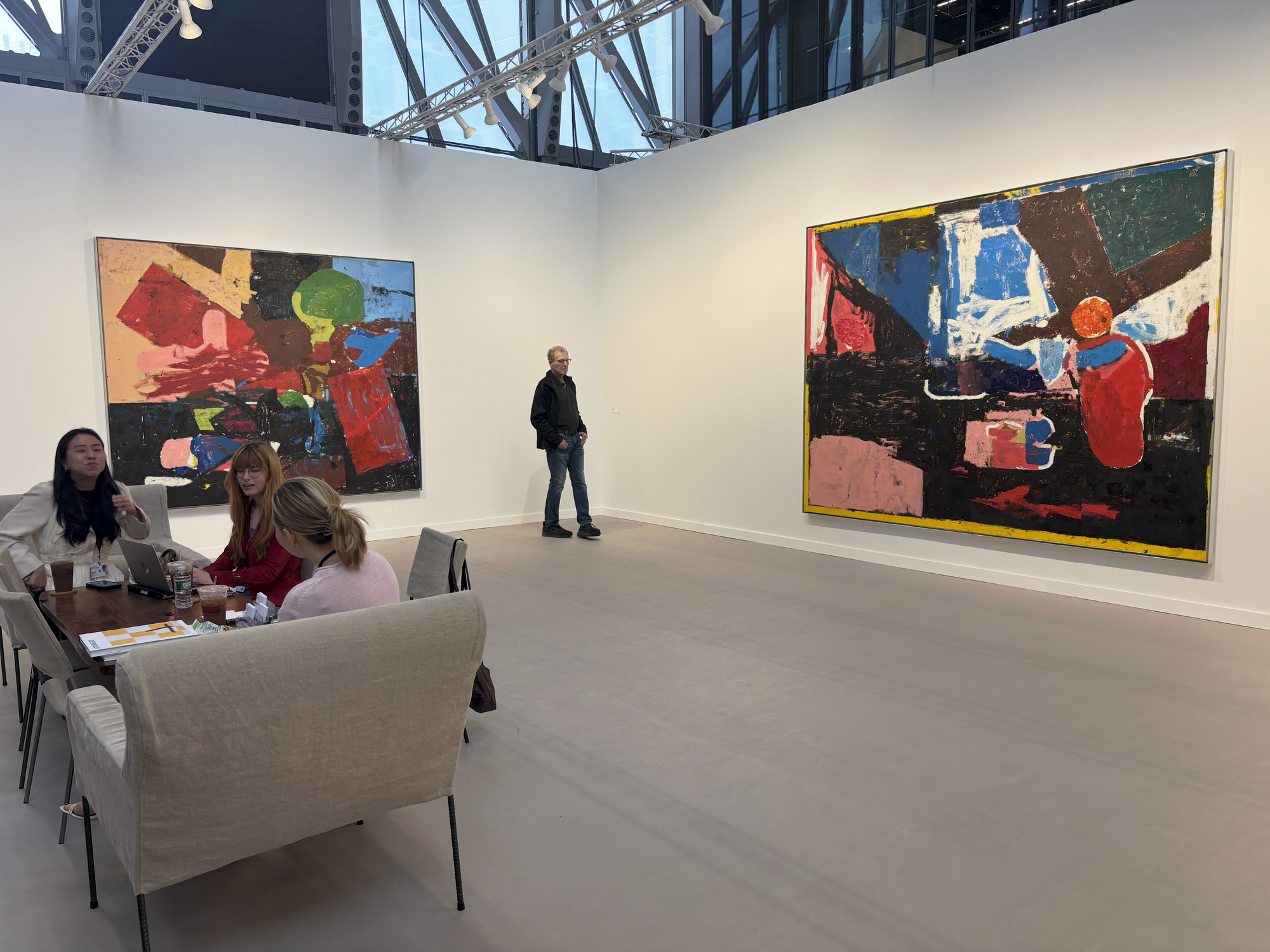
I was jolted violently back to reality by a selection of unfortunate new paintings by Joe Bradley on view at David Zwirner's booth. I wondered, hopefully not out loud, who is buying all this art, particularly given geopolitical turmoil and socioeconomic uncertainty. Several dealers I asked, who responded timidly and mostly not on the record, suggested that the art world is behaving more like Wall Street, where stock markets are thriving despite the US and Israel's prolonged and disastrous war on Iran. Brian Faucette, a senior director at Night Gallery, observed that fluctuating oil prices, caused by the closure of the Strait of Hormuz, might lead corporate collections, in particular, to tighten their belts. Veteran dealer Miguel Abreu added that the fair was soaking up some of the secondhand "euphoria" of major collections coming up at auction next week, which give the impression, perhaps misleading, of an industry flush with cash.
I inspected a small, insipid bronze by Alma Allen of Venice Biennale infamy, which sold for $45,000 at Perrotin Gallery, and a wave of apathy washed me away.
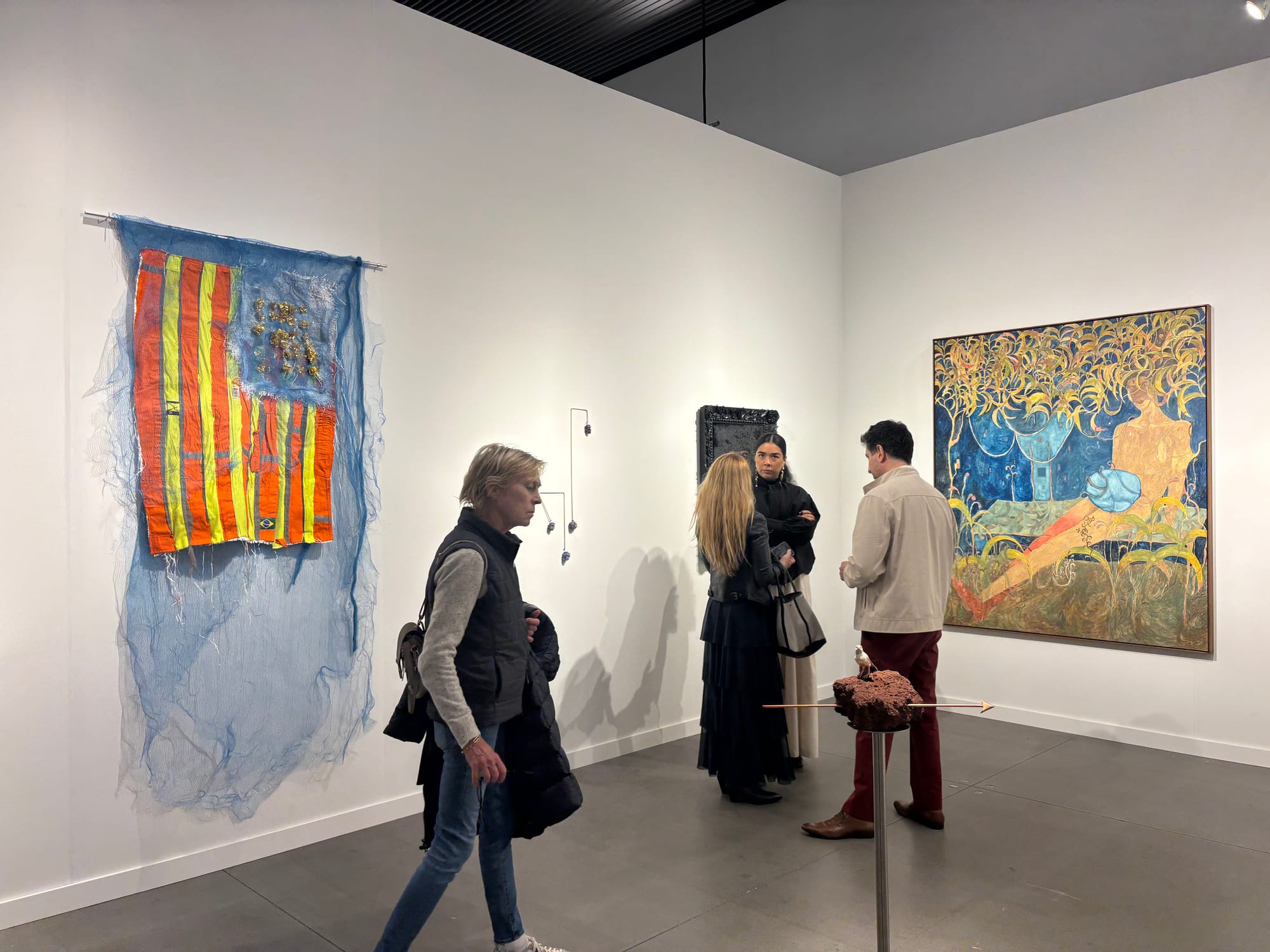
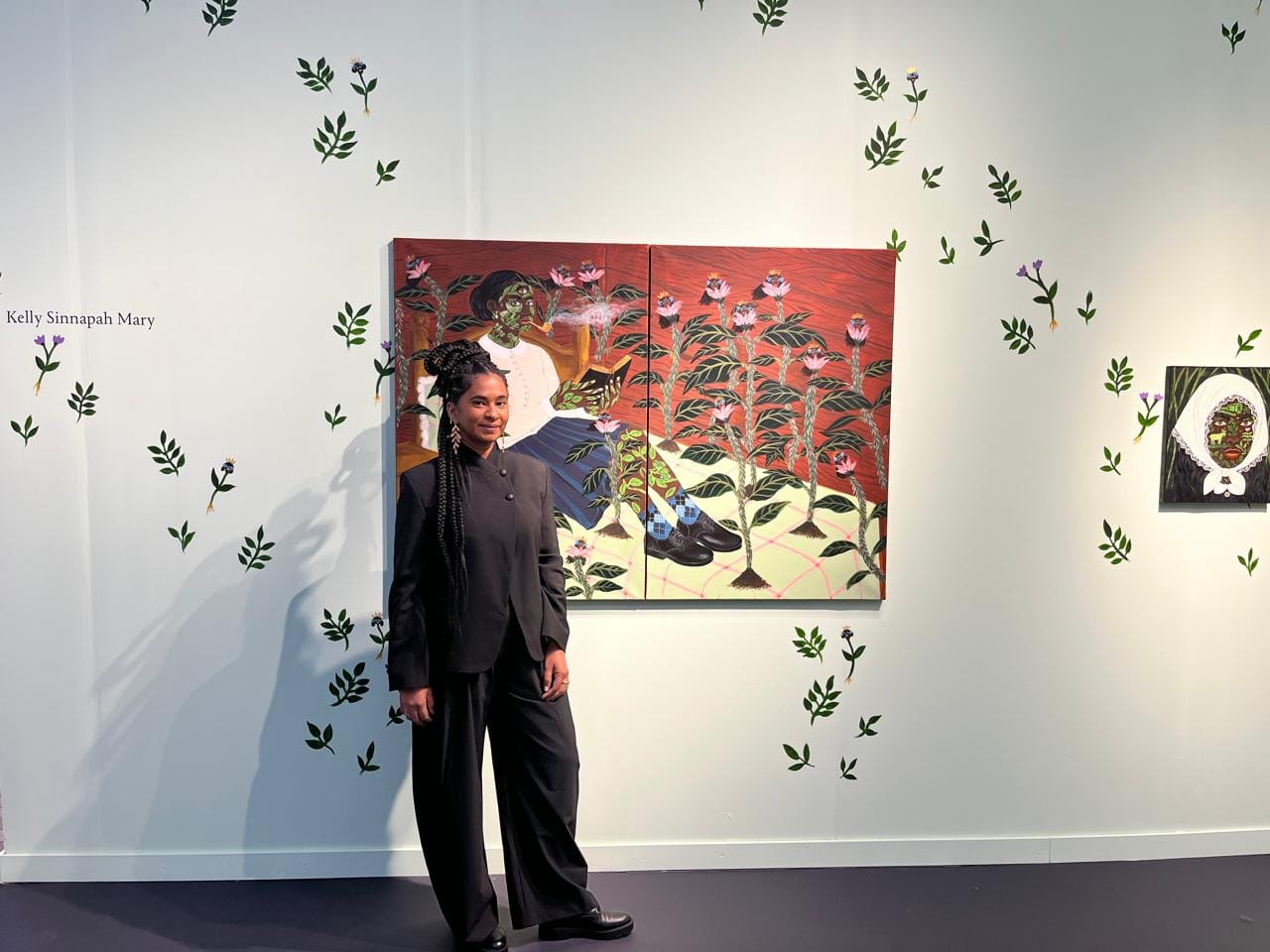
At James Cohan's booth, I encountered a not entirely rare but always welcome sight at an art fair: an artist. Kelly Sinnapah Mary depicts familial gardens in Guadalupe in expansive canvases that function as tributes to her grandmother, Violette, and the botanical knowledge of healing she passed down. "I feel she had the power to talk to the soil, and to talk to plants," she told me. I sensed the fair's relentless churn melt away around us, the hand-painted walls of the booth enfolding us in a quiet embrace, a short-lived oasis.
It was an especially dystopian week for the New York art world, with the types of headlines my colleagues and I might imagine during brainstorming sessions for our annual April Fools edition: The Met is merging with Ronald Lauder's Neue Galerie, the Frick Collection will be sponsored by Louis Vuitton (and will host their next fashion show). We lost three luminaries of art history: Reginald Madison, Mary Lovelace O'Neal, and Valie Export. Unfolding against this backdrop, fairs are the purest distillation of the art world's cognitive dissonance. On the anodyne floors of The Shed — a venue that more than a few people I spoke to said, unprompted, inspires a specific sense of doom — we are acutely confronted with the psychologically depleting and increasingly unbearable exercise of compartmentalization.