Genesis P-Orridge’s Subversive Mail Art Goes on View
The late artist’s submissions to General Idea in the 1970s are the subject of a focused exhibition at Art Metropole in Toronto.

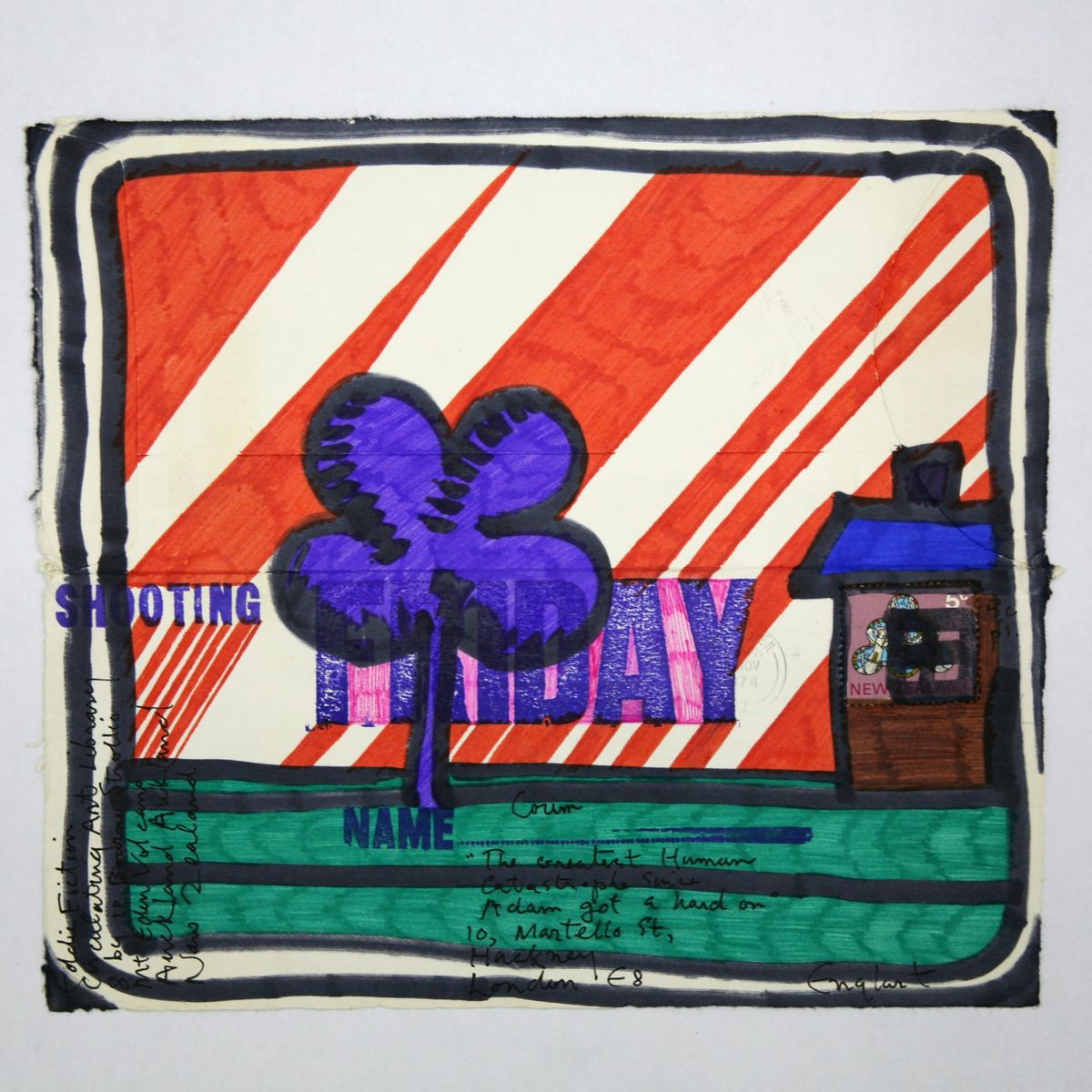
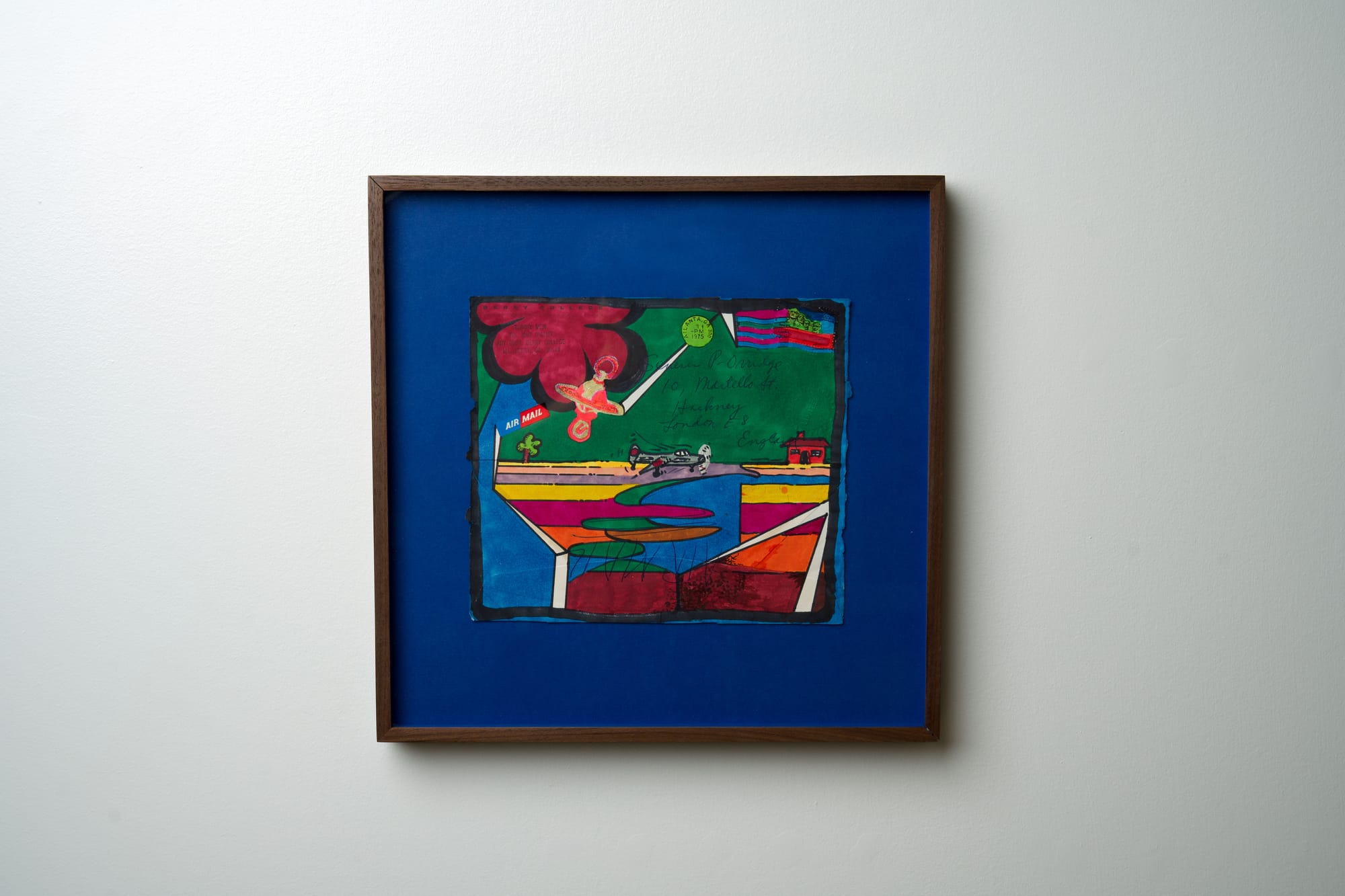
From the early 1970s to the late ’80s, the unconventional Canadian artist collective General Idea facilitated an international network of correspondence art through FILE Megazine, a self-published periodical comprised of guest submissions. The collective received piles of entries from Genesis Breyer P-Orridge, the late transgressive visual and performance artist whose explicit, multidisciplinary practice raised hackles around the United Kingdom and worldwide.
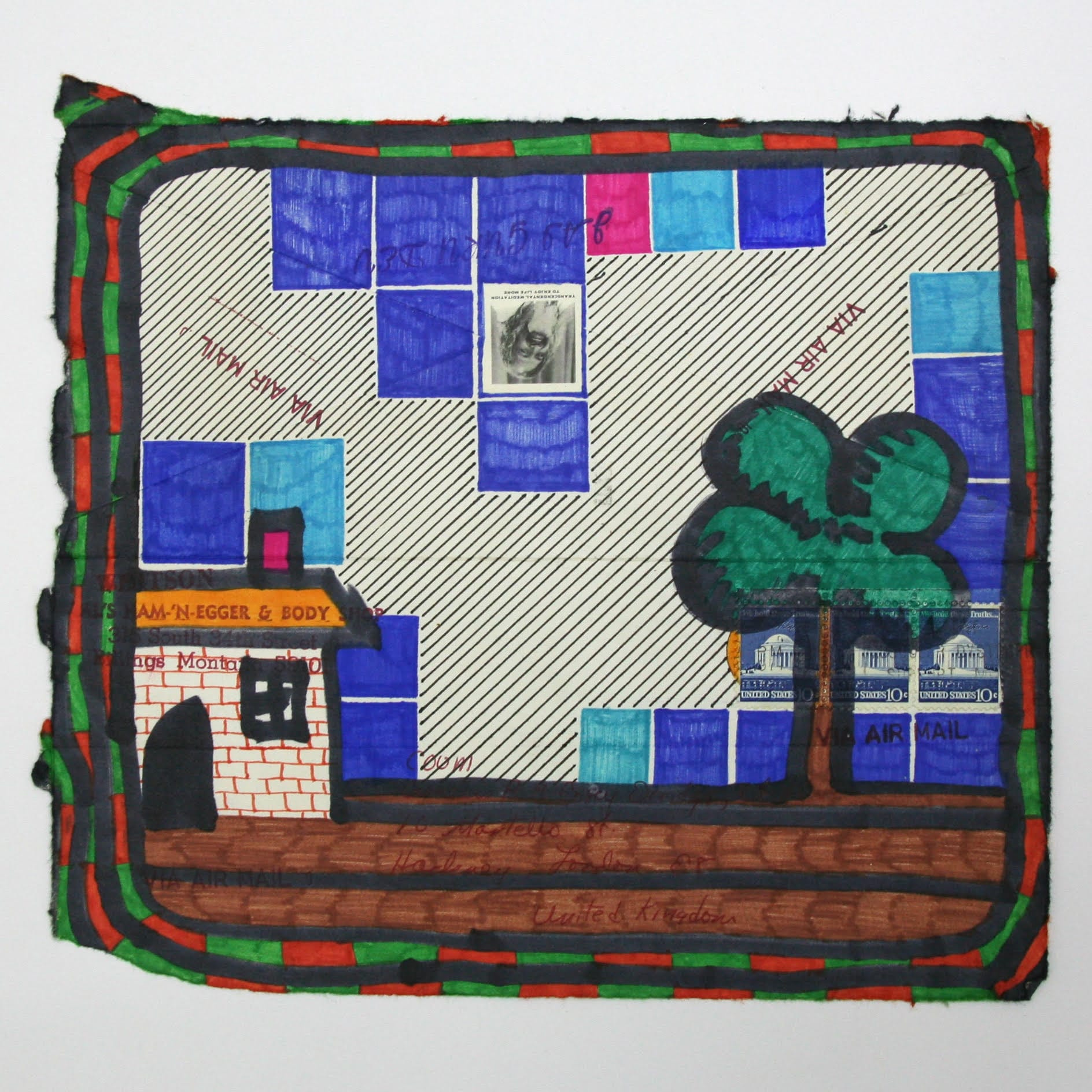
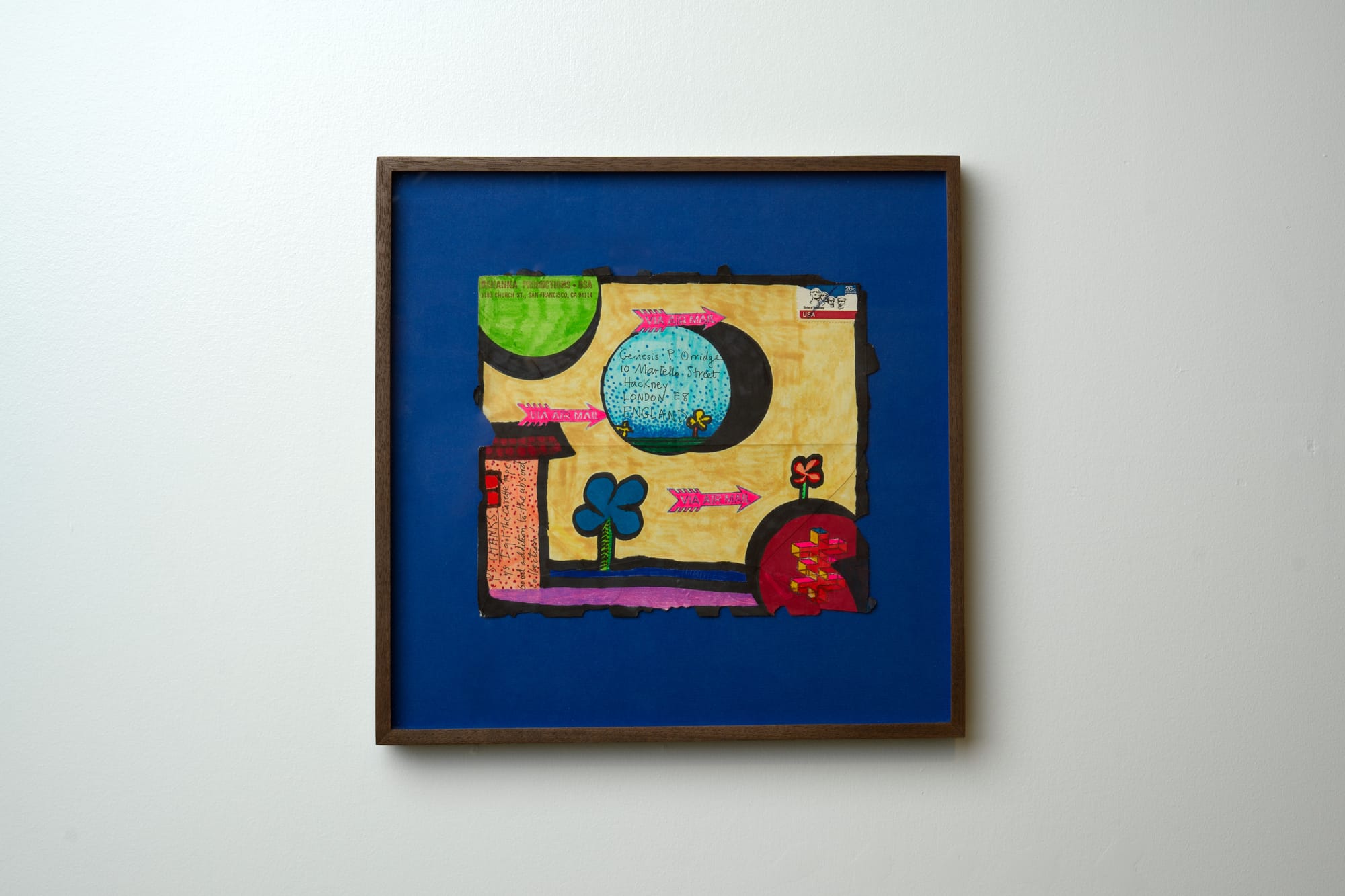
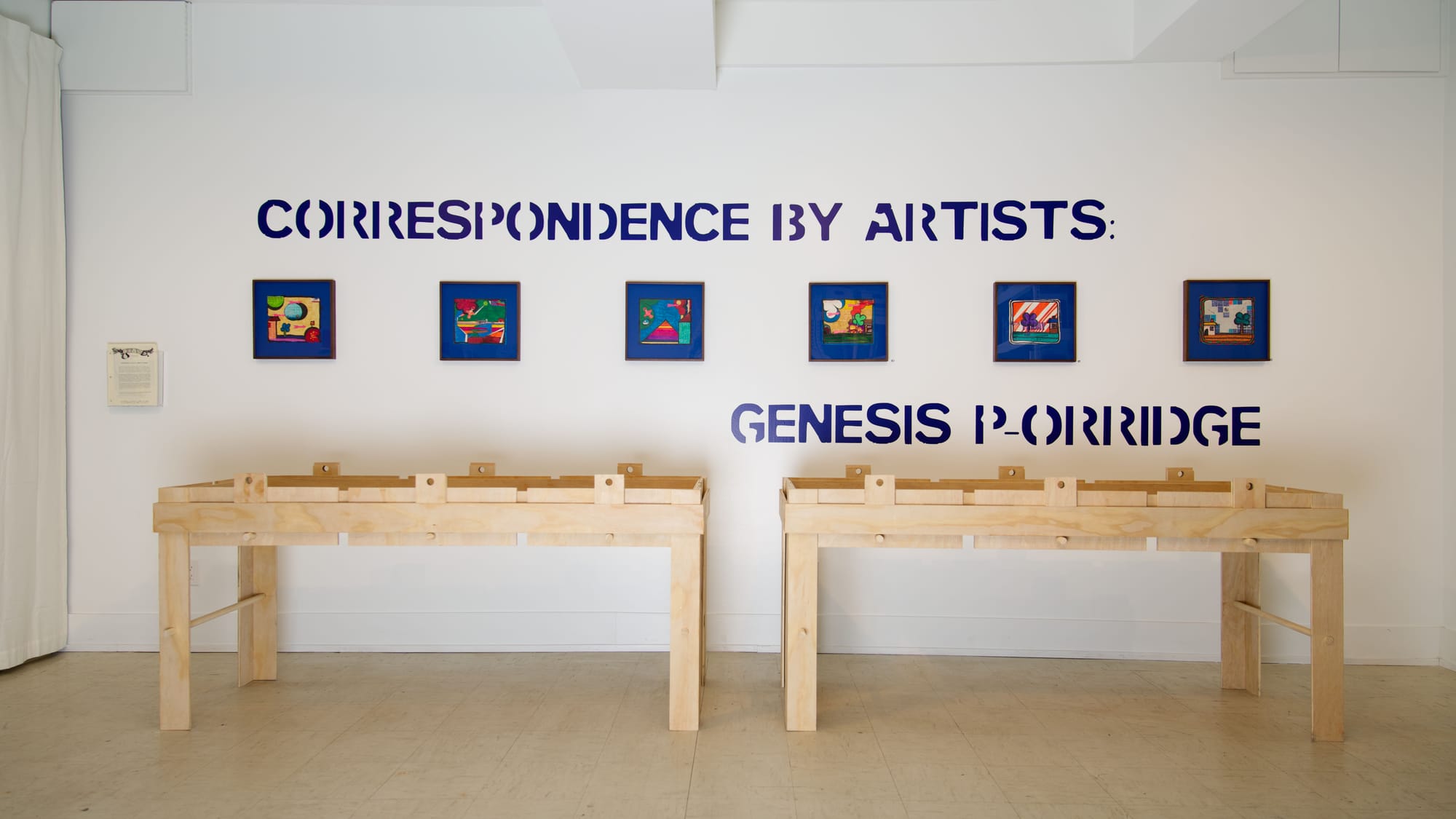
Stewarded by the National Gallery of Canada (NGC), a selection of P-Orridge’s mail art from approximately half a century ago has now emerged for a focused exhibition at Art Metropole in Toronto, marking its brief return to the space General Idea founded in 1974. On view through May 31, P-Orridge's letters, collages, photos, and other submissions to General Idea serve as timestamps across the artist's early career as a founding member of the art and music collectives COUM Transmissions and later Throbbing Gristle.
The accessibility and intimacy of the mail art movement were uniquely outfitted for subversive and experimental artists like P-Orridge, whose practices operated far outside the boundaries of market standards. While liberating, mail art was not without its risks, as P-Orridge learned in 1975, when s/he was prosecuted for making collages of Queen Elizabeth with soft-core porn elements.
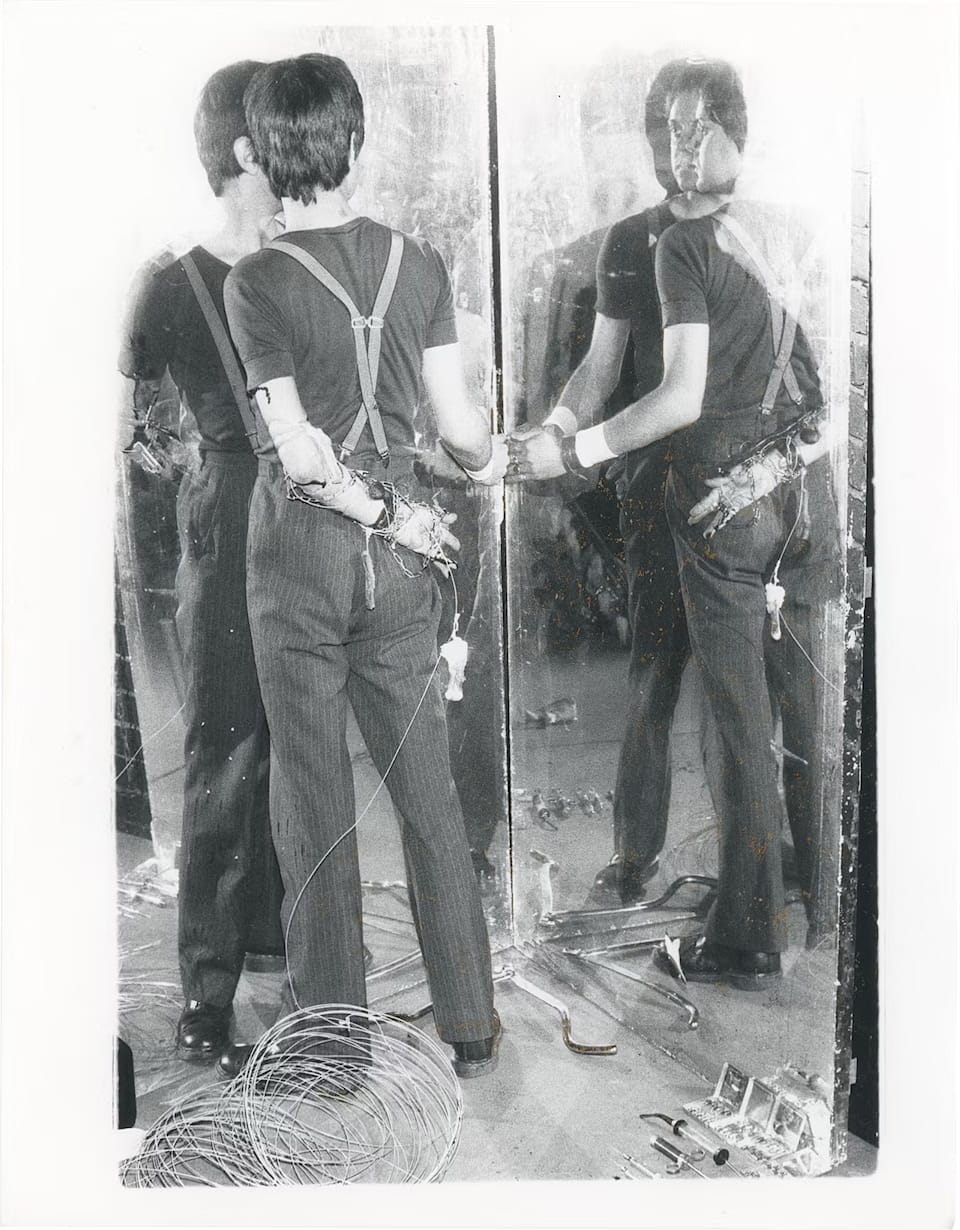
Born Neil Megson in Manchester in 1950, P-Orridge became interested in art, the avant-garde, radical counter-culture, and the occult as a youth, and came of age at the height of the hippie subculture's popularity in the UK. A brief but influential stint at an alternative commune that deconditioned members out of all conventional behaviors and routines led to the artist's adoption of the pseudonym Genesis P-Orridge in 1969.
During the family trip that same year, P-Orridge had an episode of disembodiment that gave birth to COUM (Cosmic Organicism of the Universal Molecular) Transmissions, a music, performance, and visual art collective rooted in Dadaism, surrealism, psychedelics, punk culture, and the notion of subverting the conservative nature of British society and media by any means possible. P-Orridge and fellow group members Cosey Fanni Tutti, Spydeee Gasmantell, and John Shapeero, among others, produced notoriously shocking exhibitions and musical and visual performances focusing on the abject and the obscene primarily along the margins of the sexual revolution via pornography, queerness, sex work, and BDSM.
P-Orridge and Tutti would go on to form Throbbing Gristle with Peter “Sleazy” Christopherson in 1976, another provocative visual and musical troupe that was widely regarded as a pioneer of the industrial music genre. The group's cacophonous live performances took COUM Transmission's explicit notoriety to another level by infamously including more sinister references to fascism, bodily mutilation, serial killers, societal decay, and other human brutalities to wake the public up to the realities of the human condition.
From the Art Metropole collection, P-Orridge's mail dispatches from this influential decade operate as an unofficial archive for both groups. Performance scripts, decorated envelopes, events ephemera, and newspaper clippings of pearl-clutching critic reviews have all found their way from the LIFE Megazine mailbox to the Art Metropole collection. The select objects return to the artist-run space — which General Idea founded as an archive for artists' exchanges — for the first time since 1999, since Art Metropole handed over its holdings to NGC for conservation.
Correspondence By Artists: Genesis P-Orridge also marks the 50th year since Throbbing Gristle's premiere performance in 1976.
Among the most important selections in the show are some of P-Orridge's postcard “cut-ups,” Dadaist collages and poetry expanding on the work of William S. Burroughs and Brion Gysin. The “cut-ups” laid the framework for Pandrogeny (1993), a gender expression project through which P-Orridge and h/er spouse, the late Lady Jaye, underwent multiple bodily modifications, cosmetic procedures, and hormonal treatments to “try and look as much like each other as possible.”
Reflecting on how Burroughs and Gysin said their cut-ups were authored by a “third mind,” P-Orridge explained of Pandrogeny in a 2019 interview with Them that s/he and Lady Jaye wondered if cutting themselves up could help them become a “third thing.”
“And that’s the pandrogyne,” P-Orridge said. “It began as an expression of unlimited love, but then become [sic] research into why we feel this way, and what it implies about our position in society. We decided we’d do an actual cut-up, and become each other as far as we could. Not just to make a statement, but to demonstrate our absolute commitment.”