Photo Books for Summer’s End
Ten tomes on photography to tide you over this month. Also, a new book begs the question: Why won’t Britain return looted gold to Ghana?

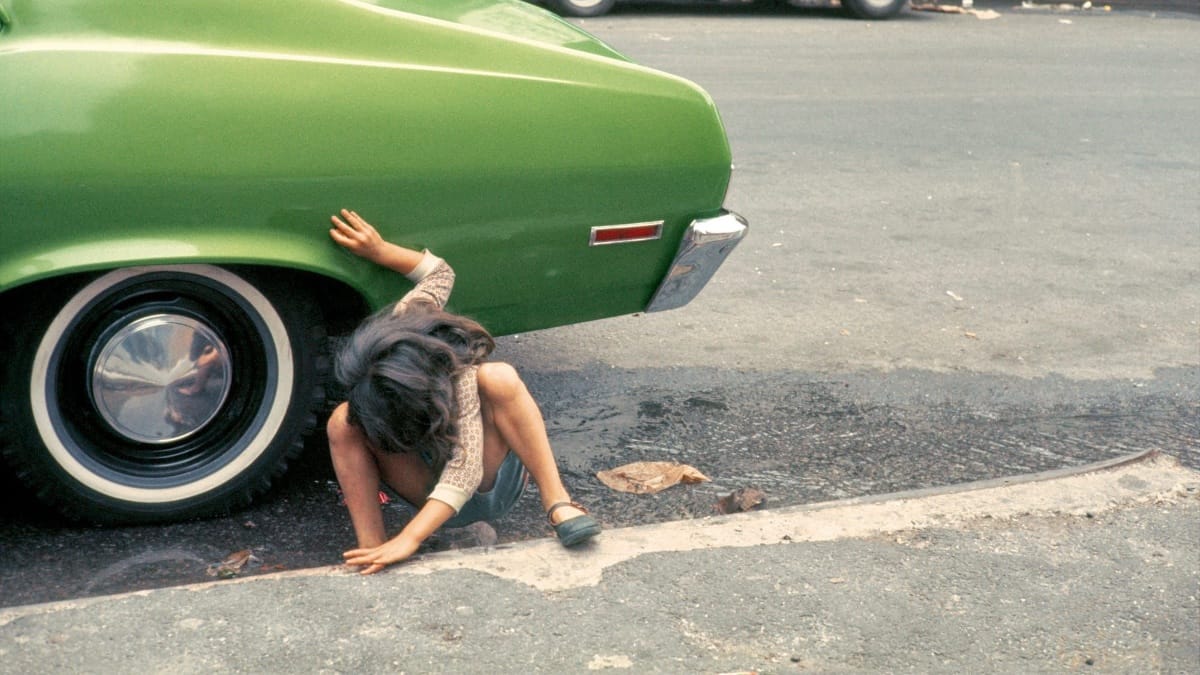
Even though September and the fall publication flurry are inching closer, mentally, I’m still in June — colorful, lush, sun-soaked June. My camera roll from this summer takes me right back to those euphoric weeks of New York City victory (Knicks in five!) and languorous time outdoors. Eight decades earlier, Helen Levitt captured the kernel of that same city spirit: children playing, subway shenanigans, and playful sidewalk chalk drawings.
Hers is one of several bodies of work at the heart of new and recent photo books, evergreen companions of sorts. Check out our list of favorites this month, including titles on Nuyorican photographer Sophie Rivera and Walter Chandoha’s absolutely precious trove of some 90,000 cat photos.
More today, including a monograph that analyzes the striking paintings by Armenian Genocide survivor Haroutiun Galentz and a critical review of a book on Britain’s theft of Asante gold heritage.
—Lakshmi Rivera Amin, associate editor
10 Photo Books to Read This Month
Hal Fischer’s archive of queer fashion, Sophie Rivera’s portraits of Nuyorican communities, Rania Matar’s love letter to Lebanon, and more new titles to check out from photo book publishers.
Read MoreFrom Our Critics
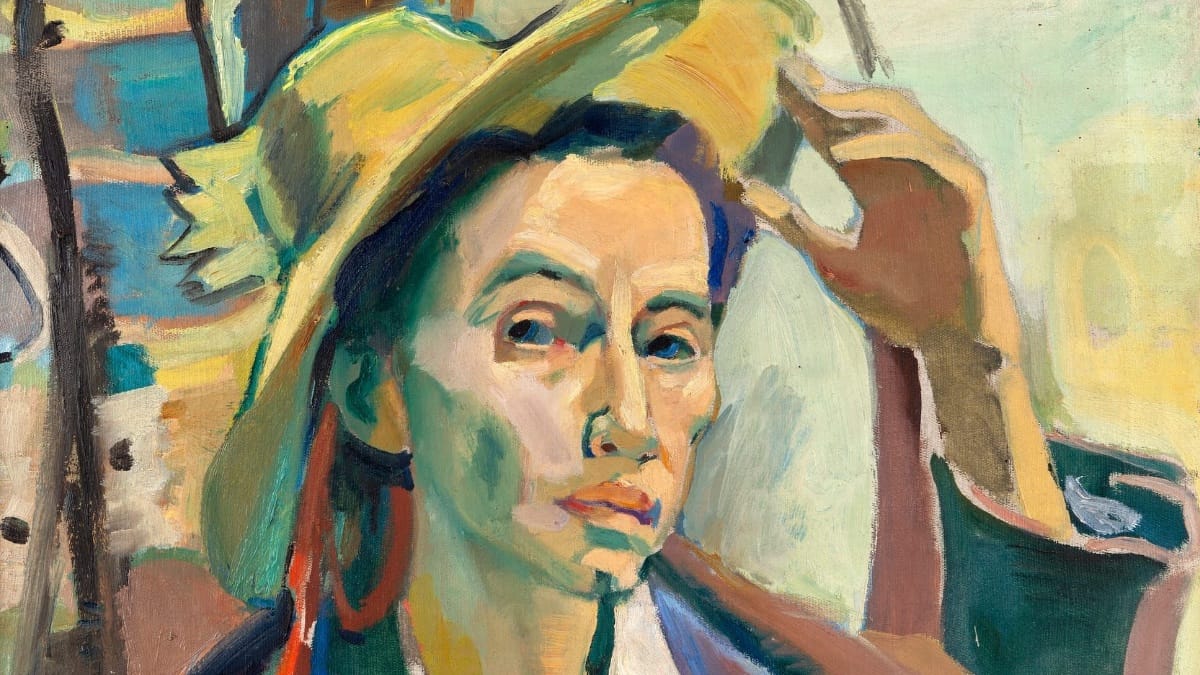
Haroutiun Galentz’s True Colors
A new book traces the function of color as both a mask and a mirror in psychological portraits by the modernist painter, who lost his parents during the Armenian Genocide. | Tamar Boyadjian
Read MoreWhy Won’t Britain Return Looted Gold to Ghana?
In The African Kingdom of Gold, Barnaby Phillips explores how British colonial forces plundered the Asante people and expertly traces the stolen artifacts’ afterlives in museum storage. | Aditya Iyer
Read MoreMaria Martins Was More Than Just Duchamp’s Lover
A new book by leading Duchamp scholar Francis M. Naumann chronicles the artist’s affair with the Brazilian sculptor, but frequently reduces her influence and career to sexual allure. | Lauren Moya Ford
Read MoreIn the News
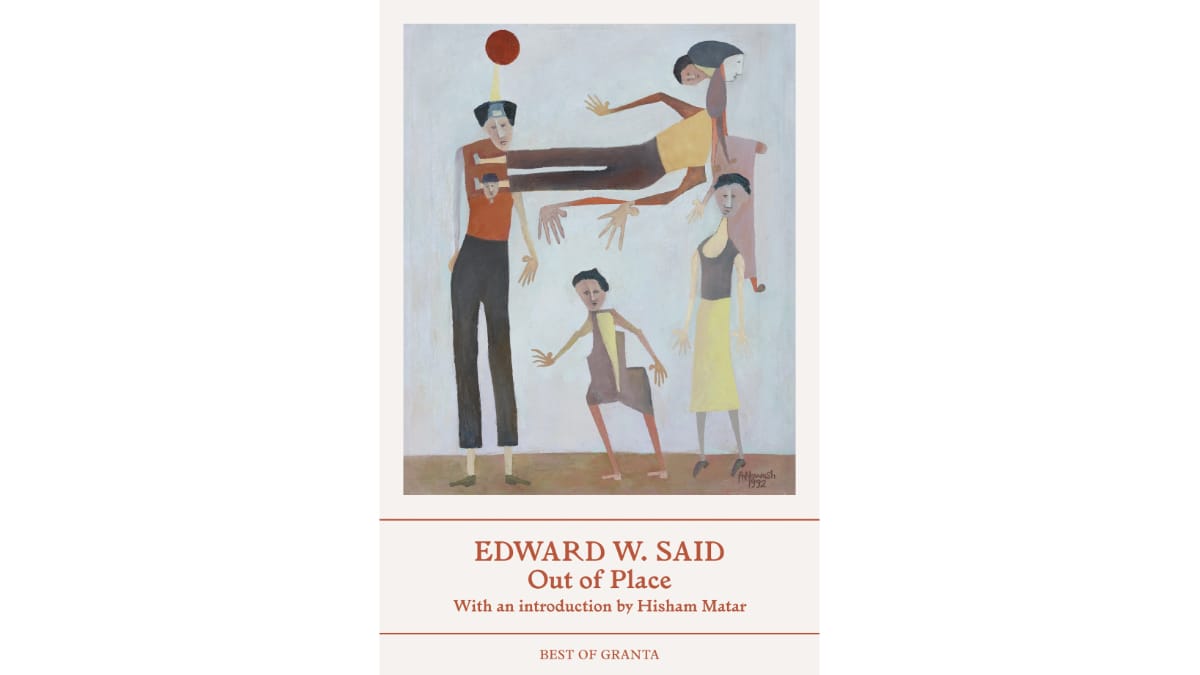
- The London publishing house Granta just reissued Palestinian scholar Edward Said’s 1999 autobiography Out of Place, complete with a new design and foreword by British-Libyan writer Hisham Matar. A captivating painting graces the cover: “Epic No. 2” (1992) by Palestinian artist Ahmad Nawash, who, like the author, was displaced by the Nakba in 1948. Spectral figures drift across his pale canvases, fragmented and floating through a landscape thick with fog. I love this selection; Nawash’s modernist vocabulary feels like a wordless companion to Said’s work, an effigy of collective grief, and an ode to Palestinian kinship.
- Zine-lovers assemble — Printed Matter just announced the programming and 300 exhibitors for its New York Art Book Fair at MoMA PS1! Mark your calendars for September 24 to 27. So many personal favorites I'm excited to see on this list, including Sming Sming, Ugly Duckling Presse, Wendy's Subway, Archivo de la Memoria Trans, Fugitive Materials, and Loose Joints Publishing.
From the Archive
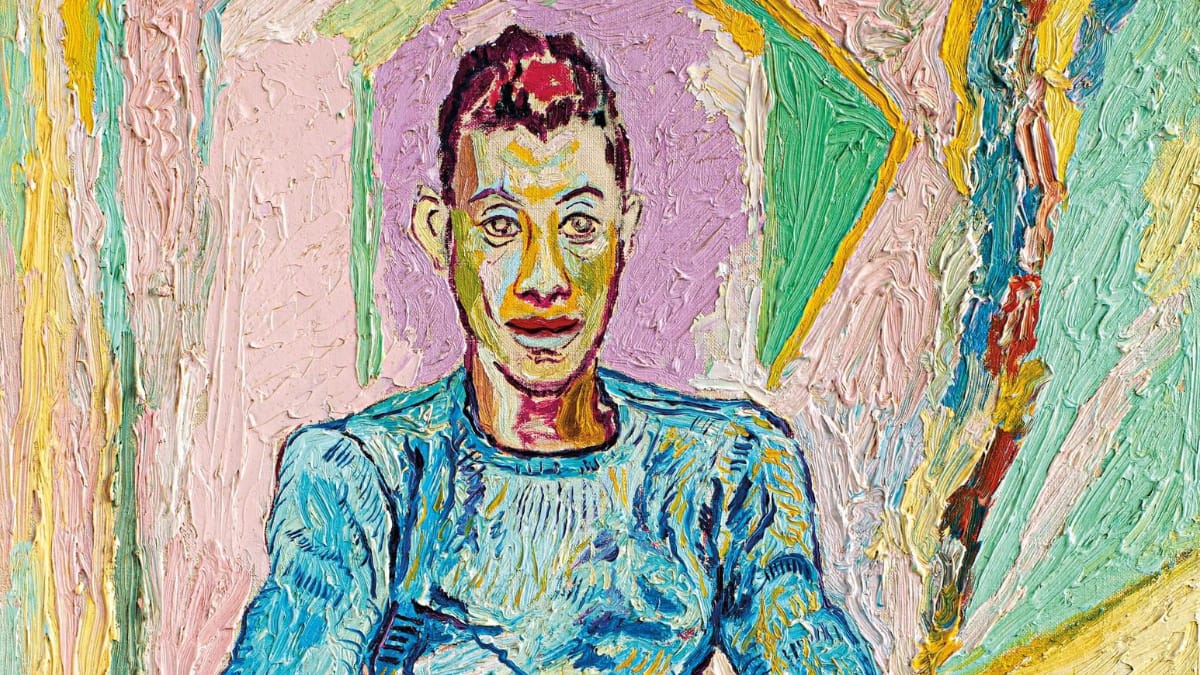
The Artist Who Taught James Baldwin to Write Like a Painter
The essays in Speculative Light explore the many ways in which Beauford Delaney, another queer Black man, revolutionized Baldwin’s cultural perspective and imagination. | Jasmine Weber
Read MoreRequired Reading
- Roshan Abraham writes for Hammer & Hope about the unpublished novel June Jordan began writing after visiting Fannie Lou Hamer’s short-lived but groundbreaking Black farming cooperative, part of the community land trust movement that continues to this day.
- For the Los Angeles Review of Books, Lori Marso reviews new titles by Eileen G’Sell — Hyperallergic contributor and critic extraordinaire — and Sophie Lewis that probe the politics of feminine aesthetics, complicating them and reclaiming their radical potential.
- Slate’s Nadira Goffe reports on the bump in sales of the Odyssey following the release of the film adaptation by Christopher Nolan (and how translator Emily Wilson’s recent viral pan factors into the equation).