Rare Early Basquiat Works Return to Brooklyn After HBCU Tour
“Our Friend, Jean,” an intimate collection from the precipice of the artist’s career explosion, is going on view at The Bishop Gallery starting this weekend.

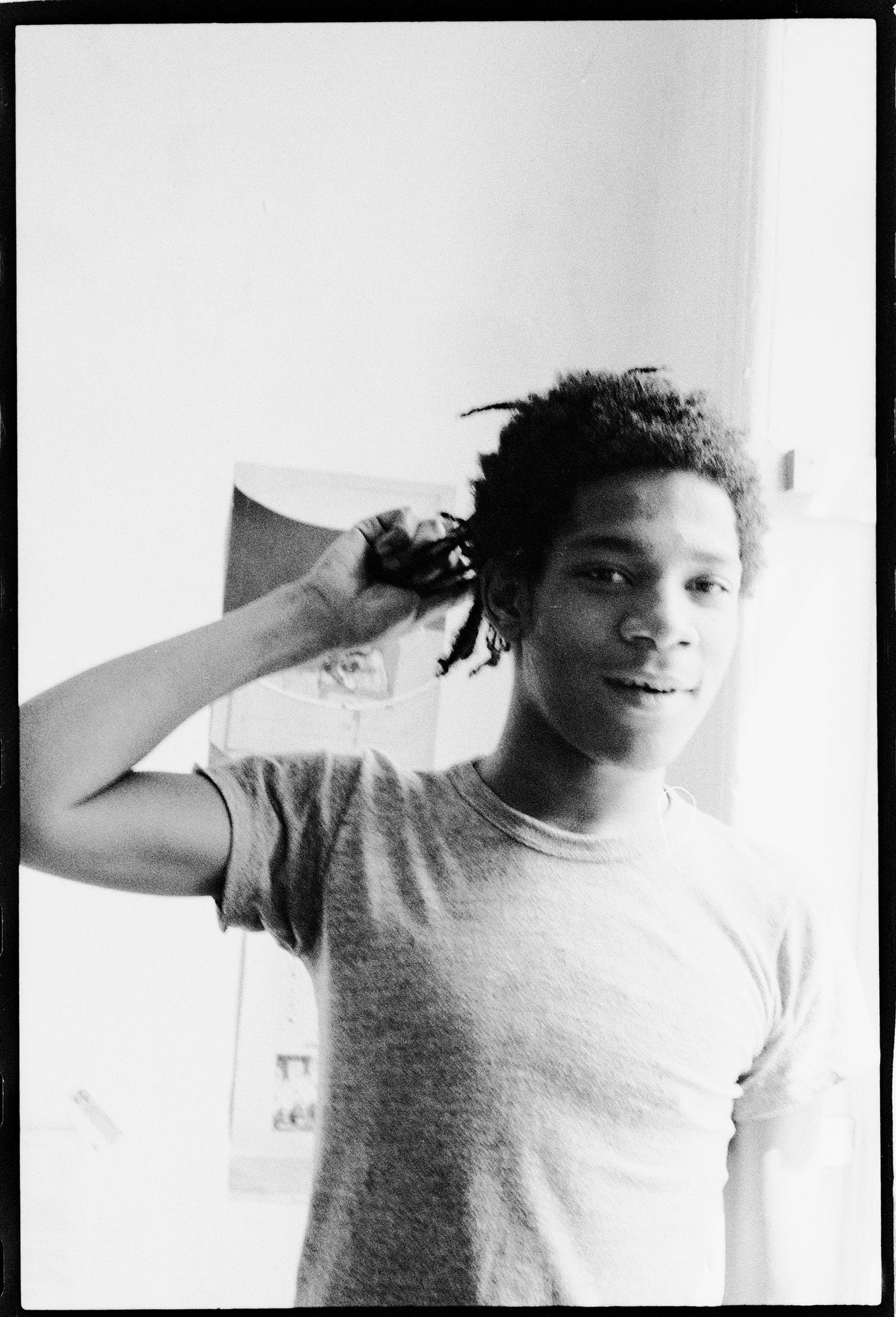
While thousands will descend upon Manhattan this week for the bulk of New York's spring art fairs, a Brooklyn gallery encourages us to tune out the numbers and trends and spend time with some of the most important samples of contemporary art history ever produced in the city. Opening Saturday, May 16, Our Friend, Jean at The Bishop Gallery is an intimate collection of art and ephemera from the precipice of Jean-Michel Basquiat's career explosion.
In a phone call, the gallery's co-founders, Erwin John and Stevenson Dunn Jr., reminded Hyperallergic that they had initially developed and presented Our Friend, Jean at their previous gallery location in 2019. A majority of the exhibition came from the archive of Alexis Adler, Basquiat's former roommate, friend, and intimate partner from 1979–80, while other objects came from the likes of Jane Diaz, Katie Taylor, and Hilary Jaeger — all of whom were close with the artist at various points in his short life.
“The title Our Friend, Jean was selected in the sense that this was how they all knew him at that time,” John said.
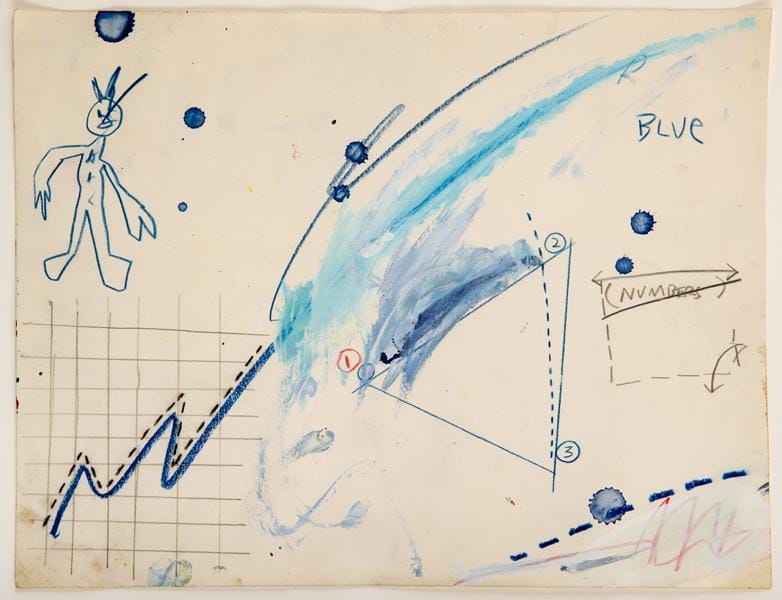
When Basquiat and Adler lived together in the East 12th Street apartment that Adler still resides in, the artist was using anything and everything as a surface for his work, including the apartment itself.
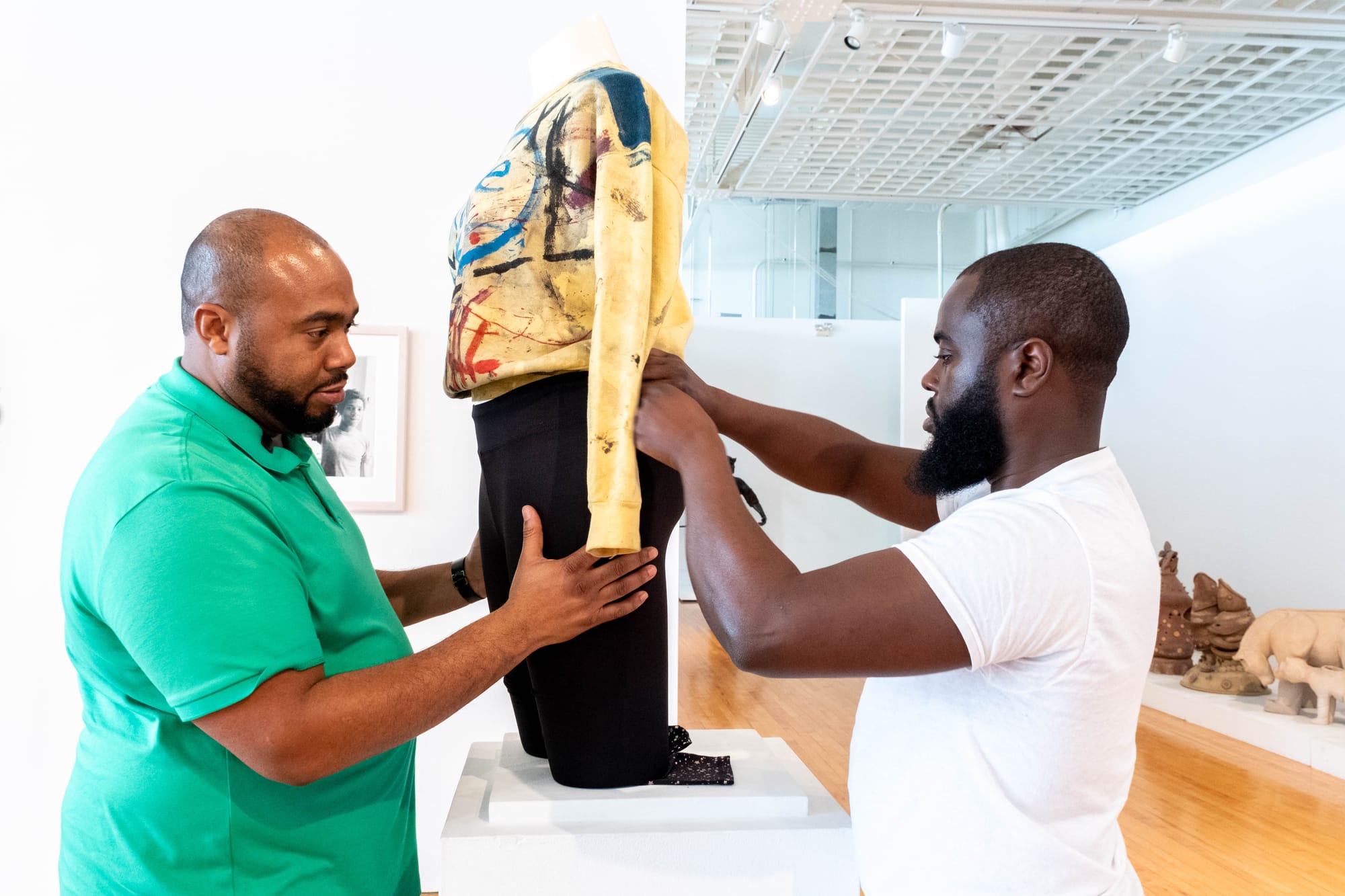
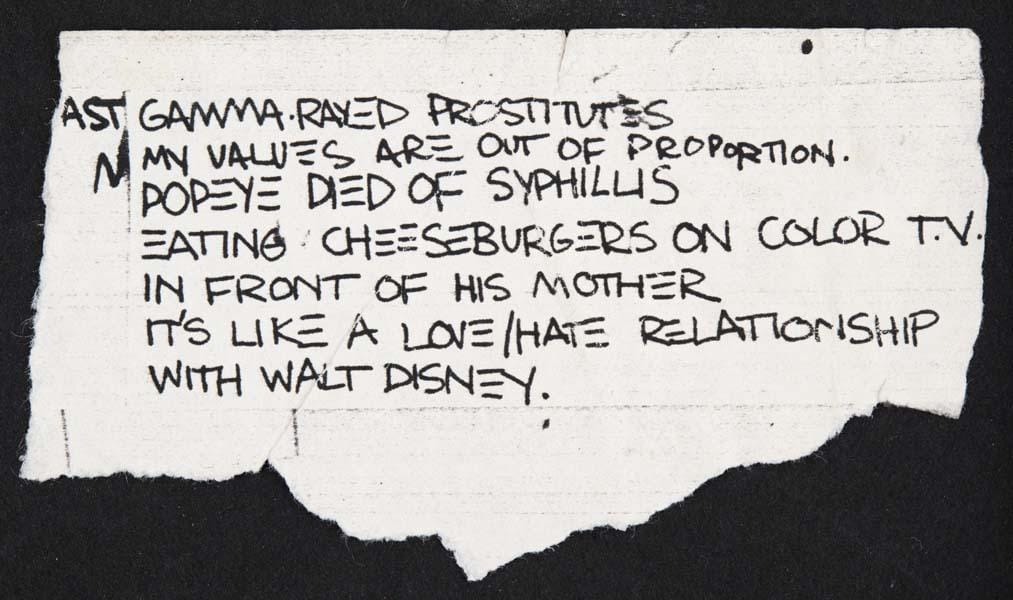
He would also buy and paint on sweatshirts or postcards, sell them on the street, and use the money to rinse and repeat. Adler was left with many of Basquiat's early pieces, a few original sweatshirts, and writings from this late-teenage era, as well as dozens of photographs she took of the artist and his work in the apartment.
Adler's archive was finishing up a museum tour when Dunn and John pitched her the idea of curating the Brooklyn-based exhibition that would then travel to six historically Black colleges and universities (HBCUs) — a major first for Basquiat's work. At The Bishop Gallery, Basquiat's work returned to the artist's birthplace (he was born in Park Slope and raised in East Flatbush and Boerum Hill), and his story was finally being told by Black Brooklynite gallerists who shared and intrinsically understood his background, as he was frequently othered and endured racial discrimination within and beyond the art world.
Our Friend, Jean ended up being the last show at The Bishop Gallery's Bedford Avenue location as the coronavirus pandemic followed shortly after, putting a pin in the HBCU tour. In 2022, the show was finally able to travel to Hampton University, Howard University, Clark Atlanta University, Tennessee State University, Dillard University, and Texas Southern University, re-establishing Basquiat's life and legacy in the Black art history canon that these institutions diligently preserve.
John and Dunn mentioned that 10,000 visitors attended the show across all six universities.
“Probably one of the more transformational moments was involving young college students, who were the same age as Jean-Michel when he made these works, during the install process,” Dunn told Hyperallergic. “Just the idea they could hold the artwork in their hands and participate in the show's curation alongside the museum directors and staff was extremely meaningful to us and them.”
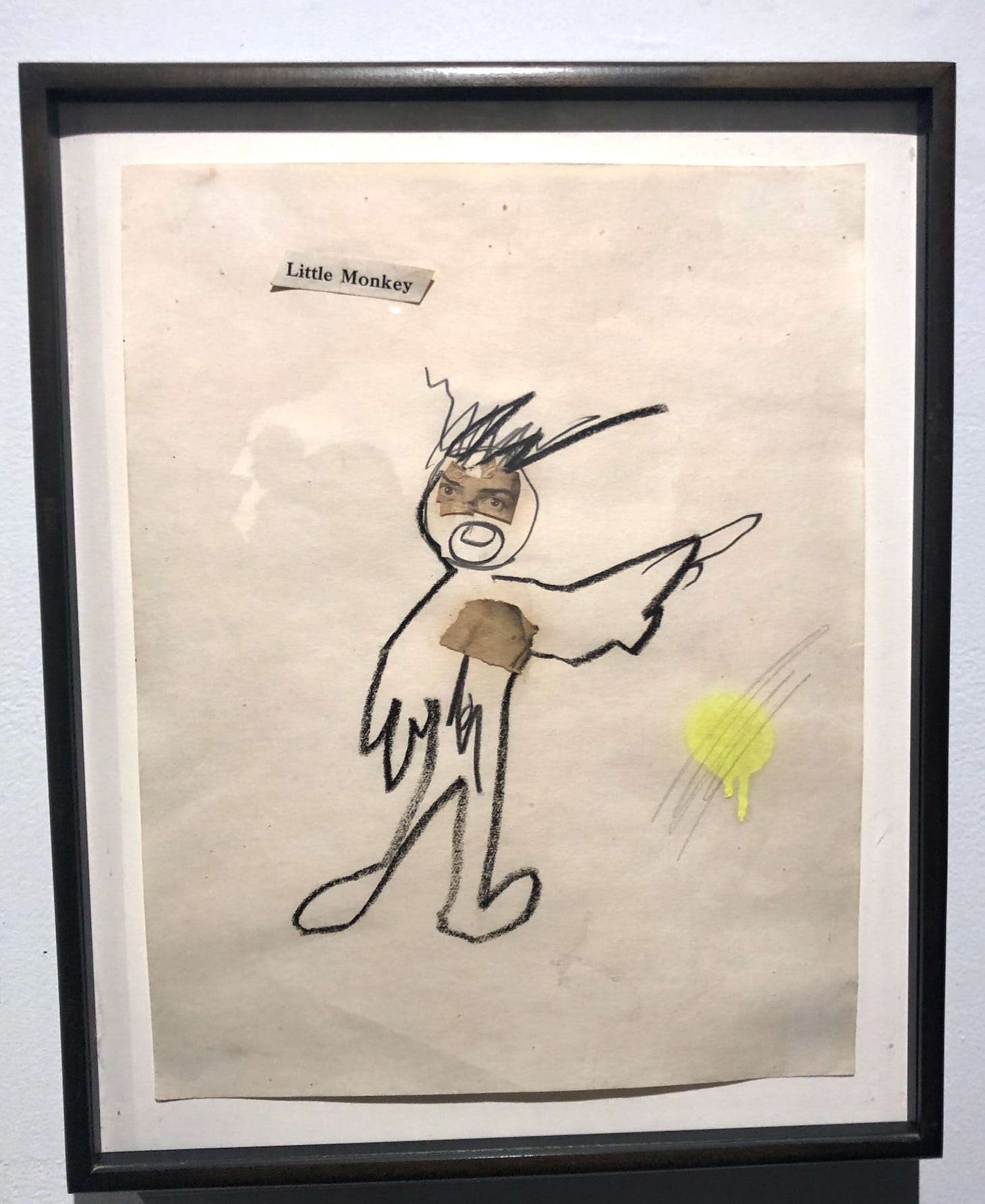
Now, in 2026, Our Friend, Jean returns to Brooklyn at The Bishop Gallery's first-floor location in the Pfizer Building at the edge of Bedford-Stuyvesant, and will remain on view through the end of the year. The exhibition's full-circle moment also marks the gallery's soft-launch of the Bishop Arts & Research Center (BARC) — an initiative through which the gallery hopes to make the work in Adler's archive, as well as the extensive but often undersung art collections of various HBCUs, accessible for additional research, scholarship, and visibility.
John and Dunn referenced the Metropolitan Museum of Art's 2024 exhibition The Harlem Renaissance and Transatlantic Modernism, which was largely comprised of crucial collection loans from the same universities that Our Friend, Jean toured, adding that BARC would host rotating curations from said collections.
BARC will operate as a satellite location to promote the holdings and happenings of HBCU museums and galleries to help secure more funding, support, and community-centered access to these critical archives of Black art.
“ It's going to be a place where we encourage people to come and exchange ideas, debate, and talk about the work in a more meaningful, connected way,” Dunn said. “We're going to have a growing archive of books, videos, and different things that people can actually access just from coming in off the street.”