Sophie Rivera’s Mythology of Everyday New York
Her photos are unresolvable, driving the viewer through wonder, horror, and laughter without necessarily leading one to acceptance.

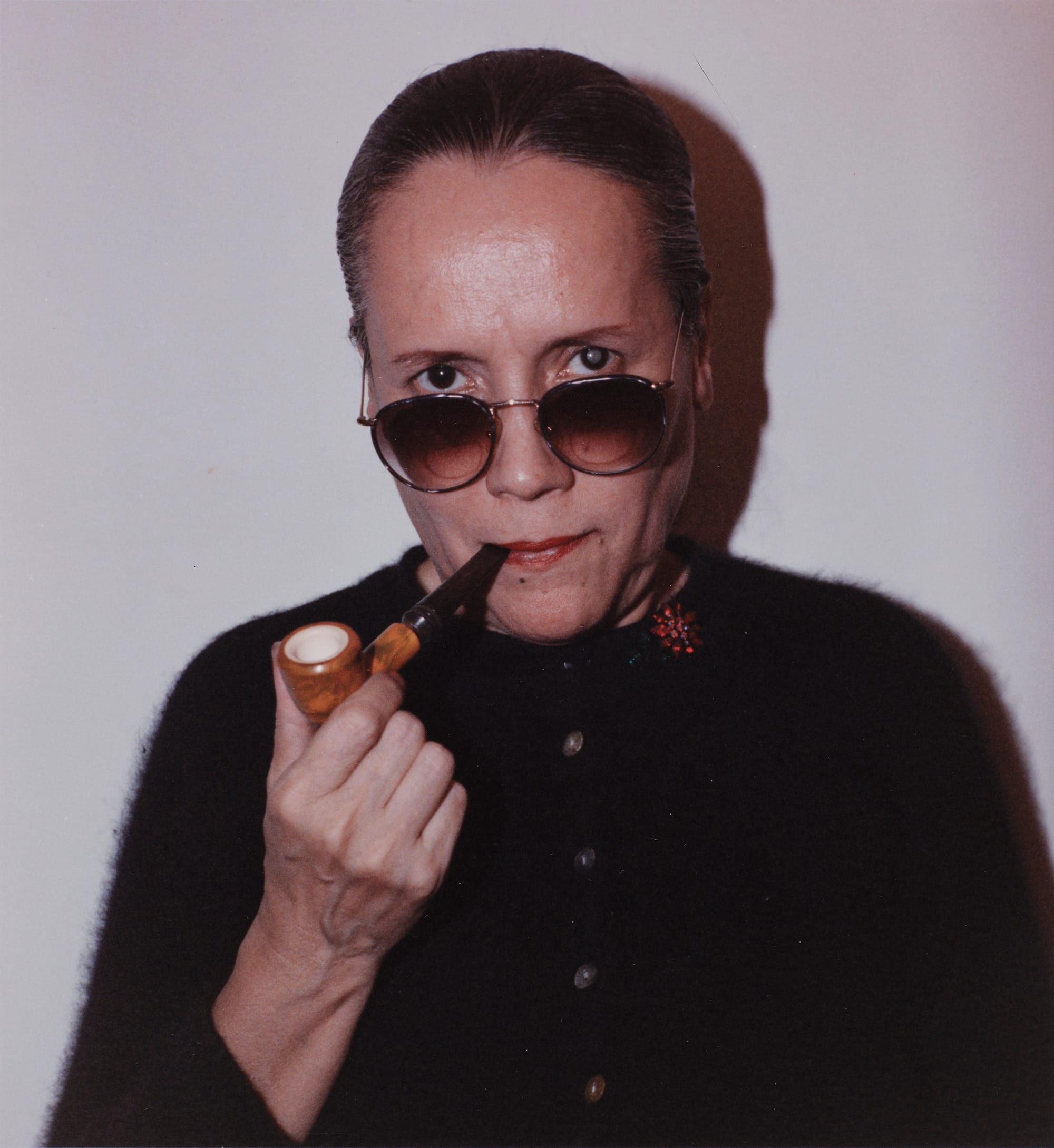
In the final room of the exhibition Sophie Rivera: Double Exposures at El Museo del Barrio, the first survey of the late Nuyorican photographer, who passed away in 2021, I found myself inexplicably drawn to a grid of abstract photographs by the gallery’s restroom. They belonged to two different series, one printed in a rust-colored red, the other in a deep, purple-hued black and white; something about the rounded, overlapping forms they depicted felt immediately familiar. These must be pinhole photographs, I thought to myself, nodding like a dutiful photo historian: Just look at the vignetting and that classic circular lens distortion. As I was practically stroking my nonexistent beard, another idea interrupted: But perhaps they’re double exposures, given how the circles intersect and overlap, creating these dark ovals? Alas, no. At that very moment, the show’s curator, Susanna Temkin, informed the gathered crowd that these were photographs of Rivera’s toilet. The “rouge” in her series Rouge et Noir (c. 1976–78) was the artist’s used tampons, and those dark ovals at the bottom of the bowl were …. Well, you can guess.
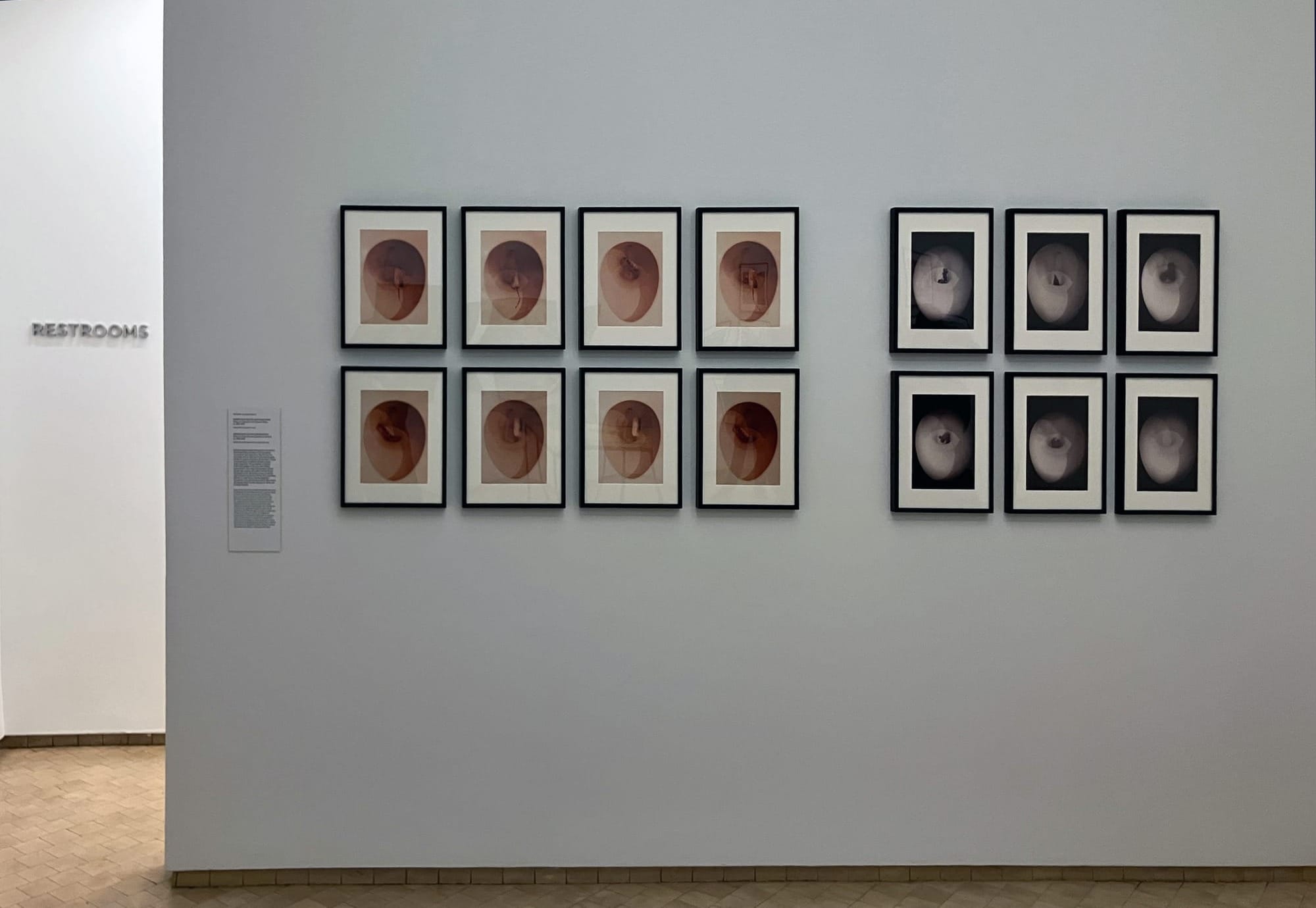
The force with which these photographs’ mysterious beauty had drawn me in was roughly equal to the recoil that this revelation inspired. Conceptual art had pulled another fast one on me. I spiraled for a second, thinking that Duchamp’s “Fountain” (1917) and its consequences had been a disaster for the human race. Then I realized the entire situation was pretty funny. Looking at a woman’s poop or used tampon somehow feels more shocking than the deliberate provocation of Andres Serrano’s “Immersion (Piss Christ)” (1987), in which the artist immerses a crucifix in his own urine. Yet, unlike going through the trouble of collecting your pee in a tank in order to commit sacrilege, Rivera just depicts the byproducts of regular female existence. And, unlike Duchamp’s urinal, the formal beauty of Rouge et Noir and Bowl Study (c. 1976–78) is what makes the transgression of their subject matter so profound. For these photographs to inspire such pearl-clutching almost 50 years later suggests that the photographer was onto something. The images are unresolvable, driving the viewer through successive stages of wonder, horror, and laughter without necessarily leading one to acceptance. (At least, I’m not there yet.)
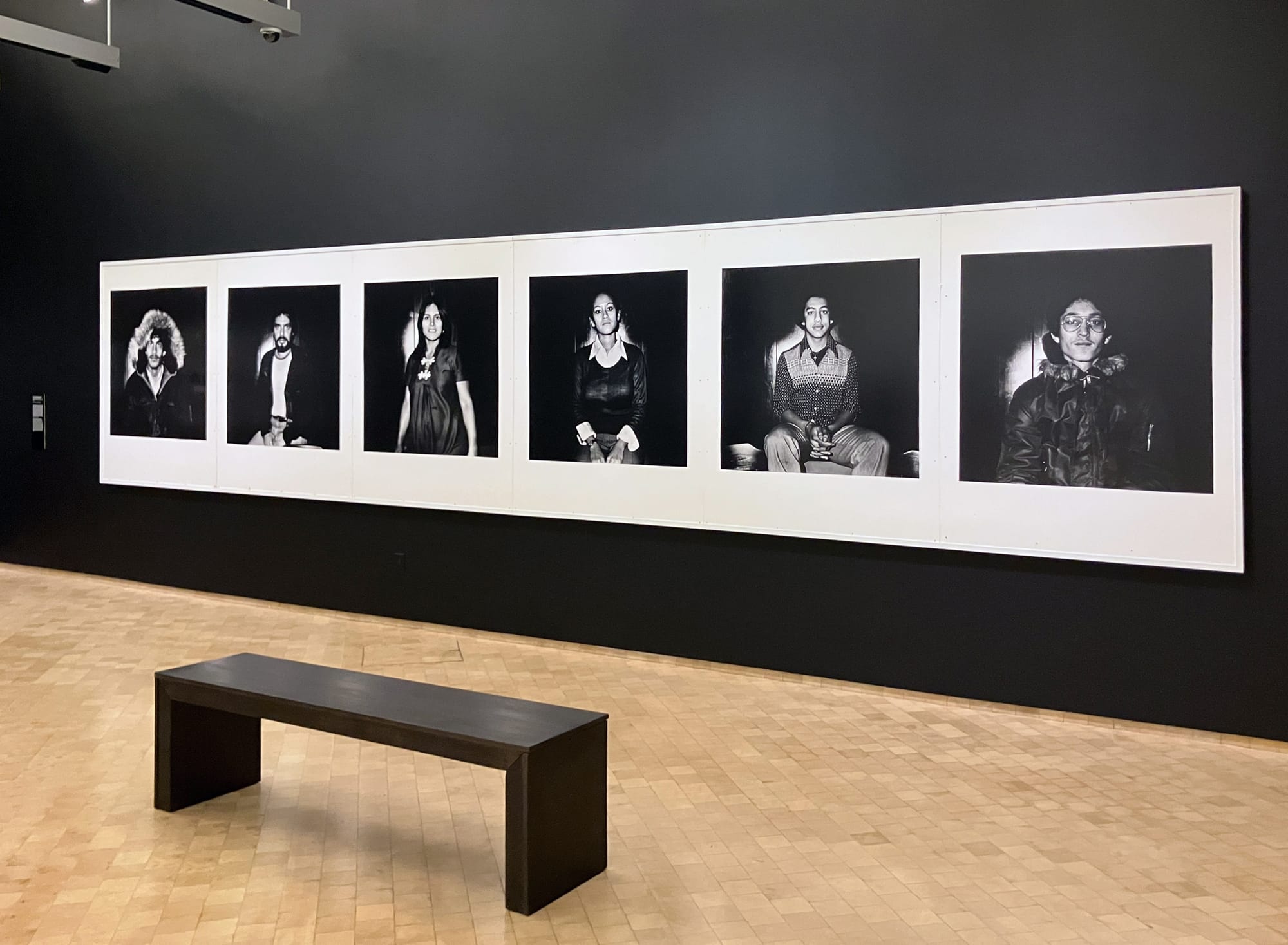
Beginning with this work of Rivera’s risks overshadowing the breadth of her oeuvre, so it’s for the best that the show ends with it. Interestingly, the artist’s career bridged two genres that are seldom considered in tandem: feminist conceptual art and socially engaged documentary photography. Those already familiar with Rivera will likely recognize her Latino Portraits series from the late 1970s, which countered negative media stereotypes about Puerto Ricans by reframing “archetypal” (to use Rivera’s word) Latine subjects — a little girl with cropped dark hair, a waitress in formal work attire, a young man with strong cheekbones in a fur-lined winter coat — through her affectionate lens. Working with the low lighting conditions of the diner in which she photographed, Rivera used flash, which was then reflected against the glossy finish of the wood to create a white halo around her subjects. The photographer exaggerated this effect while printing the images in the darkroom, sometimes burning the paneling to a pitch black. As a result, the images mythologize their subjects rather than sorting them into the kinds of scientific “typologies” we’re by now used to. In 1989, six of these images were reproduced as large-scale silver gelatin prints — a little over four feet square, about as big as that technology allows for — and hung in the Yankee Stadium subway station in the Bronx. One of the exhibition’s major triumphs is restaging those same subway prints in the gallery; it’s a small miracle they still exist today.
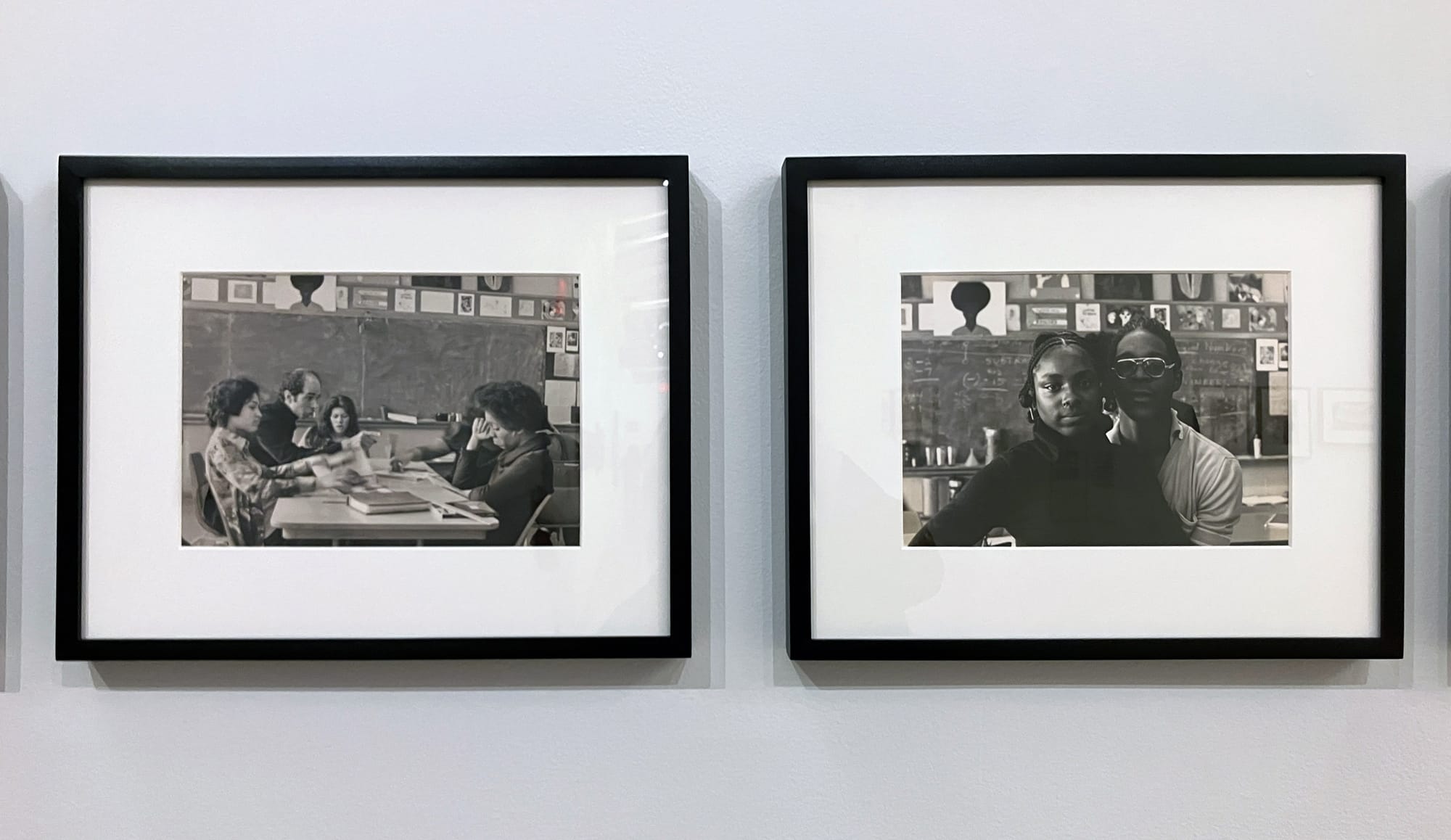
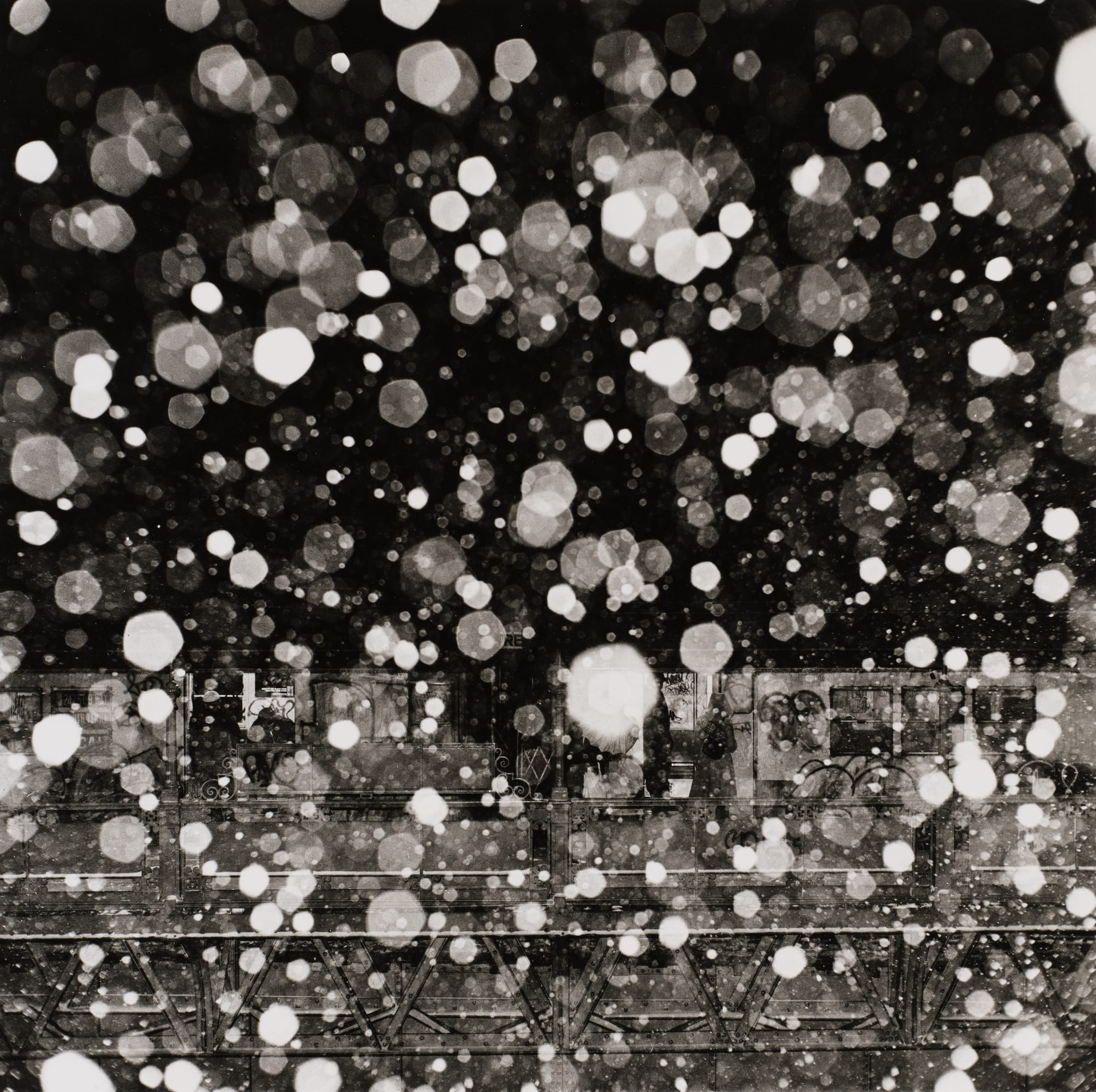
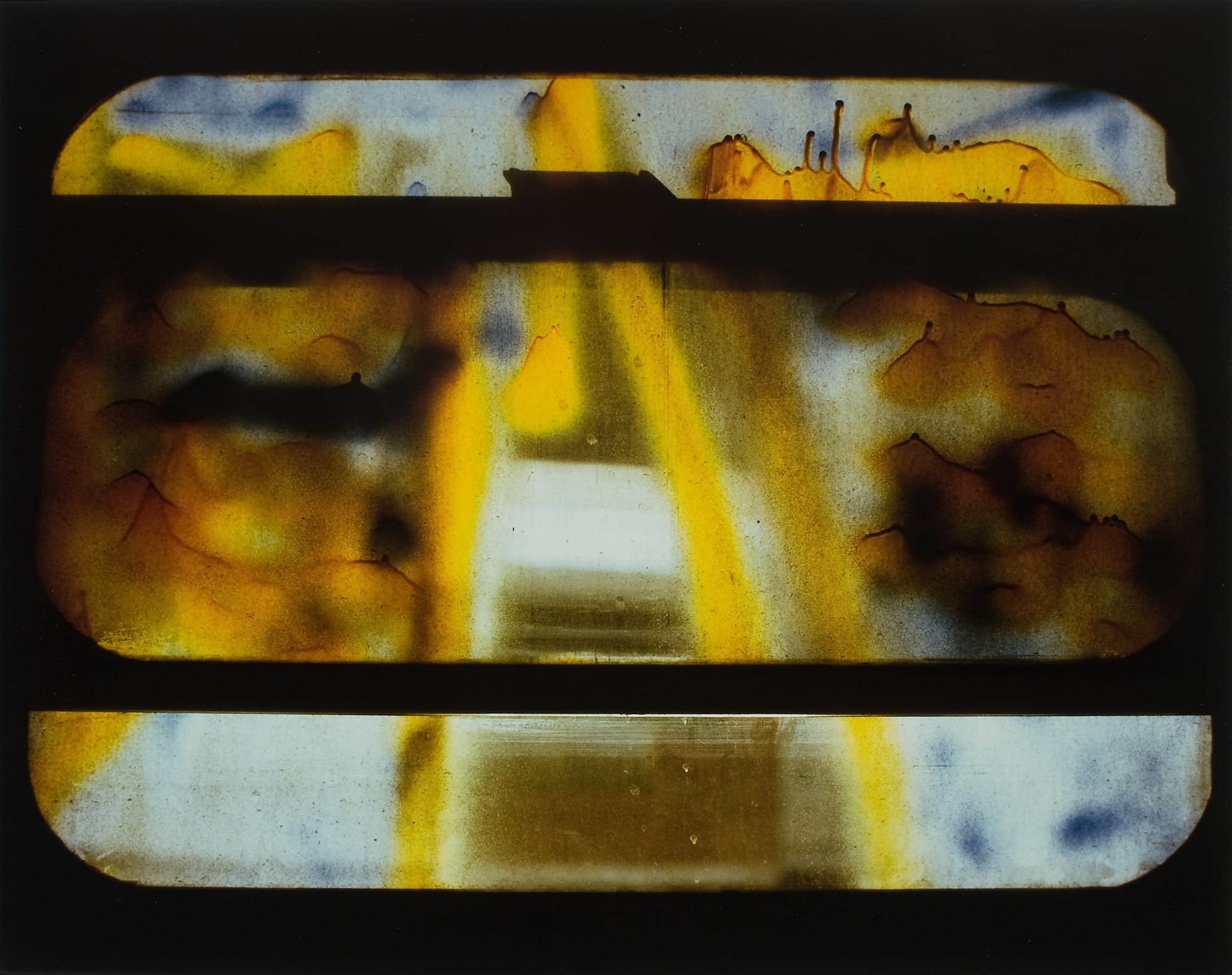
What truly distinguishes Rivera’s work, however, is her ability to capture the texture of New York City in the 1970s and '80s. A committed activist, the photographer documented the city’s public school system, workers’ demonstrations, protests for affordable childcare, and other pivotal political moments while working as a photojournalist for the leftist Liberation News Service. At the very same time, Rivera was photographing the subway inside and out, shooting its passengers, workers, graffiti, and the train cars as they passed outside her apartment window. Hints of an earlier generation of city photographers ripple through these images: Rivera learned photography from the modernist Lisette Model, and Model’s iconic storefront reflections echo throughout her student’s Doll series (c. 1973) documenting shop windows. Rivera’s nighttime photographs of snow recall Weegee’s various wintery disasters; her small streetside mysteries like “Sidewalk Demon” (c. 1973) and bits of graffiti harken back to Brassaï. Seen together, it feels a little painful to reckon with how little attention Rivera’s work has received, given its historical resonance.
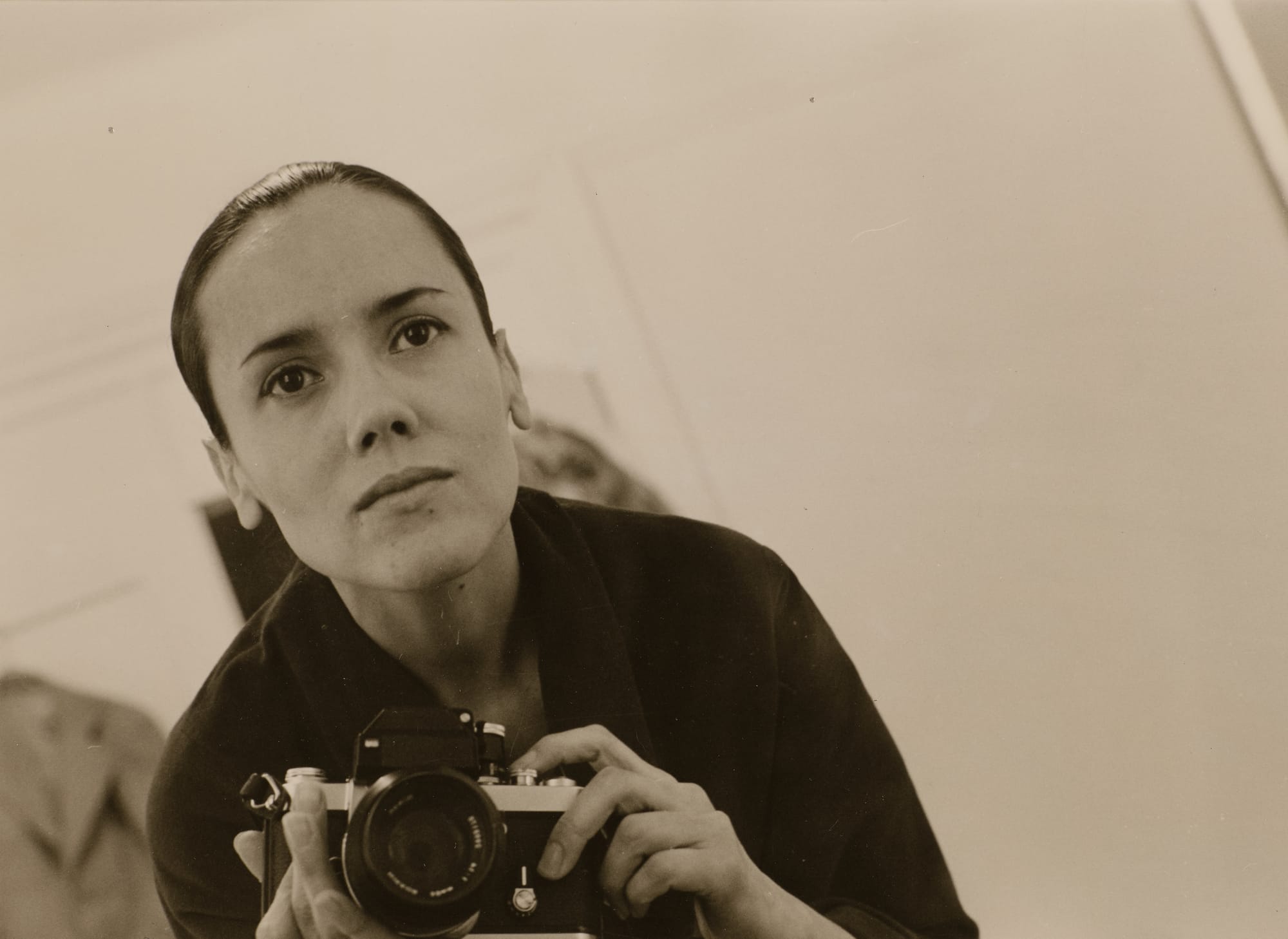
Sophie Rivera: Double Exposures does not devote much time to the artist’s biography, and it’s not hard to understand why: Rivera herself was protective of her personal life and criticized presentations of women photographers for over-emphasizing their biographies. That being said, given how little her work is known, more context is sorely needed. Though the exhibition is presented as a survey of Rivera’s career, and the artist lived to be 82, the vast majority of the work on view spans a single decade, from the mid-1970s through the 1980s. It would be nice to know why. For that, though, the viewer must turn to the exhibition’s accompanying monograph, published by Aperture and highly worth the pre-order. (For instance: It turns out that Rivera took up photography at the age of 34 after a career as a classical ballet dancer.) Given how active Rivera was in a thriving artistic and political scene, perhaps her next retrospective can do more to unearth these narratives and position the artist in the context of her contemporaries — since, I hope, this exhibition demonstrates the need for more Sophie Rivera studies, and soon.
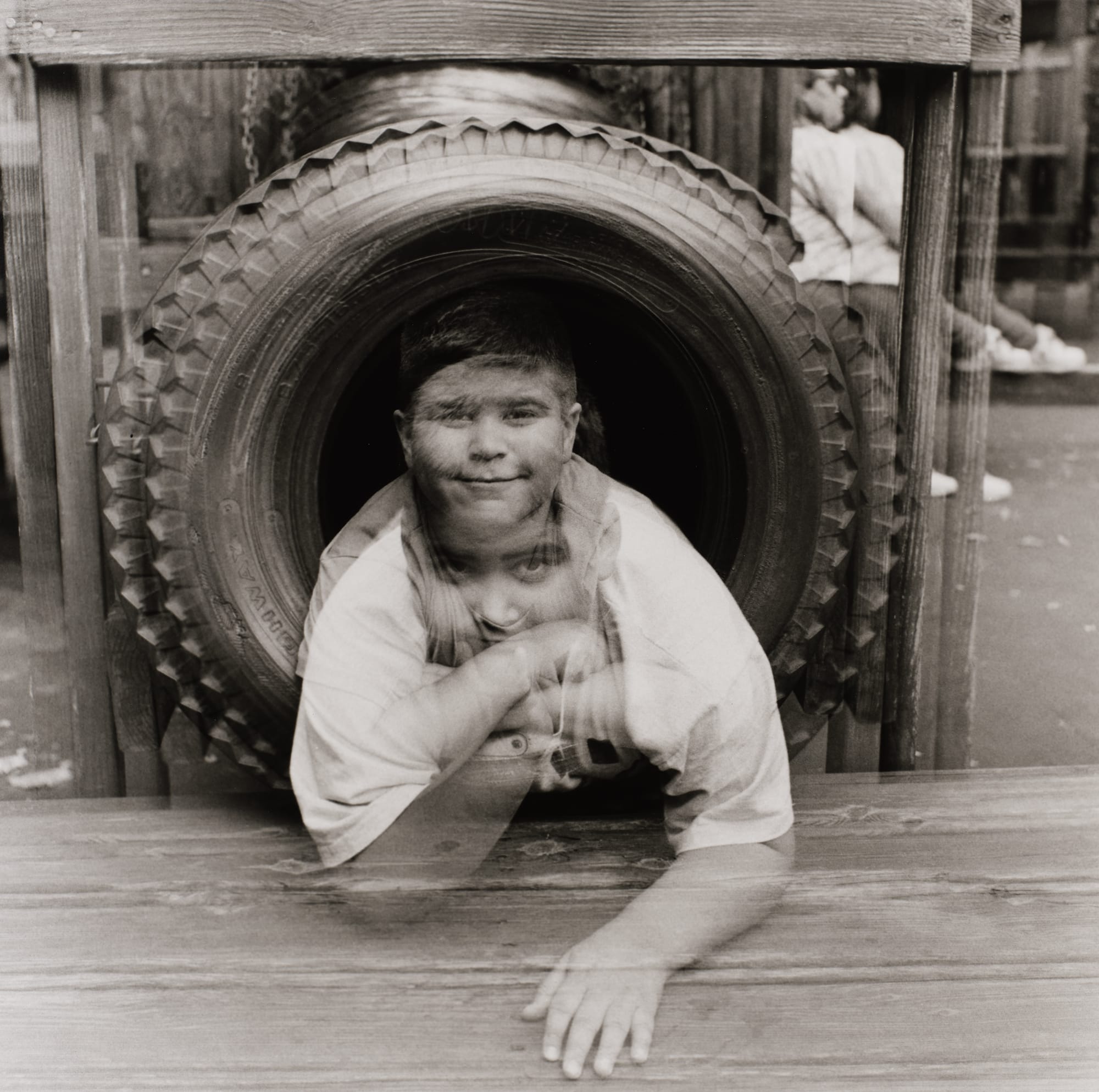
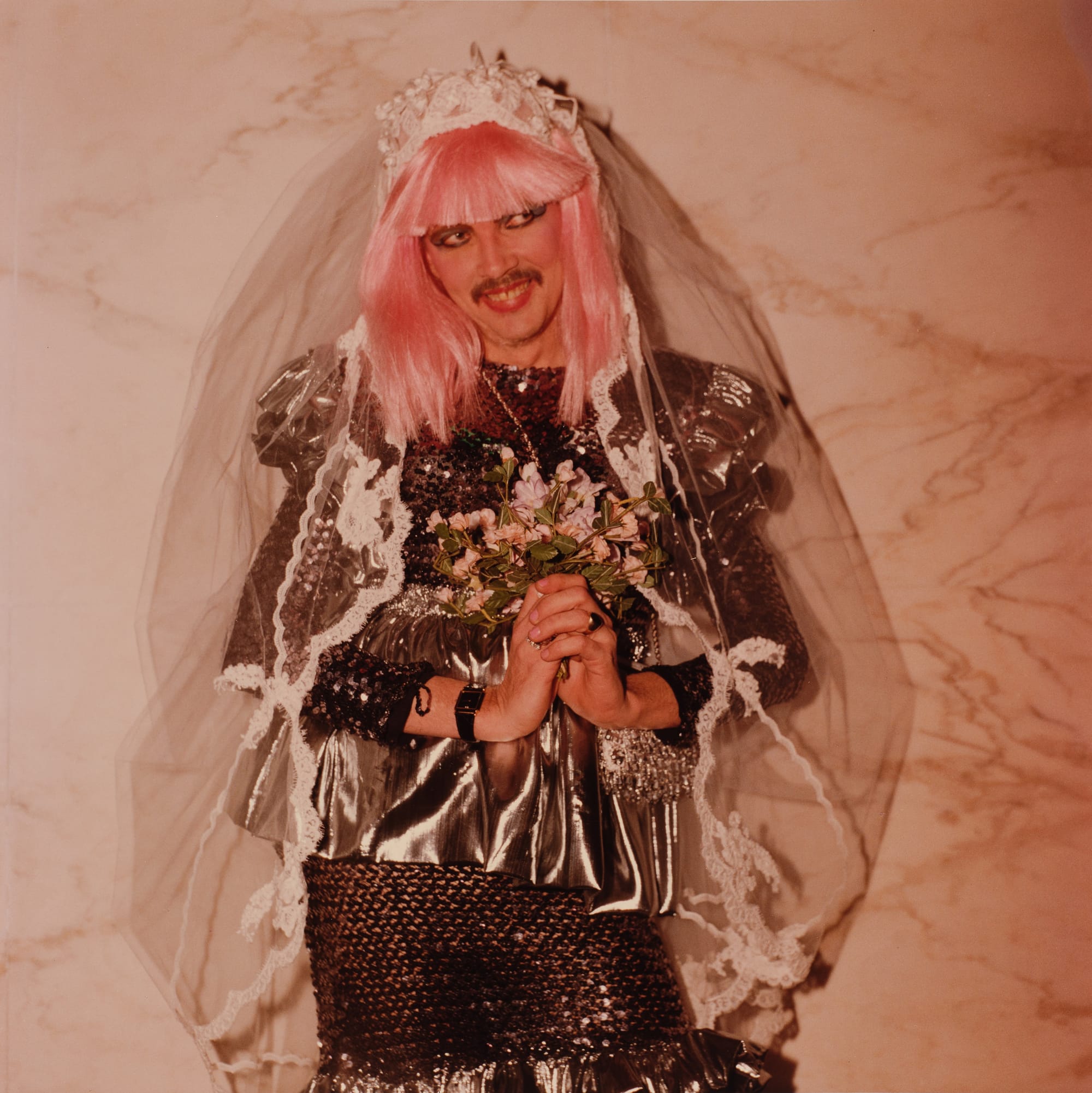
Left: Sophie Rivera, "Shoulder to Shoulder" from the Two series (c. 1994–95); right: Sophie Rivera, "Untitled" (c. 1986–87), color photograph (both photos courtesy El Museo del Barrio)
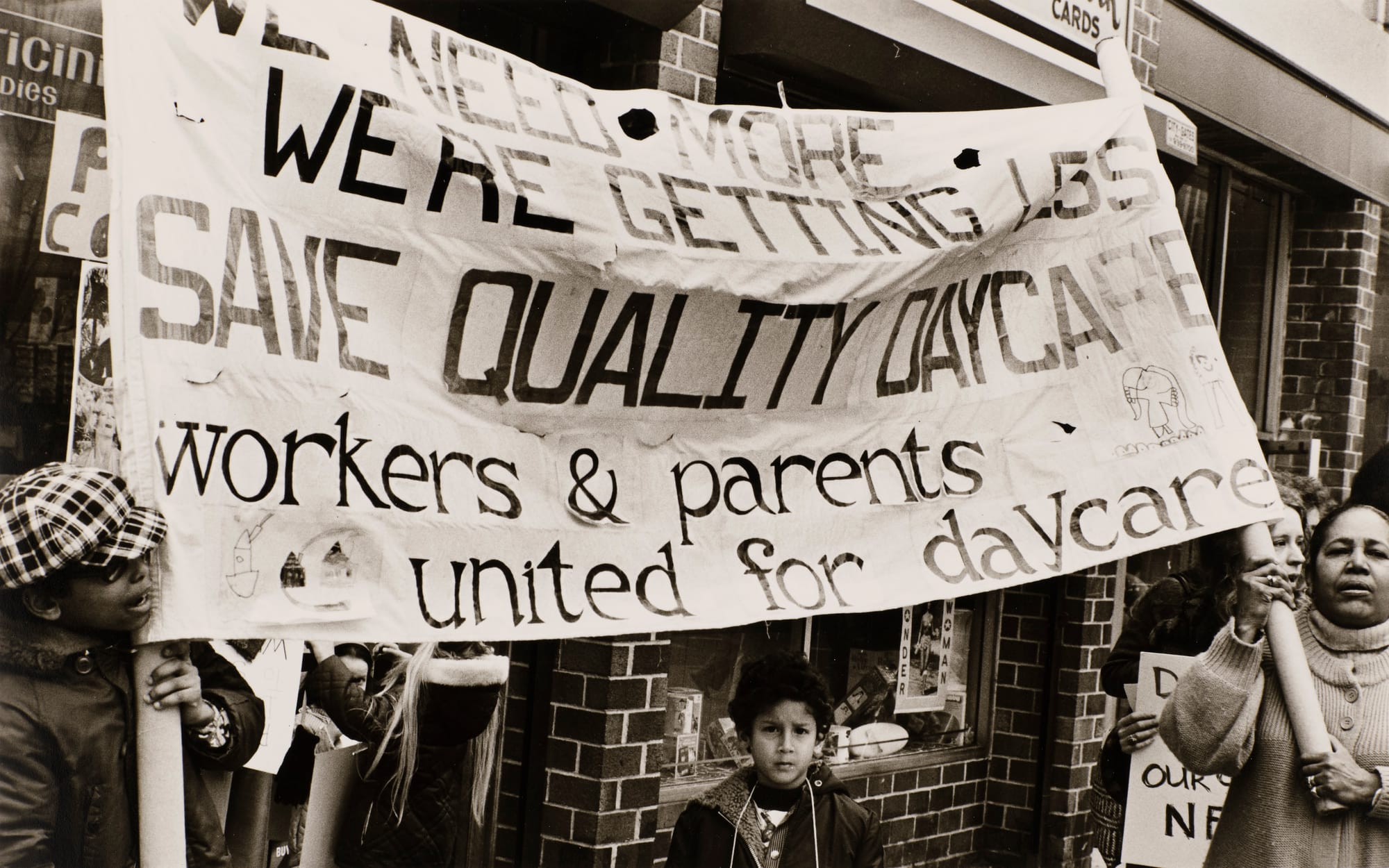
Sophie Rivera: Double Exposures continues at El Museo del Barrio (1230 Fifth Avenue, East Harlem, Manhattan) through August 2, 2026. It was curated by Susanna V. Temkin, and is accompanied by a catalog of the same title, published by Aperture, which will be available online and in bookstores beginning in June 2026.