The Kristi Noem Statue Nobody Asked For
Today, two very different visions of civic life: the care and repair of the Medina Triennial, and a sculpture in celebration of a reviled former Homeland Security secretary.

It’s just one horseman rather than four, but it certainly portends apocalypse: A bronze sculpture of former Secretary of Homeland Security Kristi Noem — who spearheaded Trump’s deadly immigration crackdown in Minneapolis — was just unveiled in South Dakota. She’s depicted in full so-called “ICE Barbie” attire, because that’s the kind of year we’re having.
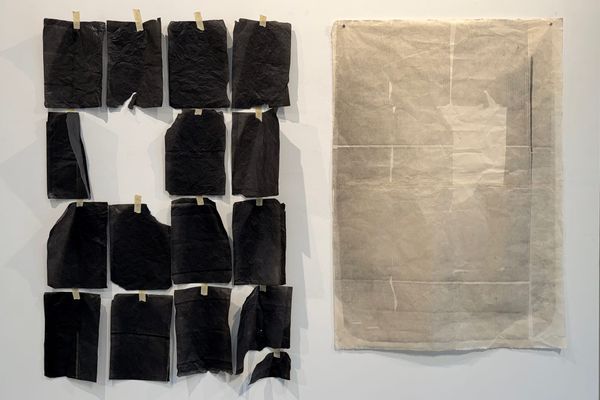
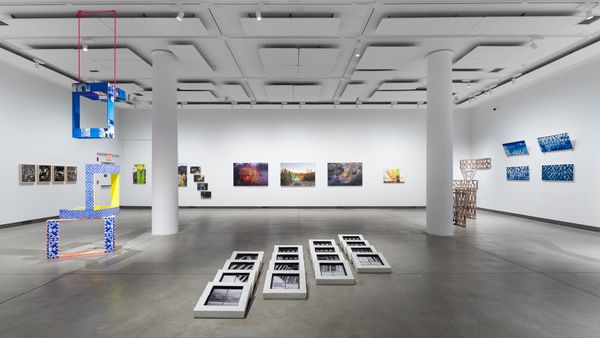
The Medina Triennial, thankfully, is a breath of fresh air. Sara Reisman visited the New York village, where artwork is slotted all around town, including in the local high school, on Main Street, and even on the Erie Canal. It’s a vision of public infrastructure as site of sharing, learning, growth, and repair. Imagine that.
—Lisa Yin Zhang, associate editor
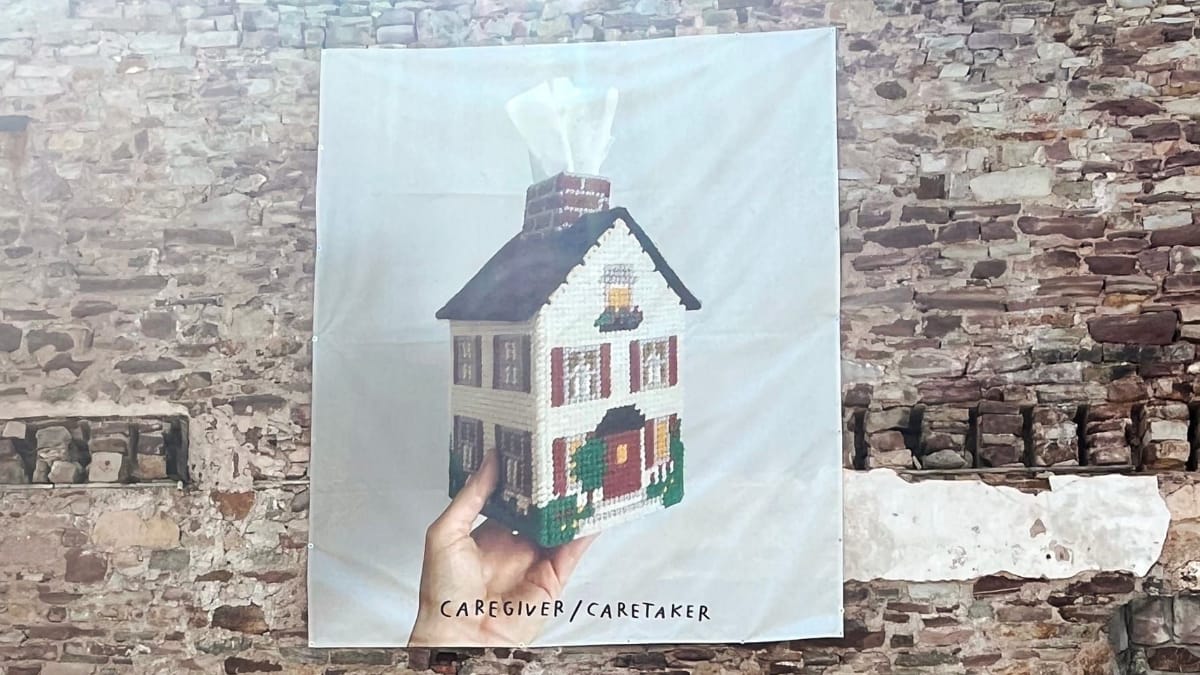
Art as Infrastructure at the Medina Triennial
It was artist Mary Mattingly, known for her large-scale, often livable floating structures that address climate change in the form of rising water, who first told me about the Medina Triennial about a year ago. Knowing that Mattingly was launching her “Floating Garden” (2026), a new, permanent iteration of Swale, a publicly accessible edible garden she first launched on New York City’s East River in 2016, was enough to get me to Medina. But having attended the opening weekend of the Venice Biennale the month before, I was wary of traveling to see art at a time when so much of the world is in crisis.
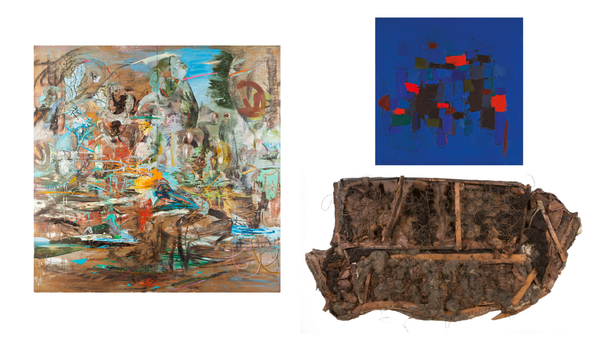
Compared to my Venice experience, however, Medina was one of relief, maybe even restoration. A sprawling yet rigorously organized community-wide exhibition in a rural community in Western New York bisected by the Erie Canal, the inaugural edition of the beautifully curated Medina Triennial draws on historical site-responsive shows with an eye toward sustainability. Bringing together more than 100 artworks by 39 artists across 10 locations, Co-Artistic Directors Kari Conte and Karin Laansoo commissioned and selected projects that synthesize art, ecology, architecture, and rural culture to explore maintenance as a vital social, political, and environmental act. Through a selection of works that examine the impacts of labor, regulation, extraction, and repair of our shared systems, the curators return to the central question: What does it take to keep things going? | Sara Reisman
Read MoreNews
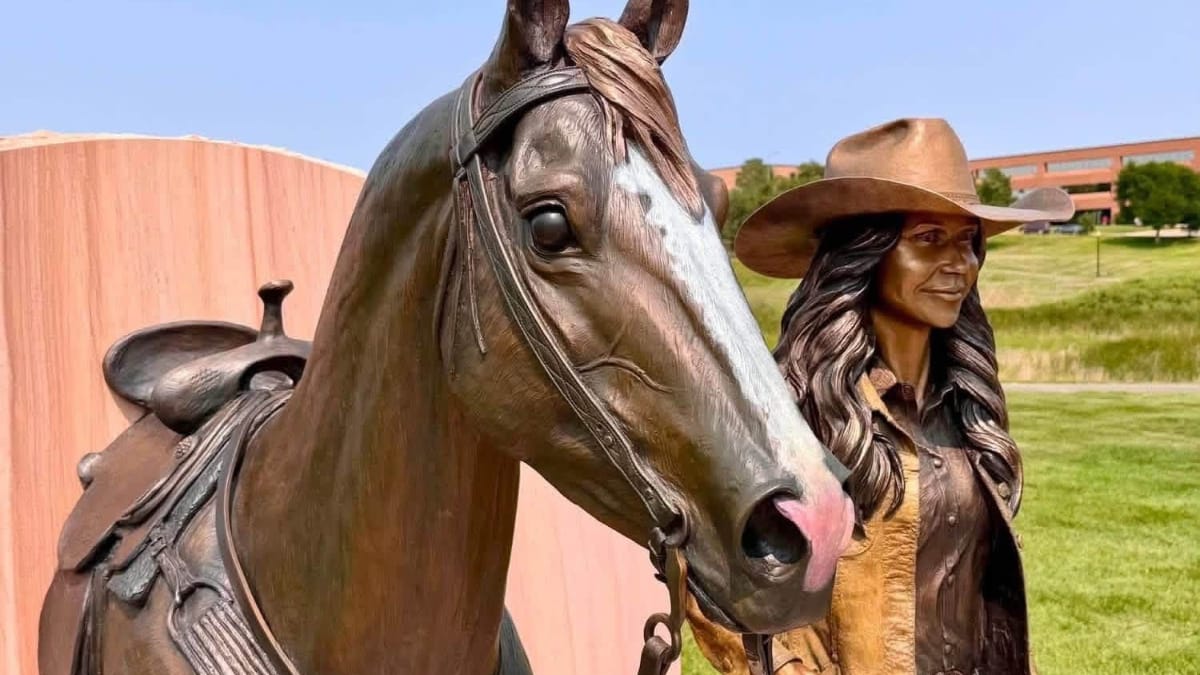
- Former Secretary of Homeland Security Kristi Noem welcomes a sculpture of herself with her beloved steed, regrettably named “Iceman,” in South Dakota.
- Taiwanese artists accuse the Gwangju Biennale of political censorship after event organizers axed the country’s name from promotional materials.
- The faculty union at the School of Visual Arts in New York City says some of its members were “blindsided” by the cancellations of courses and programs as the school pursues budget cuts amid a structural deficit.
Feature
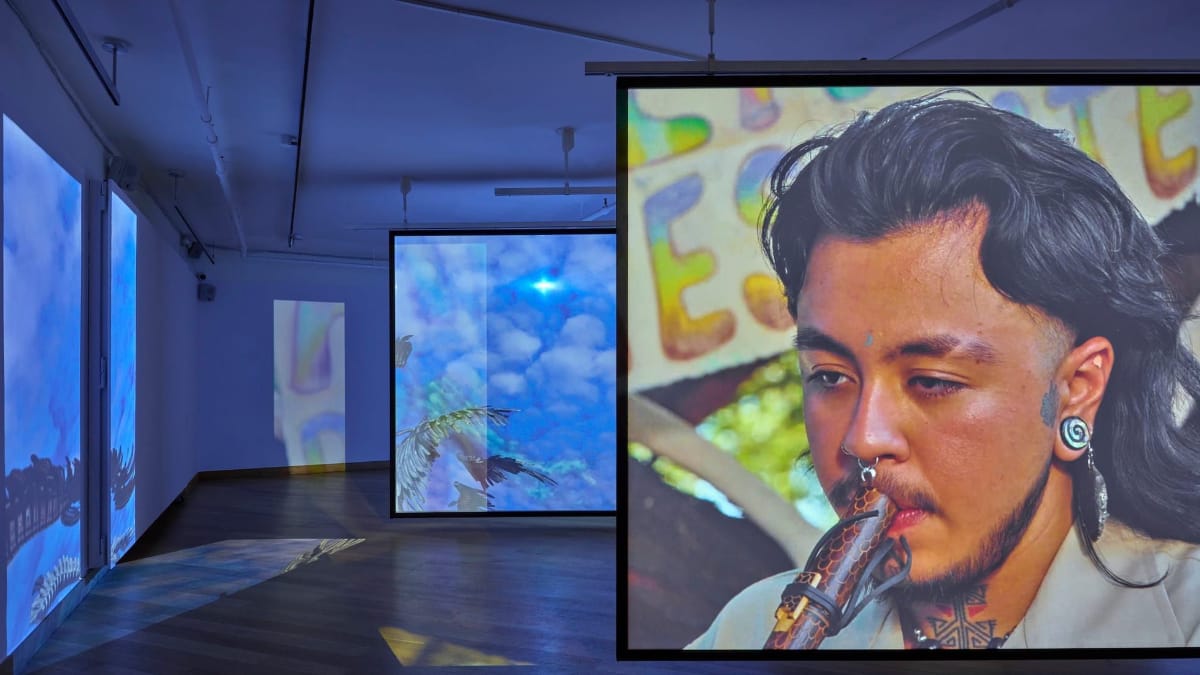
Shu Lea Cheang Gives Trans Artists the Wings to Fly
The filmmaker invites visitors to move and reposition the screens in her four-channel video at Leslie-Lohman, an ever-evolving mosaic of trans performances and dreamscapes. | Livia Caligor
Read MoreFrom Our Critics
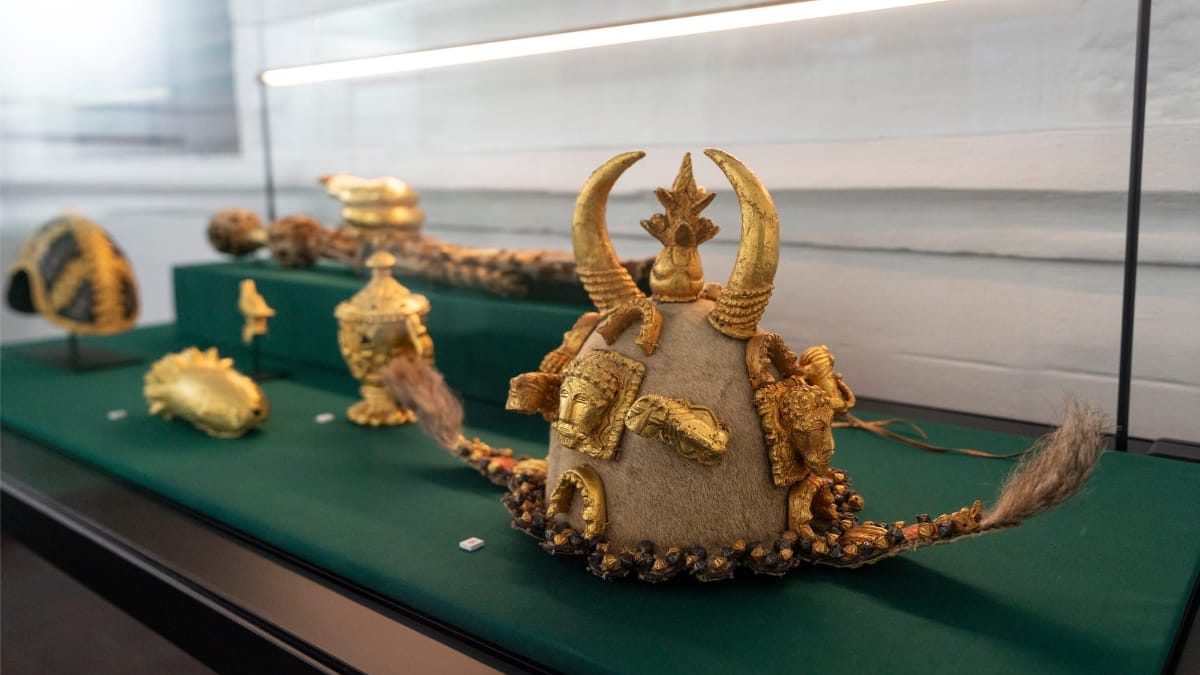
Why Won’t Britain Return Looted Gold to Ghana?
In “The African Kingdom of Gold,” Barnaby Phillips explores how British colonial forces plundered the Asante people and expertly traces the stolen artifacts’ afterlives in museum storage. | Aditya Iyer
Read MoreICYMI
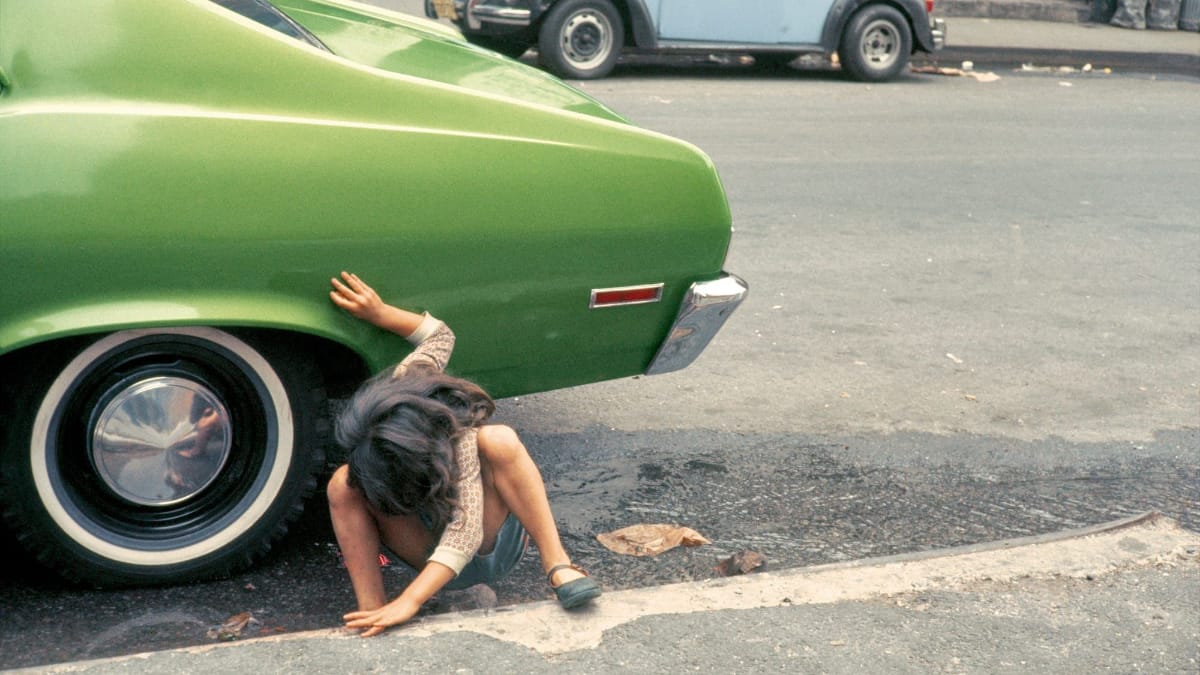
10 Photo Books to Read This Month
Hal Fischer’s archive of queer fashion, Sophie Rivera’s portraits of Nuyorican communities, Rania Matar’s love letter to Lebanon, and more new titles to check out from photo book publishers.
Read MoreJentel Artist Residency — Winter/Spring 2027 Residencies
Jentel Artist Residency offers 3-week residencies in the foothills of Wyoming’s Bighorn Mountains, which include a $300 stipend, a private bedroom, shared living spaces, and a separate studio. The application fee is $30. Read more on hyperallergic.com.
Deadline: September 15, 2026 | jentelarts.org
See more in this month’s list of opportunities for artists, writers, and art workers!