The Worst National Pavilions at the Venice Biennale
And some we're still ambivalent about.


In the first part of this series, Editor-at-Large Hrag Vartanian and critic Aruna D'Souza discussed the pavilions they loved at the 61st Venice Biennale, running through November 22, and even made a provocative argument in favor of national pavilions. In this second and final installment, they take their gloves off to tear apart the pavilions they didn't like and argue about the ones they're split on. Brace yourself; it's going to get heated.
—Hakim Bishara, editor-in-chief
Germany
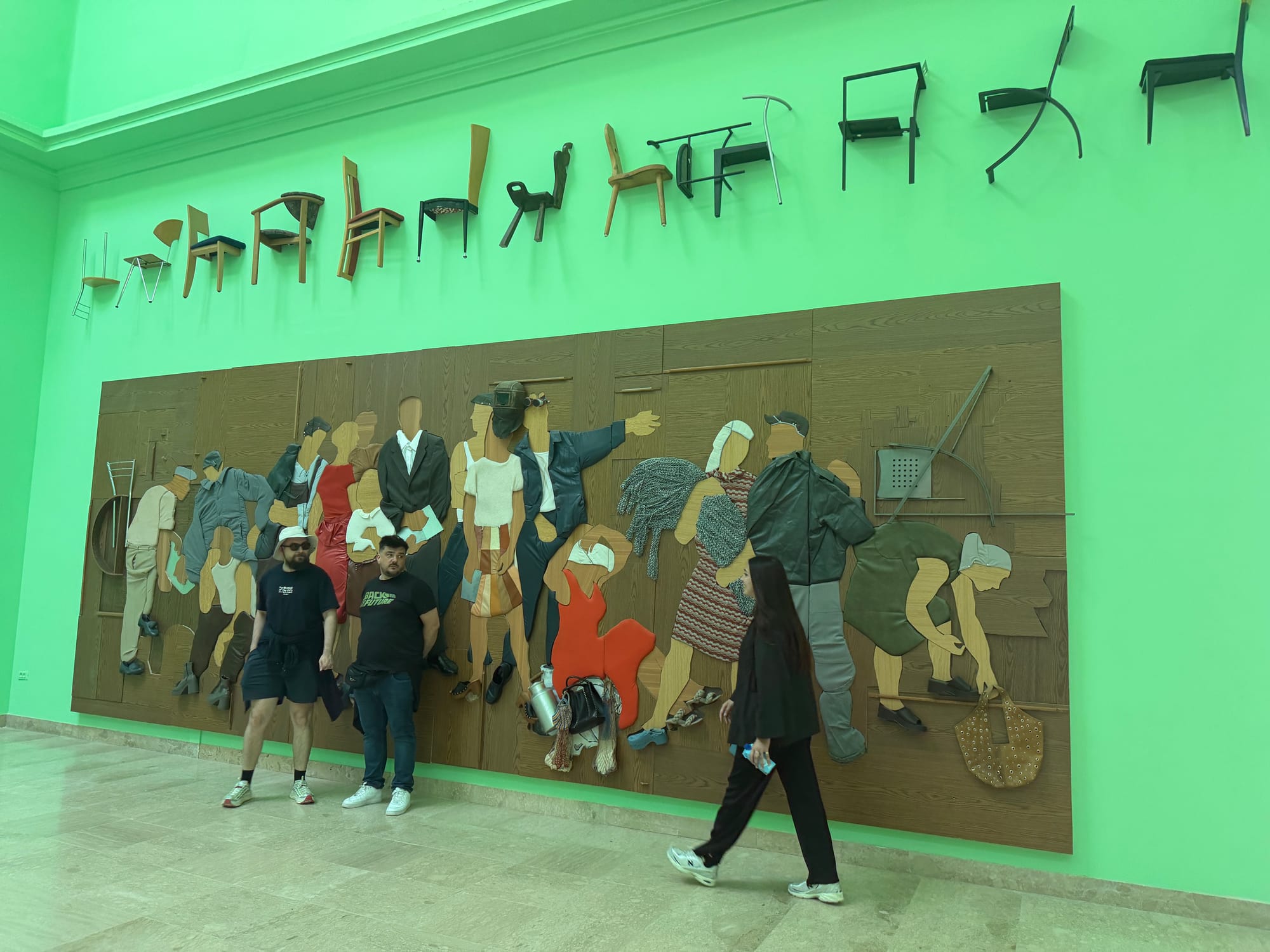
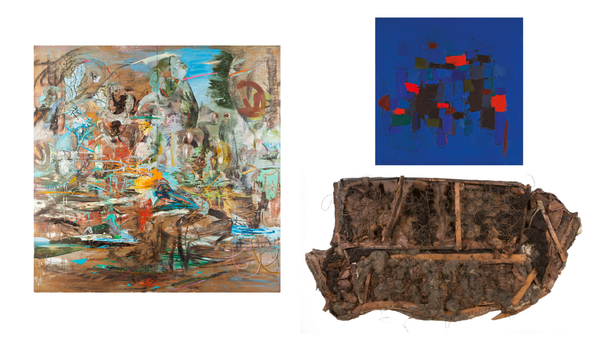
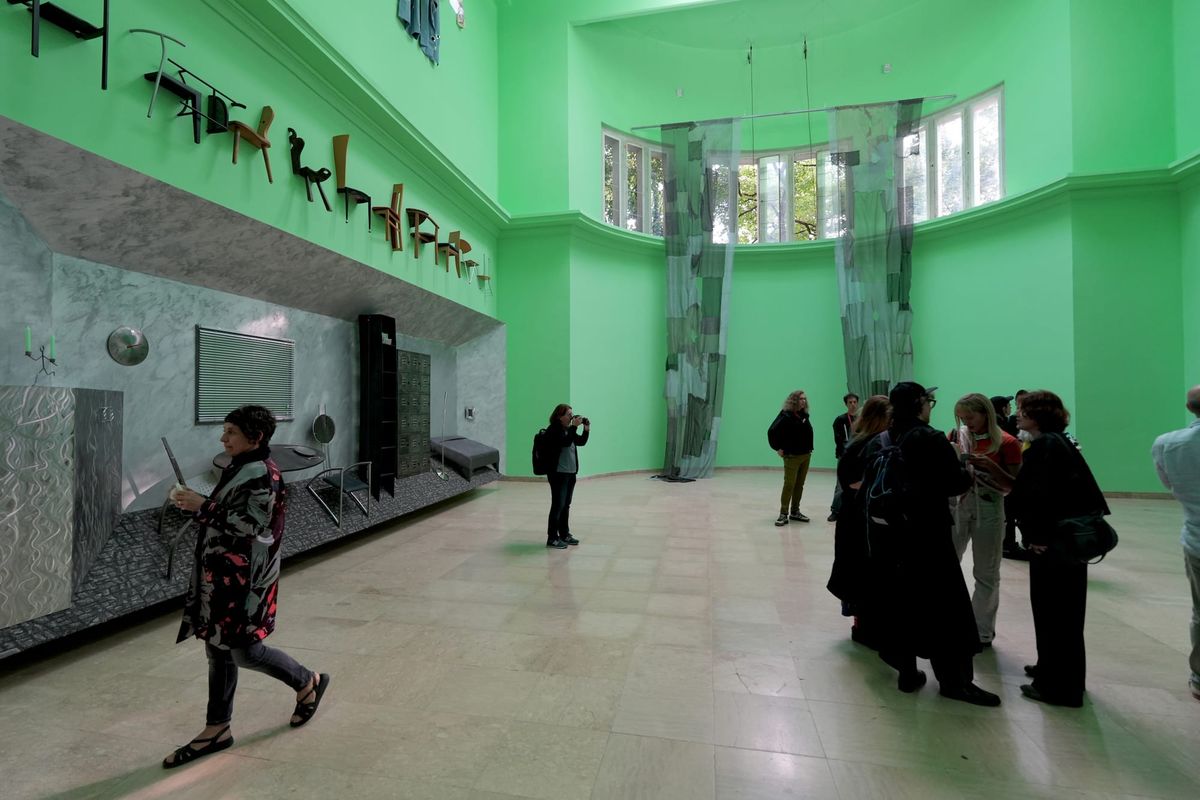
Trite political commentary for people who think surface is content and navel-gazing on the parts of German history that are safe to explore while ignoring the elephant in the room that has turned the country into a bastion of intolerance and injustice. Just as bad as the United States pavilion for ignoring the reality of the world and hiding in the safe spaces that will give the Epstein class hard-ons. I’m sure the commercial art world and its scions, not to mention its courtiers, probably love this show … okay, I’ll stop. —Hrag Vartanian
Saudi Arabia
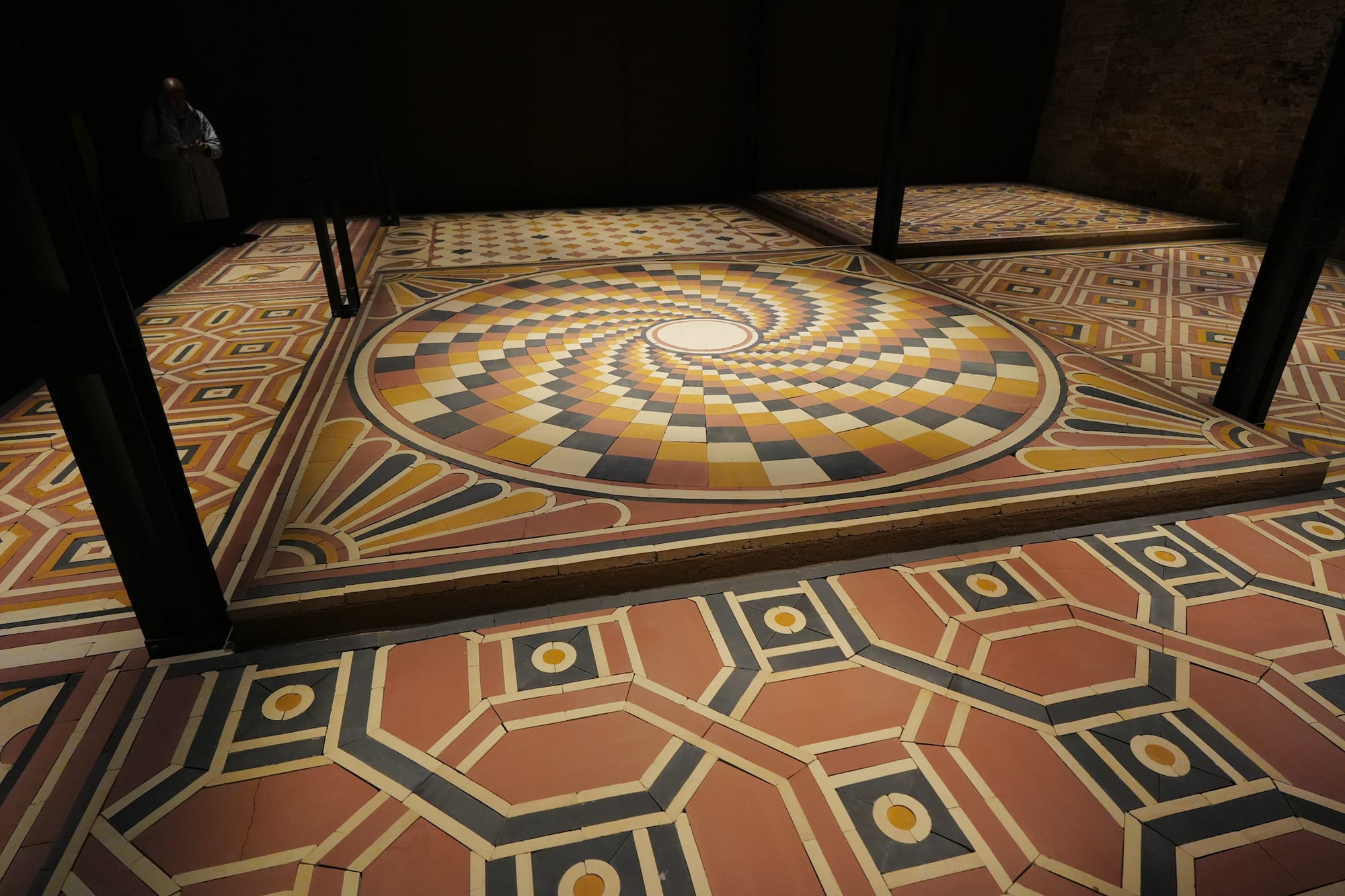
HV: I wanted to like this, but couldn’t because it fell flat (womp, womp). I enjoyed the concept, and Dana Awartani’s forms can often be more energizing and provocative than this, but here they felt like a bad designer showroom rather than what they were reputedly about — the mosaic floors across West Asia and their archeological and multicultural heritage and preservation.
Aruna D’Souza: I’m agreeing to disagree on this one. In a biennale that seemed hectic and overinstalled, this pavilion offered a moment of contemplation. And to me, the work was less about multicultural heritage and preservation than about making manifest, by proxy, the violence happening in the region. Also — and this is something that really makes that project for me — the vast majority of the funds required to put on that pavilion (something like 90%) went to the artisans who made the tiles. That feels quietly radical.
Qatar and Austria
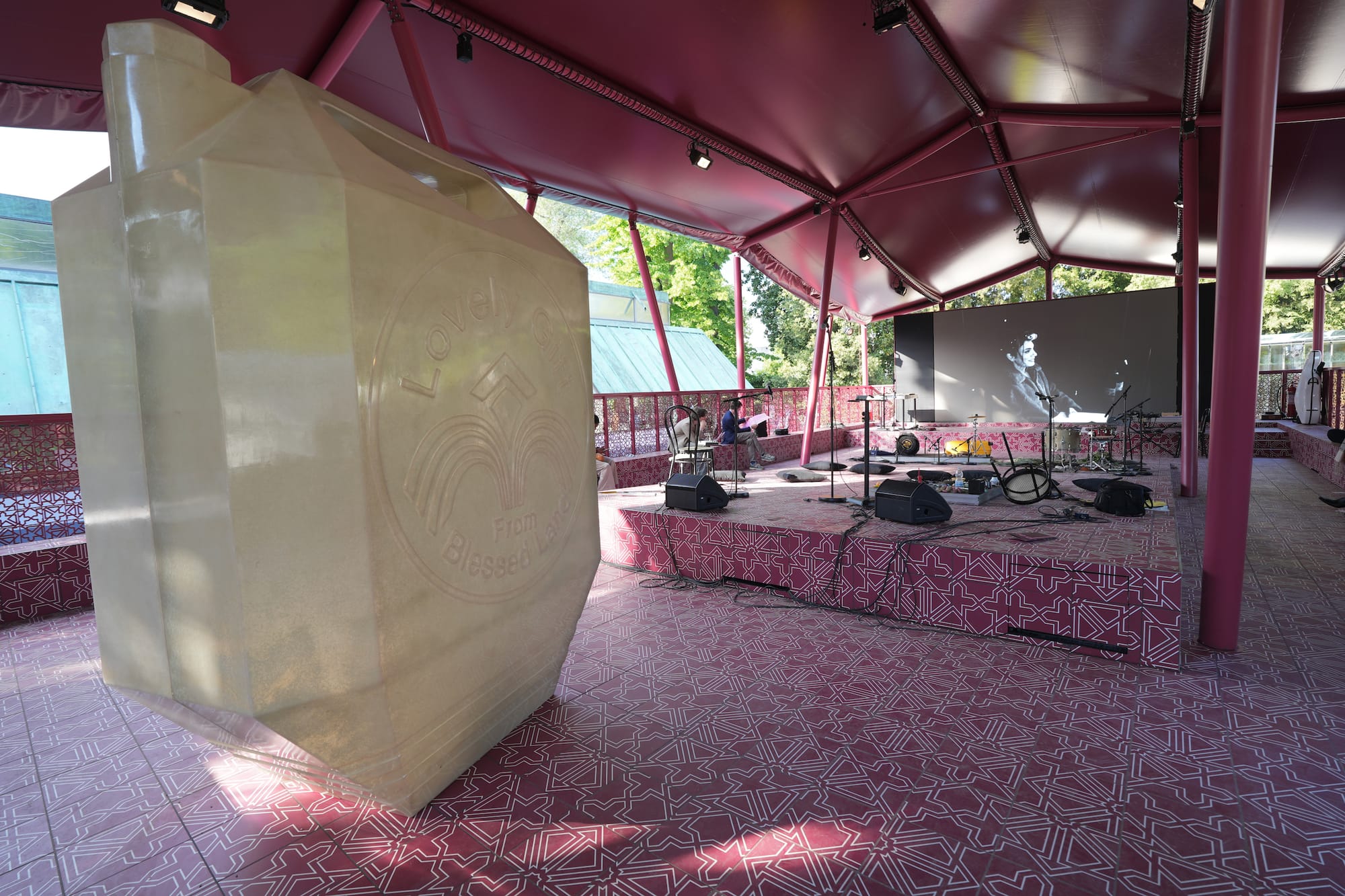
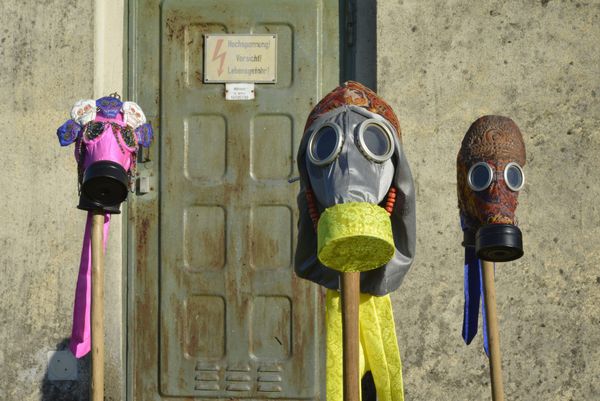
AD: One thing I really hate about the biennale is how much of it is oriented towards the people who are there for opening week, with very little attention paid to the regular visitors who arrive for the rest of the almost six-month show. Qatar’s new pavilion — an outdoor, open space painted in a striking red, with plenty of room to lounge around — may have been cool when Rirkrit Tiravanija was there cooking during the preview days or other artists were performing, but when that was done, it was pretty inert. (It will be activated only rarely during the next months.)
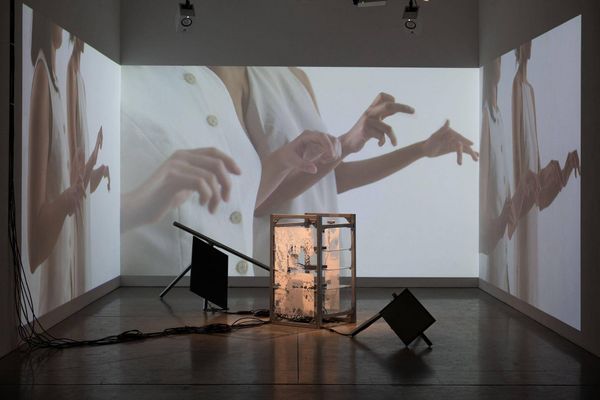
And as for Austria: I am not standing in line to watch … whatever that was. Too many nekkid ladies doing random things in recycled pee water for me. (Look, I know I’m coming across as a prude, but so be it.)
HV: I kept missing Qatar because of the scheduling and found the lines for Austria impossible and frustrating (a friend said he got in after waiting three hours on Saturday, the day after the press preview ended). Some people loved it, but I found the idea of the spectacle exhausting considering so much of the work on display was quieter and more introspective, but I did love Austria’s concept, even if I didn’t quite get their fixation on urine and topless clappers.