15 Art Books We're Excited to Read in 2026
Books about Marcel Duchamp, Frida Kahlo, Alma Thomas, and more, plus critical studies of lipstick and complaining, are on our radar.



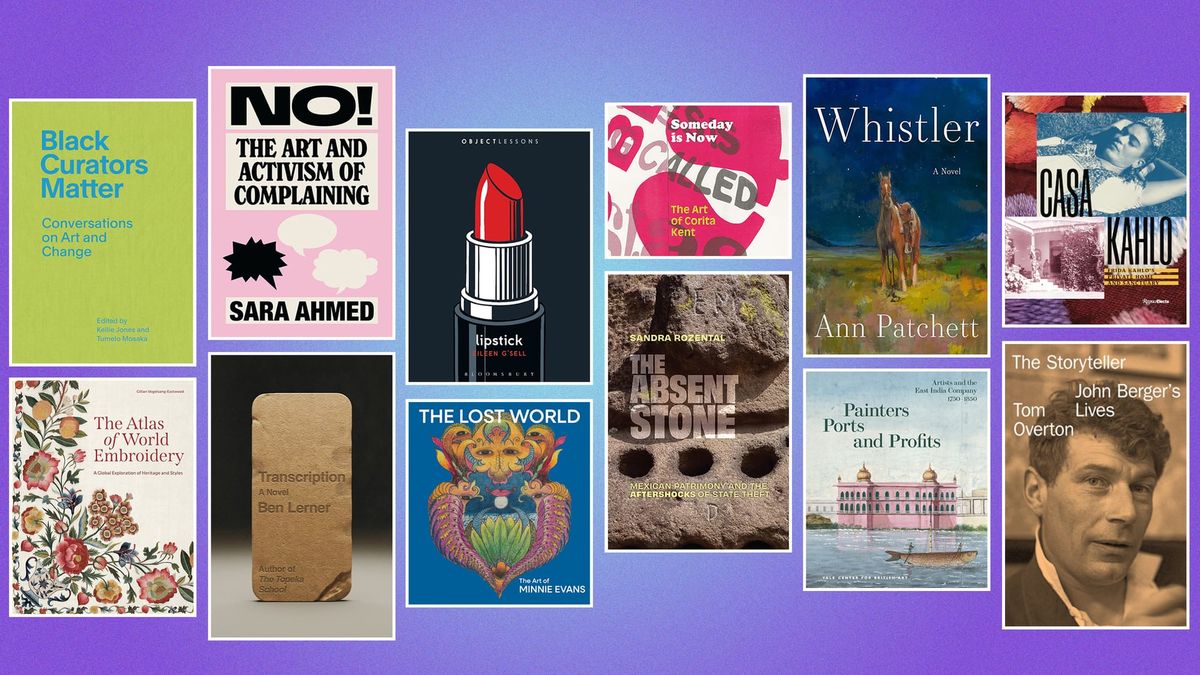
It’s a new year and that means a new crop of art books awaits us. Whether you prefer criticism, catalogs, or conversations — or the rare art-themed novel that promises to deliver — we’ve got you covered. We're excited to alternate between a book on the activist art of complaining by Sarah Ahmed and a reissued monograph on iconic art activist Corita Kent. And we can't wait to read an engrossing critical take on those tubes of color by longtime Hyperallergic contributor Eileen G’Sell. Whatever else is in store for 2026, a year of good reading lies ahead. —Natalie Haddad, reviews editor
The Lost World: The Art of Minnie Evans, edited by Katherine Jentleson | Delmonico Books, January 6
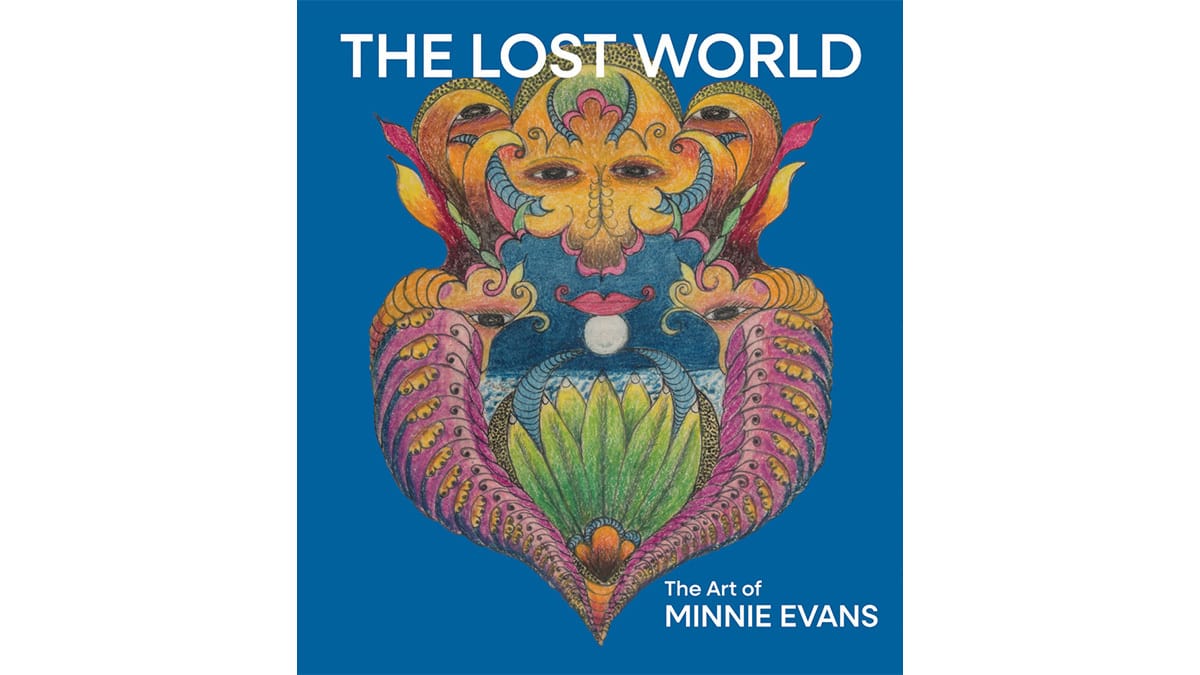
The late Minnie Evans became one of the first Black artists to receive a solo show at the Whitney Museum in 1975, but The Lost World at the High Museum in Atlanta marks her first major exhibition in decades. If you can’t make it to the show, this catalog offers a luminous glimpse into the countless drawings Evans crafted by fusing her spiritual visions with quotidian experiences in the American South and inspiration drawn from lush Airlie Gardens, where she worked for over 25 years. —Lakshmi Rivera Amin
Painters, Ports, and Profits: Artists and the East India Company, 1750–1850, edited by Laurel O. Peterson and Holly Shaffer | Yale Center for British Art, January 6
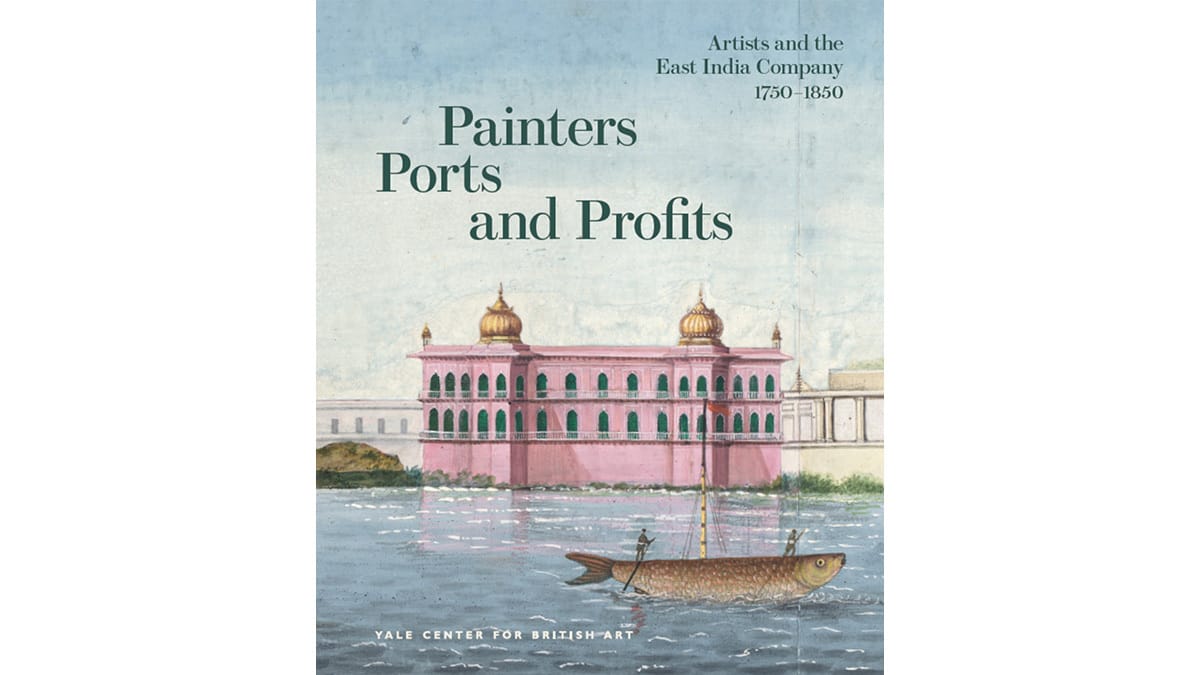
The East India Company helped to formulate our modern conception of the corporation as a militarized looting machine par excellence. Functioning as a state within a state, its history offers some poignant reminders for our current moment, as tech giants and oligarchs increasingly wield the levers of government and act above the law. Most of the artists in this book weren't directly commissioned by the company but, as curator Holly Shaffer explains, "worked for Company-oriented markets, specific Company patrons, and other buyers." The results are paintings and drawings of plants, animals, landscapes, seascapes, modes of transportation, agriculture, and regional customs. Most are pleasant to look at, but speak primarily to the pedestrian tastes of the class that commissioned them. This publication makes me wonder if all the art being produced for the tech titans and their fellow billionaires nowadays isn't going to resemble this unadventurous pablum. —Hrag Vartanian
Someday is Now: The Art of Corita Kent, edited by Ian Berry and Michael Duncan | Delmonico Books, February 3
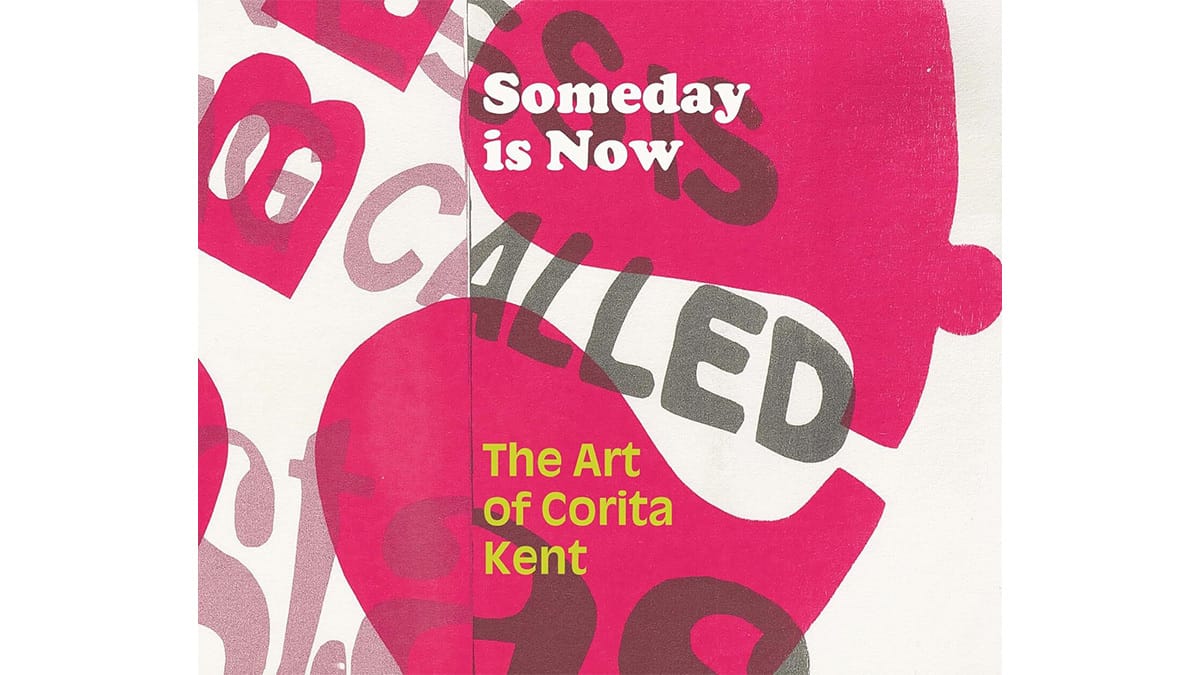
Famed for her pop colors and positive messages that adorn her art, Sister Corita Kent is deservedly celebrated as a joyful presence in art. However, her practice extended well beyond bold sloganeering, aesthetically or conceptually. Originally published in 2013 and newly reissued, Someday is Now guides readers through Kent’s visual innovation and political activism. Accompanying the rich illustrations are writings by the artist as well as interviews with past students and collaborators. As this survey makes clear, she remains iconic for good reason. —Natalie Haddad
Lipstick: Object Lessons by Eileen G’Sell | Bloomsbury Academic, February 5
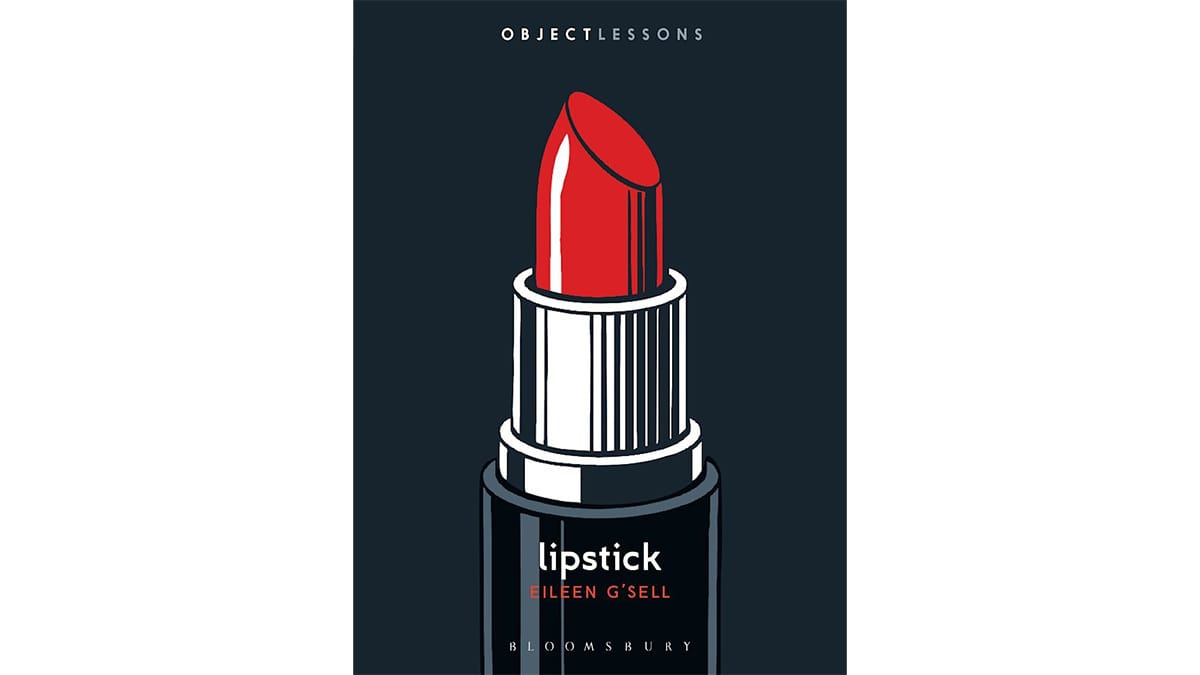
An art critic’s take on a 5,000-year-old makeup tool? Sign me up. Only Eileen G’Sell, a longtime Hyperallergic contributor, could blend the past, present, and future of lipstick so seamlessly, not unlike a well-executed lip combo. As a Kulfie First Sari girlie myself, I can’t wait to dig into her interview-based study on the ways that people of all genders use lipstick in personal, subversive, and creative ways. —Lakshmi Rivera Amin
The Absent Stone: Mexican Patrimony and the Aftershocks of State Theft by Sandra Rozental | Duke University Press, February 17
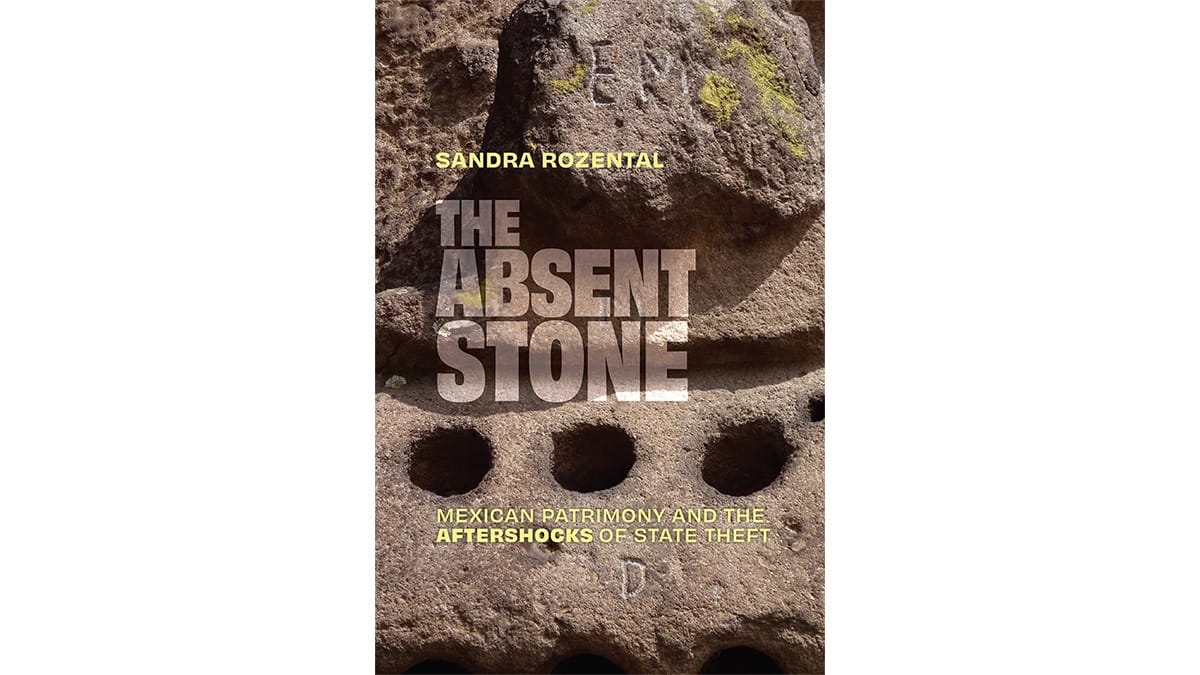
In 1964, the Mexican government forcefully relocated the “Piedra de los Tecomates,” known as the largest carved stone monument in the Americas, from the town of Coatlinchan to the then-new National Anthropology Museum. When residents of the town protested the relocation of the piece, which is thought to depict the Aztec rain deity Tláloc, the Mexican state deployed the military to forge ahead with its removal. Scholar Sandra Rozental’s book examines the incident and its reverberations in the Coatlinchan community to this day, touching on questions of cultural patrimony and collective memory. —Valentina Di Liscia
The Atlas of World Embroidery: A Global Exploration of Heritage and Styles by Gillian Vogelsang-Eastwood | Princeton University Press, February 17
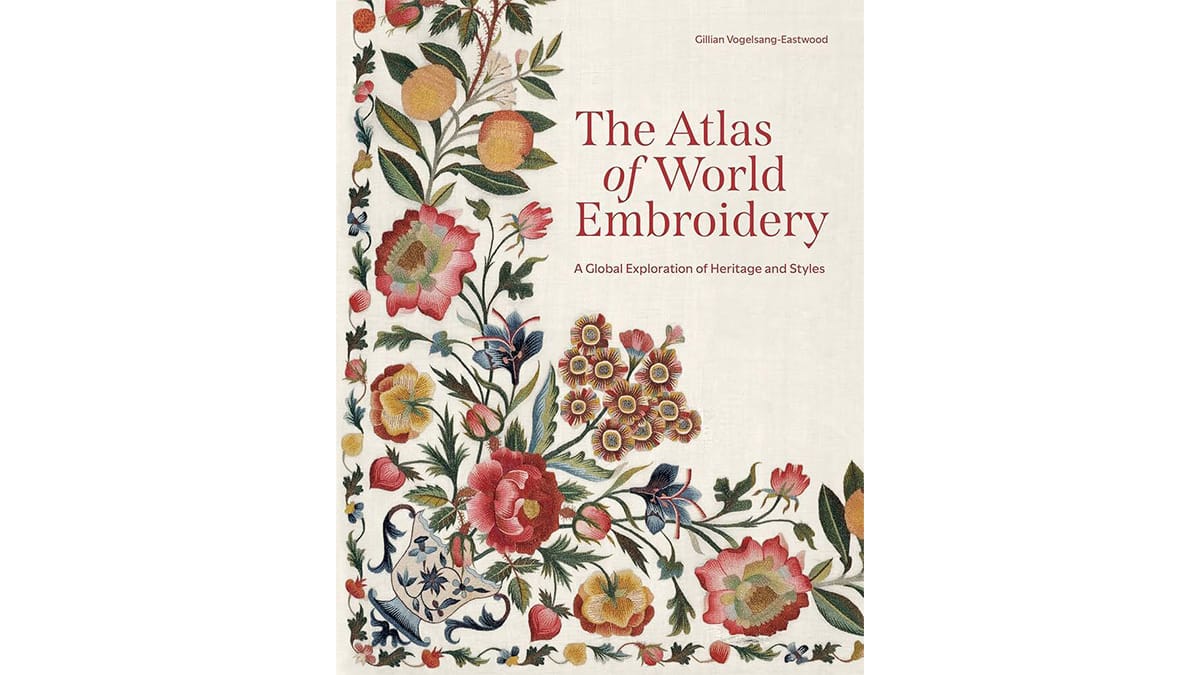
Few things are as beloved in families as embroideries, as they are almost always produced by women who have had little opportunity to leave behind precious traces of their lives and handiwork. This volume takes readers around the world to find the languages of stitch that form patterns of transmission handed down through countless generations. It's a feast for the eyes, and proves that abstraction has long been integral to world heritage and wasn't just something someone discovered in the 19th or 20th century. —Hrag Vartanian
No!: The Art+Activism of Complaining by Sara Ahmed | Feminist Press, April 7
Raise your hand if you can remember the last time that complaints had a good rap, especially complaints from women. Sara Ahmed’s follow-up to The Feminist Killjoy Handbook (2023) doesn’t simply celebrate complaints; it reimagines them as a form of resistance and recognition. Ahmed, a former professor at the University of London’s Goldsmiths college and an influential figure for artists and curators, shares her own stories and research into the sometimes devastating aftermaths when complaints go unheeded. She also opens her pages to other voices telling their own stories. Ahmed’s book is an insightful reminder: Sometimes the squeaky wheel doesn’t get the grease until it’s too late. —Natalie Haddad
Transcription: A Novel by Ben Lerner | Farrar, Straus and Giroux, April 7
From an existential spiral in front of a painting at the Prado to an after-hours encounter with a stainless steel Donald Judd sculpture, Ben Lerner’s novels contain some of the best art criticism I’ve encountered. His analysis is embodied but self-conscious, erudite but sincere. That’s why I’m looking forward to Transcription, about a non-interview with a “giant in the arts.” I wouldn’t trust many writers to make a “plot” like that worth my time, but I trust him. —Lisa Yin Zhang
Casa Kahlo: Frida Kahlo's Home and Sanctuary by Mara Romeo Kahlo, Mara de Anda Romeo, and Frida Hentschel Romeo | Rizzoli Electa, April 7
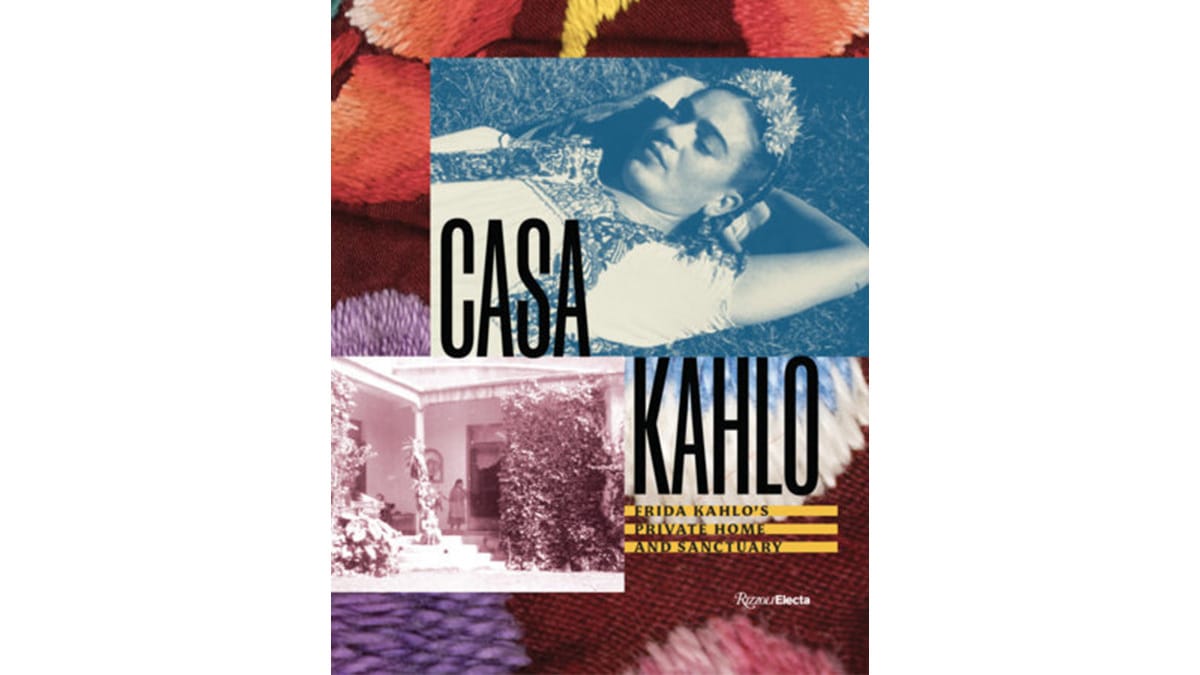
As anyone who has visited Mexico City’s Casa Azul knows, Frida Kahlo infused her spirit into the architecture and life of each place she called home. That includes the newly opened Casa Kahlo, just a few blocks away. Three of the artist’s grand-nieces will introduce the museum in this intimate compendium of photos, letters, garments, postcards, and early artworks that populate the house that Kahlo used as a second studio and classroom — and where her family still lives today. —Lakshmi Rivera Amin
Marcel Duchamp, edited by Matthew Affron, Michelle Kuo, and Ann Temkin | Museum of Modern Art, April 14
The answer to the age-old question "What is art?" changed forever in 1917 when Marcel Duchamp flipped a urinal on its head and presented it as an artwork. This image-rich book will accompany the king of the readymade’s first North American retrospective in 50 years, opening this April at the Museum of Modern Art in New York. Can't wait for both the exhibition and the book. —Hakim Bishara
Whistler: A Novel by Ann Patchett | Harper, June 2
I still can’t say for certain what kind of novelist Ann Patchett is. I thought she was an opera aficionado after I read Bel Canto (2001), but her description of the hallucinogenic effects of a malaria medication in State of Wonder (2011) suggested a medical background. Most accurately, she is that rare breed of writer who can make any premise feel utterly lived-in. With the possible exception of E. L. Konigsburg, I’m sure she’ll make The Met — where Whistler is set — come to life more scintillatingly than just about anyone else. —Lisa Yin Zhang
Black Curators Matter: Conversations on Art and Change, edited by Kellie Jones and Tumelo Mosaka | Getty Research Institute, July 14
Black Curators Matter examines the last 50 years of art, advocacy, and criticism through conversations between six major curators, including Lowery Stokes Sims, Deborah Willis, and Kellie Jones, and other art workers. It’s a simple premise, but a fitting one, as history itself is polyvocal — I’m interested not only in consensus, but also in frictions. After all, 2026 marks the 250th anniversary of the nation’s founding, and our sense of ourselves is completely adrift. We need an anchor like this. —Lisa Yin Zhang
The Storyteller: John Berger's Lives by Tom Overton | Penguin Random House, September 1
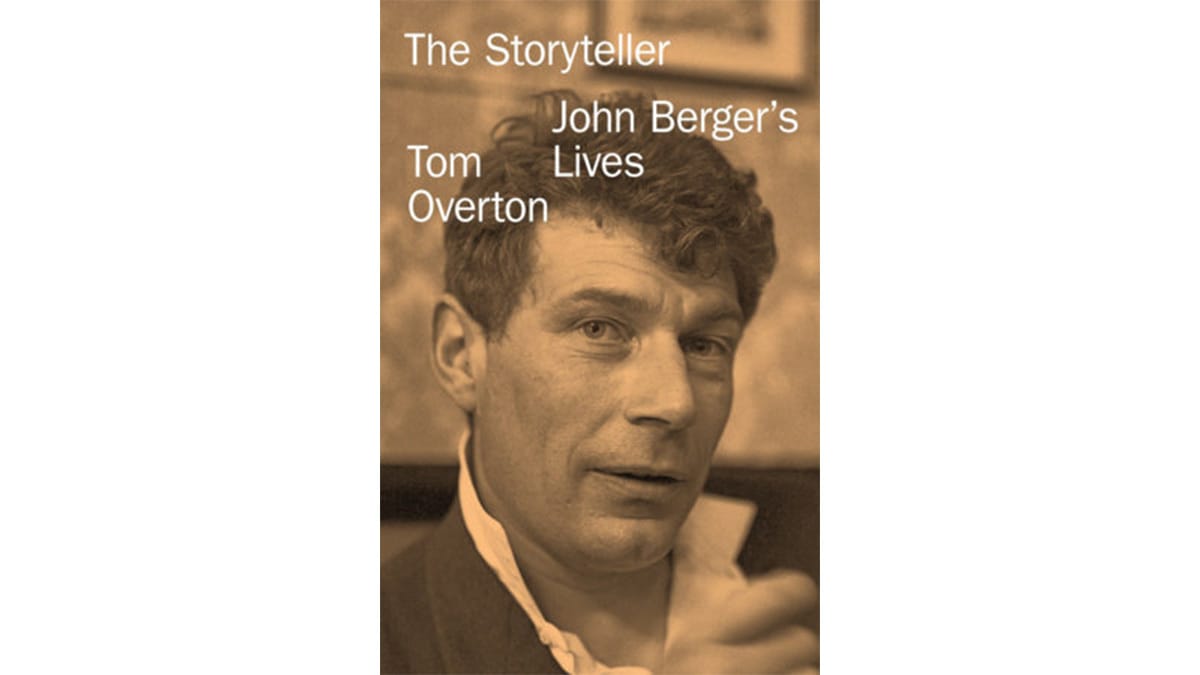
There’s no shortage of publications both by and about famed art historian John Berger. What makes Tom Overton’s forthcoming book stand out is its wealth of information on Berger’s life, compiled through research and conversation between the two writers. As the press release notes, “Berger called himself a storyteller.” This addition to the Berger library looks at what brought out that storytelling instinct through what may be the most detailed record of his life and personality yet. —Natalie Haddad
Primary: After and With Alma Thomas, by Alexis Pauline Gumbs | Yale University Press, September 29
Alexis Pauline Gumbs, who recently wrote an acclaimed biography of Audre Lorde, first gained a following through her meditations on the links between Black feminism and marine mammal life. She even gathered these Instagram posts into the book Undrowned (2020). Her next publication can’t come out soon enough: This fall, she turns her attention toward the rhythmic paintings of Alma Thomas, focusing on the beloved artist’s cultivation of Black community and creativity as a teacher in segregated Washington, DC. —Lakshmi Rivera Amin
The Catalogue for the 61st International Venice Biennale | Edizioni La Biennale di Venezia, 2026
Before her sudden death last year, Cameroonian curator Koyo Kouoh laid out a promising curatorial vision for In Minor Keys, the 2026 Venice Biennale's international art exhibition. It will be interesting to see how the artistic team tasked with realizing Kouoh's plans will help "[render] visible the possibilities that reside in the in-between spaces and beyond the portals.” —Hakim Bishara