40 Years Later, Houston's FotoFest Keeps Its Edge
The photography festival’s anniversary retrospective embodies the spirit of freedom and internationalism present since its founding.
HOUSTON — “If you think there are too many pictures here, you’re right,” joked Wendy Watriss, photographer and FotoFest co-founder, at the biennial’s opening reception on March 7. For the show’s 40th anniversary, organizers mounted a massive retrospective featuring over 450 artists from 58 countries. “We wanted people to see the breadth and the scope of FotoFest, from China to Argentina, from Russia to England, from Canada to Africa, and on and on,” said Watriss.
She founded FotoFest with her husband, photographer Frederick Baldwin, after the two visited the Rencontres d'Arles in southern France in 1983. During their travels, the pair encountered groundbreaking photography that had never been shown in the United States. As a result, they sought to create their own festival in Houston with the founding values of “internationalism, opening the door to new opportunities around the world, and making sure that the United States doesn’t remain as parochial as it often is,” Watriss said at the opening event. That was a radical message when the festival began in 1986, and it remains so today.
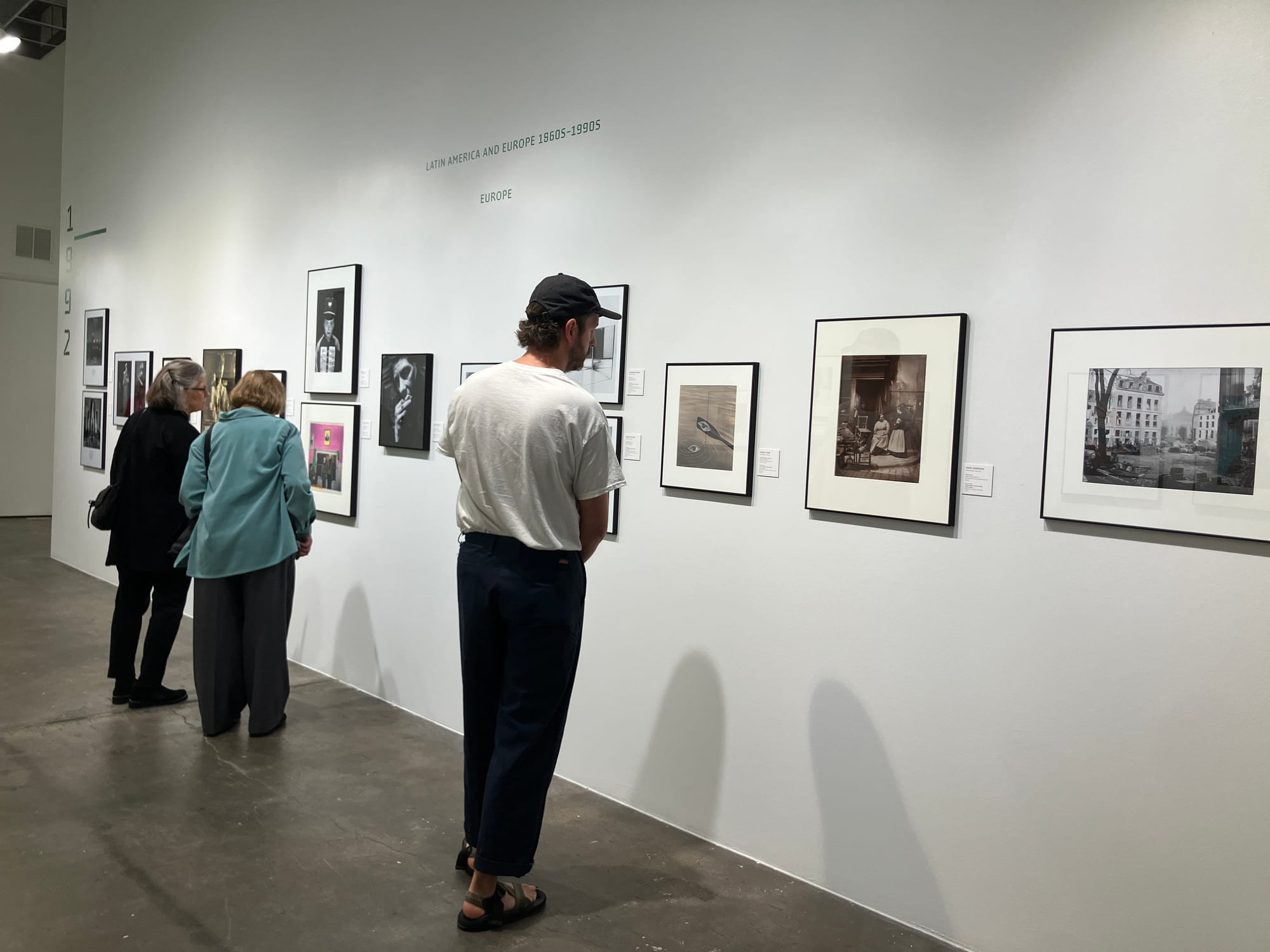
For all the right-wing attempts to resurrect American McCarthyism, the mood among FotoFest attendees was relaxed and upbeat. Despite a heavy downpour outside, turnout was strong. A live band played. Guests mingled and posed for photographs. The festival’s organizers and attendees from local arts organizations projected a joyful self-assuredness so far from the “culture under siege” narrative that it seemed almost foolish to bring it up. When asked by Hyperallergic how he felt about the current atmosphere of censorship and whether the arts would bow to governmental demands, FotoFest Executive Director Steven Evans smiled and replied, “I’m against it.” Though Evans vaguely alluded to pushback the biennial received for its political ethos, when asked to comment further, he steered the conversation back toward the artwork it championed.
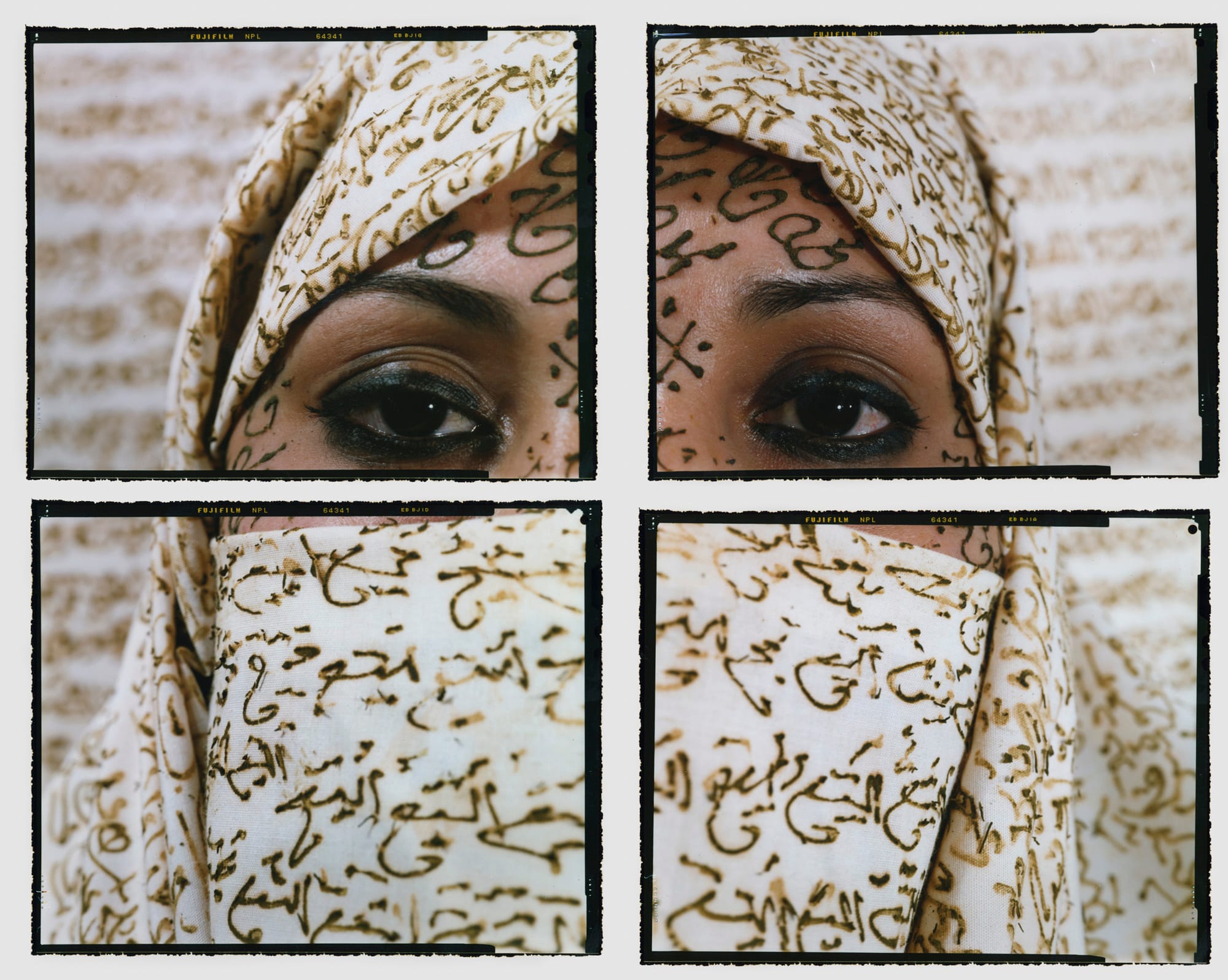
Indeed, there was much to celebrate. The biennial is spread across three buildings, a series of commissions at Project Row Houses, and a slate of public programs and partnerships across the city large enough that the FotoFest guide is a 192-page paperback. (The retrospective is also accompanied by a hefty hardcover catalog by Schilt Publishing.) Its main exhibition, Global Visions: FotoFest at 40, spans two buildings at the Sawyer Yards Galleries and provides a taste of each of the 20 biennials FotoFest has held since 1986. Unlike Arles and other similar festivals, FotoFest — as the retrospective demonstrates — has always been more tightly curated, focusing on a deeply researched theme for each iteration. Past biennials have focused on topics as diverse as contemporary photography and new media in India (2018); 20th-century Russian Pictorialism (2002); Latino photography in the US (1994); and early modernist Japanese photography (1988). No overarching FotoFest “style” emerges from the retrospective, as it spans every conceivable mode, from the formal abstraction of Theodore Schwenk’s scientific liquid motion studies to Susan Meiselas’s documentary photojournalism capturing the Kurdish struggle for independence.
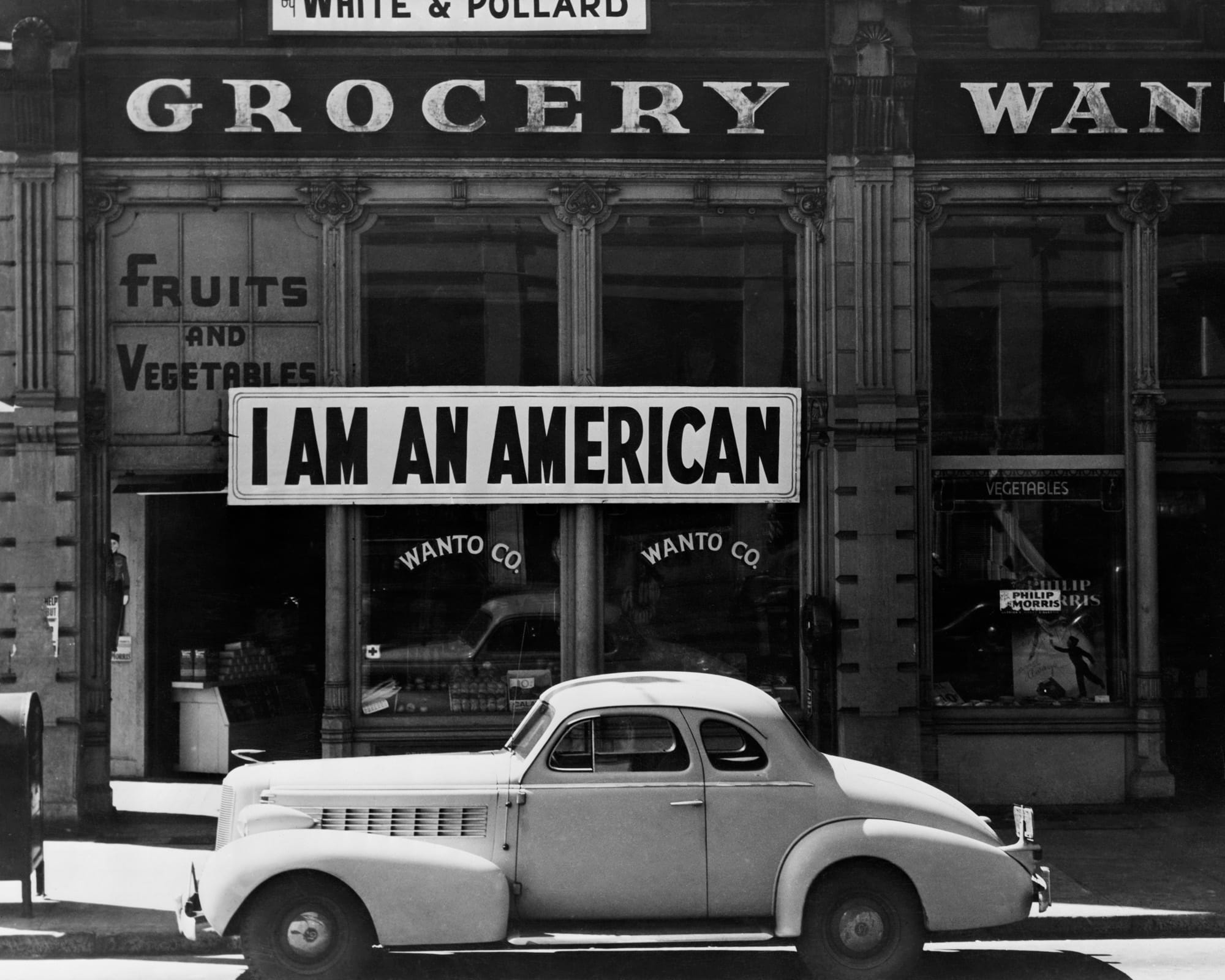
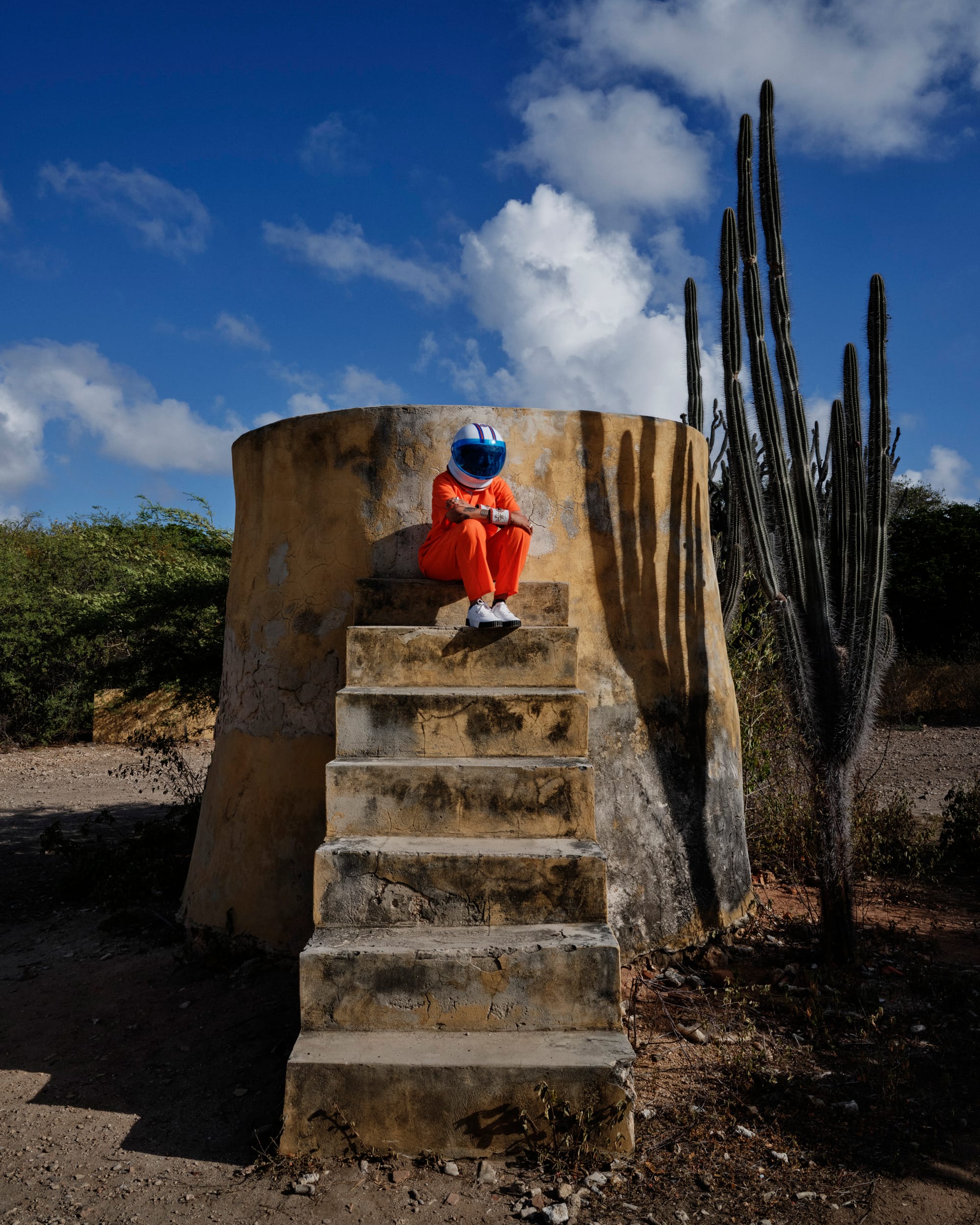
FotoFest is the oldest photography festival in the nation, and its age is reflected in the long-term ties with the artists on view, all of whom the biennial re-engaged for the retrospective. Photographer Lola Flash first attended FotoFest 15 years ago on a scholarship from the New York nonprofit En Foco, and today they are one of the commissioned artists at Project Row Houses, where they present Afrofuturist self-portraits from the series syzygy, the vision (2019–present). “As a Black, queer, female photographer, I think that when you look around, you can see the inclusiveness that [FotoFest] really pushed for,” Flash said in their remarks at the opening. “So for me, to feel like a part of this organization and a part of the world of photography, it’s very important.”
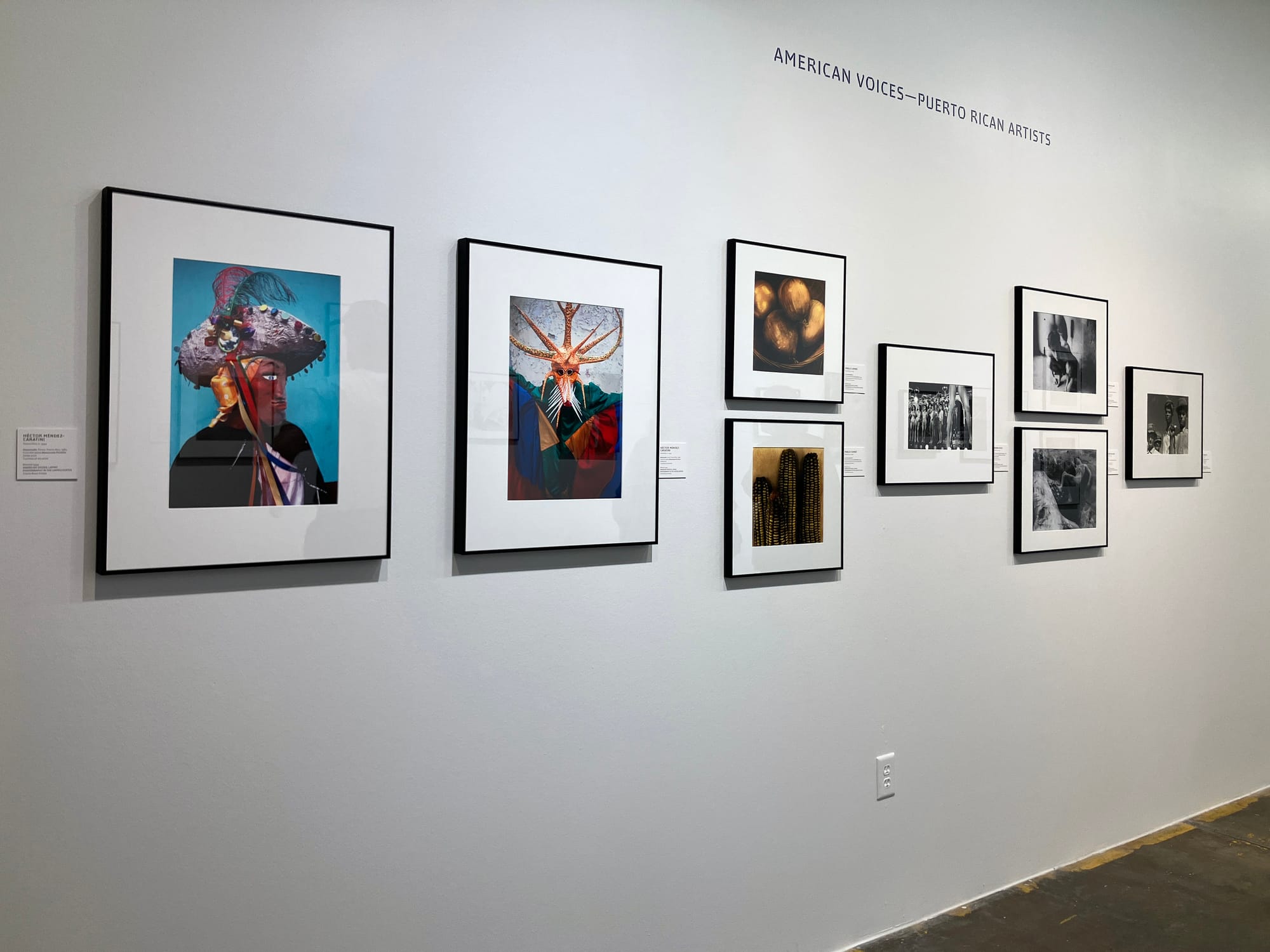
Likewise, Delilah Montoya — now an established photographer and educator — had barely been exhibited before her work was included in the biennial’s 1994 edition, American Voices. “There were a lot of really important Latinos and Latinas who were invited into FotoFest, and it was really the first time that all that work was shown together,” Delilah said, addressing the crowd. “This was the first time Latino Americans, though we’ve been here for four or five hundred years, were being shown.”
Despite sitting squarely in a red state, Houston’s thriving art scene remains largely independent. Although the Trump administration has attempted to exert unprecedented levels of control over the arts — including taking over the Kennedy Center, erasing Black history from public monuments, and censoring the Smithsonian — its impact has been mostly confined to government-funded cultural institutions. The US has never funded the arts in the ways that other countries do. Although this has made it harder to be an artist or nonprofit here, it also means that such organizations are already largely independent and resourceful; no money means no strings attached, and therefore no strings to pull. There is little incentive to comply, and so far, at least in Houston, few signs of compliance in advance.
FotoFest embodies this spirit of freedom, as the retrospective demonstrates the biennial’s tireless commitment to never looking away from hard truths and to building a community that is both local and international. Doing all that for 40 years — that’s no small feat.