A Year of Elevating LGBTQ+ Artists
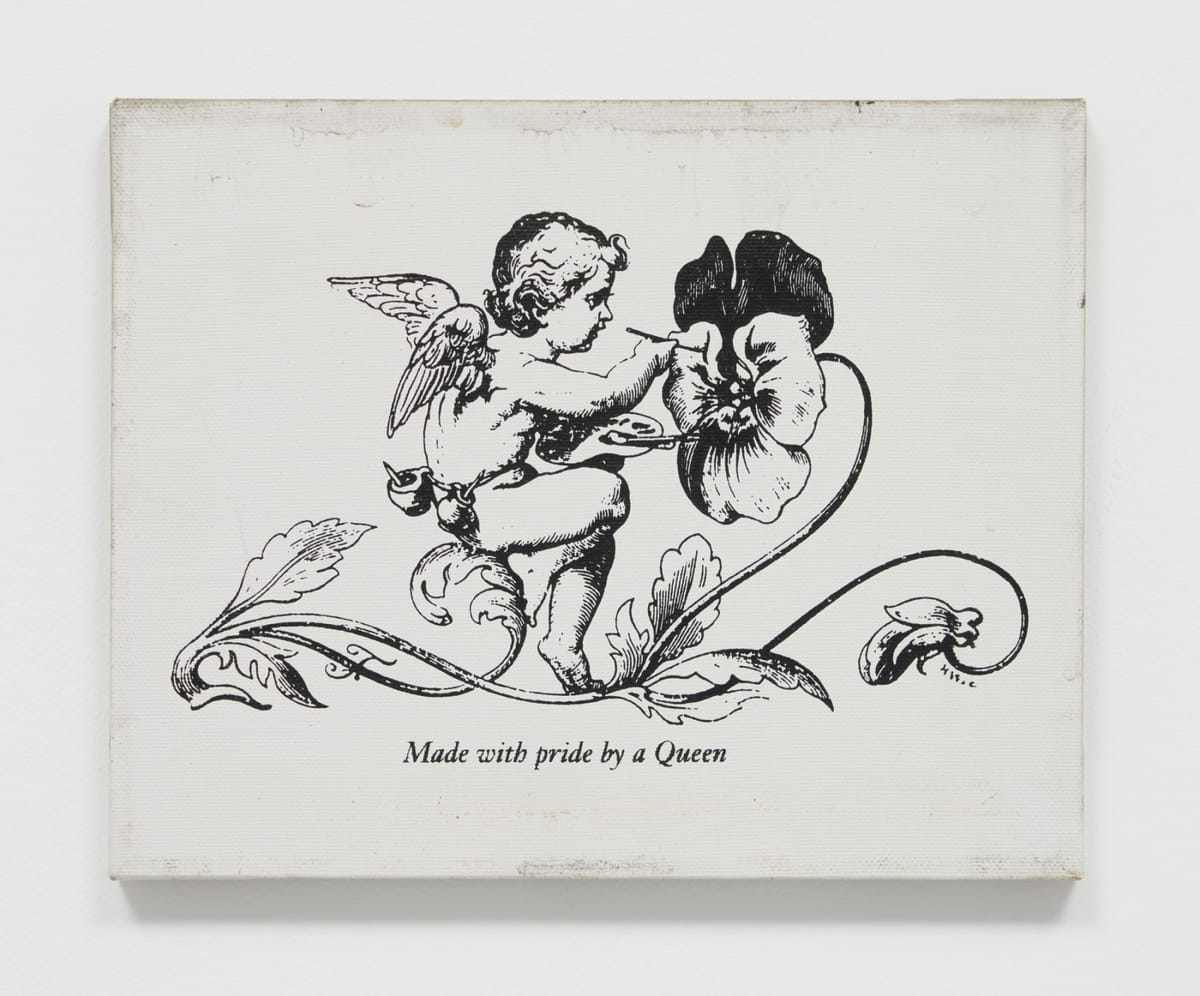
This past summer, Participant Inc., a Lower East Side art nonprofit, hosted an exhibition on Chloe Dzubilo, a trans woman who became an AIDS activist after contracting the disease. The show, curated by Alex Fleming and Nia Nottage, was immensely rich and important for both its historical and personal insights into the artist’s life. Through text-based works and drawings, the artist painted an intimate and sometimes painful picture of her experience living in subsidized housing for people with AIDS and discrimination at the hands of medical professionals. I reviewed the show with the hope that it would strike a nerve with readers from all walks of life who have experienced subpar healthcare, housing instability, and personal strife.
It was one of a handful of New York shows this year that centered art by or about trans and gender-nonconforming people. At a moment when basic freedoms and legal protections for people who fall under the trans umbrella — even the right to be recognized — are being stripped away by the Trump administration, it’s encouraging to see some art institutions platforming artists such as Dzubilo. The art world’s support of work by or about trans and gender-nonconforming people seems to fly under the radar more than its support of many other marginalized groups.
Last fall, I was able to sit in on a private conversation between two prominent artists I admire. Both identify as nonbinary and they discussed how, even in liberal circles, gender identity is often dismissed as a non-issue. Listening to them, I realized how true this often is in art and culture more broadly. I’m privileged to be in a position to help change this. This year I was grateful to raise the profile of some trans and nonbinary artists in my role as an editor and writer, and maybe to prompt some of the myriad conversations that can come out of their art.
The experiences that most stood out to me as an art critic and editor this year were those that brought attention to some of these exhibitions. In addition to my review of Dzubilo’s show, I was able to cover another historically significant show, Dueñas de la Noche: Trans Lives and Dreams in 1980s Caracas at the Institute for Studies on Latin American Art. Alexis Clements wrote about The Met’s Casa Susanna, while Emma Cieslik covered Spectrum of Desire: Love, Sex, and Gender in the Middle Ages at The Met Cloisters.
Another great read is my colleague Lisa Yin Zhang’s review of Nayland Blake’s work at Matthew Marks Gallery. Through their writings, visual art, and performance, Blake has been a guiding light to LGBTQ+ artists (and others) for decades. Vaginal Davis, a pioneering LGBTQ+ artist whose work ranging from sculpture to punk music was the subject of a major survey at MoMA PS1, was covered here by Daniel Larkin.
John Yau’s review of nonbinary artist Xingzi Gu’s paintings of androgynous figures illuminated the process and concepts behind the ethereal artworks. More pointed in their statements about identity but just as dreamlike was Hortensia Mi Kafchin’s recent show at PPOW Gallery, reviewed here by Cat Dawson, and Young Joon Kwak’s sparkling sculptures at the Leslie-Lohman Museum, reviewed by AX Mina.
One of the year’s highlights was Tate Modern’s thorough and thoroughly compelling retrospective of Leigh Bowery, reviewed by Olivia McEwan. Bowery identified as a gay man, but his performances and handmade costumes, created amid 1980s London’s dazzling art underground, push gender-bending to new heights of complexity.
Our writers covered plenty of other great shows this year, too: Aruna D’Souza’s incisive assessment of Duane Linklater at Dia Chelsea, Lori Waxman’s empathetic discussion of Chicago’s Red Line Service, a nonprofit that assists unhoused people, Carolina A. Miranda’s report on Chile’s 1980s punk underground, and Claudia Ross’s review of Burn Me at The Box in Los Angeles, which featured art and artists impacted by LA’s January fires. And I can’t sign off for the year without mentioning an exhibition that blew me away: Nathalie Djurberg and Hans Berg’s Only for the Wicked at Tanya Bonakdar Gallery was gorgeous and devastating.
On a different note, make sure to read Senior Editor Valentina Di Liscia’s list of artworks that spoke truth to power in 2025.
You can help raise the profile of artists facing adversity and changing the world for the better, too, by becoming a paying Hyperallergic Member. As we transition into 2026, let's look toward hope and community. Happy New Year.
—Natalie Haddad, reviews editor
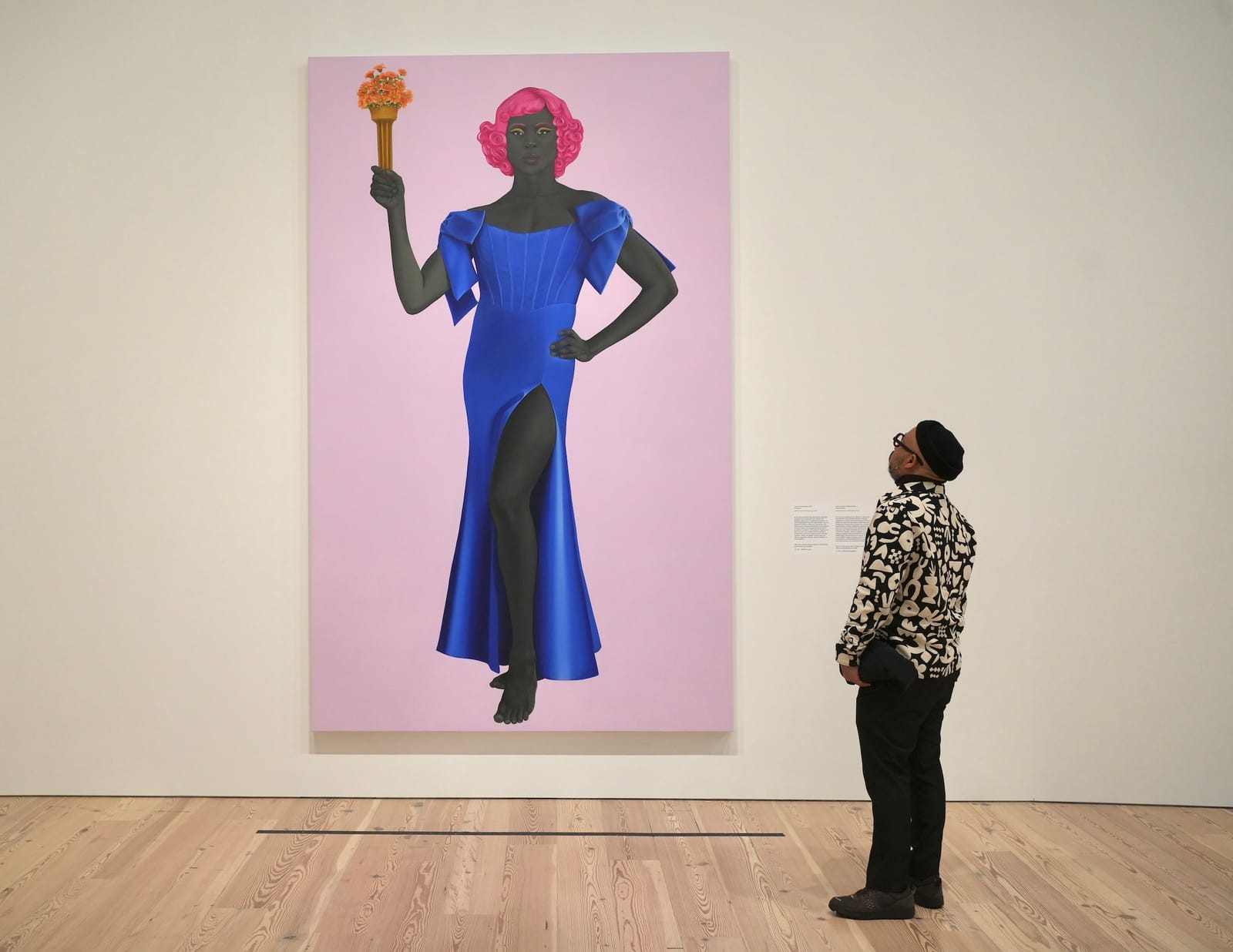
10 Artworks That Spoke Truth to Power in 2025
From public murals to museum walls, artists mobilized their practices to call out injustices, expose wrongdoing, and advocate for a better world.
My 2025 Picks
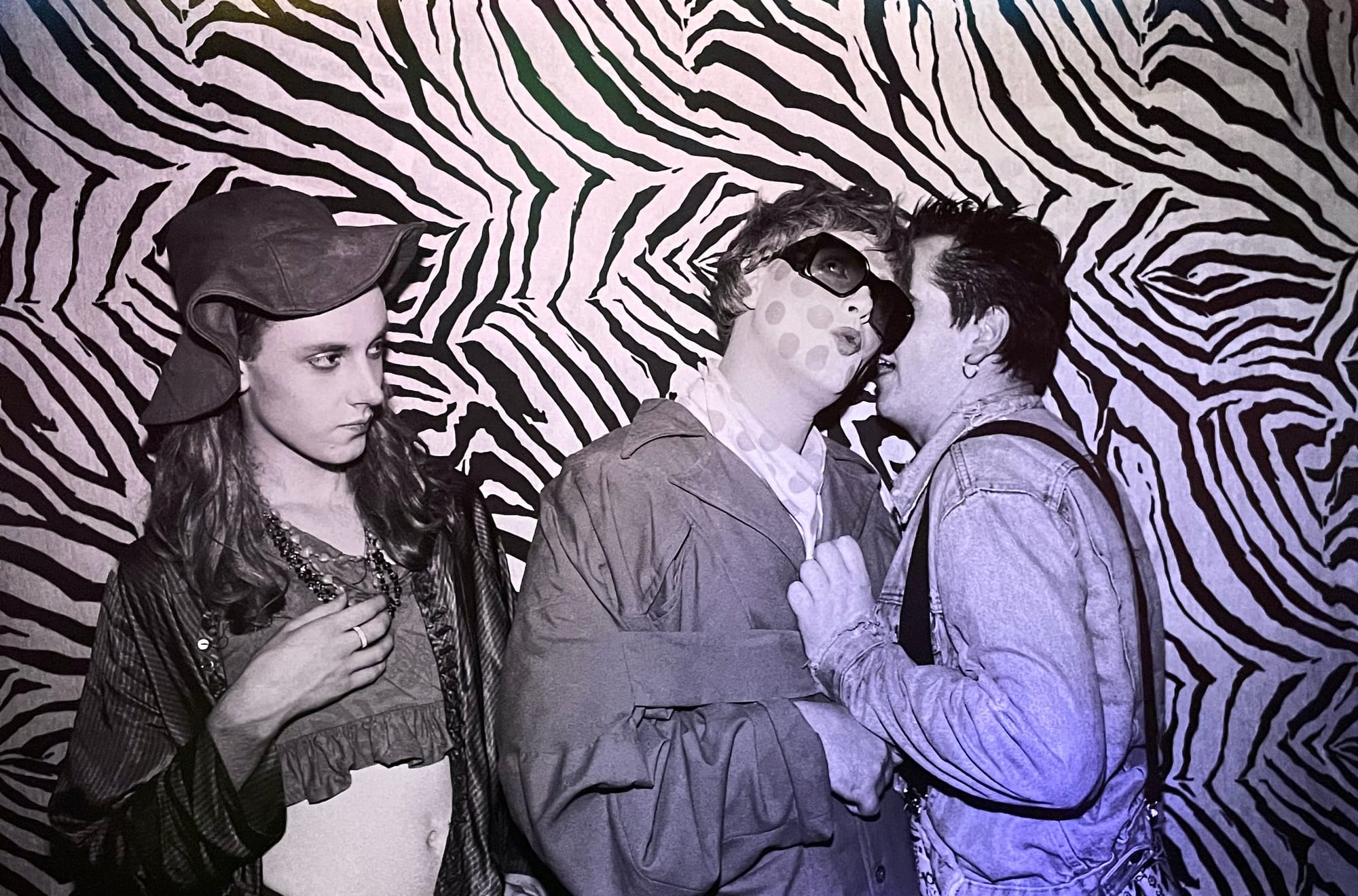
Leigh Bowery Was His Own Artwork
In a contemporary society made creatively bland by the homogenizing factor of social media, one yearns again for such an original artist. | Olivia McEwan
Casa Susanna Is a Glimpse Into a Midcentury Refuge for Trans Women
As exciting as it is to see snapshots of this community, it’s just a tiny taste of the vast and long-standing history of trans people around the globe. | Alexis Clements
For Chloe Dzubilo, Art and Advocacy Were Inseparable
As an HIV-positive trans woman and advocate, Dzubilo faced challenges that should have been history by the early 2000s, yet persist today. | Natalie Haddad
Vaginal Davis Is Queercore's Fairy Godmother
For the gender-bending artist, size matters — just not in the way you think, suggests a new survey at MoMA PS1. | Daniel Larkin
For Duane Linklater, It’s a Buffalo’s World
The Omaskêko Cree artist ties the well-being of the animals to that of the Indigenous people with whom they have long lived symbiotically — not in nostalgic terms, but in futurist ones. | Aruna D'Souza
Nayland Blake’s Dark Joke Is On You
The artist has perfected a register that is laugh-out-loud funny or absurd, rigorously conceptual, and erotic, edged with simmering rage. | Lisa Yin Zhang
Nathalie Djurberg and Hans Berg’s Fairytales With No Heroes
The pair tell a grand drama of depravity and degradation, sometimes enacted by official powers like Church and State, other times by rogue players. | Natalie Haddad