Betye Saar, Simone Forti, Walter Benjamin
Your remedy against toxic people, Trump’s war against the Smithsonian, and saying goodbye to two giants of the arts.

How many days of your life have been ruined because of someone else's fragile ego? How many times have so-called "friends" shamelessly stolen your ideas? In this month's Art Problems column, Paddy Johnson tackles an uncomfortable question: Why are there so many toxic people in the art world? Read her tips on how to protect yourself from insecure peers and bad-faith actors. Hope it helps.
Speaking of toxic people, President Trump has ordered the installation of content warning signs outside the Smithsonian National Museum of American History to alert the public against the institution's alleged leftist bias.
"No other president has seen fit to vandalize taxpayer-funded museums with a billboard telling people not to go inside, while directing them to more politically 'palatable' — which is to say extreme right-wing — revisions of the historical record," writes Ed Simon in a must-read opinion piece below.
In other stories, this week we said goodbye to two giants: assemblage artist Betye Saar, who died just four days before her 100th birthday, and performance artist Simone Forti, who passed away at 91. We mourn their death while celebrating the massive legacies they've left behind.
—Hakim Bishara, editor-in-chief
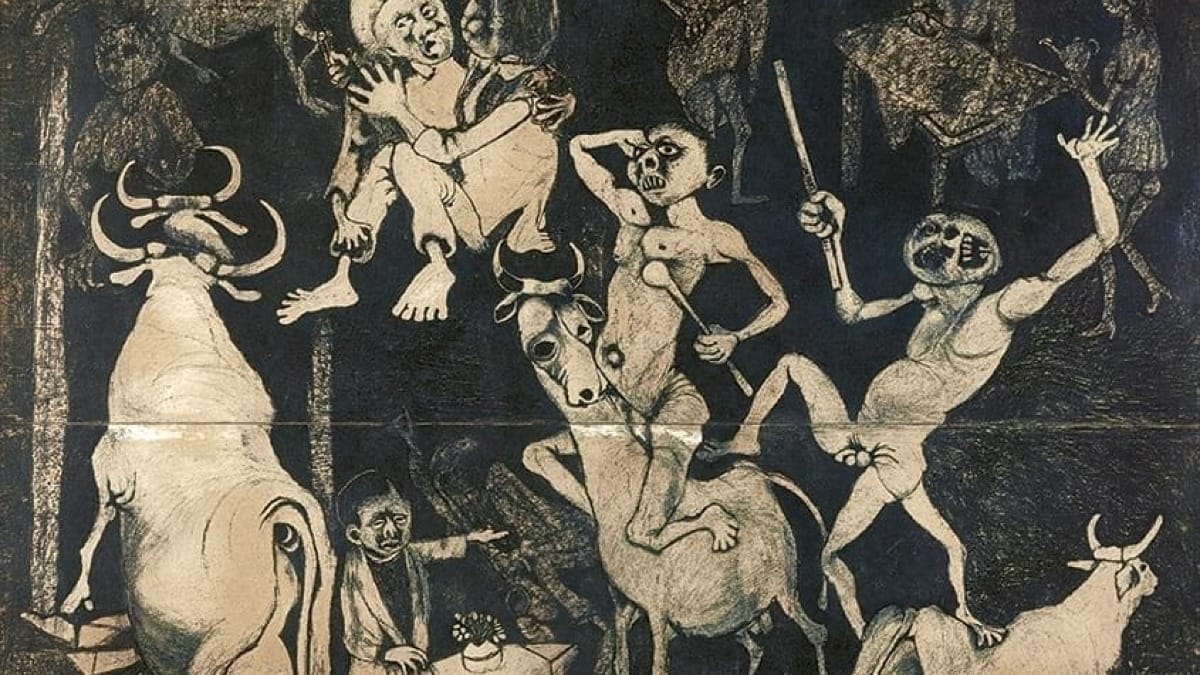
Madrid Museum Puts Picasso in Dialogue With “African Guernica”
Spanning over 25-feet wide and 11-feet high, Pablo Picasso’s painting “Guernica” (1937) is as monumental in size as it is in cultural significance. Its startling depiction of state brutality against civilians has made it an emblem of post-war Spanish identity, and its cry against violence has resonated with besieged people worldwide — from Vietnam to Gaza — throughout the past nine decades.
A new annual exhibition series at the Museo Reina Sofía in Madrid, which has served as the canonical work’s permanent home since 1992, places “Guernica” in dialogue with other artworks. The new program, titled History Doesn’t Repeat Itself, but It Does Rhyme, partly aims to revisit the universal political impulses behind the anti-war painting — but its first iteration also exposes race as an urgent issue for contemporary art institutions in Spain. | Agnish Ray
Read MoreSupport Independent Art Reporting
Independent, critical reporting is increasingly hard to come by. But you can ensure it doesn’t disappear.
By becoming a paid member of the Hyperallergic community, you not only help keep our lights on, but ensure our hands (and pens) remain untied.
Hyperallergic isn't beholden to large corporations or billionaires. Instead, our journalism is funded by readers like you: individuals who fight for integrity and justice during increasingly unjust times.
With your support (as little as $6.67/month!), you are joining a community of people who value and advocate for independent journalism and greater transparency in the arts. The perks aren’t bad either…
We hope you’ll join us.
News
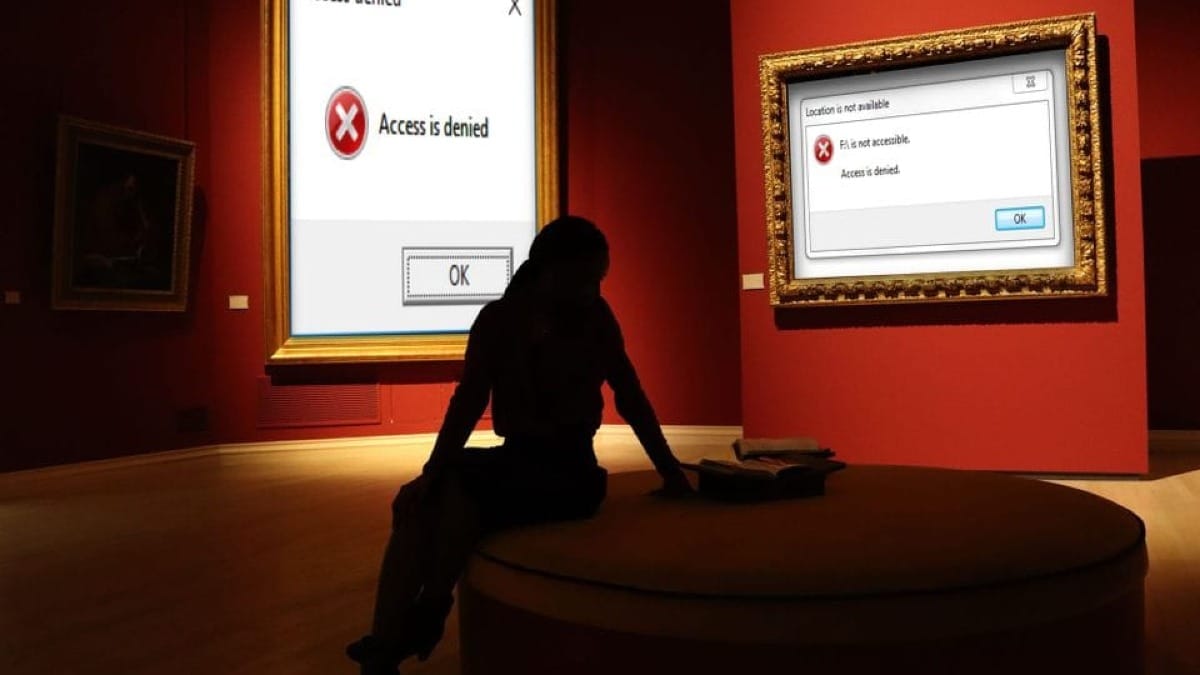
- A recent psychological study on so-called “cancel culture” and artistic impact found that its respondents reacted more punitively toward an artist accused of sexual assault (SA) compared to an artist accused of murder.
- Art Movements: Todd Caissie is named the new executive director of the Montclair Art Museum. Plus, curators are named for the Aichi Triennale and Biennale of Sydney in our weekly roundup of industry news.
- Trump has ordered federal officials to install content warning labels outside the Smithsonian National Museum of American History after his administration accused the institution of “anti-white” practices.
- Japan’s historic Kumamoto Castle is damaged after a 7.1-magnitude earthquake hits the country.
- The European Central Bank reveals 10 shortlisted design proposals for euro banknotes centered on either the theme of “European culture” or “rivers and birds” — and Leonardo da Vinci is in one of the designs.
- The German publishing giant Steidl Verlag is facing an uncertain future after coming close to bankruptcy.
- Trump spends $5 million in public funds on the regilding of two of the DC equestrian statues, “Arts of War” and “Arts of Peace.”
Trump Administration
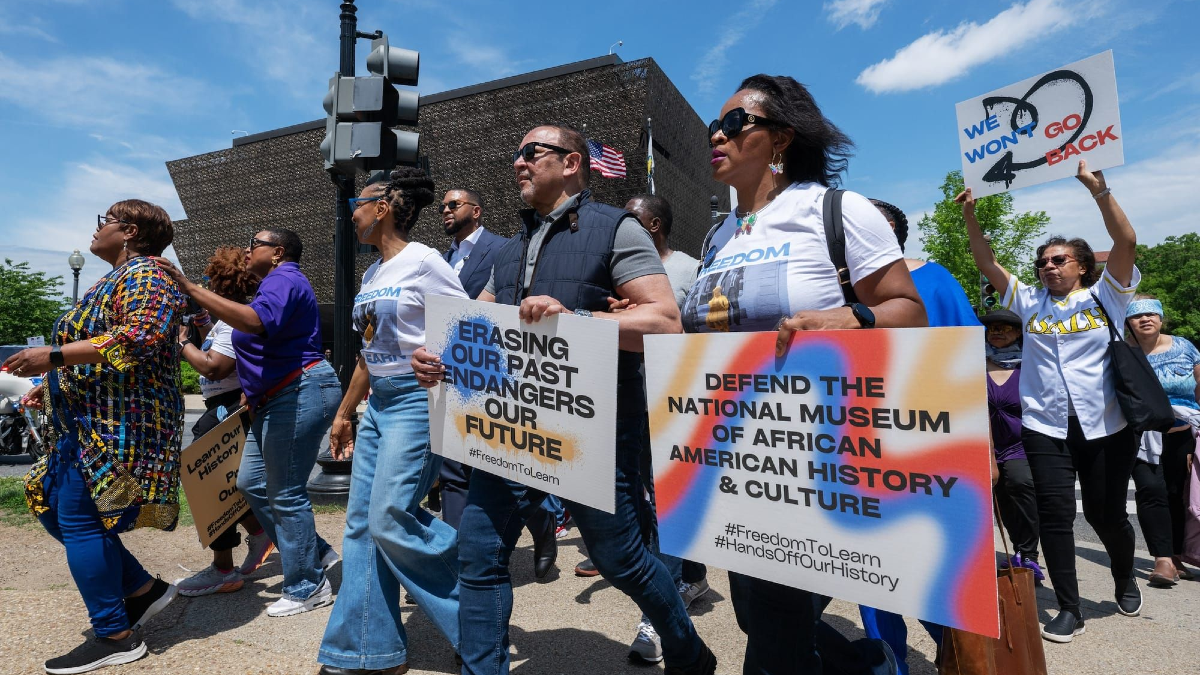
The Smithsonian Is Not the President’s Museum
The Trump administration’s latest order marks an unprecedented effort to subordinate one of America’s foremost public institutions to partisan power.| Ed Simon
Read MoreSmithsonian Hearing’s Most Bizarre Moments Ranked by Tier
“Is Mickey Mouse racist?” Texas Republican Congressman Brandon Gill asked National Museum of American History Director Anthea Hartig. | Rhea Nayyar
Read MoreFrom Our Critics
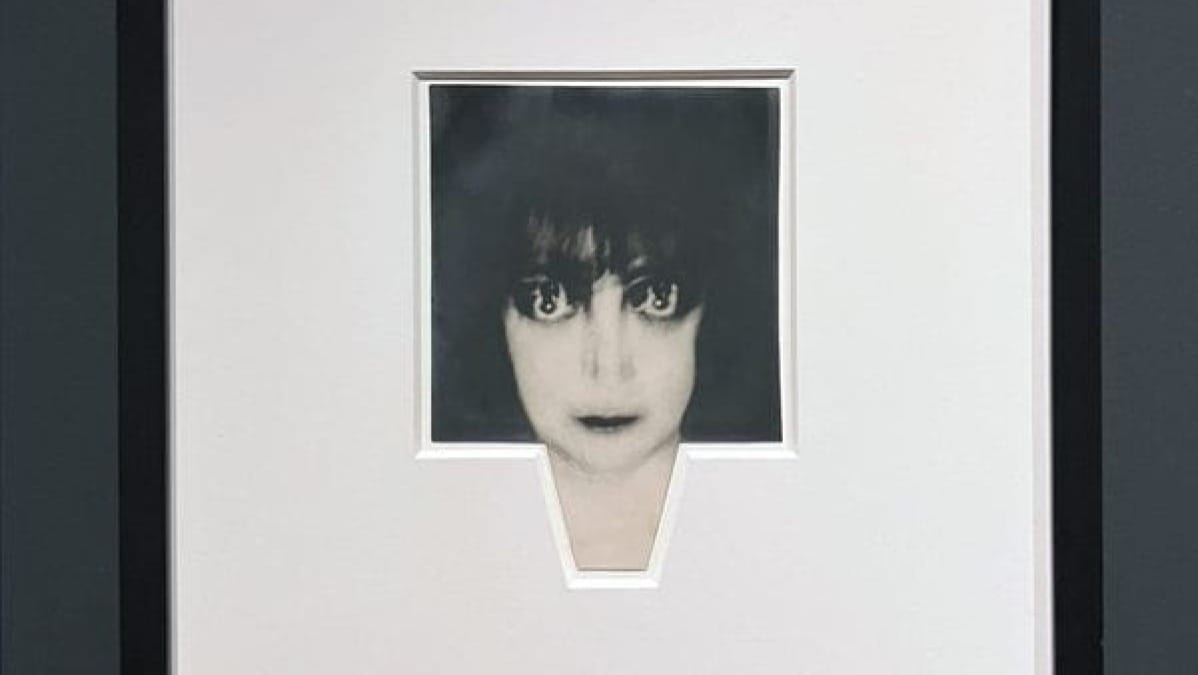
Walter Benjamin Warned Us About AI
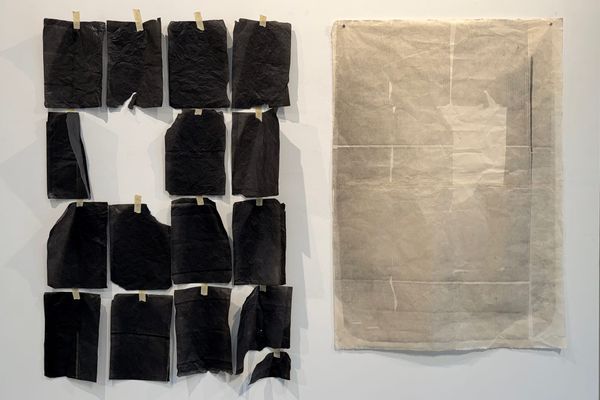
The philosopher believed that good photography provokes cognition while dangerous photography soothes, as seen in a jewel box show at the Jewish Museum. | Julia Curl
Read MoreAn Exhibition Lets Self-Taught Artists Speak for Themselves
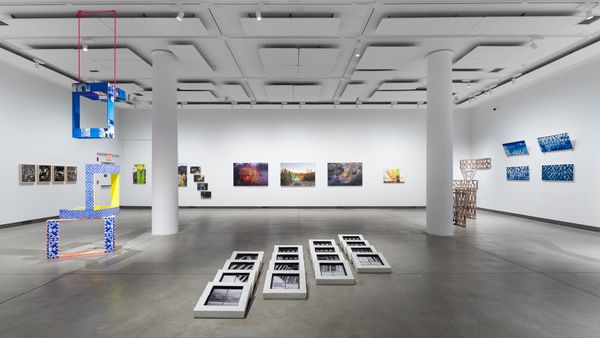
At the Folk Art Museum, “Self-Made” overcomes the problem of “insiders” ventriloquizing self-taught artists. | Ekin Erkan
Read MoreThe Queer Surrealists Who Fought Nazis With Paper Bullets
Claude Cahun and Marcel Moore shared a magnificent life as both romantic and creative partners, one in which gender proved as mercurial as the political climate of World War II. | Eileen G'Sell
Read MoreWhy Did Rembrandt Die Poor?
Rembrandt pioneered the saleable self, but unlike his rival, Gerard Van Honthorst, failed to reconcile his personal vision with the market. | Natasha Seaman
Read MoreThe Shakers Weren’t Minimalists
An exhibition posits that the sect happened upon the ideals of modern design, overlooking the contradictions and vitality of its culture. | Isabella Segalovich
Read MoreWidline Cadet’s Doubled Diaspora
The Haitian-born photographer explores how various media, from dusty analog photo albums to cell phone videos, store and shape personal histories of migration. | Debra Brehmer
Read MoreFeatures
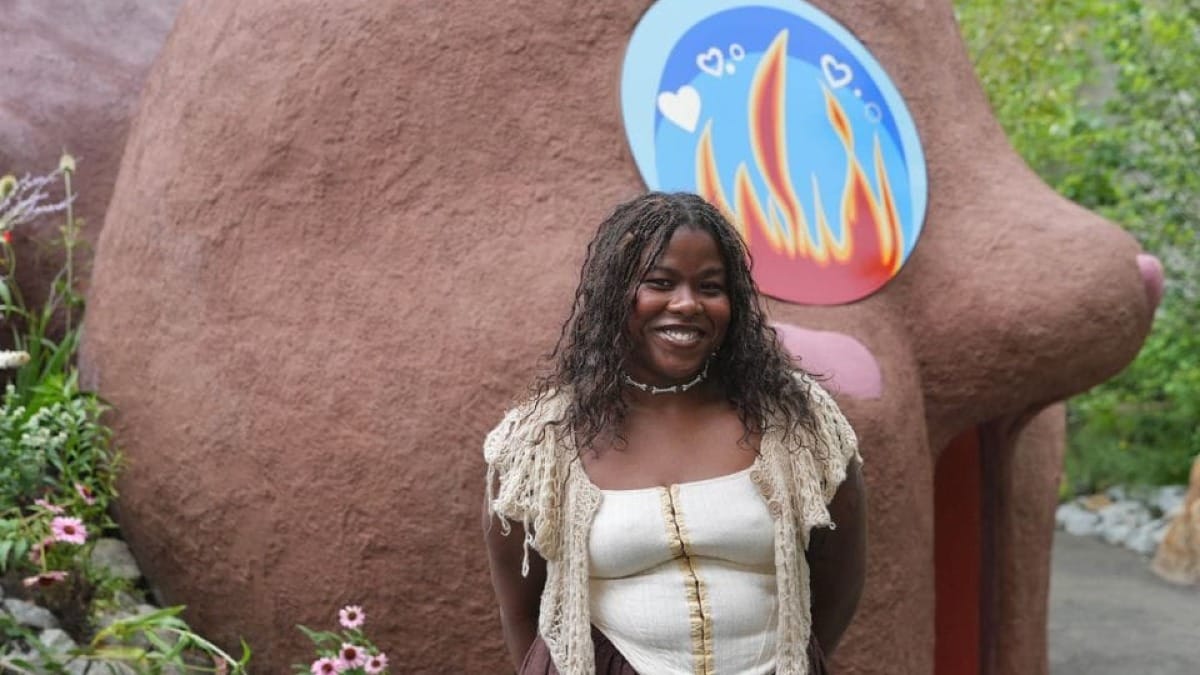
A Precious Garden Grows at MoMA PS1
Precious Okoyomon’s new work transforms the concrete corner of the museum courtyard into a place of joy, exploration, and, dare I say, tranquility. | Hrag Vartanian
Read MoreObituaries
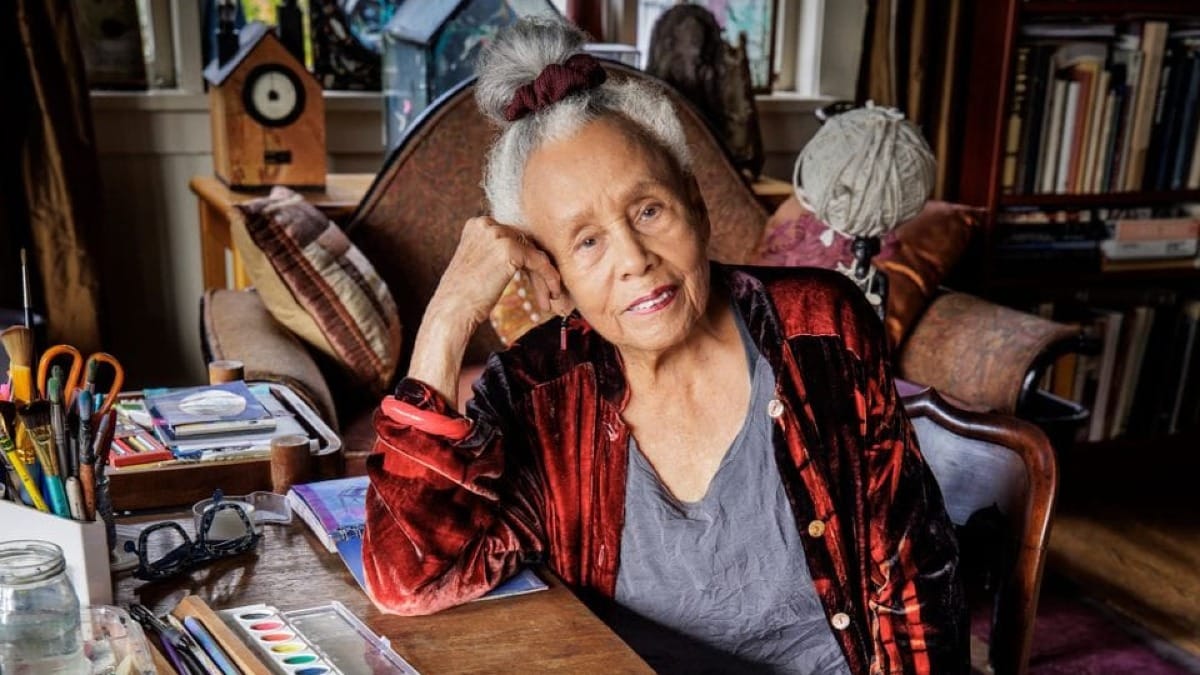
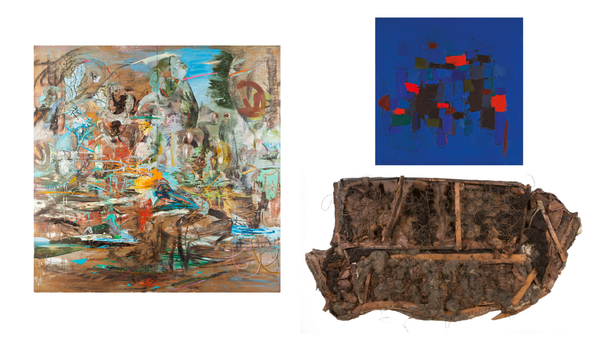
Betye Saar, Who Opened Portals Between Worlds, Dies at 99
Her visionary assemblages recast the debris of American history into monuments of Black resilience and liberation.
Read MoreSimone Forti, Artist of Movement and Chance, Dies at 91
The Italian-born choreographer and performance artist mixed boundless curiosity with a formal rigor across a broad creative spectrum that spanned New York, Los Angeles, and Rome.
Read MoreCommunity
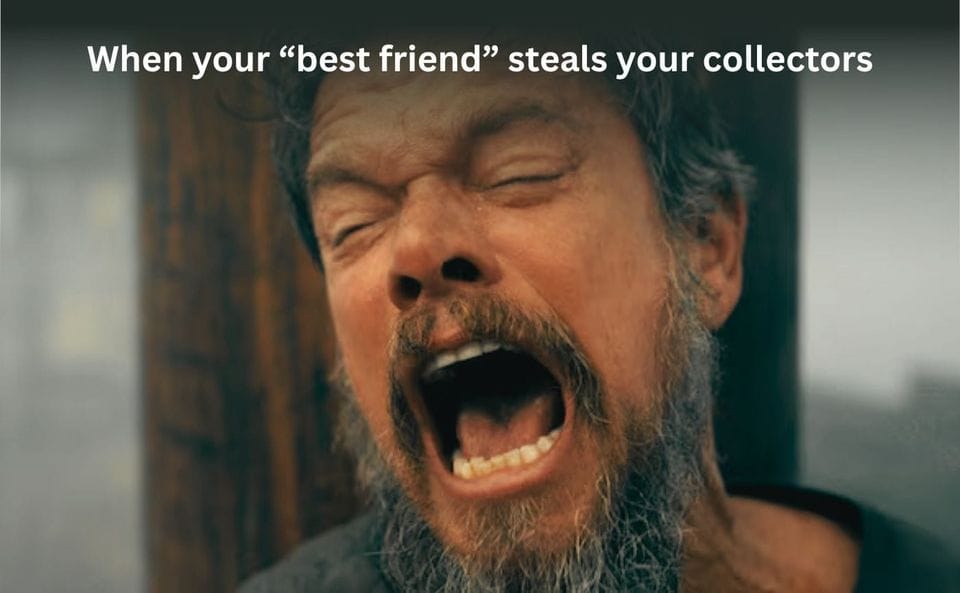
Art Problems: Why Are There So Many Toxic People in the Art World?
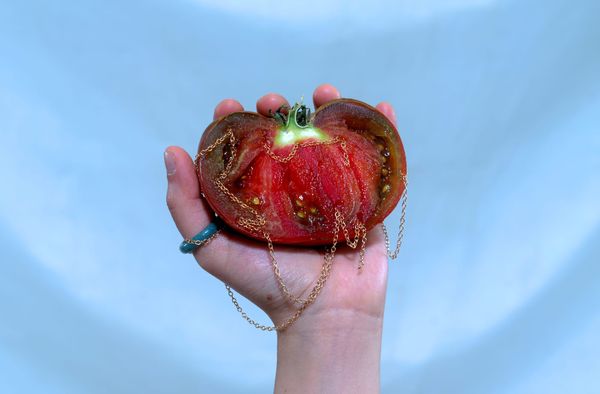
Every industry has toxic people, but desperation gives the art-world toxicity its particular flavor. The field is full of people making and supporting art, but the money available from collectors, grants and philanthropy combined can’t sustain most of them. We fight over the scraps.
Some of us handle scarcity better than others, but nobody is their best self. | Paddy Johnson
Read MoreA View From the Easel
Shahryar Nashat sculpts along to the sounds of Kelis’s “Milkshake” and experiments with “a nautical glue the color of honey.”
Read MoreRequired Reading
Remembering Betye Saar on her 100th birthday, saving a women’s sculpture garden, Emily Wilson breaks the internet, climate scientists on OnlyFans, and more.
Read MoreIn Memoriam
We honor explorer of diasporic consciousness, a revolutionary assemblage artist, and the first Black dean of art in the US.
Read More