Can the V&A’s New Museum Fulfill Its Democratic Promise?
In contrast with the institution’s behemoth architecture, its recently unveiled East London branches seem built on a human scale.

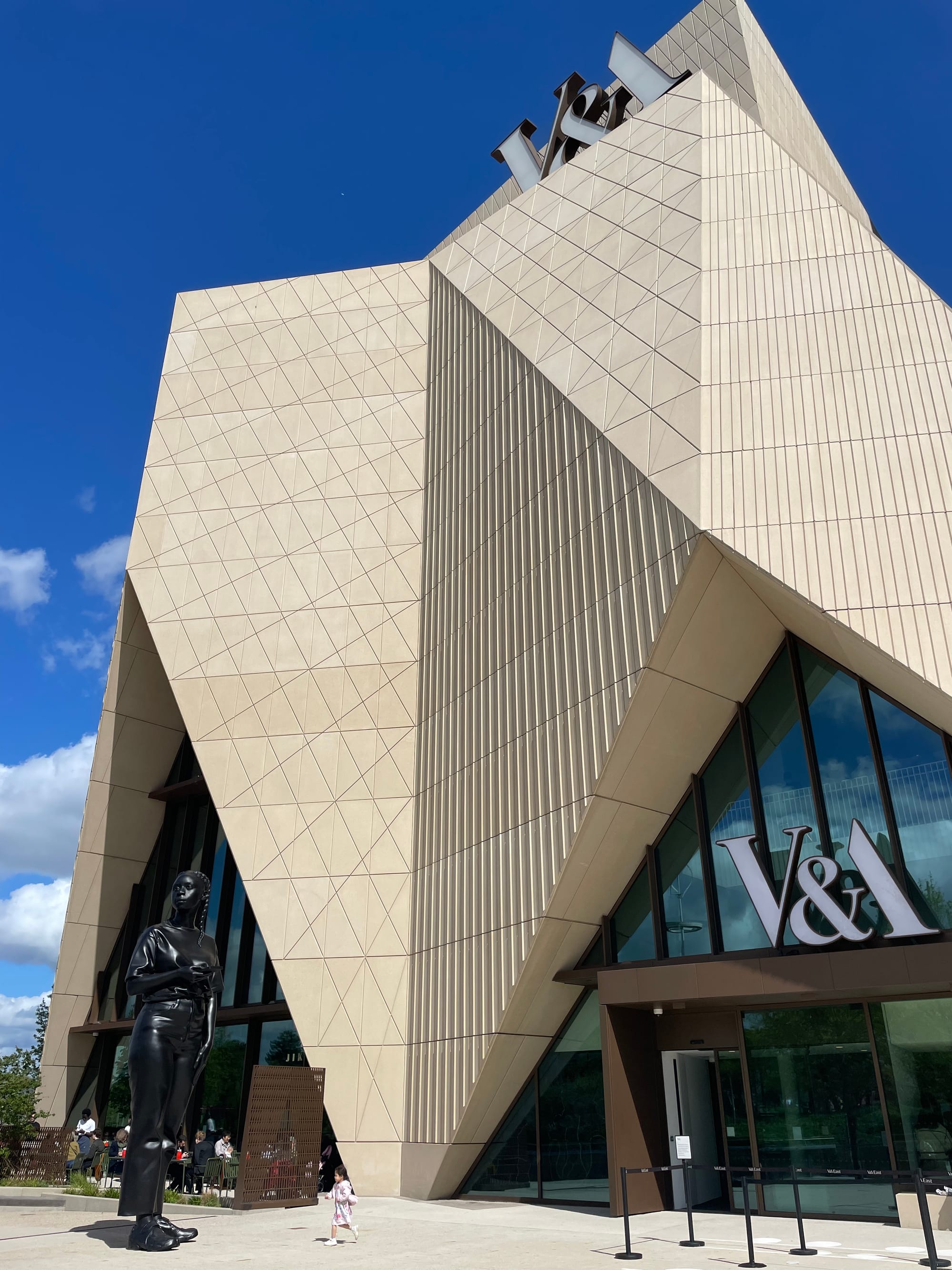
LONDON — The Victoria and Albert Museum (V&A) has opened the doors of its long-awaited outpost in East London. Located on the other side of the city from the institution’s South Kensington site, the new V&A East and its sister museum, the V&A East Storehouse, present the famous British collection of art and design in an exciting and disruptive new way.
The V&A has always seen itself as an institution of the people. Originating from the 1851 “Great Exhibition” — a vast display of international art and industry which was allegedly attended by a third of the British population — nowadays it is one of the United Kingdom’s most visited museums, particularly known for its blockbuster exhibitions on subjects like Marie Antoinette, Christian Dior, and David Bowie.
Over the last few years, the institution has been busily expanding. In addition to the original museum, it opened a new site in Dundee, Scotland, in 2018. A year later, it announced the creation of the V&A Wedgwood Collection in Stoke-on-Trent. In 2023, the Young V&A reopened at its London venue after a major redevelopment, and last year, the V&A East Storehouse was unveiled.
The V&A East, which is part of a £660 million (~$893 million) redevelopment project funded by London’s City Hall, has been over a decade in the making. It is located in Stratford, which was flooded with investment money when it became the setting for the London Olympics. Built up so quickly, the area feels more like a CGI rendering of a city than a real place.
Within this strange no-man’s-land, the V&A East is trying hard to build a sense of local community. The collection galleries were co-designed with the museum’s Youth Collective, a group of East Londoners aged between 16 and 25 who also worked with Cuban artist Tania Bruguera on her new stained-glass commission, “Towards A Civic Museum.” Writing in the Guardian, Director Gus Casely-Hayford described the process of surveying 30,000 young people in the lead-up to the museum’s opening and finding out what mattered most to them.
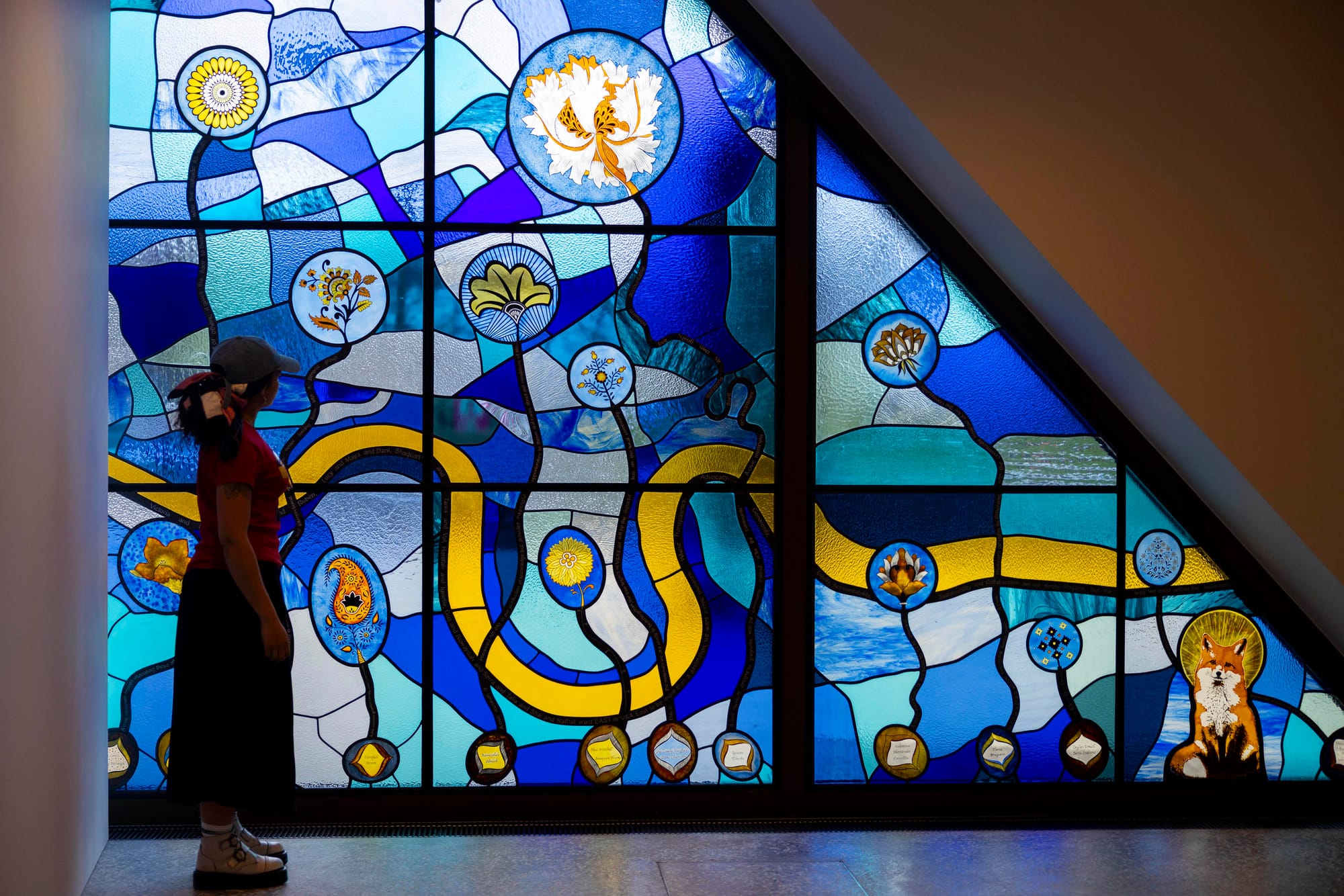
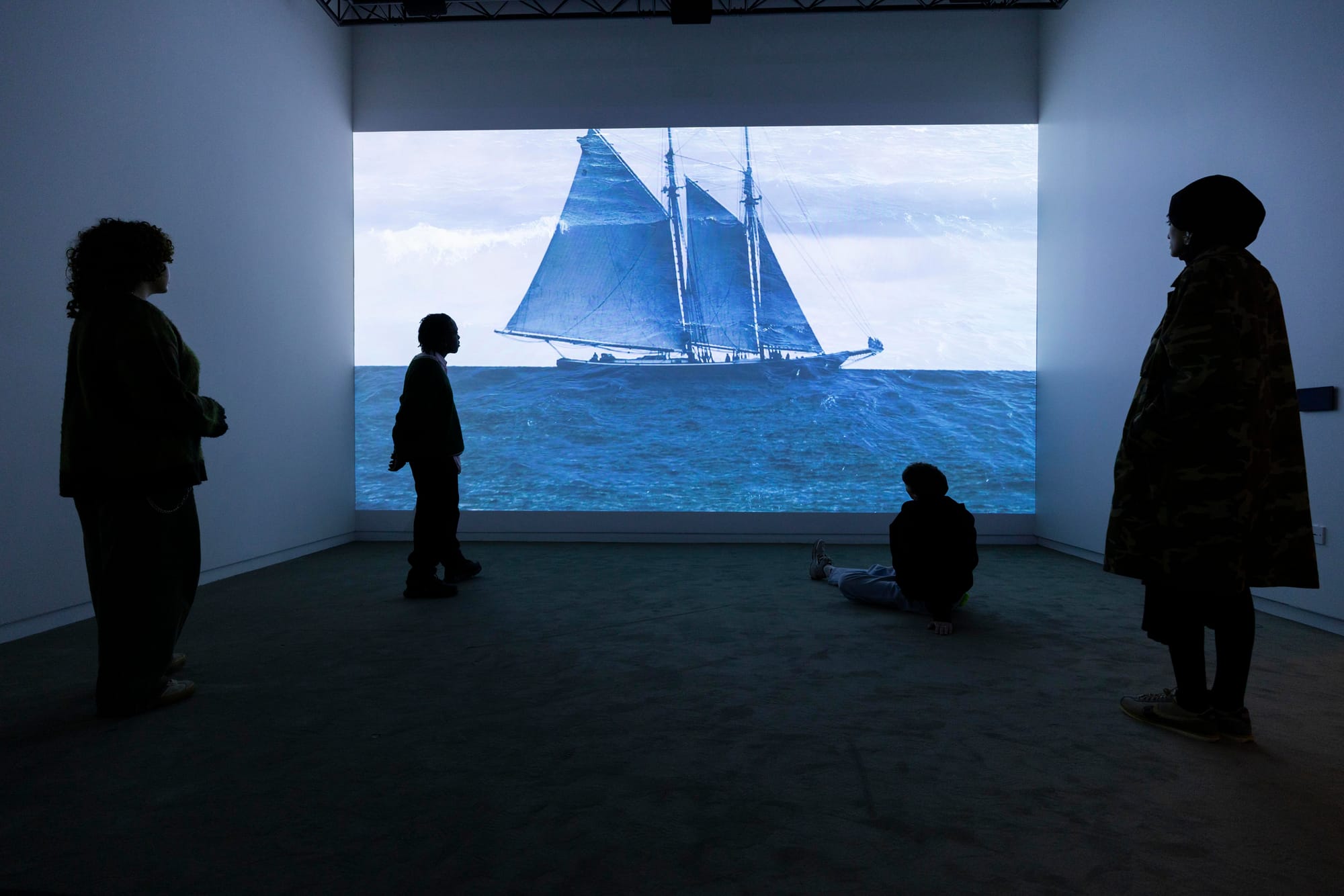
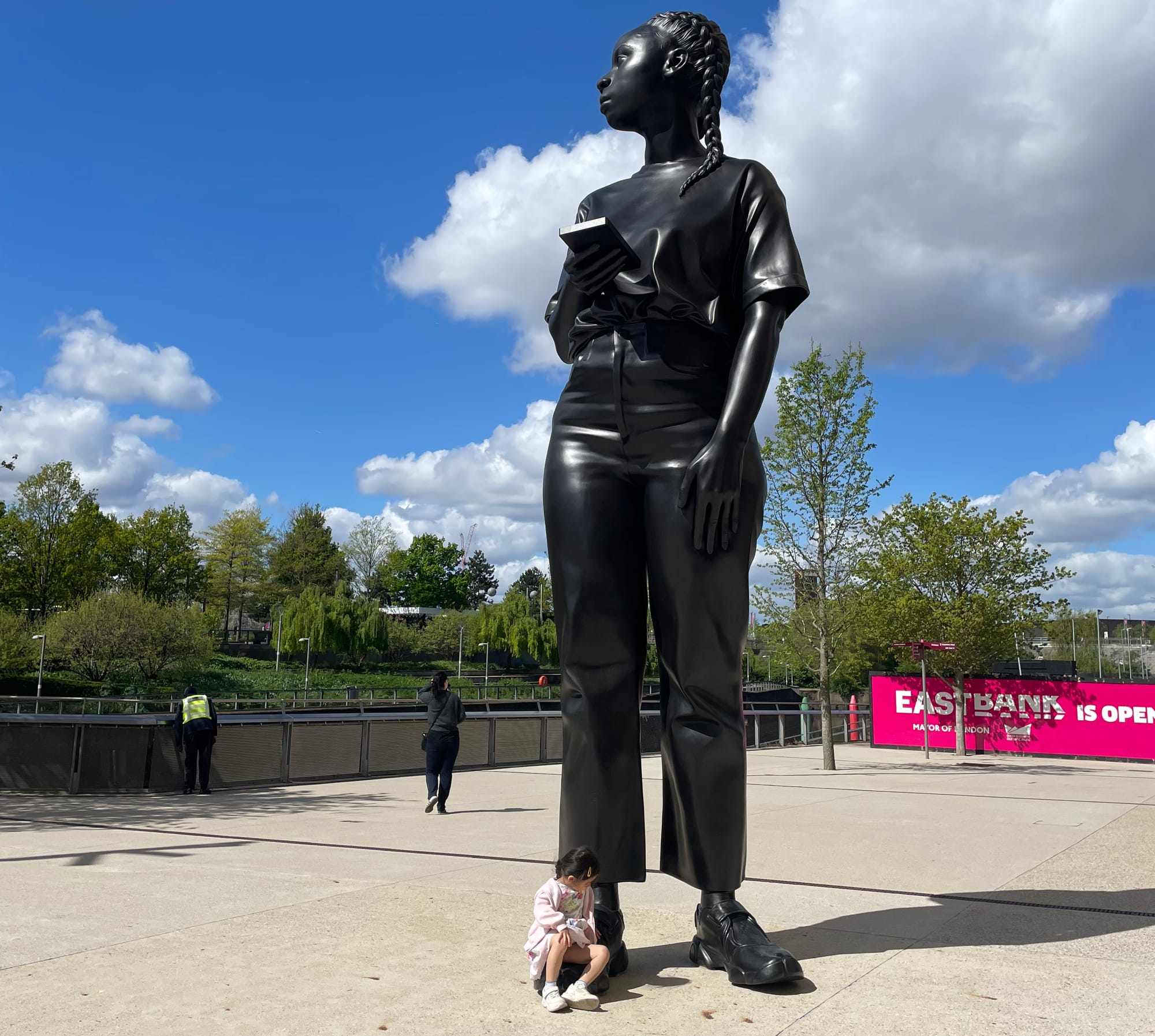
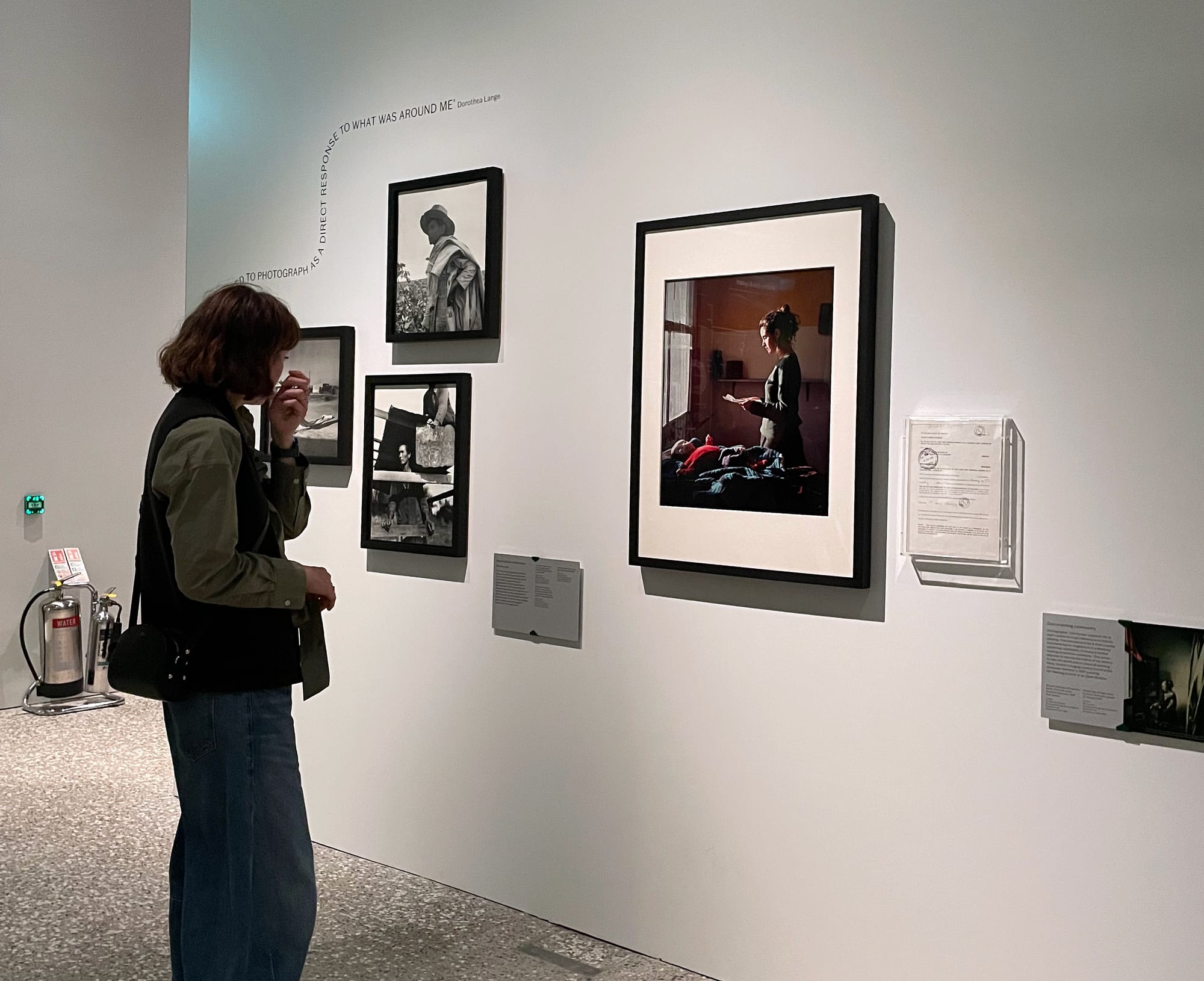
Their answers informed the selection of objects in the collection galleries. Spread over two of the museum’s five stories, the displays include 500 objects from the V&A’s collection, chosen for their emphasis on identity, social justice, and environmental action. The exhibits are arranged around loose themes including “Our Place in the World,” “Crafting Stories,” and “Reimagining Traditions”, which allows for compelling juxtapositions of seemingly disparate objects, such as a large-scale 2020 portrait by Kehinde Wiley paired with a miniature self-portrait by an “unrecorded painter” from circa 1530–1620. There is a special focus in the galleries on artists born or living in East London, including sculptor Thomas J Price, fashion designer Molly Goddard, and photographer Tom Hunter.
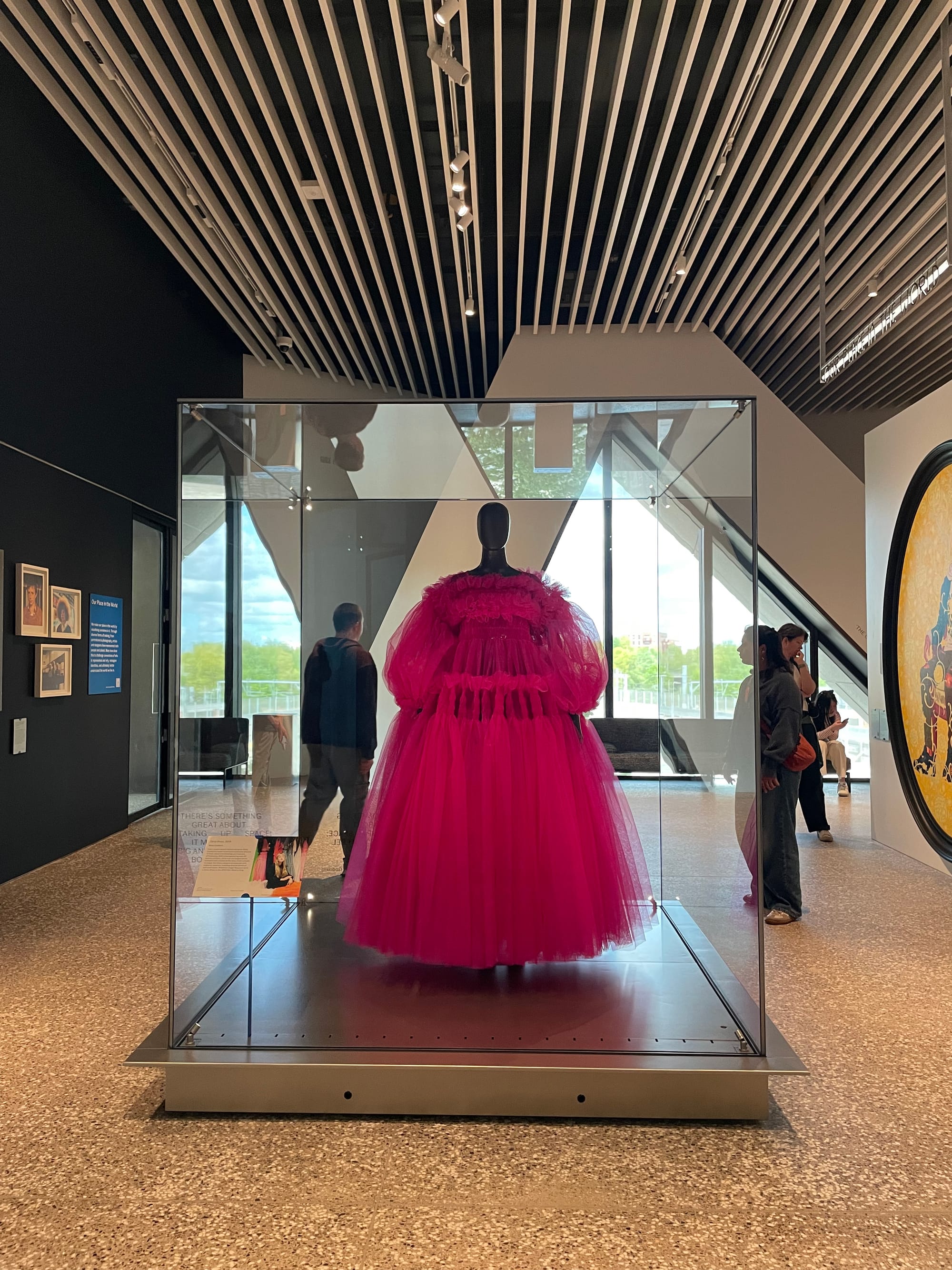
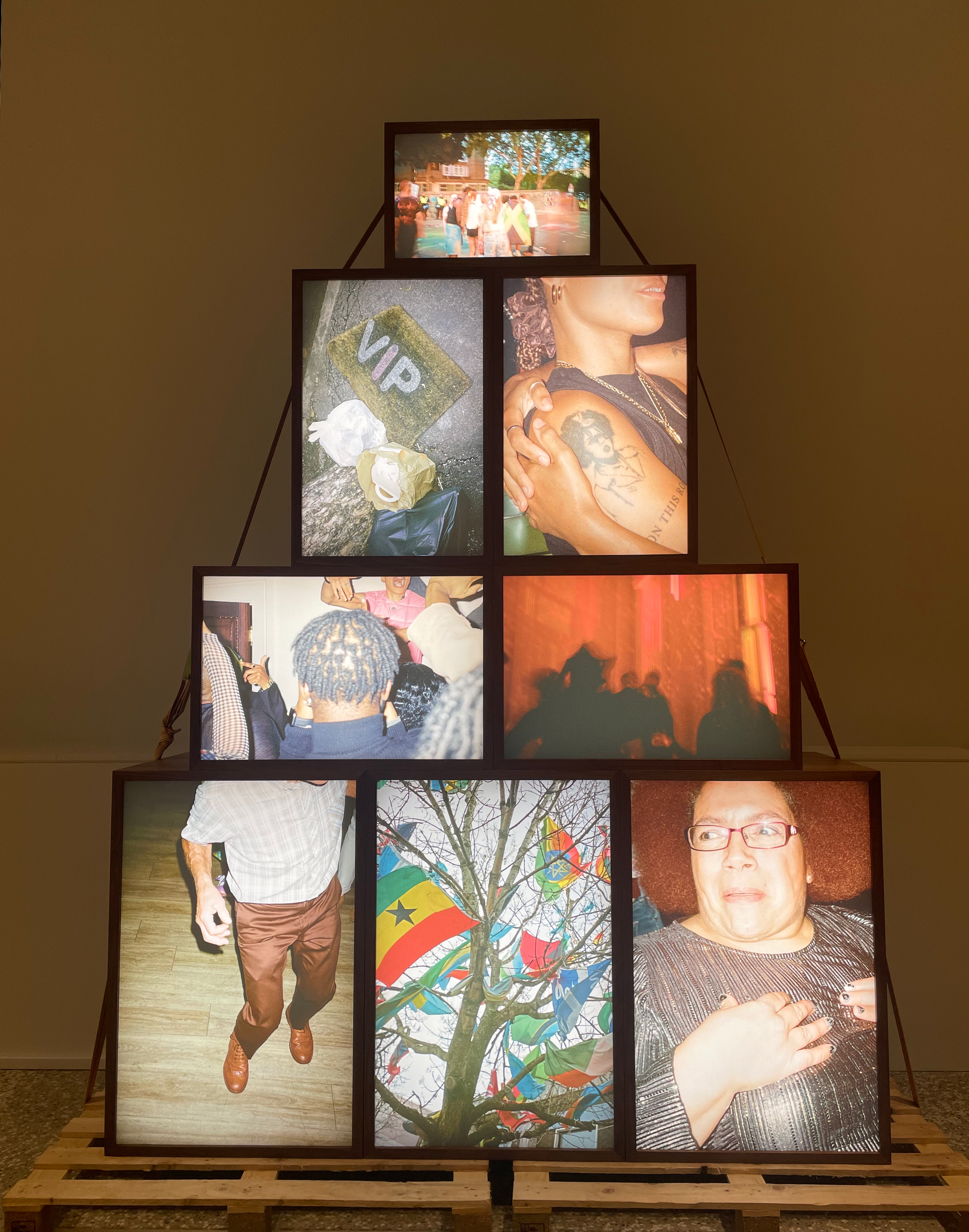
On the floor above the collection galleries is the temporary exhibition space, currently dedicated to the show The Music is Black: A British Story, and on the top floor is a small gallery space and rooftop terrace. “It doesn’t feel very big,” a visitor was heard saying to another on opening day. But the building’s modest scale may be one of its principal merits, suggesting a museum designed with the visitor’s experience in mind. A wall text outside the collection galleries reads: “Don’t feel you have to see everything today.” In contrast with the architecture of the behemoth South Kensington V&A, which feels intended to make visitors aware of their own smallness, the V&A East is built on a human scale.
There are other thoughtful details throughout the museum. I visited with my one-year-old baby and felt grateful for the helpful staff, spacious and efficient elevators, and clean, well-designed baby changing room — none of which are a given in London galleries. The museum also has children’s activities which are integrated into the displays. A table inviting the public to “embrace the DIY spirit and use the miniature parts to create your own furniture” was particularly popular with young visitors.
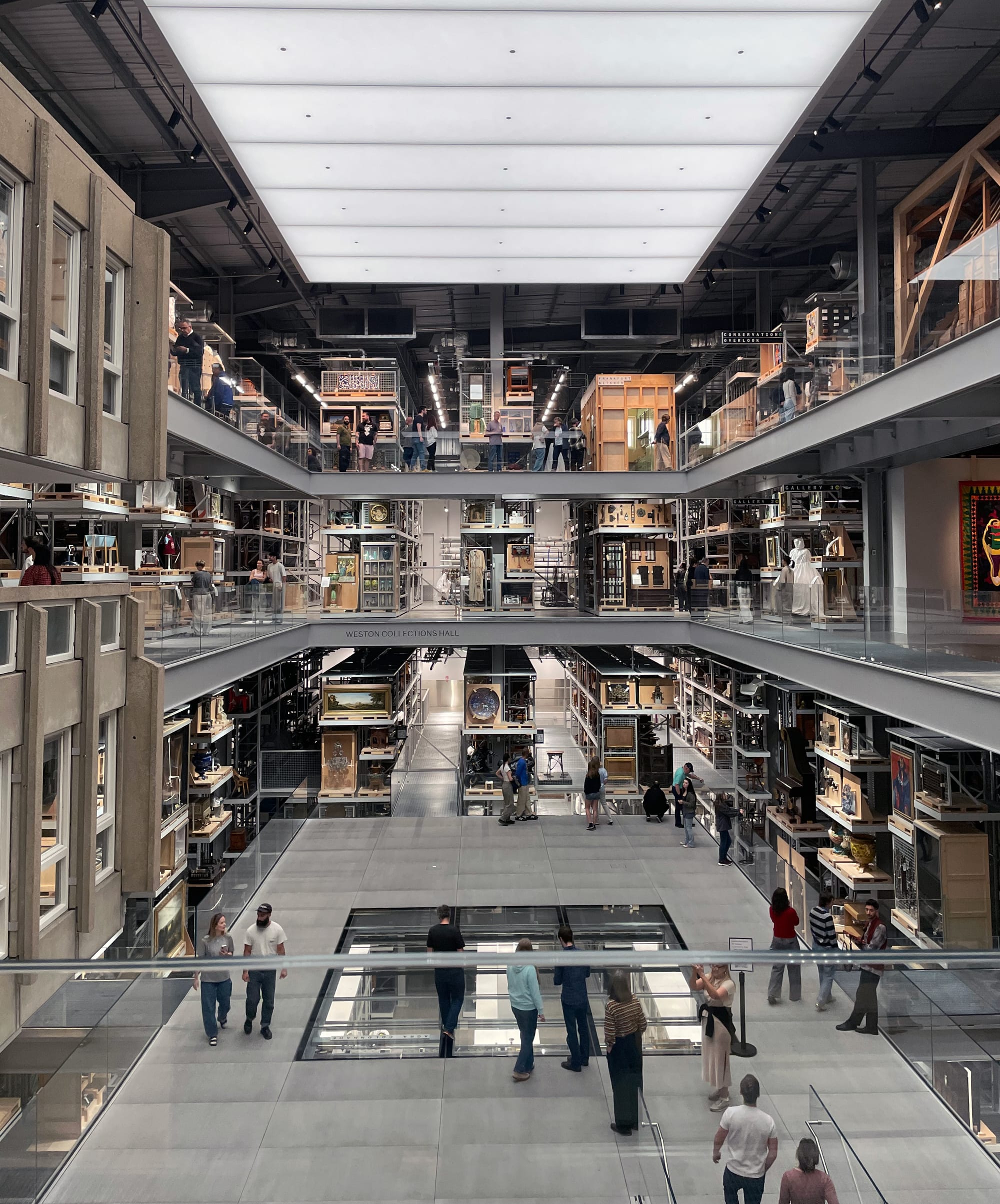
A 15-minute walk away is the V&A East Storehouse — an enormous IKEA-style storage facility which presents over half a million objects from the museum’s holdings on open stacks. It’s an ingenious way of turning a museum inside out and giving visitors direct access to its collections. While the original V&A can never quite shake off its traditional past, the V&A East and Storehouse are museums of a different, arguably more democratic kind.
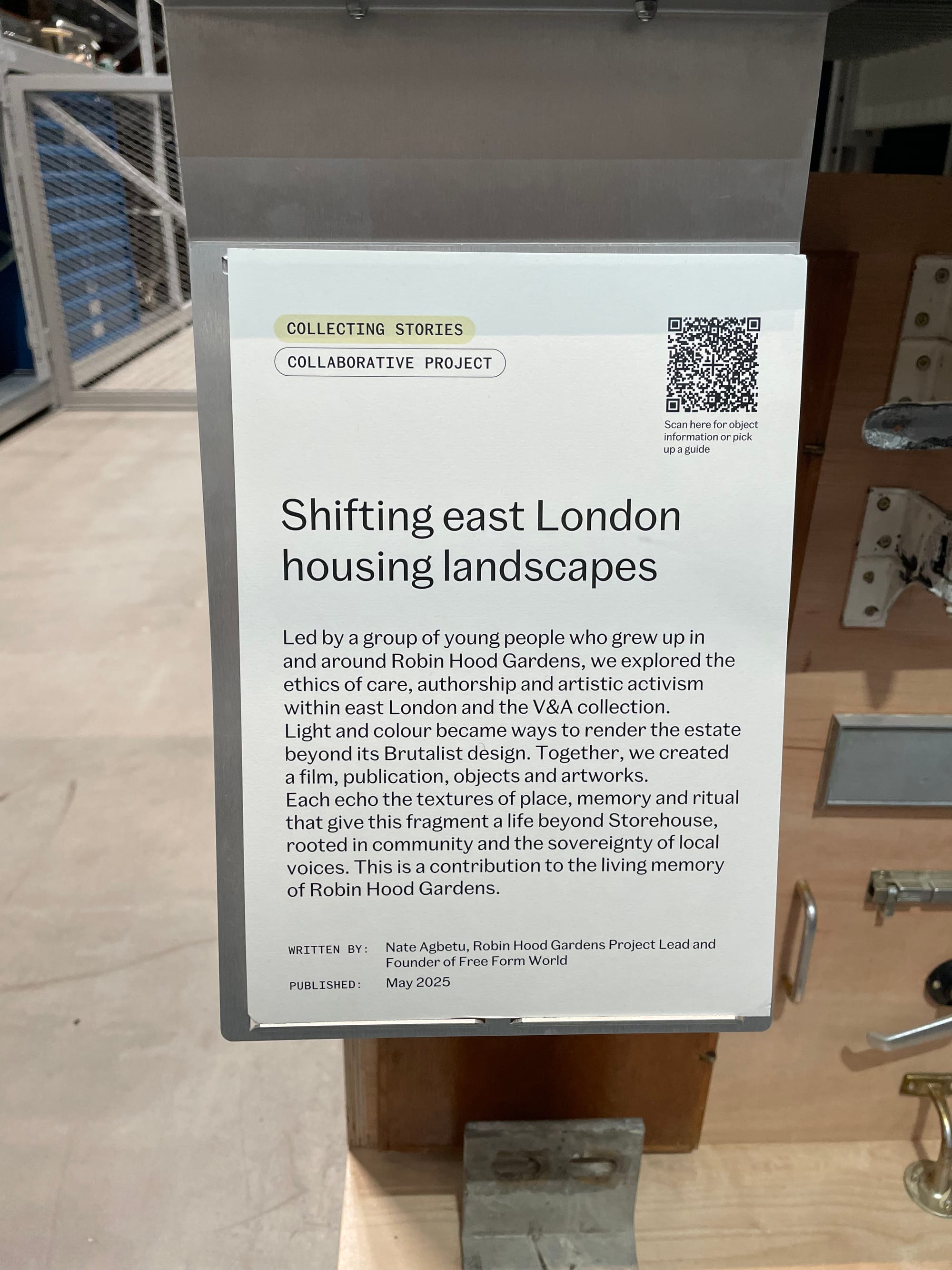
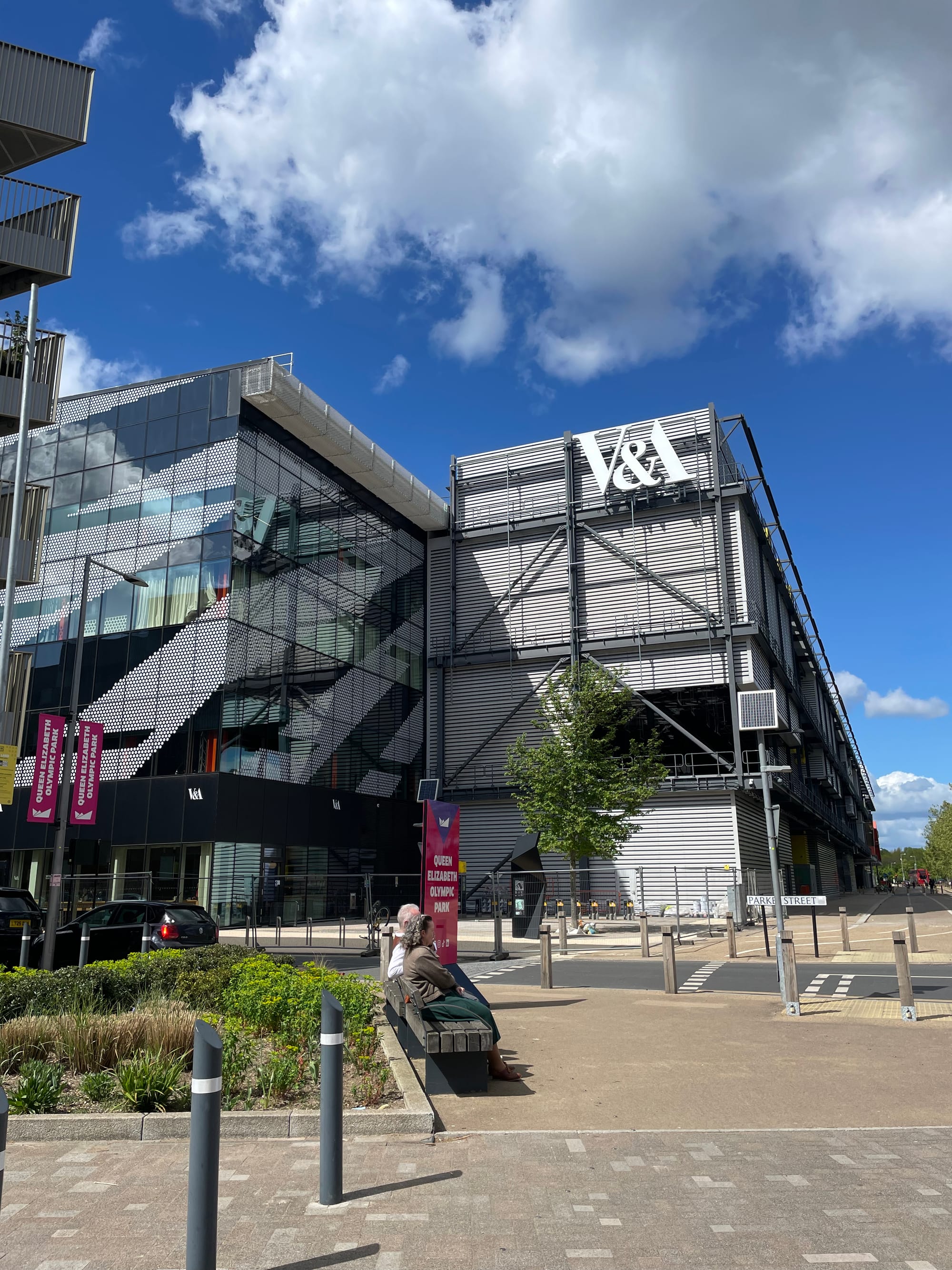
A label explaining housing in East London (left) and an exterior view of the V&A’s new building (right)
The focus on promoting the creative spirit of East London is bittersweet, however. Historically one of the most impoverished parts of the British capital but also the most ethnically diverse and artistically creative, East London is being rapidly transformed by gentrification. One of the exhibits at the V&A East Storehouse is dedicated to a section of the East London Brutalist social housing estate Robin Hood Gardens, designed by the avant-garde architects Alison and Peter Smithson. The label describes how after partial demolition in 2017, the V&A “collected a section of the west block to preserve this vision of architecture that centers community.”
All museums preserve remnants of culture for future generations. But it is significant that in the V&A East Storehouse these include physical remnants of an East London that has changed beyond recognition in a single generation. However, these two impressive and compelling museums give some hope that creativity and community will hold out against the forces of cultural erosion.