Frederic Edwin Church’s Sublime
Benjamin Moser on a new biography of the Hudson River painter, allegations against Cape Town’s SMAC Gallery, and more.

Between April 29 and May 23, 1859, long before terms like “exclusive pop-up” or “immersive exhibition” had entered our lexicon, over 12,000 people lined up outside New York City’s Tenth Street Studio Building to see a single painting: Frederic Edwin Church’s “Heart of the Andes.” What made Church’s pictures, and the Hudson River painter himself, so enthralling to 19th-century viewers? Benjamin Moser reviews a new biography of the artist that situates his legacy in the story of a country desperately trying to cement an identity.
In a perfect segue, Poppy DeltaDawn delves into another bastion of our national narrative: the Longaberger Company, whose baskets were once ubiquitous across US households. But this since-fallen empire’s stronghold relied on flattening the history of weaving and craft, replacing it instead with a “mythologized material culture of settlement,” she writes — a classic tale of commodification that’s as American as Wonder Bread.
I’ll leave you with a few words of DeltaDawn’s wisdom: “Good craft is antithetical to capitalism. Good craft cannot survive in a system that alienates labor.”
—Valentina Di Liscia, senior editor
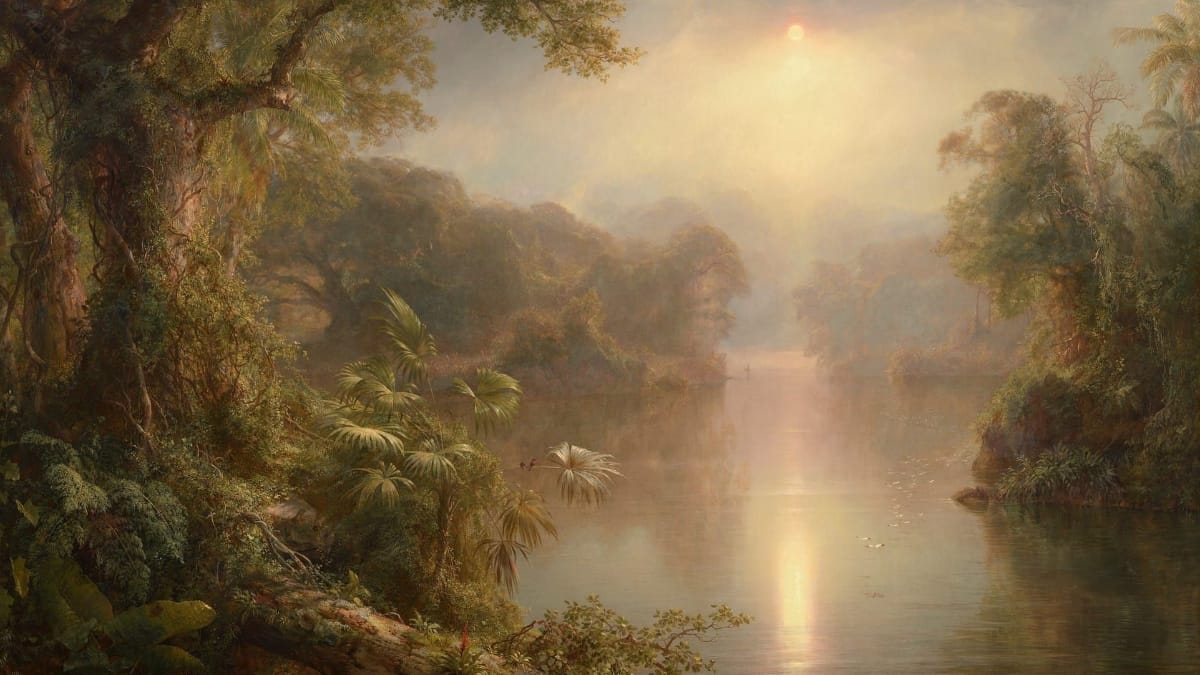
The Many Lives of Frederic Edwin Church
Great writers, Susan Sontag once said, are either husbands or lovers: either “reliability, intelligibility, generosity, decency,” she yawns, or lovers — ah, lovers!
Then there are artists like Frederic Edwin Church, the 19th-century American painter whose solid, husbandly virtues have none of the tedium Sontag implies — an artist who paid the bills and picked up the kids but never lost the thrill of the sexy swashbuckler. In fact, his wife Isabel might often have wished for a bit less loverliness: for fewer scrambles up the sides of angry Andean volcanoes, for fewer leaky boats teetering on the edge of Arctic icebergs, for fewer near-escapes from armed Bedouin tribes. Church is so splendidly interesting that it is astonishing that he has never, until now, been the subject of a proper biography. Victoria Johnson’s Glorious Country (2026) was worth the wait: a nuanced homage to an inspired and inspiring man. | Benjamin Moser
Read More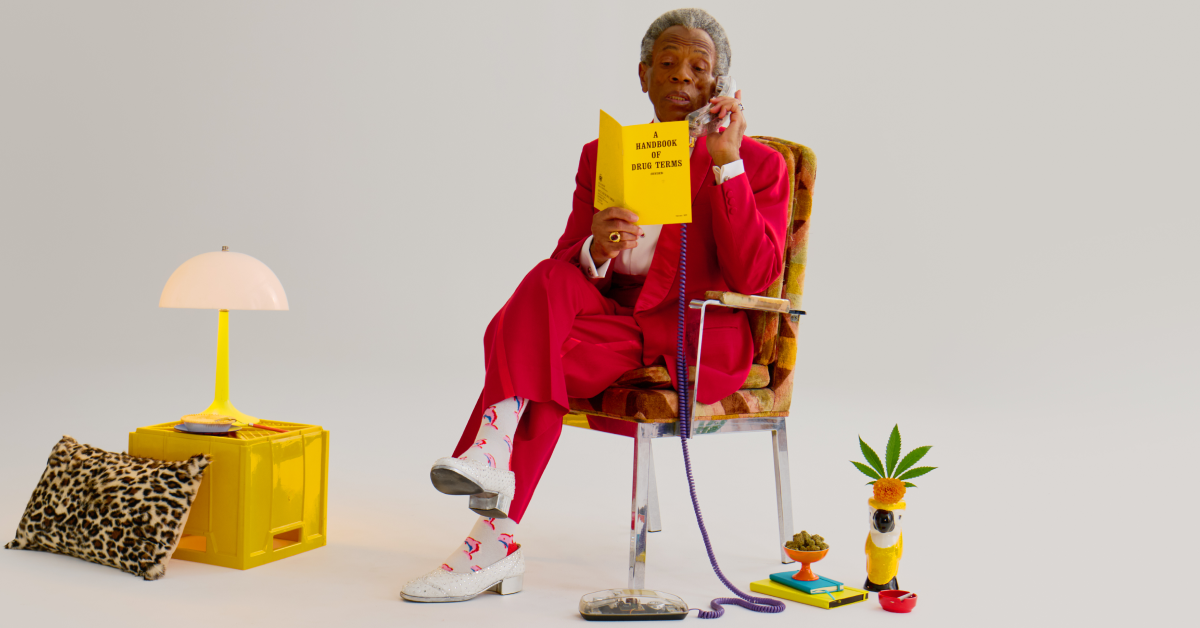
Nick Cave, Bob Faust, André De Shields, & Leo Herrera in the new Different Leaf
The cannabis & culture magazine’s first Art Issue is now available at NYC’s legendary magazine shop, Casa Magazines. Guest Edited by artists Nick Cave and Bob Faust, this collectible issue of Different Leaf features a new short story by Jonathan Lethem, a moving tribute to queer nightlife edited by Matthew Placek, and much more.
Opinions
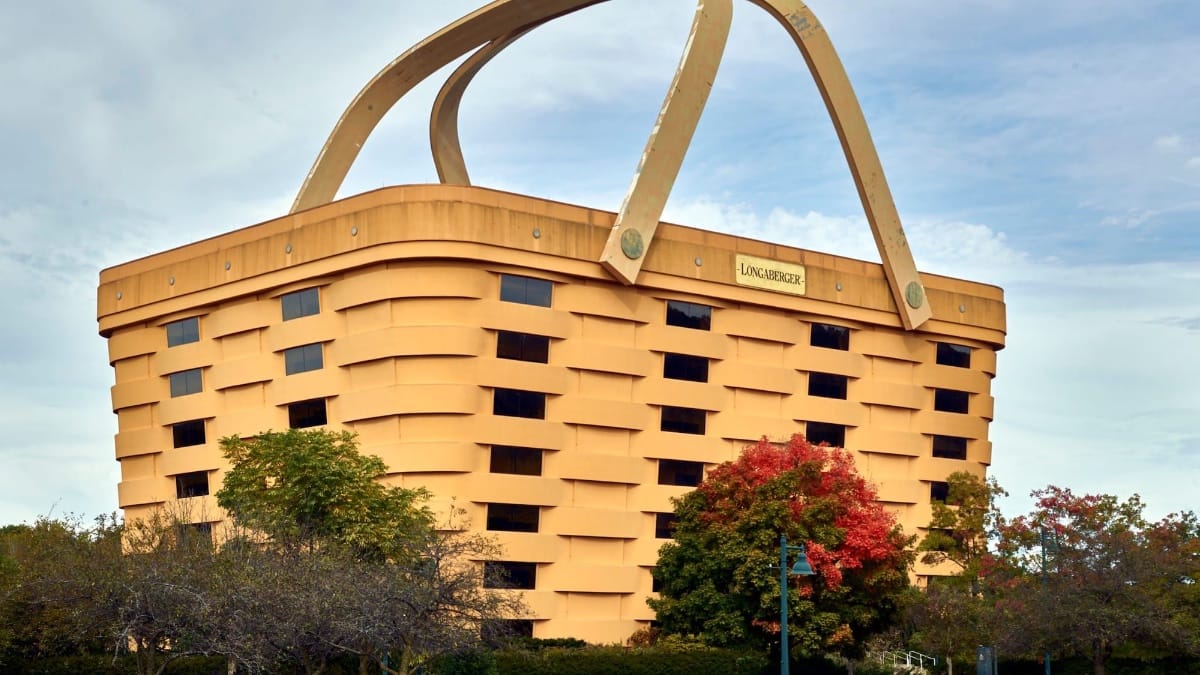
How a Basket Empire Wove the Myth of America
As Longaberger’s iconic headquarters sit empty, the baskets survive as artifacts of a national identity that commodified craft and packaged settler colonialism as heritage. | Poppy DeltaDawn
Read MoreNews
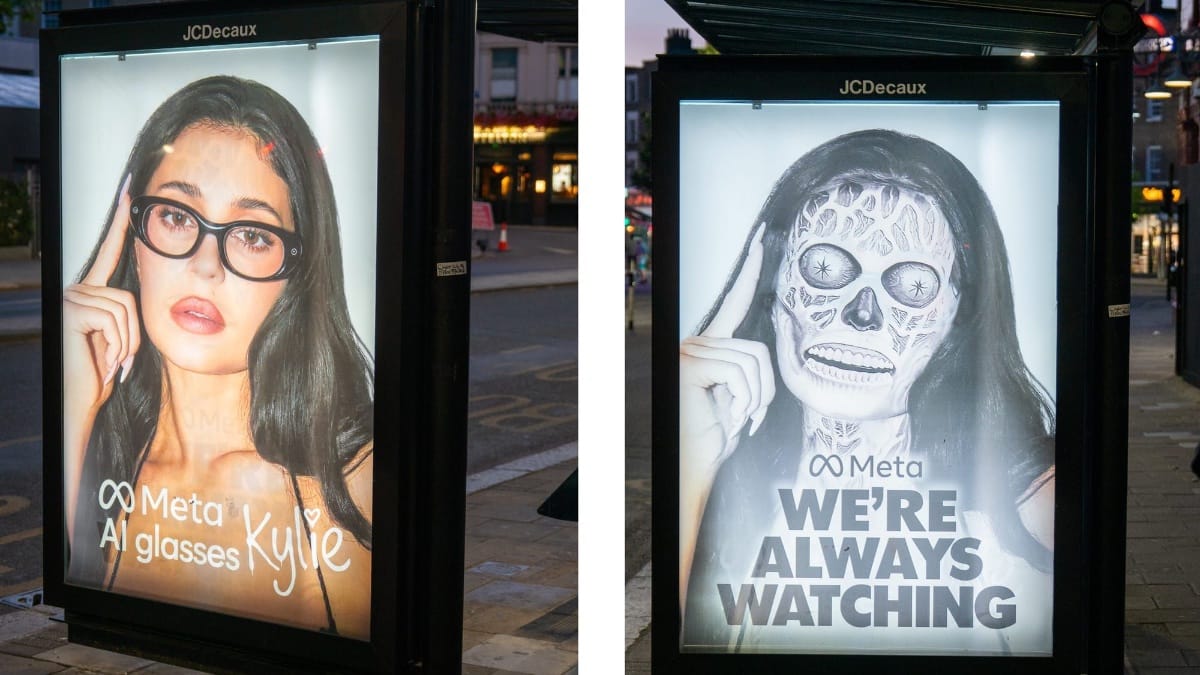
- The activism group Everyone Hates Elon mocked Kylie Jenner’s Meta glasses campaign with bus ads following a wave of public backlash over unresolved concerns about privacy, consent, and personal safety as surveillance technology rapidly evolves.
- A prominent international gallery in Cape Town is facing allegations of withholding artworks from and delaying payments to artists.
Community
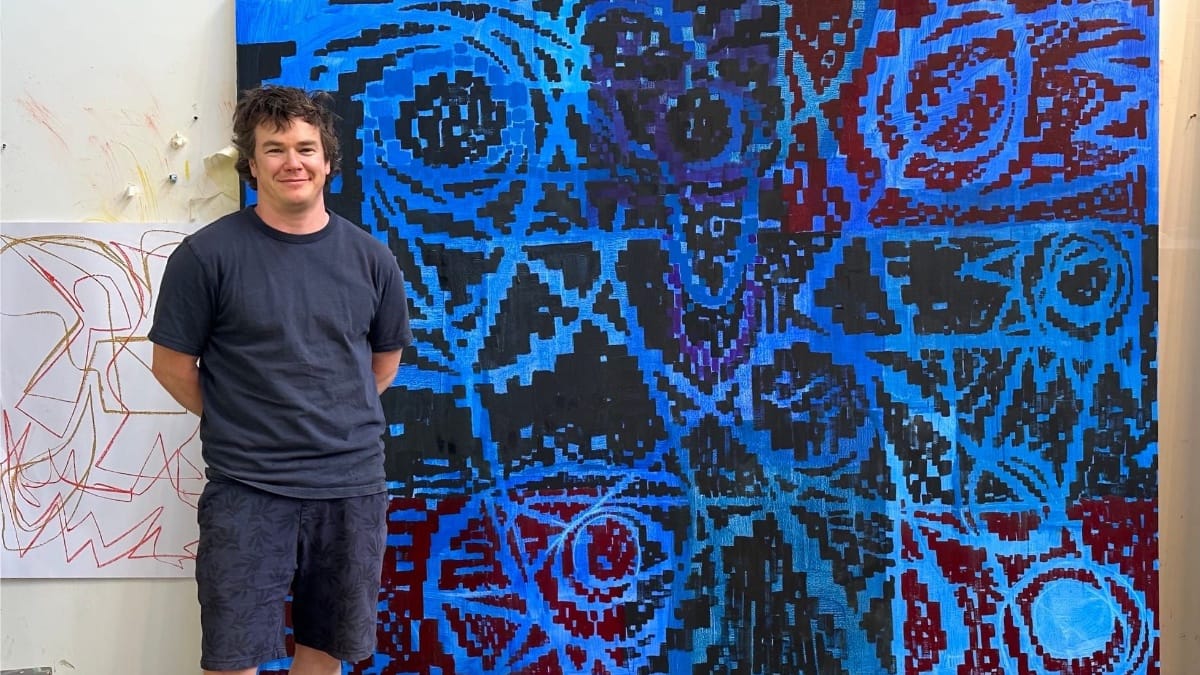
Beer With a Painter: Keltie Ferris
“I am playing with the building blocks of painting,” the artist told me at his studio in Woodstock, where he experiments with gestural compositions and monumental body prints.
Read MoreRemembering Bruno Lucchesi, Pat Oliphant, and Edward Lucie-Smith
This week, we honor a figurative sculptor, a political cartoonist who revolutionized the form, and a prolific poet and writer.
Read MoreFrom the Archive
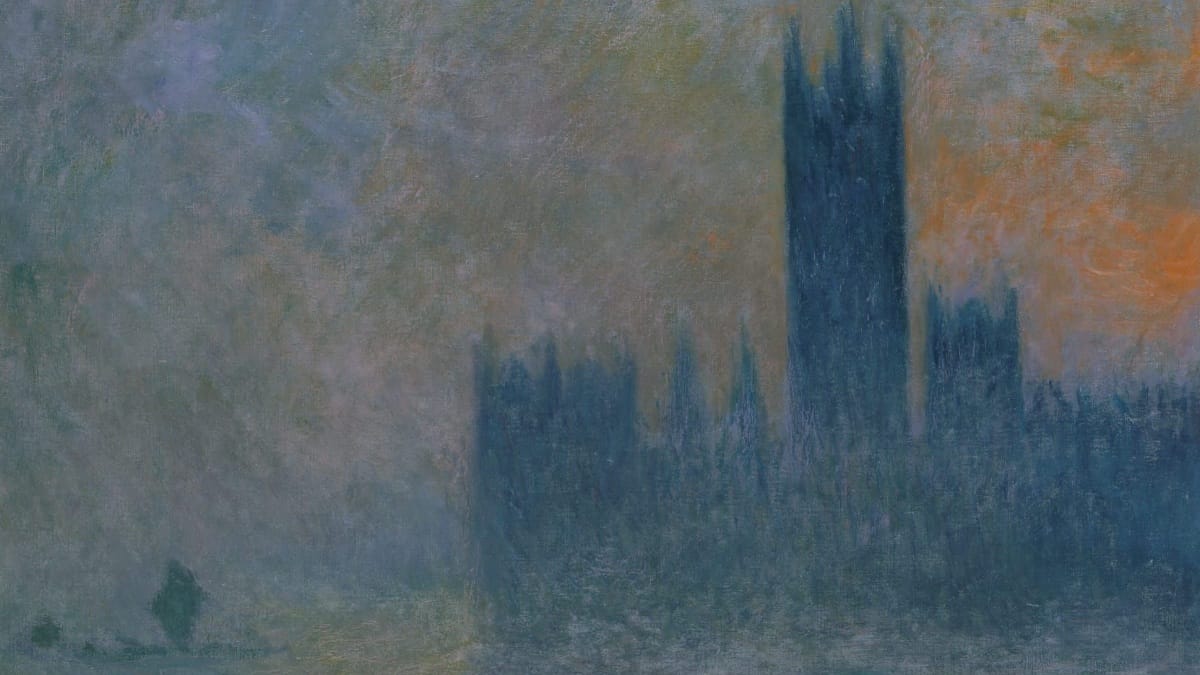
Did Air Pollution Inspire Impressionism?
A study posits that rising smog levels in 19th-century London and Paris likely played a role in blurring the lines of realism. | Elaine Velie
Read More