Luis Manuel Otero Alcántara Is Free
The Cuban dissident artist is exiled to the US and a Homerist reviews Christopher Nolan’s “The Odyssey.”

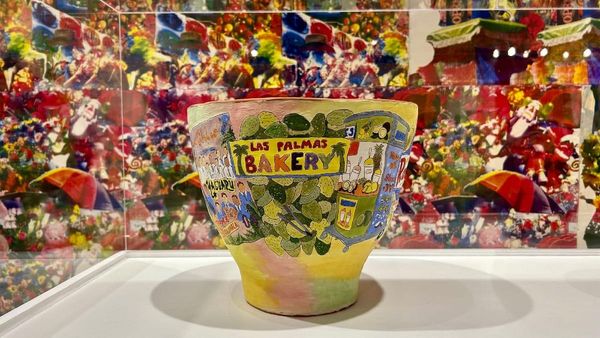
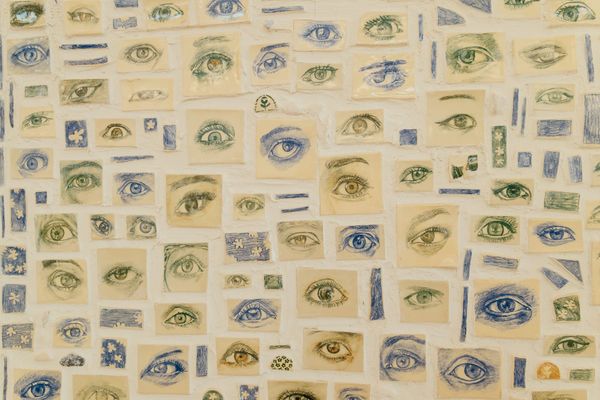
After five years in a maximum-security prison outside Havana, Cuban artist Luis Manuel Otero Alcántara is finally free. His whereabouts were unknown for more than a week after his sentence officially ended on July 7 until he emerged in Miami on Saturday. Staff Reporter Rhea Nayyar has the details.
In other stories, the Trump administration presents a rosy picture of George Washington's role as an enslaver in a new display in Philadelphia, and the New Museum's recently reopened building leaks amid flash floods.
Also today: John Yau is impressed by artist Kyung-Me's sunflower paintings, and what does a Homerist think of Christopher Nolan’s The Odyssey?
—Hakim Bishara, editor-in-chief
A Homerist Reacts to Christopher Nolan’s “The Odyssey”
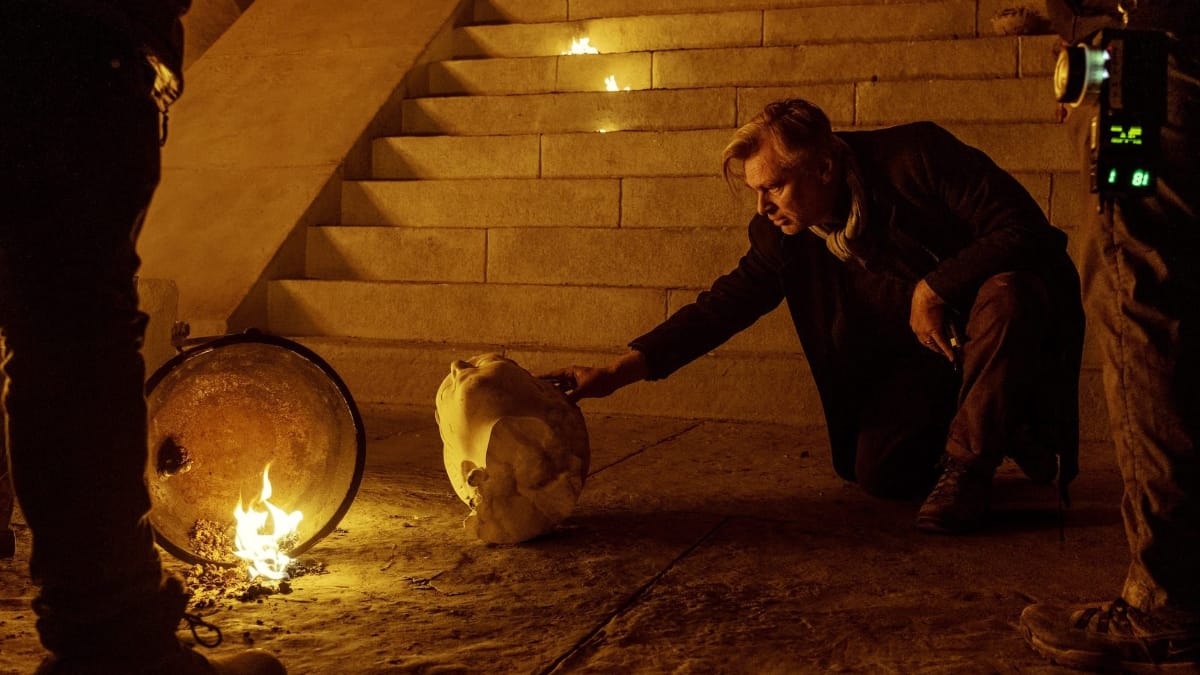
This is not Homer’s Odyssey. Let’s get that out of the way. As a Homerist, I had to remind myself of this throughout a film that reduces a narrative of 12,000 lines to just under three hours of airtime. The cuts are significant for someone who knows Homer well: The entire Phaeacian episode is gone; Matt Damon’s Odysseus never meets his father. Where the Homeric epic splits and gives its hero 12 books on Ithaca, the movie is about two-thirds journey and flashback with under an hour once Odysseus returns home.
The middle of Christopher Nolan’s The Odyssey (2026) delivers visceral discomfort. When the witch Circe (Samantha Morton) serves her transformative feast to Odysseus’s companions on the island of Aeaea, the camera tracks their voracious hunger, following their shift from greedily slurping, increasingly frantic men into squealing pigs. Circe physically wrests them out of one shape into another, later commenting that their appetites made them what they truly are.
Read More
Mitchell Johnson: New Paintings from California, New England and Europe
Work by the Bay Area artist is on view in Menlo Park, California, through August 29.
News

- Cuban dissident performance artist Luis Manuel Otero Alcántara arrived in Miami on Saturday, July 18, after over a week of ambiguity surrounding his whereabouts following his scheduled release from a five-year sentence for “contempt, defamation, and public disorder.”
- Just weeks before a historic collection of 20th-century Mexican art is slated to leave the country for an exhibition in Europe, a group of advocates is suing Mexico’s principal cultural entity over allegations regarding the legal basis for exporting the nation’s artistic heritage.
- Following a legal battle between the city of Philadelphia and the Trump administration, federal officials replaced exhibits describing the history of slavery in the United States at a Pennsylvania historical park.
- Just a few months after the reopening of the New Museum’s expanded building, a water leak shut down the Manhattan institution for a full weekend.
From Our Critics
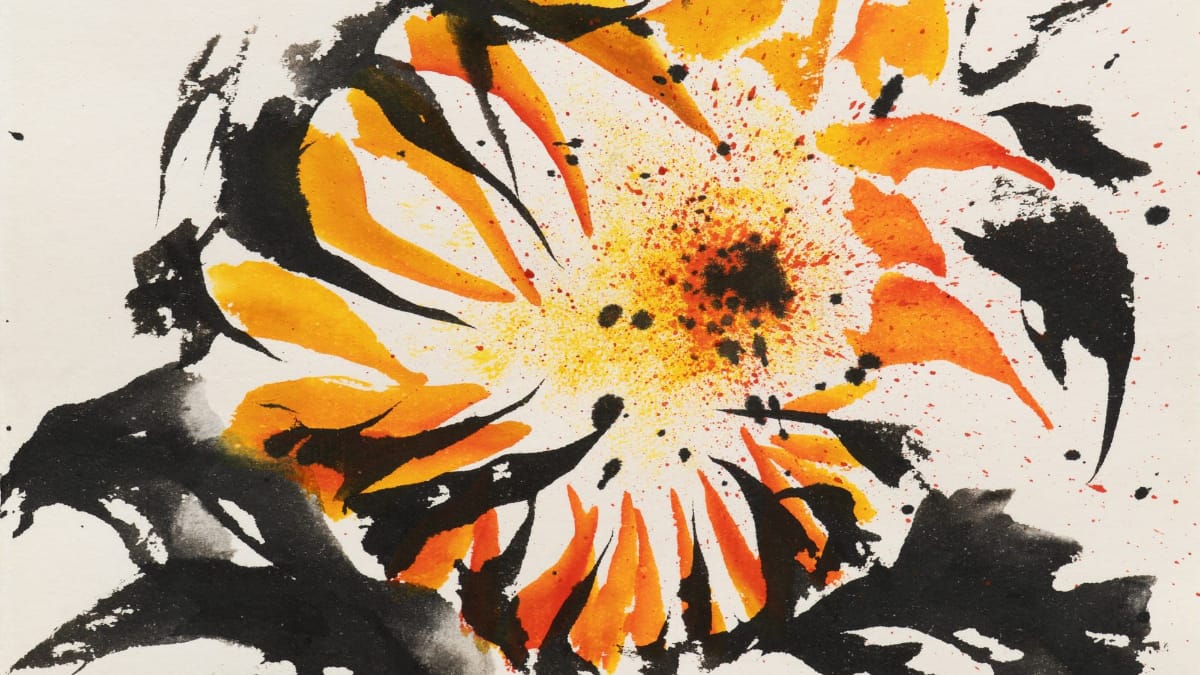
The Sunflower Effect of Kyung-Me
The artist’s current series marks a shift in her practice, evoking the life span of a sunflower — from blooming to dying, from sharply defined forms to rivulets of dissolution. | John Yau
Read MoreFrom the Archive
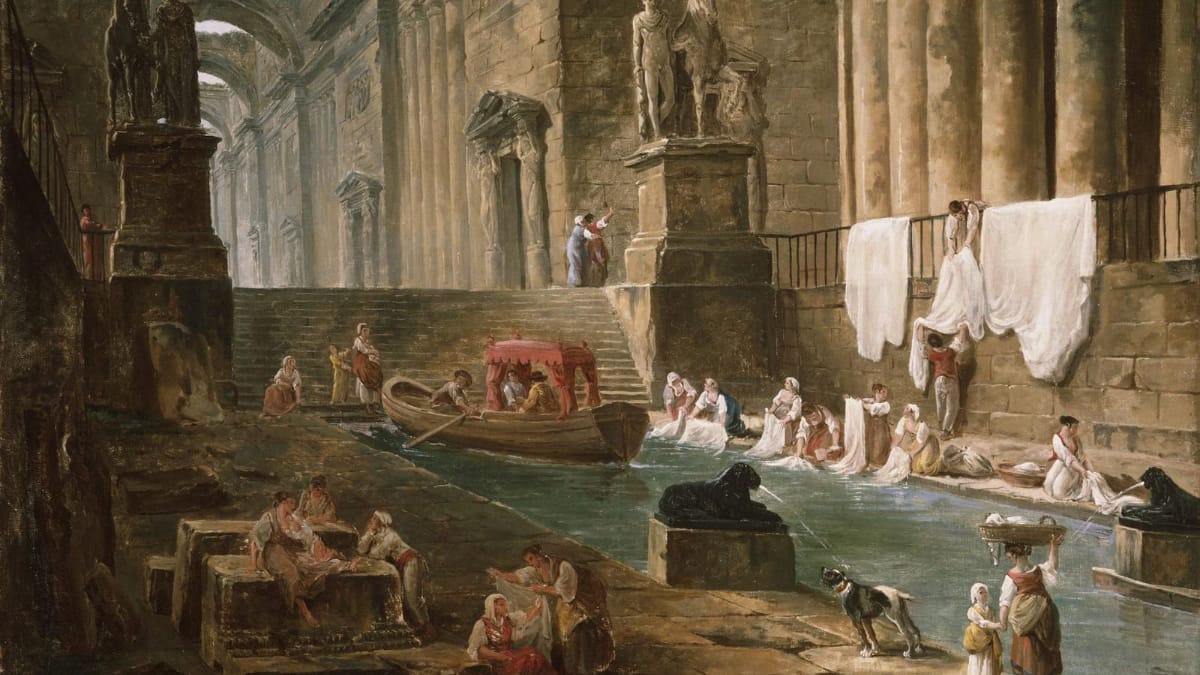
Why Did Roman Baths Disappear?
New research contests the myth that it was Christianity’s opposition to public nudity that led to the decline in large-scale bathing in the late Roman Empire. | Sarah Bond
Read More