The Whitney Biennial Is for the Faint-Hearted
I got the sense that this biennial is hiding from the world today instead of reflecting on it.

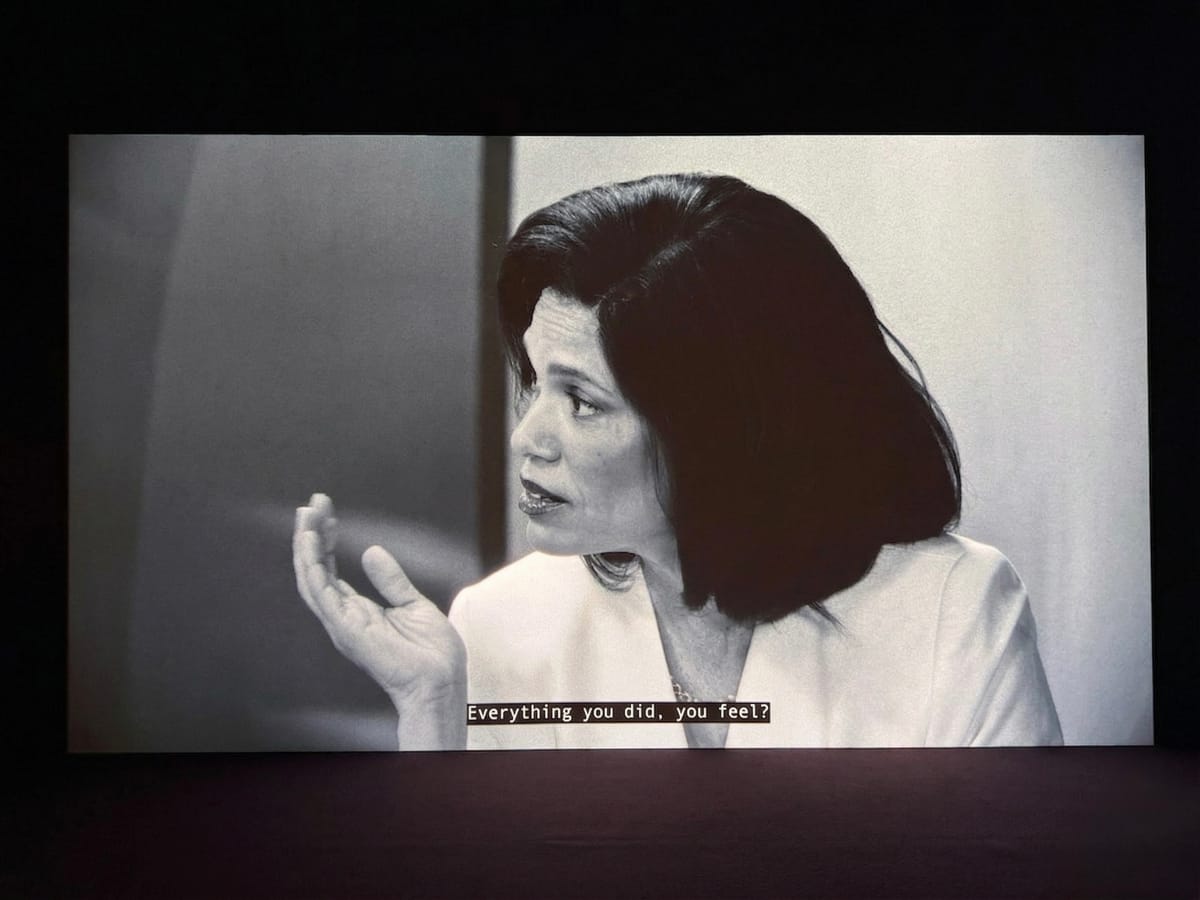
Say you just landed from Mars and walked straight into the 2026 Whitney Biennial. Would you be able to tell from the show that the country is teetering on the precipice of fascism? That two American citizens have been shot dead in broad daylight by masked federal agents? That hard-working immigrants are being rounded up in Home Depot and Walmart stores and sent to concentration camps? That the current government unabashedly kidnaps and assassinates foreign leaders and lays claim to their countries’ oil?
How about the fact that artists have been silenced and denied opportunities for their political views, including at the Whitney itself, where a program was put on hold and its leader sacked over a cohort’s sympathy for Palestinians?
Would any of that come to mind at the storied exhibition this year? Not so much.
And yet, you’re likely to walk out of the show feeling that something’s rotten in the United States. Fear and inhibition are humming like drones beneath the surface. Otherwise, why so somber and moody? Why so meek and joyless?
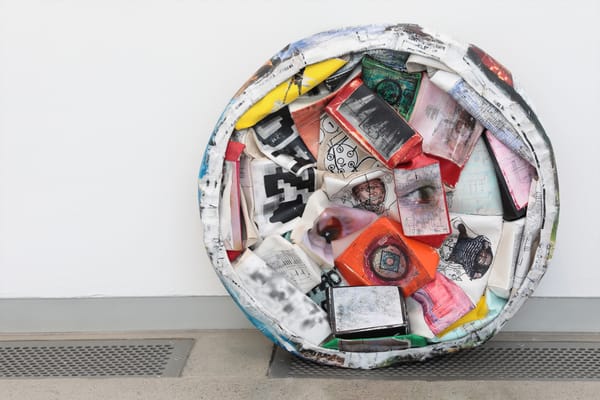
Barring a few exceptions — Ali Eyal’s Ferris wheel of horrors from his war-torn childhood in Baghdad; Kainoa Gruspe’s doorstops, made from found material in US military bases and golf courses in Hawaii — I got the sense that the Whitney Biennial is hiding from the world today instead of reflecting on it.
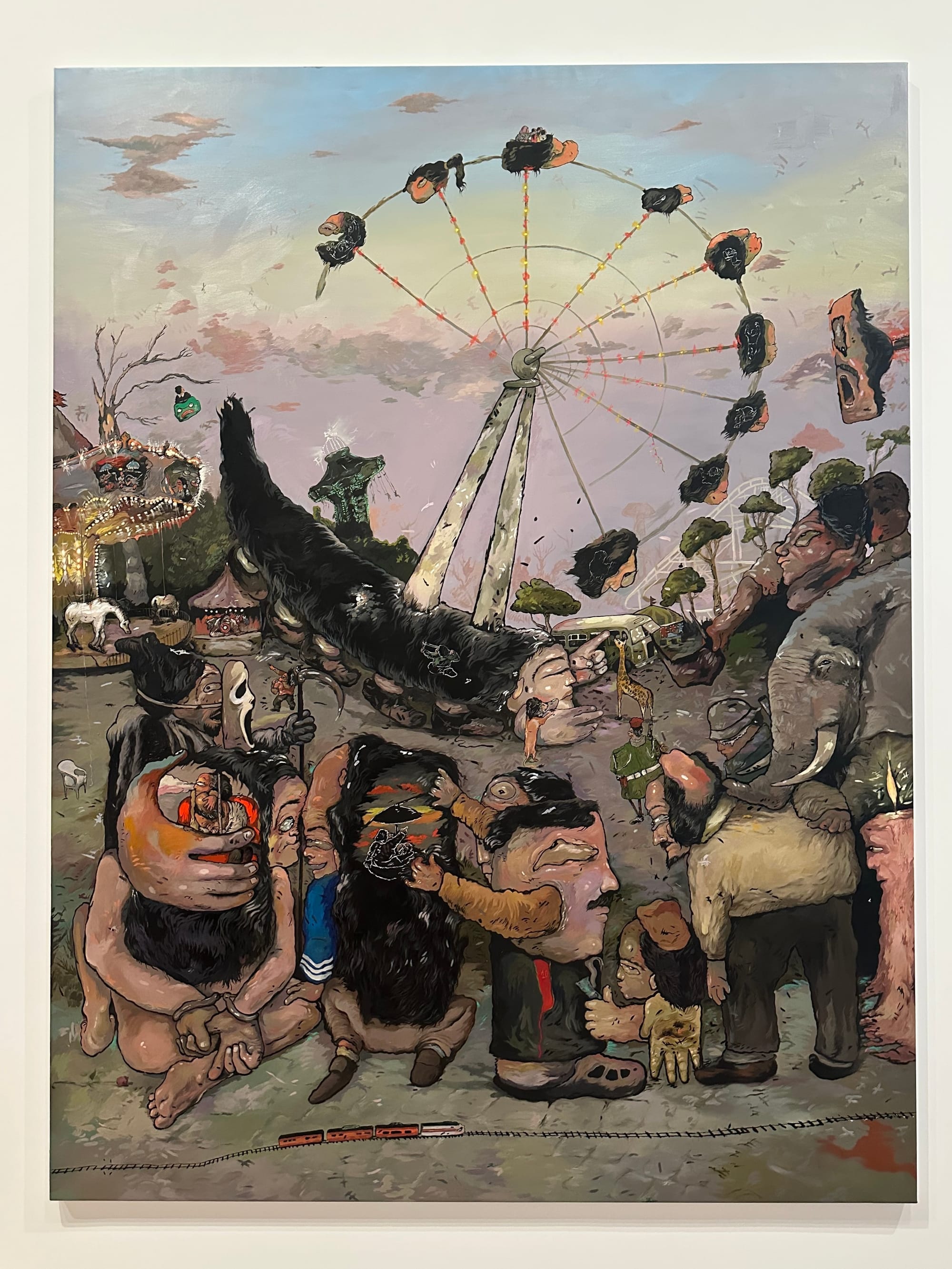
This biennial is neither bad, nor “safe,” nor “weird." It’s not even apolitical — it couldn't be, even if it tried. It’s just frightened.
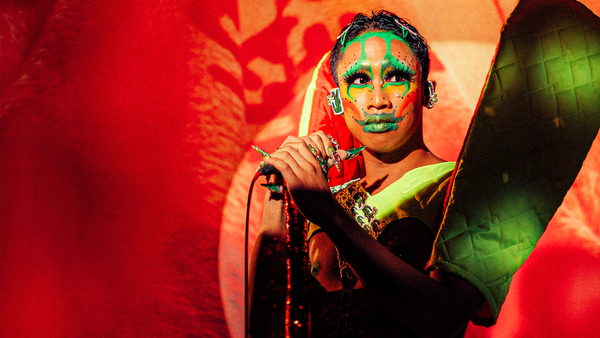
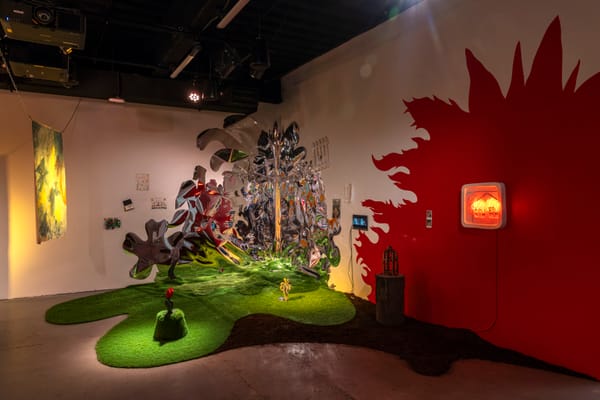
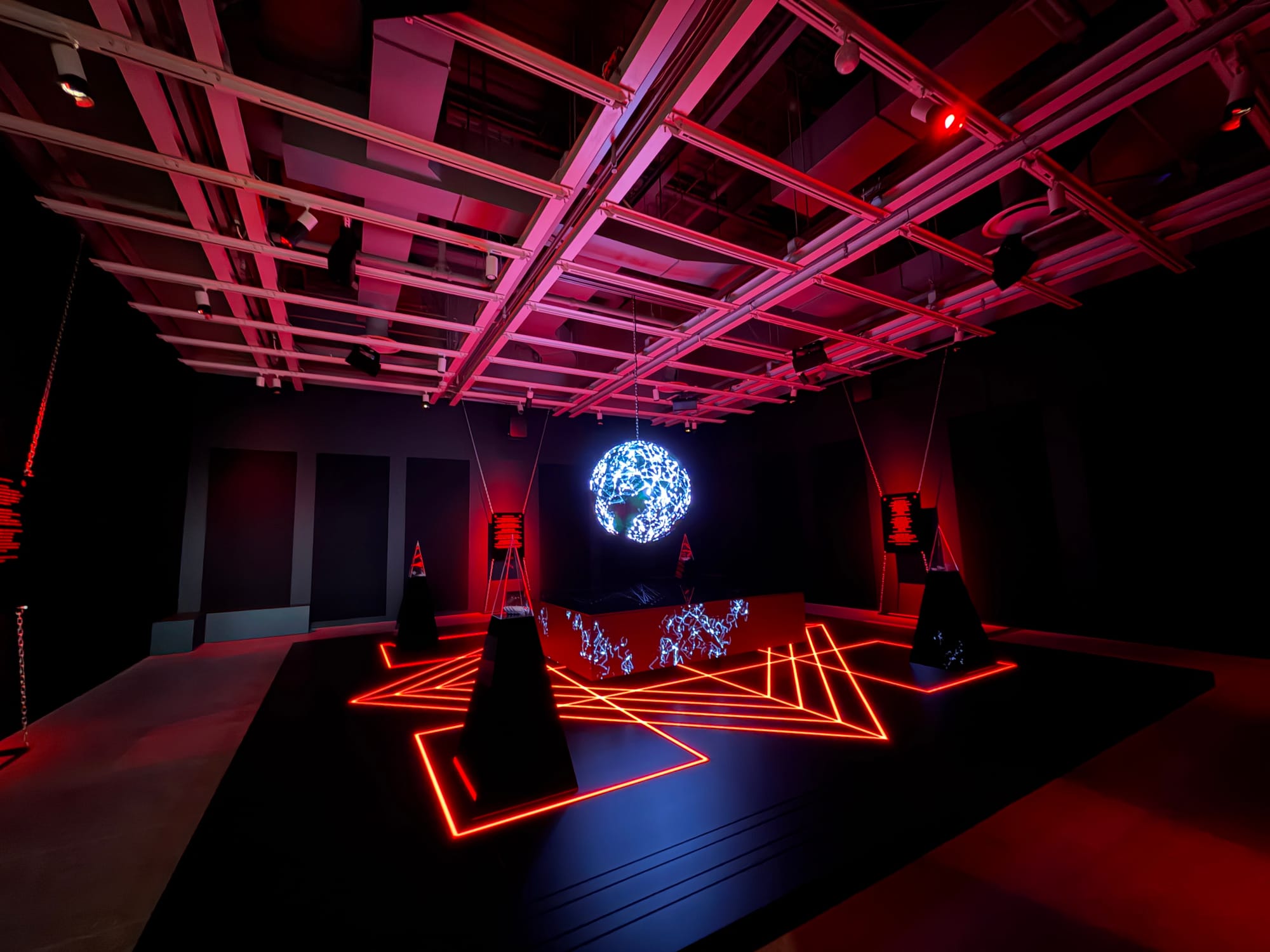
It’s a traumatized, faint-hearted biennial where artists mourn, commiserate, and snuggle together in ambient sound baths (Oswaldo Macía, Young Joon Kwak), altars (Zach Blas), and shrines (Enzo Camacho and Ami Lien) while Trump’s Epic Fury rages outside.
Even while it avoids addressing the current political moment, the show makes sure to tick many seemingly progressive boxes. It’s more inclusive than ever, widening the tent of American art to embrace artists hailing from Palestine, Iraq, Vietnam, Japan, and the Philippines — in other words, places screwed by American imperialism. It turns an analytical gaze onto systems of surveillance, extractivism, and oppression, as well as the infrastructures that sustain them. But all of this critical fluency — none of it groundbreaking — fails to make a collective statement about the mess we’re in. Weren’t the Soviet gulags and Chinese re-education camps full of people well informed about the systems that oppressed them?
“To some, the Biennial may not be ‘political enough’ if it fails to confront global leaders or conflicts,” writes Whitney Museum Director Scott Rothkopf in his foreword to this biennial’s catalog, in what may be an attempt to get ahead of the criticism. He goes on to explain that he personally prefers “other forms of both art and political agency” that are less confrontational, citing free admission programs (free Friday nights, free second Sundays, and free for visitors 25 and under) as examples of his political work. Marcela Guerrero, who co-curated the show with Drew Sawyer, writes in the same catalog that “to insist that the arrival of the 2026 Biennial coincides with an especially urgent moment in history feels trite, self-indulgent, even.”
These rhetorical backflips cover up a fear of taking a stand in this fraught moment of American history, lest it upset a museum trustee or donor.
This trepidation is also reflected in the choice to go themeless this year. In a press conference before the show, Guerrero explained that she and Sawyer “didn’t want to go with a predetermined idea,” and preferred to “keep an open mind,” ultimately opting for moods and “minor feelings.” (Journalists were not allowed to ask questions, by the way.) I would never advocate for too-literal art, but a theme is how a group of works coalesces into a vision, a statement, or a historical record. Even the Museum of Modern Art, whose board is teeming with questionable billionaires, stood up to Trump in 2017 when it installed an impromptu protest show of artists from countries included in the first “Muslim ban.” Eschewing a meaningful theme in a time like this is equivalent to burying your head in the sand. The result is communion without a common cause. “Relationality” — whatever the hell that is — without solidarity.
The best and most memorable Whitney Biennials were the ones that took chances and weren’t afraid to make mistakes. Amid protests against Vice-Chair Warren Kanders’s involvement in the manufacturing of tear gas used against asylum seekers and protesters, the curators of the 2019 biennial had the guts to include an investigation by the group Forensic Architecture into his dubious businesses. And whatever you thought of the choice to include Dana Schutz’s controversial painting of Emmet Till in the 2017 edition, it prompted meaningful conversations about race, representation, and ethics in art. Decades from now, when we’re living in Elon Musk-made, Palantir-surveilled condos on Mars, will anyone remember the 2026 Whitney Biennial?