A Convicted Antiquities Dealer’s Web
Phoenix Ancient Art funneled objects of shaky provenance into dozens of museums. Why are many of them still there?

In February, the Metropolitan Museum of Art quietly returned a Roman bust to Turkey. It was originally purchased from Phoenix Ancient Art gallery in Geneva, whose founder, Ali Aboutaam, was convicted by a Swiss court of illegally importing antiquities. Why do dozens of other museums still hold the objects they bought from the gallery? Art crime scholar Erin L. Thompson investigates.
Also today, artists demand justice for the family of Lorenzo Salgado Araujo, a Houston resident misidentified and murdered by ICE during a traffic stop. Staff Writer Rhea Nayyar writes about the most moving tributes and artworks.
—Lakshmi Rivera Amin, associate editor
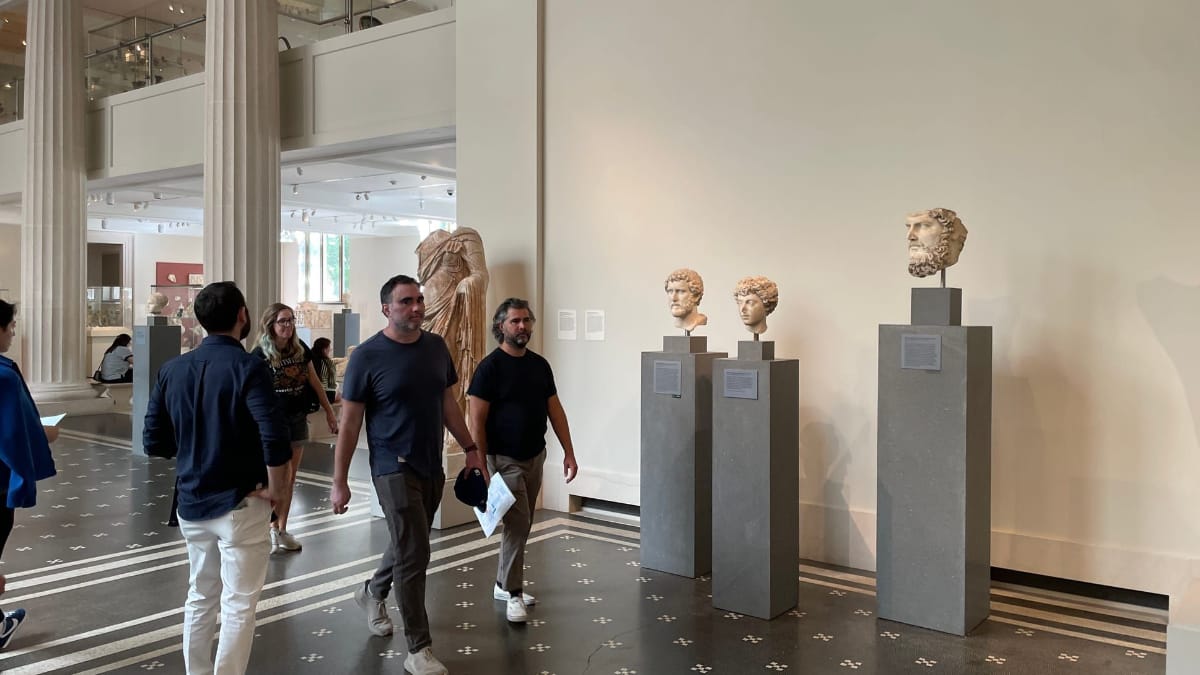
Why Do So Many Museums Hold a Convicted Antiquity Dealer’s Treasures?
When I went to the Metropolitan Museum of Art a few weeks ago in search of a marble portrait bust of an imperious-looking Roman man, both the sculpture and its pedestal had vanished. Only the label dating the piece to the 2nd century CE remained, marooned on the gallery wall.
The sculpture had been purchased from Phoenix Ancient Art, a gallery purporting to follow “the antiquities trade’s most vigorous and stringent procedures of due diligence.” The gallery touted the effort it put into finding evidence that its artifacts had left their countries of origin long before the enactment of export bans. Equipped with these good provenances, or ownership histories, Phoenix boasted that its antiquities could be “collected in full compliance with all legal and ethical rules.” | Erin L. Thompson
Read More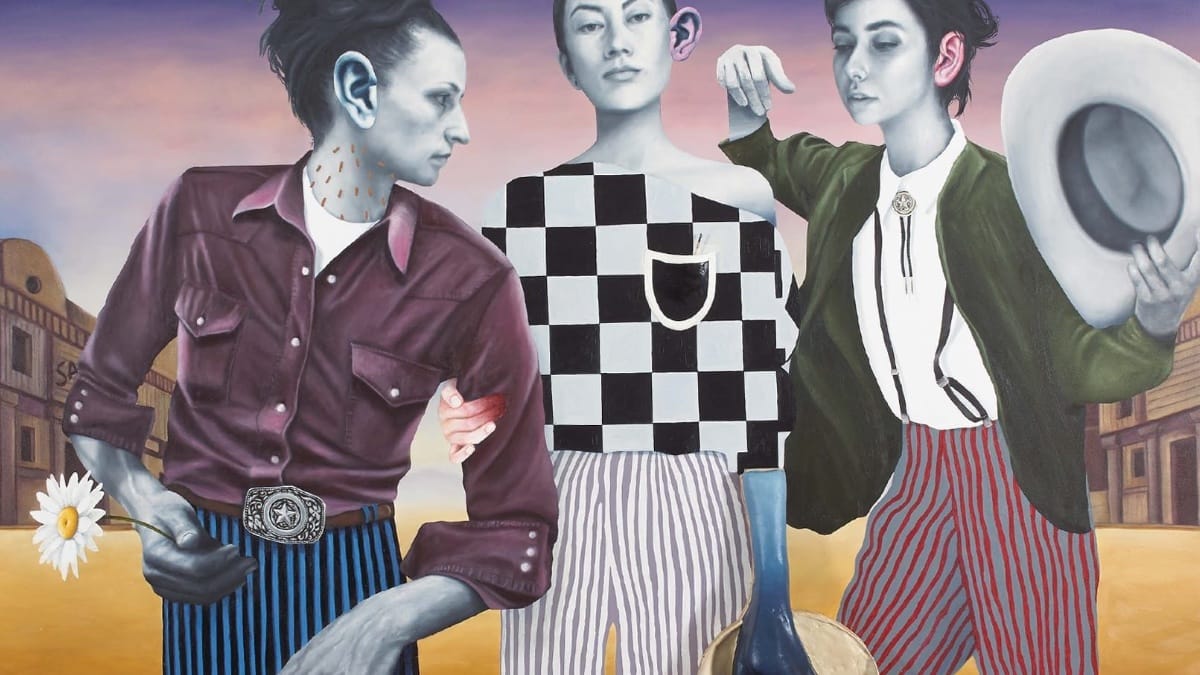
The Bennett Prize Opens Fifth Call for Entries
Women figurative realist painters can enter to win $75,000 and a traveling solo exhibition. Applications are open through September 19.
News
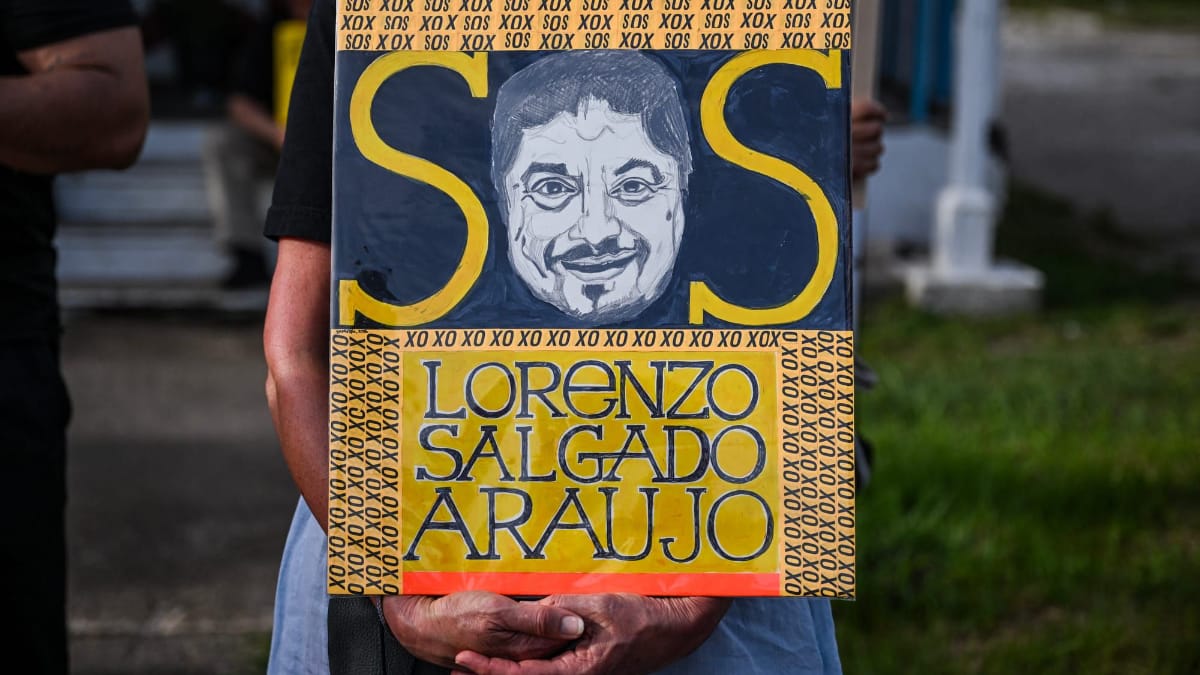
- Artists are memorializing Lorenzo Salgado Araujo, a 52-year-old man who was fatally shot by ICE on July 7, through portraits, illustrations, cartoons, and signs.
- Manhattan's High Line Art is seeking public feedback on 62 proposals for the public artwork commissions that will grace the park’s plinth in 2029 and 2030.
- The New York City Department of Health and Mental Hygiene discovered Legionella, the bacterium that causes Legionnaires’ disease, in the Guggenheim Museum’s cooling tower this week.
From Our Critics

The Story of Printmaking Is the Story of Democracy
Holly EJ Black deftly weaves a narrative that integrates varied geographical and cultural perspectives, centering figures who may not have been artists themselves. | Bridget Quinn
Read MoreThe Unruly Ceramic Beings of Kathy Butterly
The artist’s quasi-vessels incorporate folds, indentations, apertures, and coverts, which hint at bodily, biomorphic, and natural forms. | Gregory Volk
Read MoreCommunity
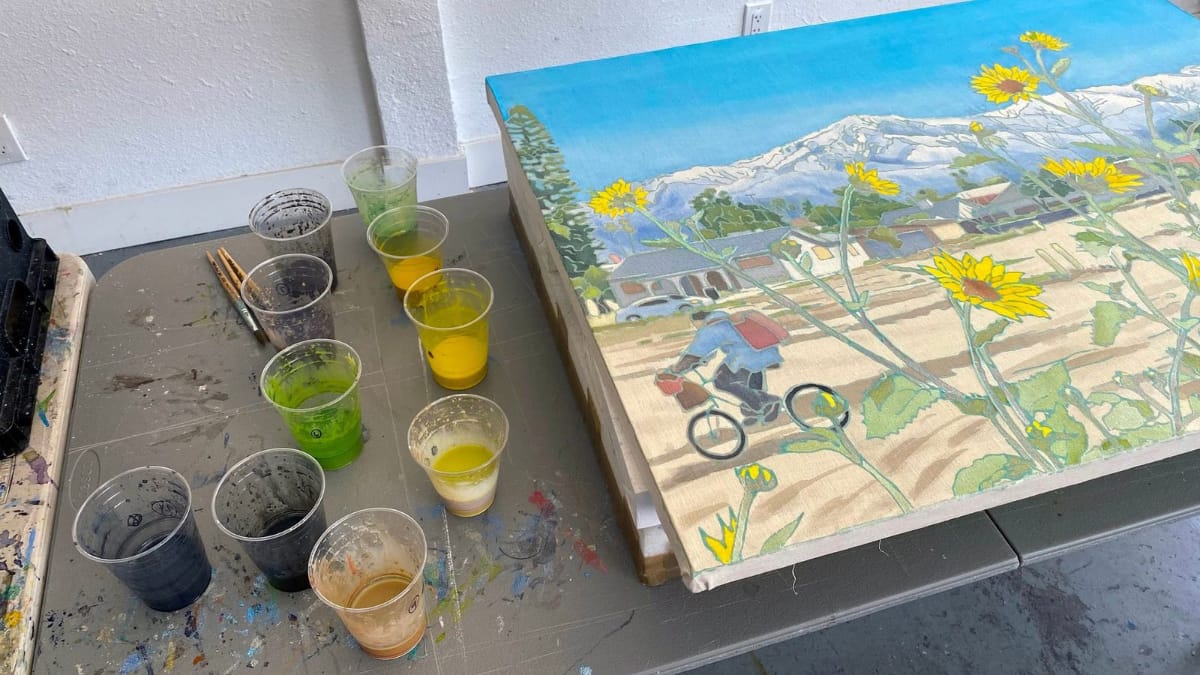
A View From the Easel: Adam de Boer
“My batik process is done in stages: from drawing, to waxing, to color staining, to boiling, and finally to oil painting.”
Read MoreFrom the Archive
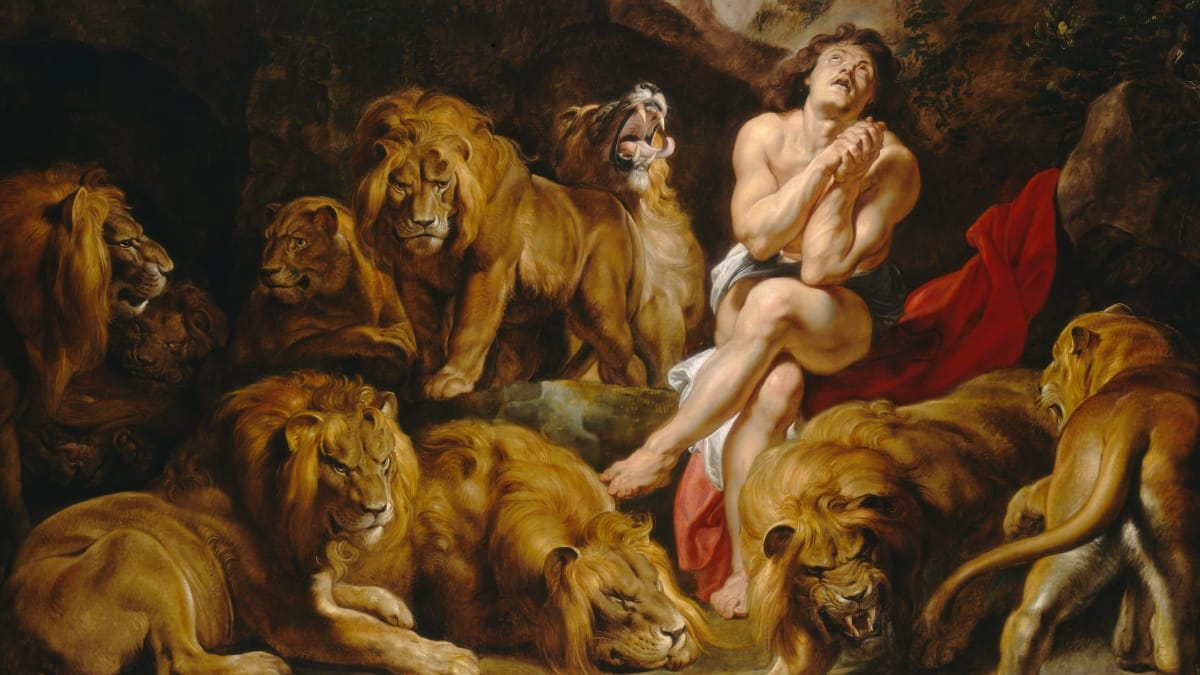
An Art Thief’s Tale of Love and Seduction
Stéphane Breitwieser stole several billion dollars worth of art from more than 150 museums before he was caught in 2001. | Erin L. Thompson
Read MoreHyundai Motor Group – The 7th VH Award
A global award for emerging media artists engaging with the context of Asia, featuring grants, a residency with Ars Electronica, and global exhibitions. Read more on Hyperallergic.
Deadline: July 21, 2026 | vhaward.com
See more in this month’s list of opportunities for artists, writers, and art workers!