The central, perplexing conundrum of the “nepo baby” arguably is this: Does the nepo baby possess talent, and is that talent to any degree independent of the considerable social and financial benefits bestowed upon said nepo baby from birth?
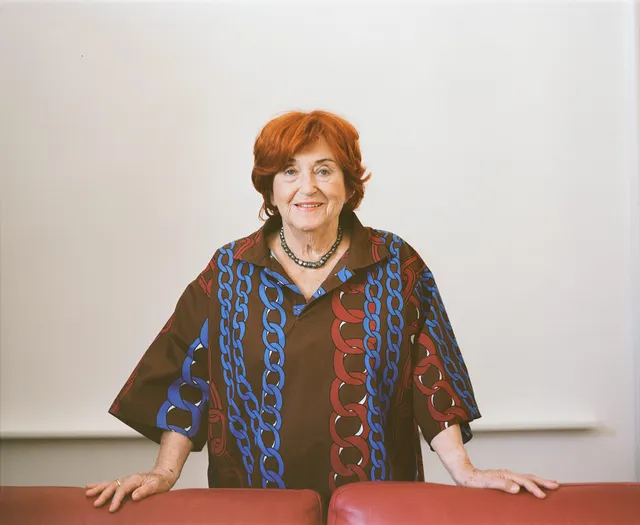
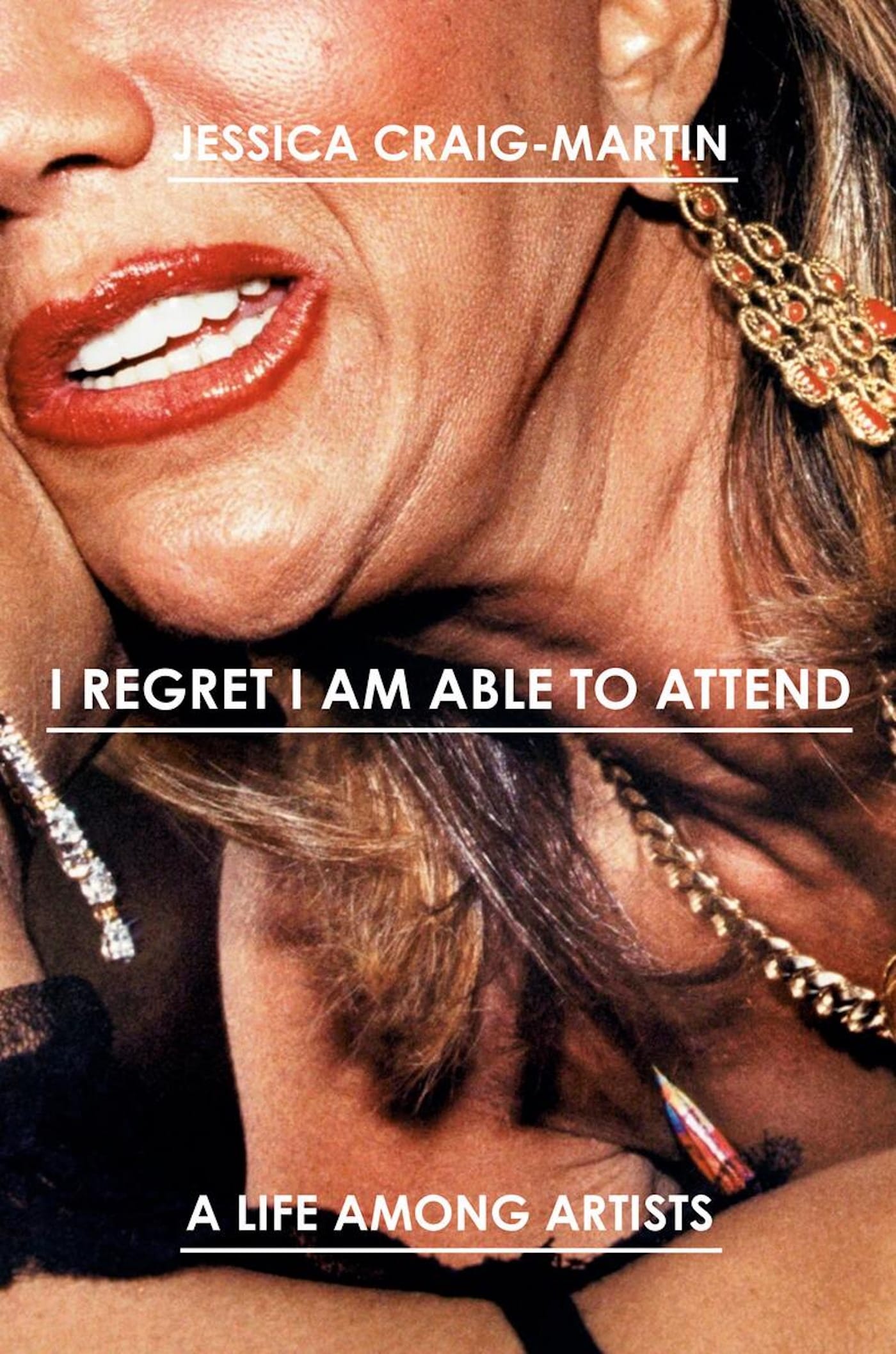
In I Regret I Am Able To Attend: A Life Among Artists (2026), photographer Jessica Craig-Martin, daughter of Irish painter Michael Craig-Martin and Jan Hashey (sometime artist but more successful real estate broker), chooses to quote Paul Auster, a giant of 20th-century American literature, in the introduction to her memoir: “Stories only happen to those who tell them.” The quote is meant to underline her insistence that this book is not a memoir, nor a narrative, only a collection of tales, thereby excusing any requirement for fact-checking or referencing, despite it very clearly being an exhaustive narrative of her life and that of her parents. The choice of quote also underlines the book’s tone: These stories are remarkable because of who they happened to, regardless of whether they are actually interesting or not. And that is how celebrity — the condition of being famous simply for being famous — works.
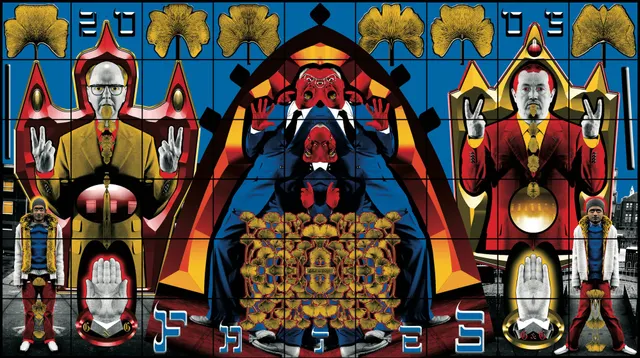
Craig-Martin weaves her parents’ experiences into her own, with several chapters throughout returning entirely to their lives as side quests, detailing which houses they bought and how they were decorated and who their friends were and how much money they earned, variously bouncing between London and New York and dragging the author between them. Where there is an excess of material and social detail, however — the name-dropping comes in lists — there is a mystifying sense of disengagement or interest in her parents’ own artistic enterprises. We are told what Michael did and what accolades he received but nothing substantial about Craig-Martin’s emotional or intellectual connection to his work. Her tonal detachment at attending, say, the first-ever performance of Gilbert George’s “The Singing Sculpture” (1969) cleaves a divide between her, dragged to the debut as par for the course of a daughter of a well-connected artist, and us, mortals who would have killed to witness this legendary moment in art history. What is present from the start is a keen eye for fashion, even if it is delivered via observations about how her mother was painfully more chic than the other parents picking their kids up from school.