Trump’s Slimy Pool Breeds Memes
An interview with Flavia Rando, Danielle De Jesus at the Knicks parade, and the great Reflecting Pool fiasco.

Flavia Rando is the New York queer icon you don’t know enough about. She participated in the first art exhibition to include the word "lesbian" in the title. She sat at the “gay table” at the Brooklyn College cafeteria. In 1969, while riding the 14th street crosstown bus, she met the lesbian feminist activist Martha Shelley, who invited her to a Gay Liberation Front meeting. And the rest is history — well, living history, as Rando is nowhere near done. Alexis Clements interviews the artist and educator for Hyperallergic’s Queer Elders series.
Speaking of New York: Artist Danielle De Jesus shows up at the Knicks parade with a press pass, a film camera, and memories of watching kids playing basketball on public courts in her native Brooklyn. Her photographs, and her reflections on the Knicks’ historic win, capture the totally magical moment we’re living in this city.
Regardless of what team you’re on, here’s something we can all delight in: Trump’s Reflecting Pool paint job is a slimy mess, and we’ve got the algae-themed memes to prove it. I just love it when a climate change denier accidentally breeds his own ecosystem.
—Valentina Di Liscia, senior editor
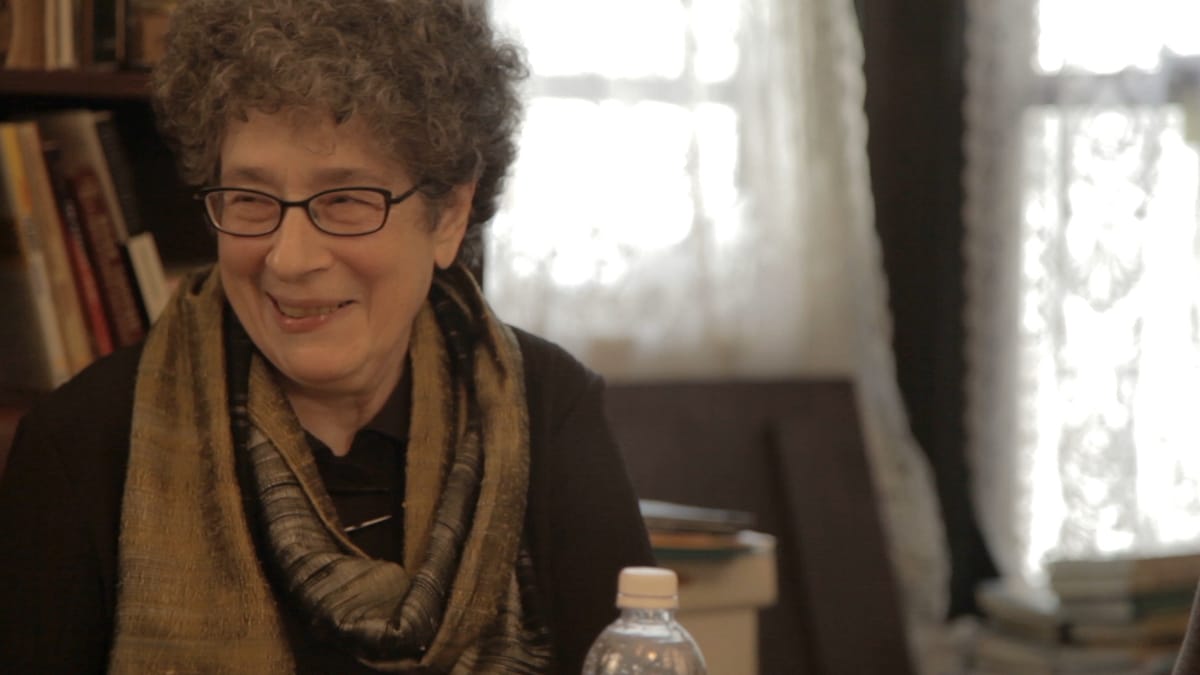
By the Force of Flavia Rando’s Presence
Far too many queer elders are not as widely known as they should be, precisely because their queerness, and often their gender, led others to place barriers in their path. And yet, many have carried right along regardless. Flavia Rando is one such person.
A Brooklyn native, a child of immigrants, a lesbian who came out in her late teens in 1961, Rando went on to join the Gay Liberation Front and Radicalesbians, found her own photo research business, participate in the first art exhibition to include the word lesbian in the title, and wheat-paste her work and that of other lesbian artists across Midtown. Later on, she would influence thousands in classrooms throughout the New York City area as a professor teaching women’s and gender studies, as well as art history.
We spoke over the phone about her pathway into art-making and politics, her teaching, and some of what she’s learned along the way. | Alexis Clements
Read More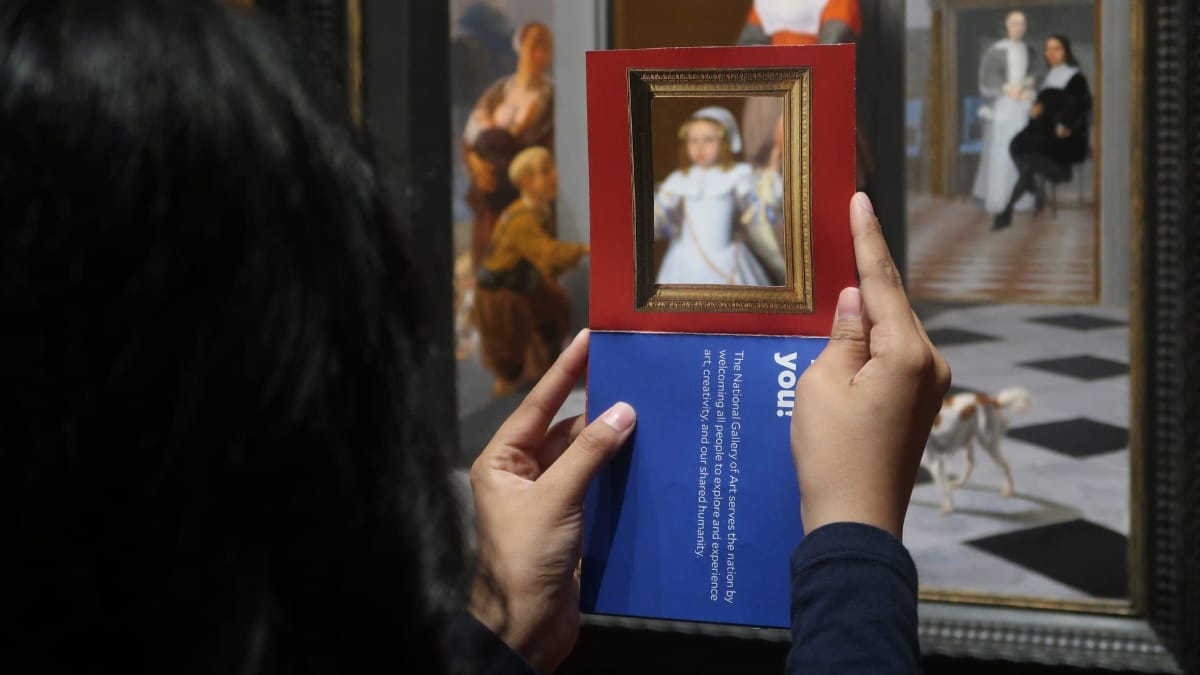
How the GW Corcoran Is Rethinking Interaction Design Education
The Interaction Design program at the George Washington University Corcoran School of Arts and Design is utilizing partnerships across DC to encourage its students to develop more inclusive design practices.
News
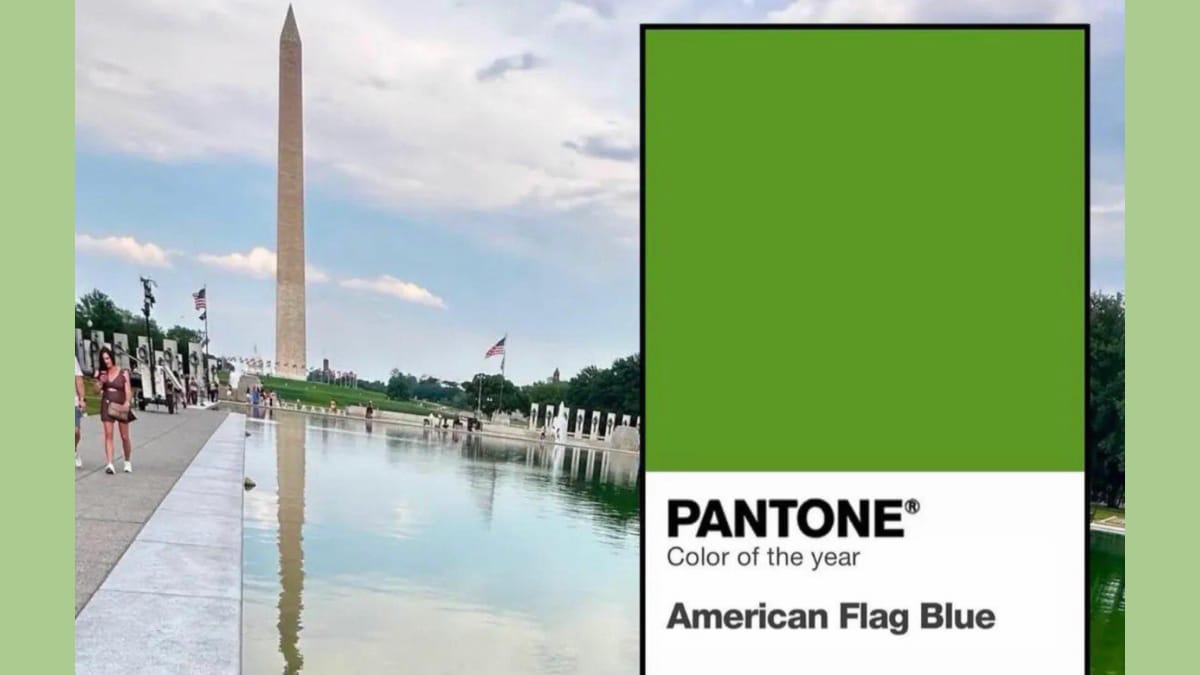
- President Trump’s paint on the floor of the Lincoln Memorial Reflecting Pool, a color he dubbed "American Flag Blue," is turning a barf-green. Here are some of the best memes that have come from it.
- Brooklyn’s South Bushwick Community Church is seeking to raise $2 million after a three-alarm blaze caused devastating damage.
Photo Essay
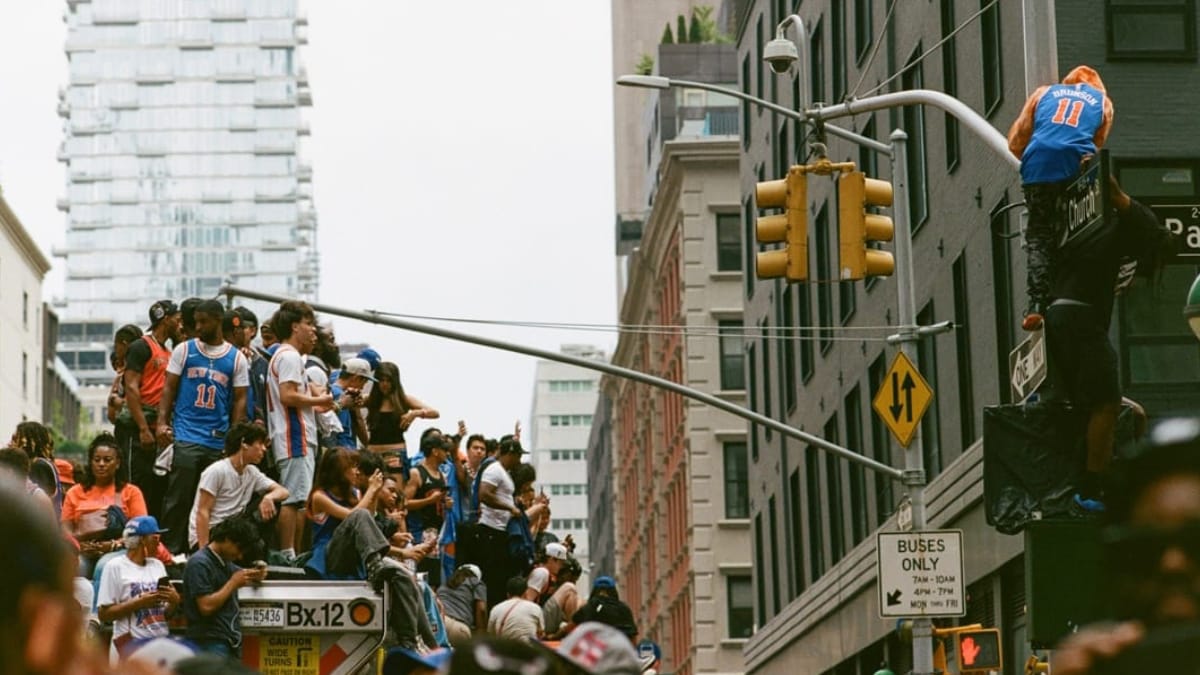
Capturing New York Pride at the Historic Knicks Parade
We ate bacon, egg, and cheese sandwiches and got to school by swiping MetroCards. We have our own language, style, and unmatched pride. We call NYC home. | Danielle De Jesus
Read MoreFilm
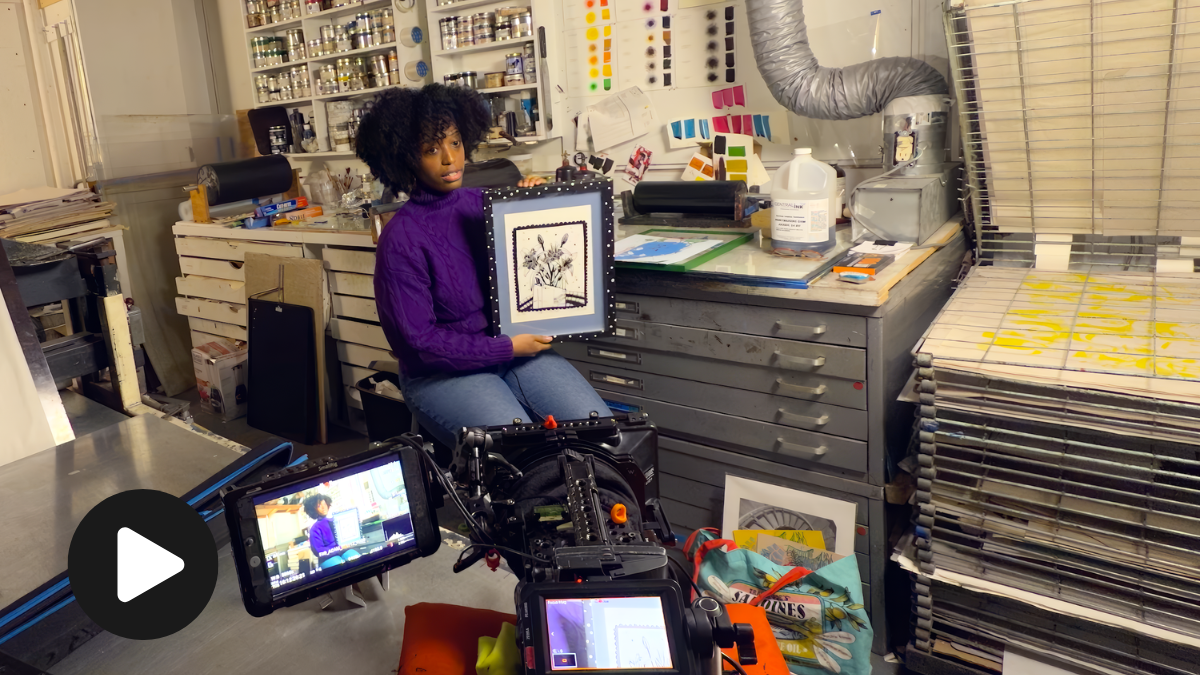
In a New Documentary, Artists Get Candid About AI
The short film from the Strategic National Arts Alumni Project is based on a survey of over 2,000 postsecondary arts graduates across the US.
Read MoreFrom Our Critics
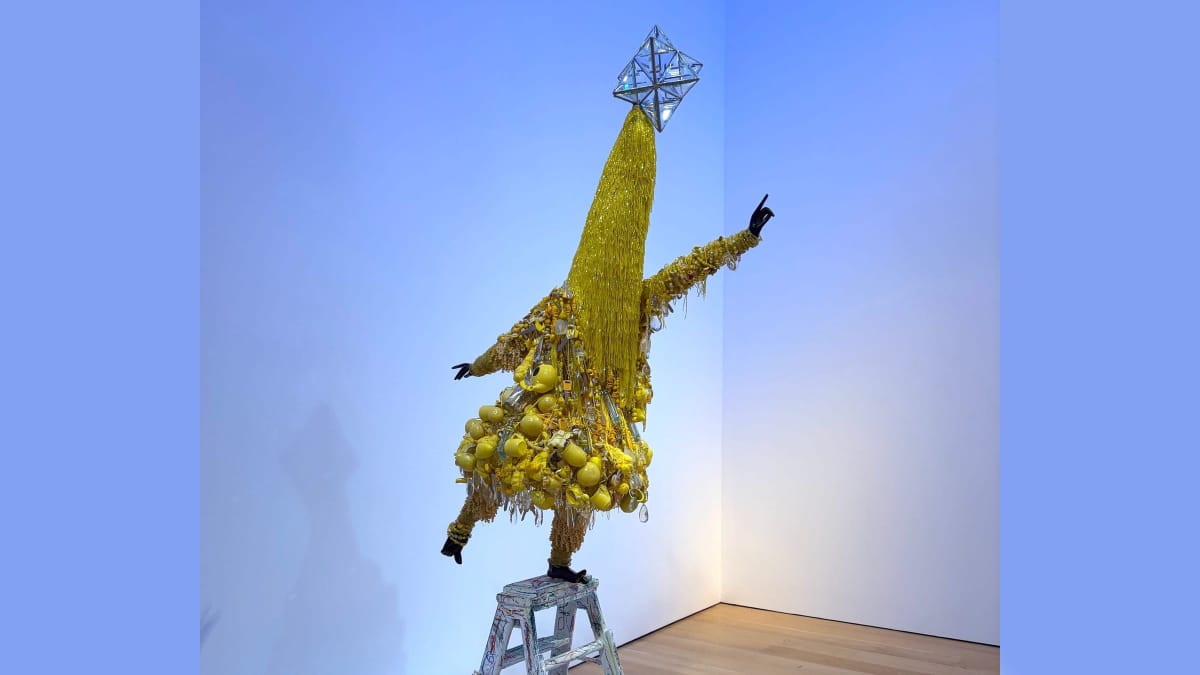
vanessa german’s Shrine to Forgotten Black Girls
In new sculptures that vibrate with color and movement, the artist vivifies the stories of the girls who attempted to escape from a Louisville detention center in 1913. | Natalie Weis
Read MoreOpinion
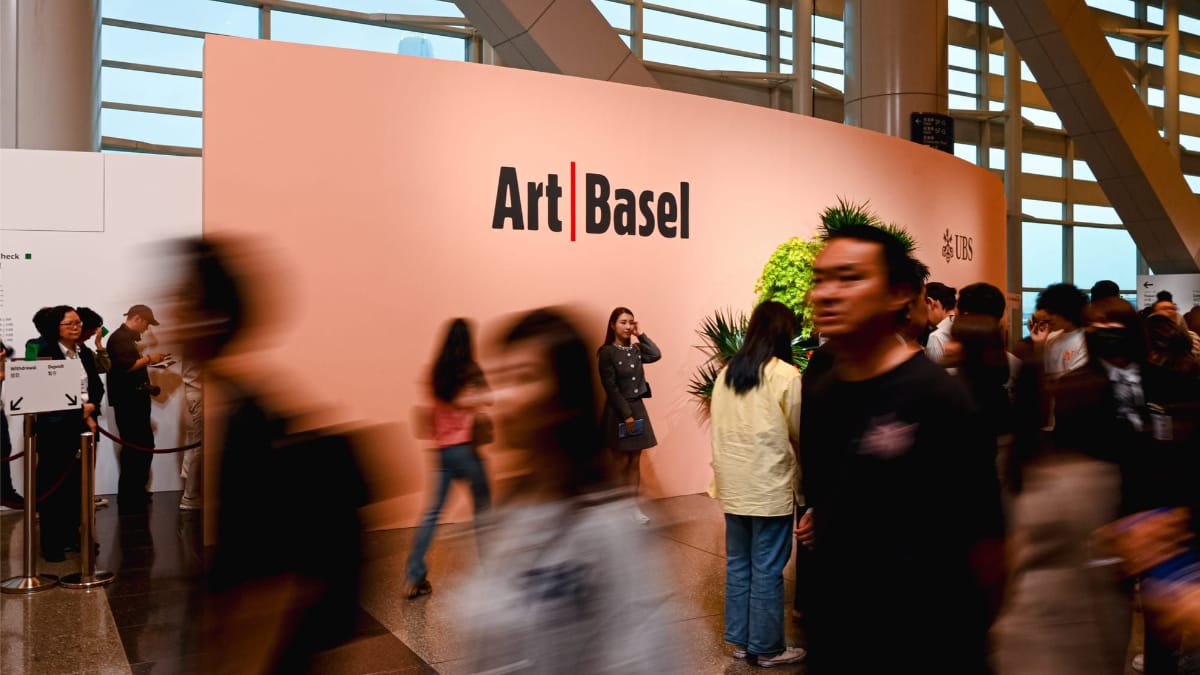
Marc Spiegler Got It All Wrong
In a guest essay for the New York Times, the former Art Basel global director presented a vision of a Brave New Art World that has little to do with art and those who make it. | Barbara Pollack
Read MoreMember Comment
Mary Boast on “The Inner Worlds of Black Quilters”
From the Archive
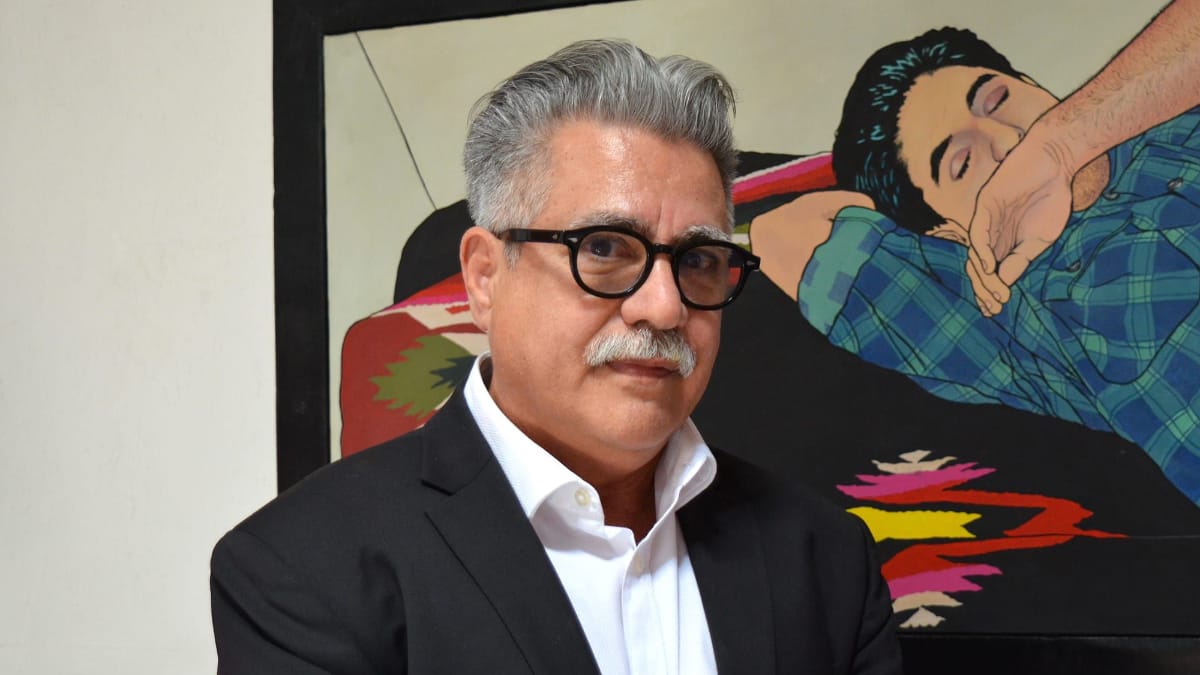
Joey Terrill’s Windows Into Queer Chicano Life
“I want my work to have a confessional nature about my life, my identity, and who I am,” the artist said in an interview with Hyperallergic. | Valentina Di Liscia
Read More