At MoMA, Brancusi Is Lost in Space
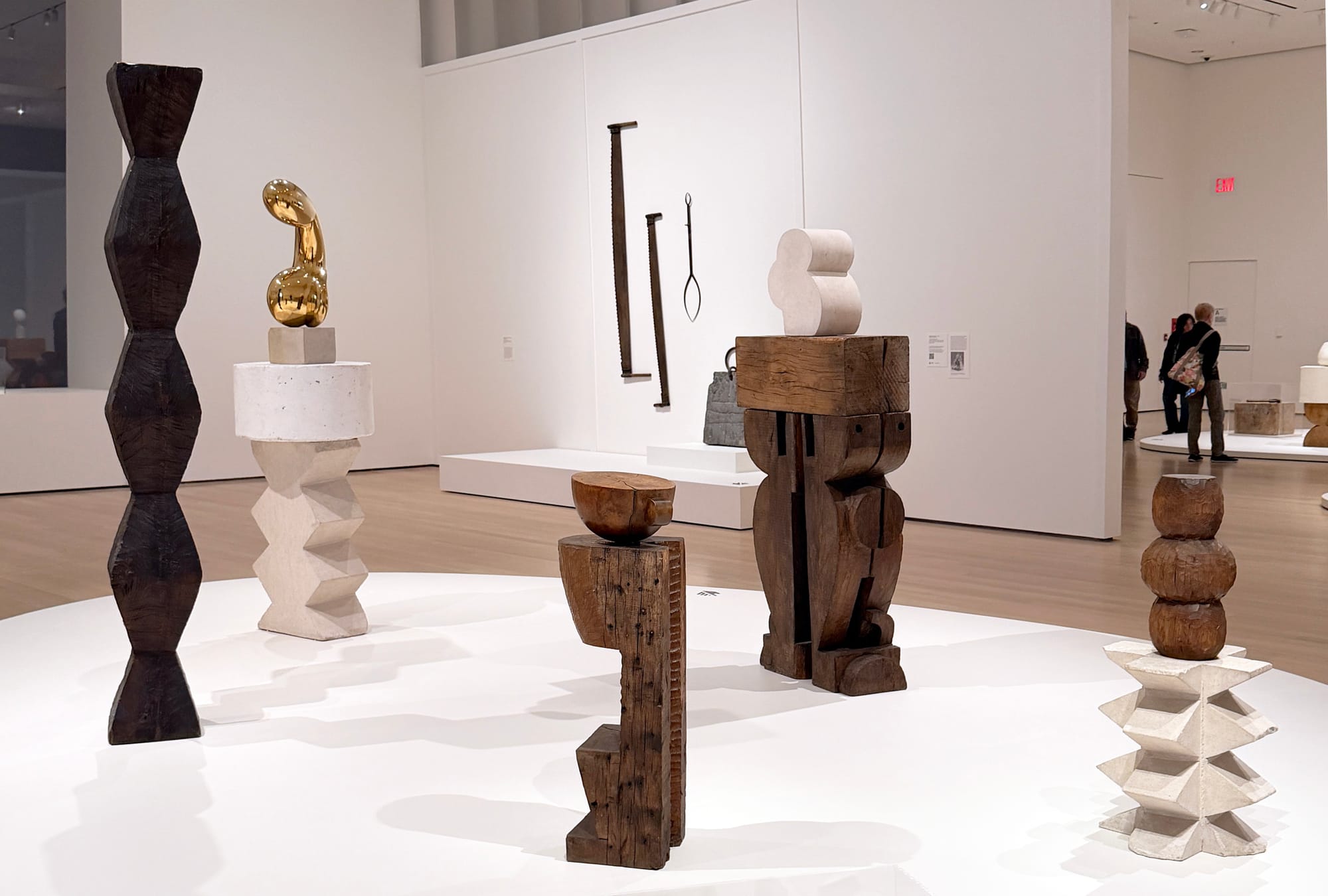
The artist’s work is glorious and resonant, but the Museum of Modern Art has a space problem, or an elegance problem, or a crowd mitigation problem.

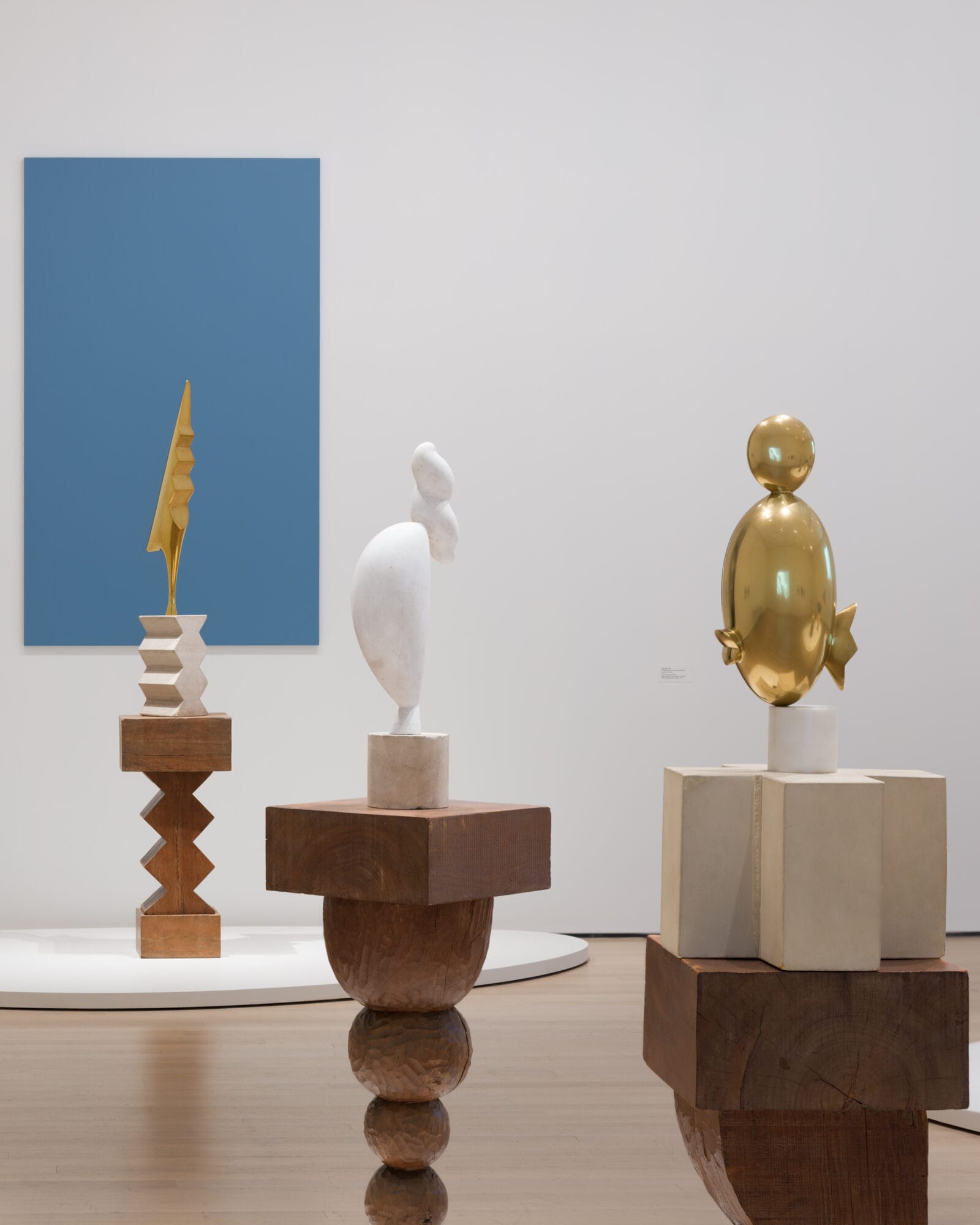
Let’s get one thing out of the way first: For all my weariness about how canonical dead White men are STILL. CONSISTENTLY. CENTERED in museum exhibitions — even after said museums have publicly taken pains to expand collections, hire curators with broad expertise and interests, and invite new audiences into their spaces — I have ZERO complaints about putting on a Constantin Brancusi exhibition. Even in fall 2026, when the city’s three major museums have turned themselves over to Brancusi, Lichtenstein, and Pollock simultaneously. (I will go to my grave insisting that it should have been a Krasner show.)
That said, the work of this particular canonical dead White man is glorious, and continues to resonate with contemporary artists: His name has come up consistently in interviews with sculptors this past year, whether Rodney McMillian or Martin Puryear or a number of others I’ve talked to. Brancusi: The Artist and His Studio at the Museum of Modern Art is a great reminder of why. More than a survey, it demonstrates the importance of this artist’s atelier as a place of creation, of exhibition, and of sociability, and includes his drawings, photographs, films, tools, and even some of the record albums he owned — reminders of the legendary dinner parties he used to throw there.