In Minor Keys, Khaled Sabsabi, Louvre Heist Film
Also, why did a New York gallerist use AI on an Ansel Adams photo?

You might first associate Khaled Sabsabi’s name with controversy; he was removed as the Venice Biennale’s Australian pavilion artist last year, then reinstated after public backlash and an independent review. But as with so many participants and works at the so-called Olympics of the art world, that is only part of the story.
This week, critic Aruna D’Souza sat down with Sabsabi for a conversation about the trauma of migration, the 132-foot-long piece that came to him in a dream, and the Sufi teachings that influenced his two works in Venice. One is on display in the late curator Koyo Kouoh’s In Minor Keys, a “triumph” of an exhibition that Editor-in-Chief Hakim Bishara calls “a solid hymn to the billions who carry melancholy and riotous joy in the same heart” in his review.
In other art that moved us, Jasmine Weber pays a visit to Betye Saar’s family of Black dolls at the New York Historical, while John Yau steps through the portals of Larissa Borteh’s canvases into worlds that are wholly her own. And the news cycle, as always, delivered headlines straight out of the Onion. Here’s a taste: The infamous Louvre heist is getting a film adaptation (which I will be in line to watch on opening night) and a New York gallerist thought it would be fun to use AI to colorize Ansel Adams’s iconic black-and-white photographs. What could go right?
If that isn’t enough to make you want to throw your phone off a cliff and go see some shows, a new study posits that interacting with art and cultural heritage — from taking a photo to wandering through a gallery — can literally add years to your life. May that spirit of creativity suffuse your weekend ahead. Happy reading, and, and if you haven’t already, please consider joining us as a Hyperallergic Member to support our fearless, critical art journalism.
—Lakshmi Rivera Amin, associate editor
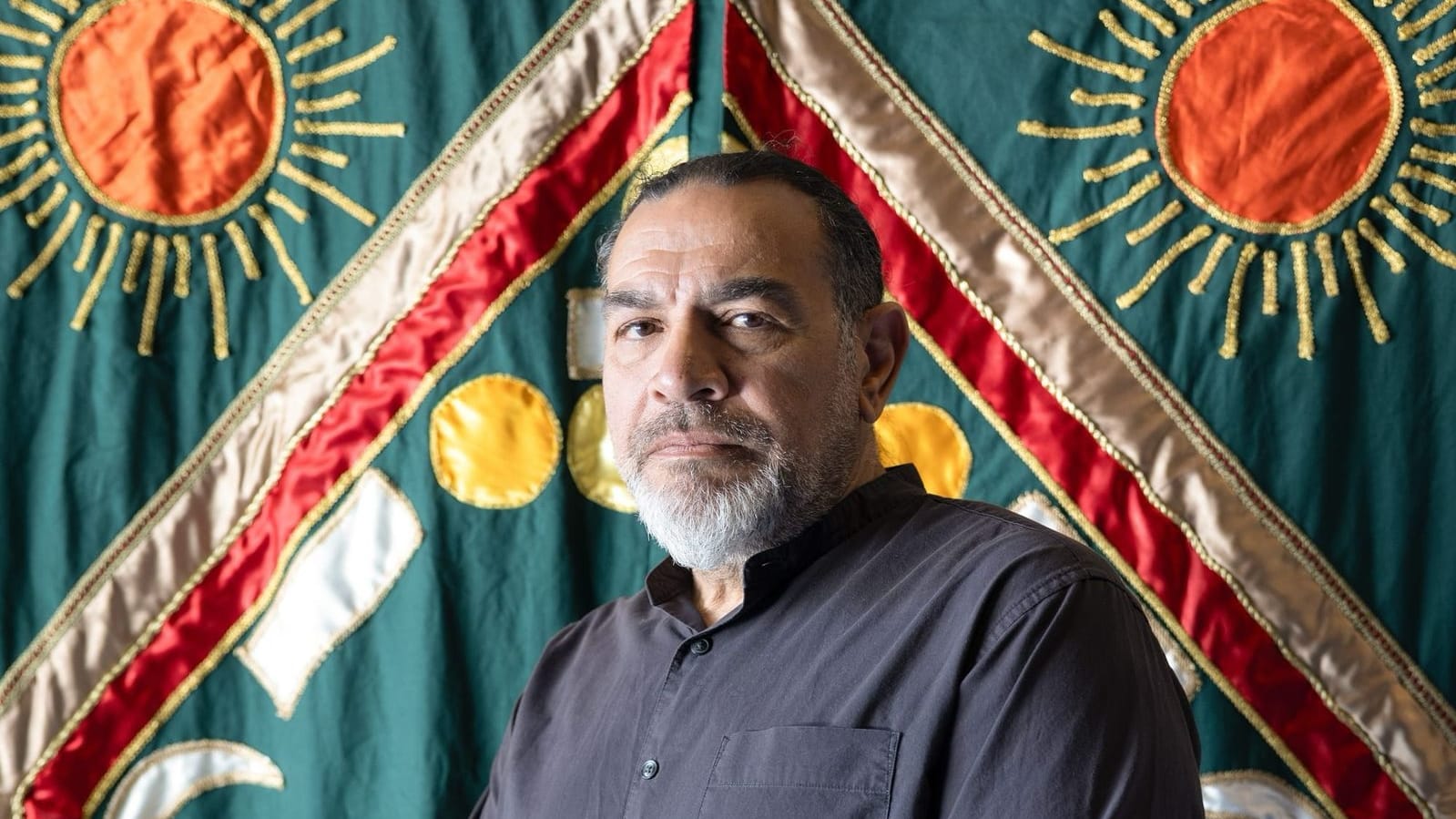
Khaled Sabsabi’s Art of Collective Becoming
Last year, Lebanese-born, Sydney-based artist Khaled Sabsabi was chosen to represent Australia at the 2026 Venice Biennale. Within a week, the government intervened to override that decision, based on claims that by including a blurred image of a former Hezbollah leader in a video from 2007, Sabsabi was a supporter of terrorism and an antisemite. In response, Koyo Kouoh, the curator of the biennale’s main exhibition, In Minor Keys, stepped in, inviting Sabsabi to the show. Outcry within the arts community and an independent review led to Sabsabi’s reinstatement to Australia’s pavilion.
His two installations — “khalil” in In Minor Keys and “conference of one’s self” in the Australia pavilion — use painting, sound, and moving image to reflect on ideas of identity and collectivity, drawing upon his own life story and his interest in Tasawwuf (Sufi) teachings.
Aruna D'Souza sat down with Sabsabi to talk about his work in Venice and how it all came together.
News
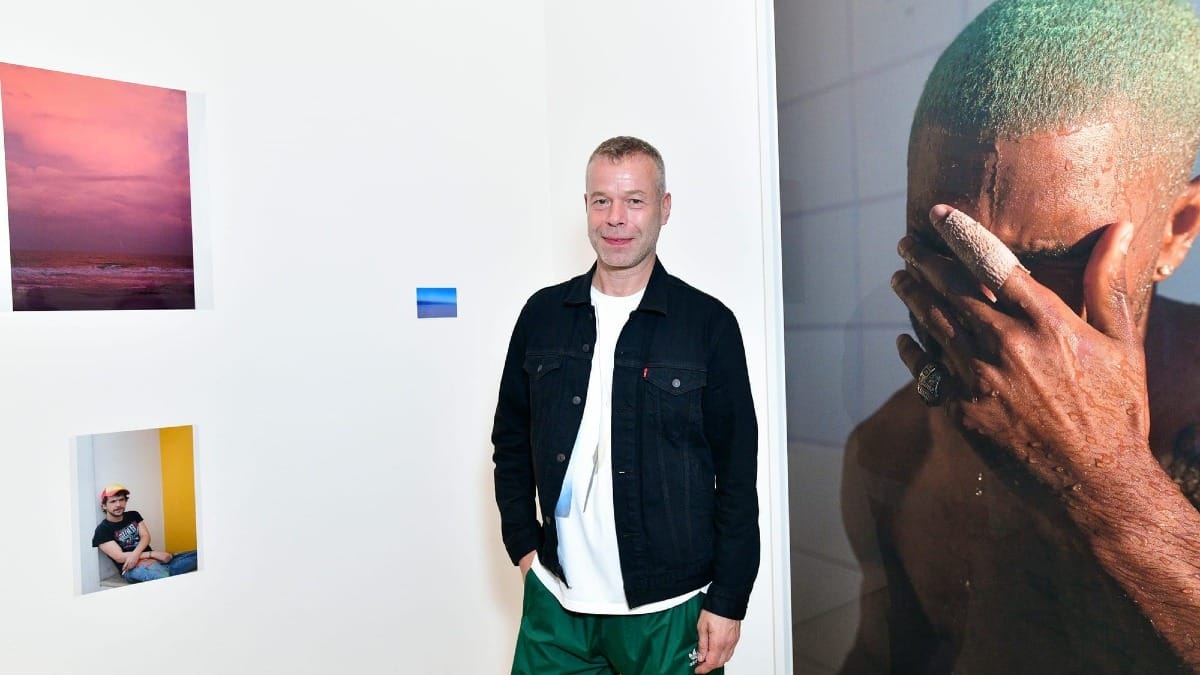
- Photographer Wolfgang Tillmans wins the Roswitha Haftmann Prize, Cheryl Finley gets the Driskell Prize — and more in this week’s Art Movements.
- The Ansel Adams Publishing Rights Trust has lambasted New York City gallerist James Danziger for selling AI-colorized editions of one of the late artist’s most recognized photos.
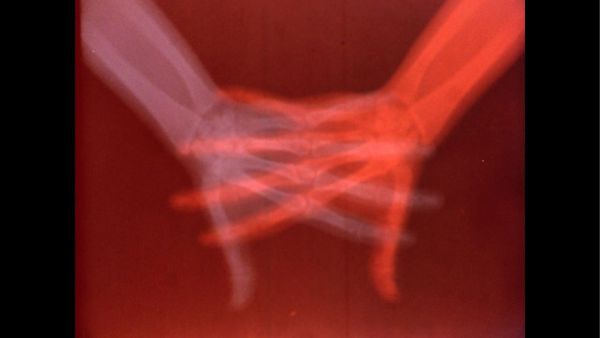
- The Louvre heist is set for a film adaptation amid an ongoing investigation and with the stolen jewels still at large.
- Figurative expressionist painter Jay Milder died at 92.
- Prolific urban tagger and Miami graffiti legend Eric Alan Hirt “Eson” has died at 47 after being struck by a train.
- Unionized workers at the Wexner Center for the Arts called for the institution to be renamed over benefactor Les Wexner’s ties to Jeffrey Epstein.
- The estranged husband of murdered New York art dealer Brent Sikkema was found guilty for his role in hiring the hitman who stabbed the gallerist.
- Trump has re-erected a monument to Caesar Rodney, a signer of the Declaration of Independence who enslaved at least 200 people, after the city of Wilmington, Delaware, removed it in 2020 amid historic Black Lives Matter protests.
- According to a new study published in the journal Innovation in Aging, visiting art museums could slow aging.
Support Independent Art Reporting
Independent, critical reporting is increasingly hard to come by. But you can ensure it doesn’t disappear.
By becoming a paid member of the Hyperallergic community, you not only help keep our lights on, but guarantee our hands (and pens) remain untied.
From Our Critics
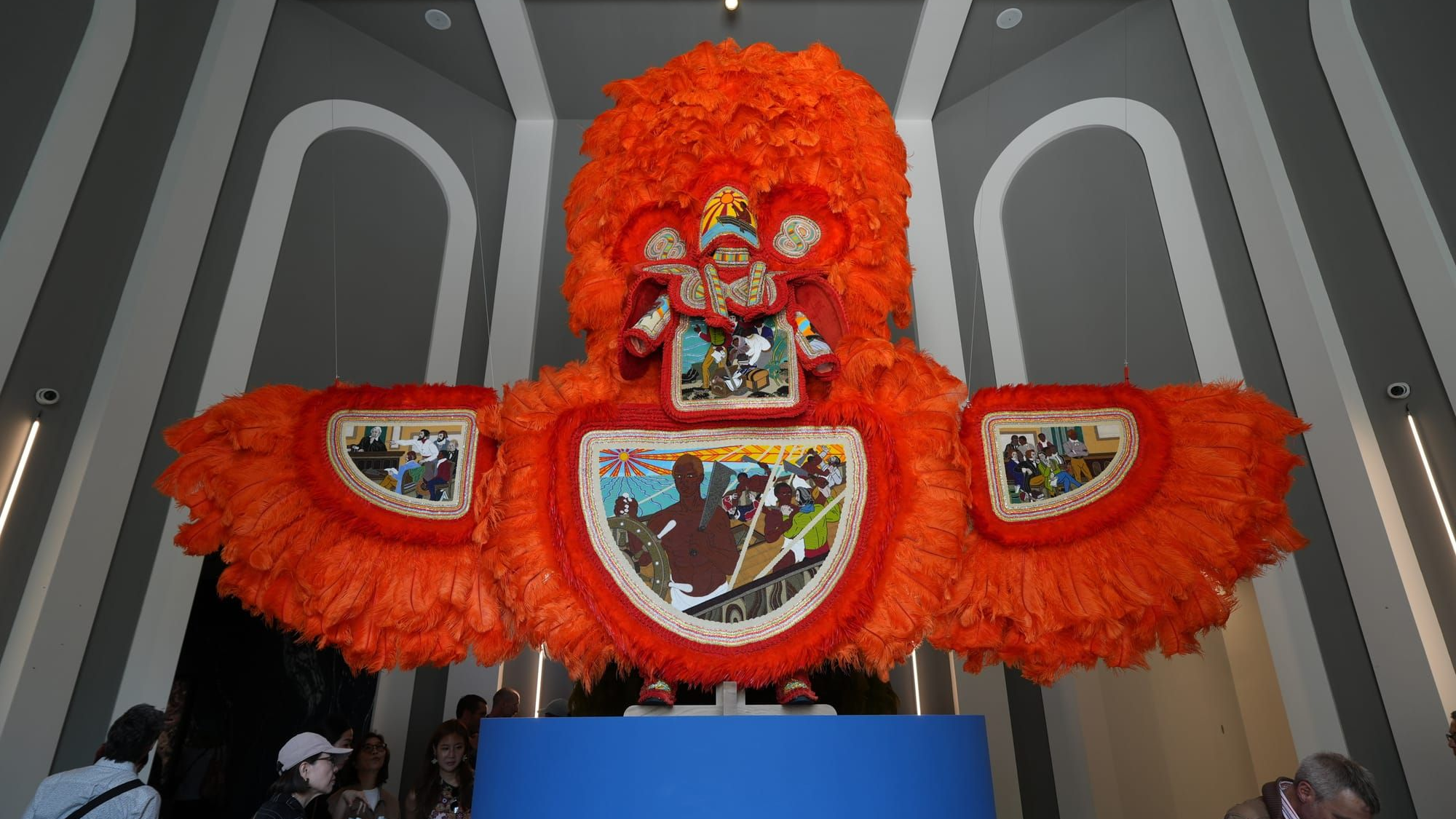
Centuries of Endurance Undergird “In Minor Keys”
The main exhibition of the 2026 Venice Biennale sets rage and retribution aside, relaxing the oppressed’s clenched fist for a moment of calm, centeredness, and self-forgiveness. | Hakim Bishara
Read MorePerformance Cuts Through the Noise at the Venice Biennale
Florentina Holzinger and Miet Warlop transform the Austrian and Belgian pavilions into immersive spectacles of endurance, ecological dread, and controlled collapse. | Eurídice Arratia
Read MoreThe Looter Who Built Your Favorite Museum
A new book maps the network that allowed Douglas Latchford to violently rip Khmer statues from their homes and funnel them into Western institutions. | Emiline Smith
Read MoreAnni Albers Wasn’t Afraid to Start From Zero
Nicholas Fox Weber’s new biography draws on their nearly 25-year friendship, allowing her dedication to textile art and her warm humor to shine through in equal measure. | Julie Schneider
Read MoreThe In-Between Worlds of Larissa Borteh
In the artist’s paintings, are we looking at plants in a state of beautiful decay, ghosts, deities, fairylands, or something from a dream? | John Yau
Read MoreThe Invincible Spirit of Edmonia Lewis
A first-of-its-kind exhibition honors the pathbreaking artist’s Black and Indigenous ancestries. | Sháńdíín Brown
Read MoreFeatures
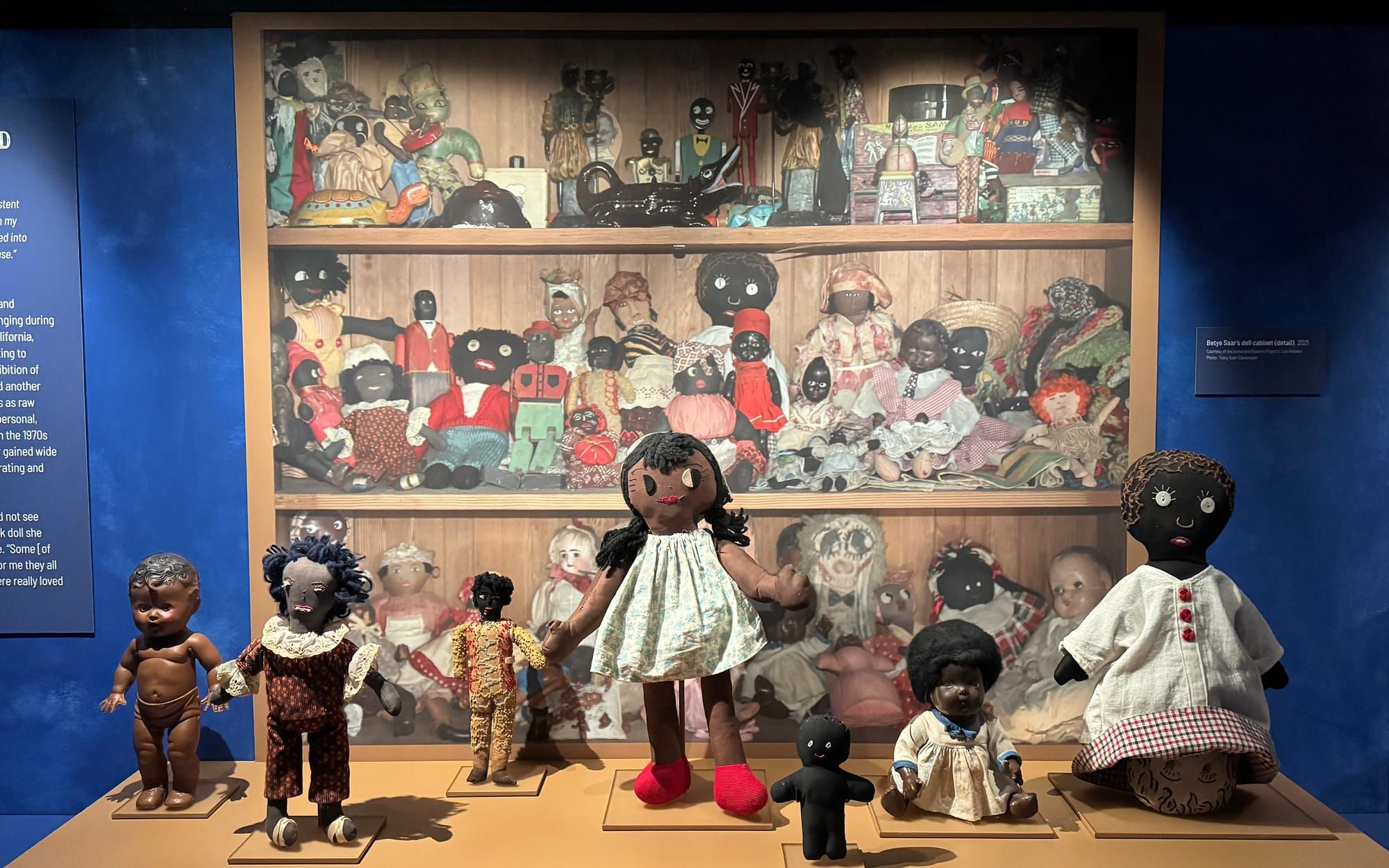
How Betye Saar Set Black Dolls Free
Nearing the occasion of her 100th birthday, an exhibition at the New York Historical celebrates Saar’s promised gift of her collection of dolls to the institution. | Jasmine Weber
Read MoreA Look Into Frank Stella’s Mesmerizing Collection of Diné Textiles
The late artist’s trove of Navajo weavings is on public display for the first time at Arader Galleries in NYC ahead of a sale. | Rhea Nayyar
Read MoreThe Private Worlds of Charlotte Brontë and Octavia E. Butler
Behind The Huntington Library’s glass cases, the layers of motherhood, career, friendship, family, and loss are revealed in personal objects. | Hannah Benson
Read MoreOpinion
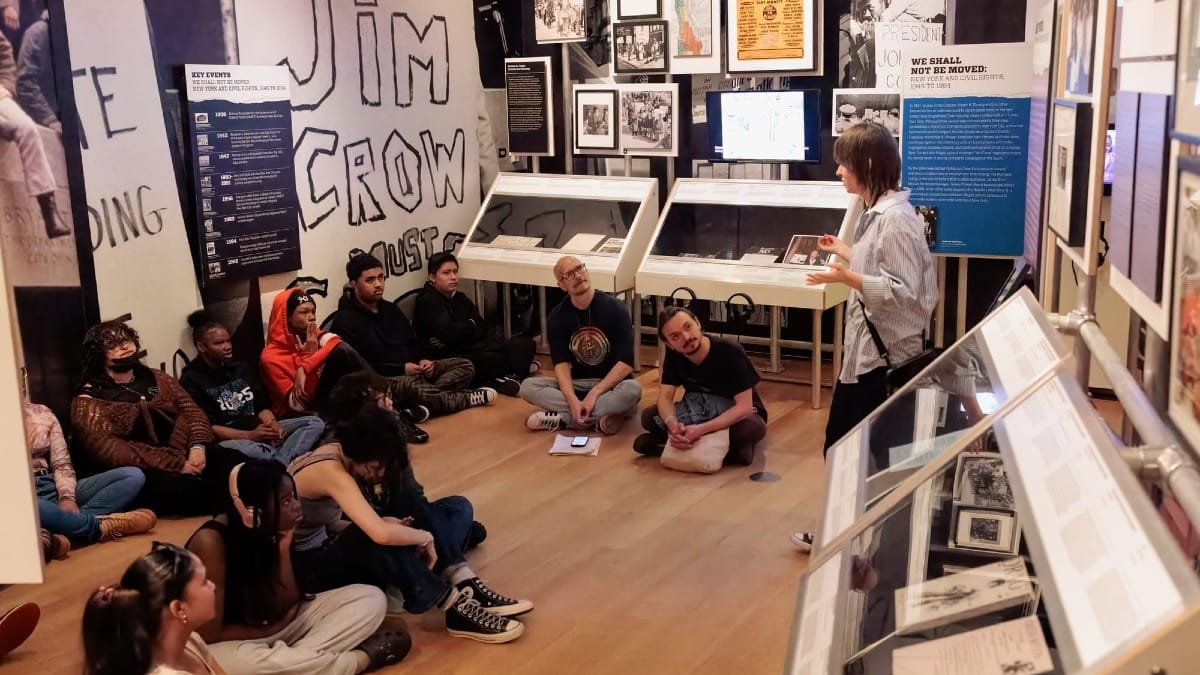
Fixing the Potholes in NYC’s Cultural Infrastructure
If “pothole politics” is about fixing what people experience in their daily lives, then cultural funding should follow the same logic: steady, predictable, and built to last. | Stephanie Hill Wilchfort
Read MoreCommunity
- In Memoriam — This week we honor Paula Kamps, a painter of rare sensitivity, Tess Jaray, luminary of abstraction, and Ben Morea, counterculture icon.
- A View From the Easel — Kevin Callahan marks three years in his studio after losing his partner of 39 years and moving to a new home. He still finds reasons to smile as he paints and draws under the California sun.
- Required Reading — a record-breaking World Cup mural in Mexico City, the Gen Z of 19th-century France, van Gogh and AI, and more.
From the Archive
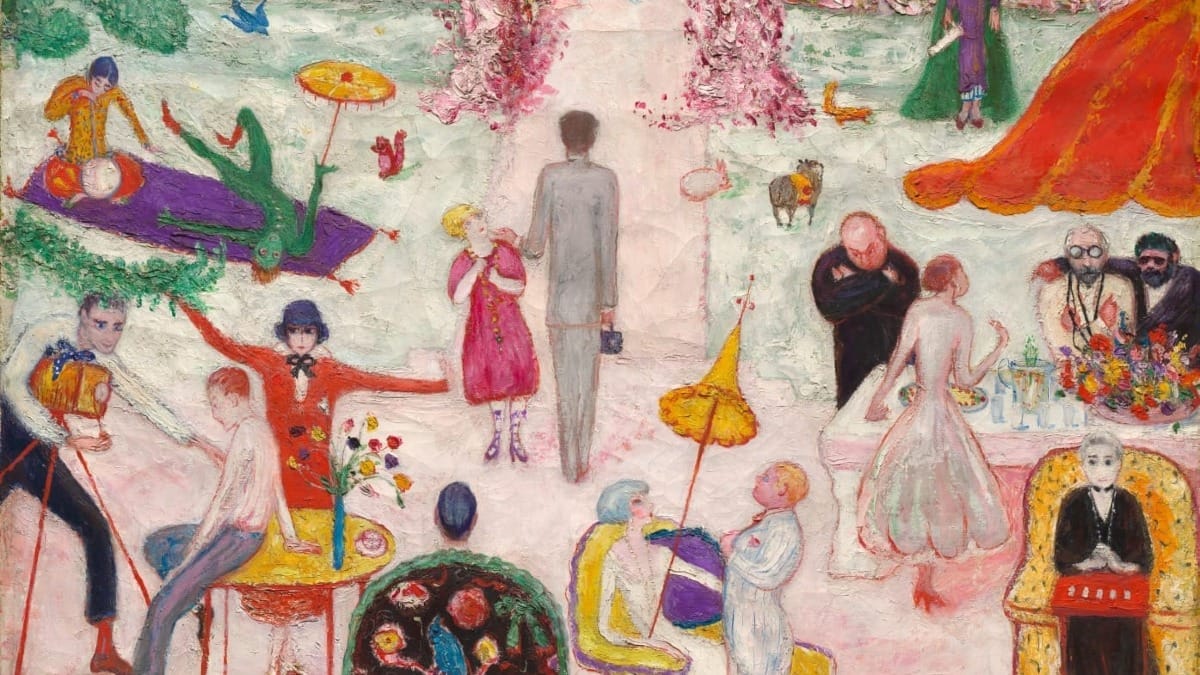
The Queer Utopias of Florine Stettheimer
Though the artist’s own sexuality is unknown, the freedom, playful sensuality, and gender euphoria in her work resonate with present ideas of queer community. | Izzy DeSantis
Read MoreYou’re currently a free subscriber to Hyperallergic. To support our independent arts journalism, join us as a paid member.