David Reed Went Where Lichtenstein Wouldn’t
He brought his optical preoccupations into the 21st century, without losing his love of artists from earlier eras.


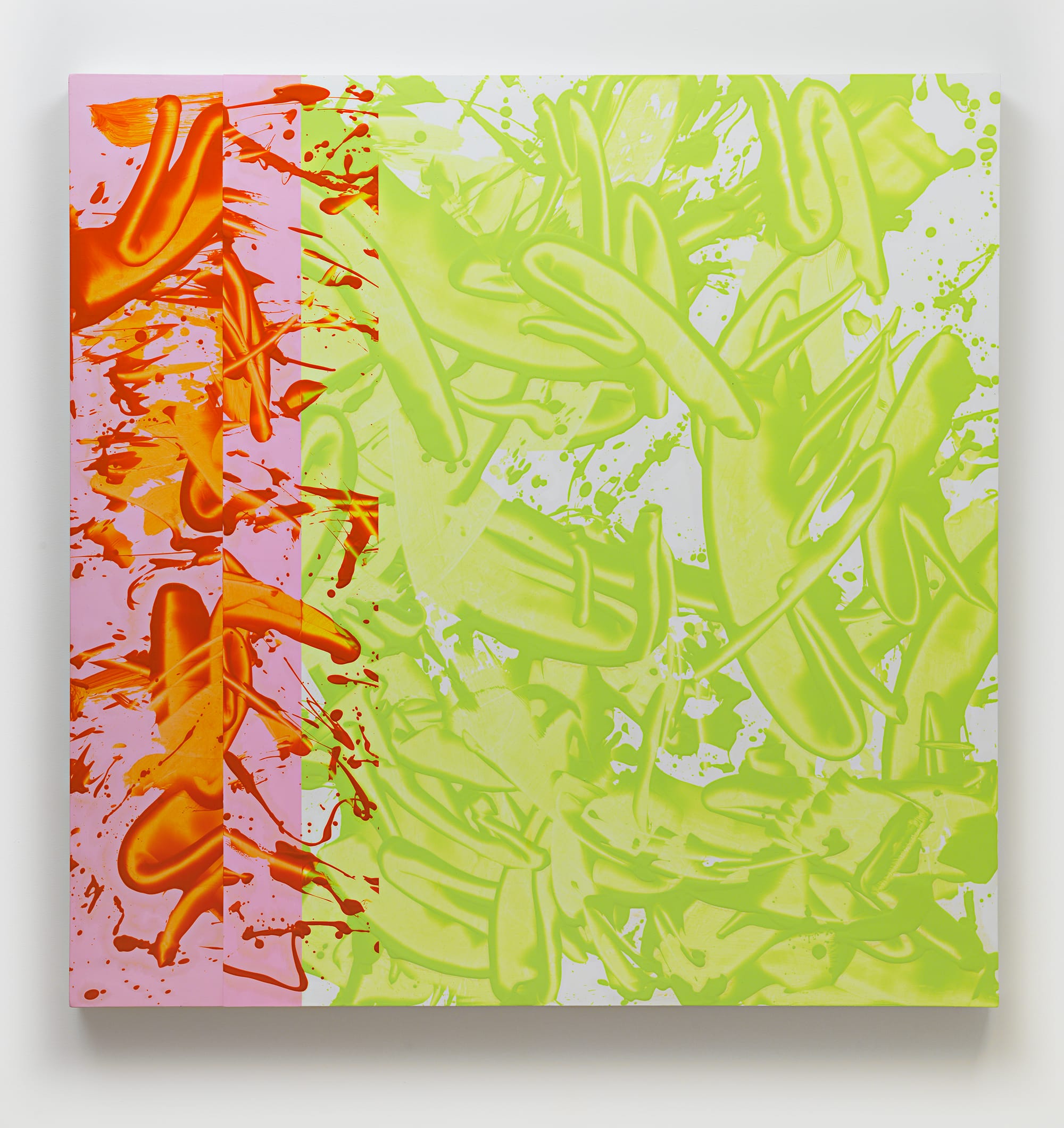
David Reed: Terrible Idea at Rodder is one of the few instances where the artist has shown his paintings and drawings together, in this case, those dated between 2013 and this year. Reed cites artists as disparate as Barnett Newman, Piero della Francesca, and Giovanni Battista Tiepolo as inspirations for his explorations of the interaction of color in opaque forms, layered transparencies, figure-ground interactions, and more. Along with those artists, he also mentions being influenced by everything from something someone said in his studio to an email regarding a painting he was working on.
In 2010, I spoke to Reed for an interview. In it, he made two statements that came to mind when I saw this exhibition:
My paintings are about process but hide the process. [Milton] Resnick spoke about what he called “studio paintings”.... There are certain paintings that you make for yourself to advance your painting, to find out about painting, to do something different and new. I decided that I only wanted to make “studio paintings”. I love to get a painting back and re-work it. Also it means they’re strangely open in some sense. I almost feel like I never finish anything.
I want to be a bedroom painter. I like to look at my paintings as I’m falling asleep or waking up. I like the idea that other people would see them that way and would connect them to dreams, half-thoughts and musings, not just analytical thought and put them in that space between dreaming and waking. I think that’s when paintings really enter you and become a part of you.